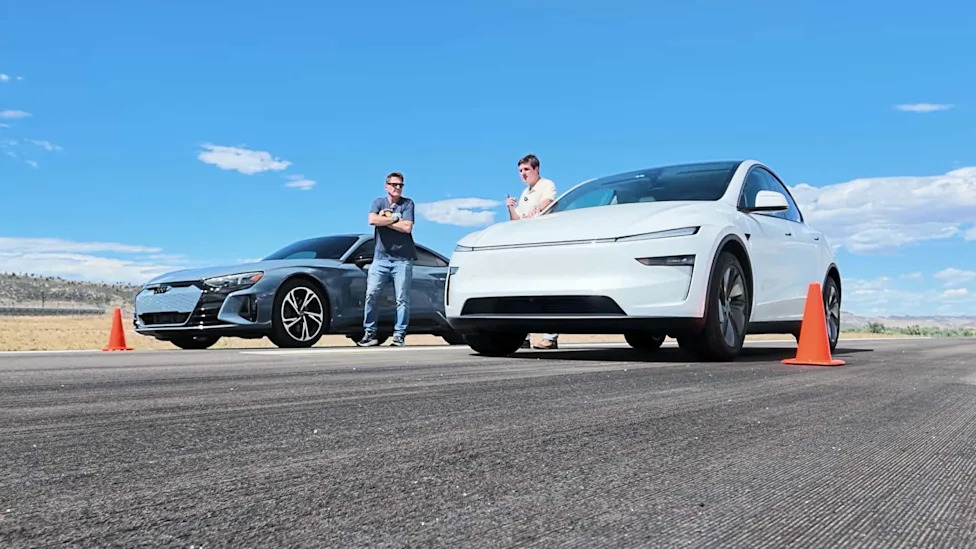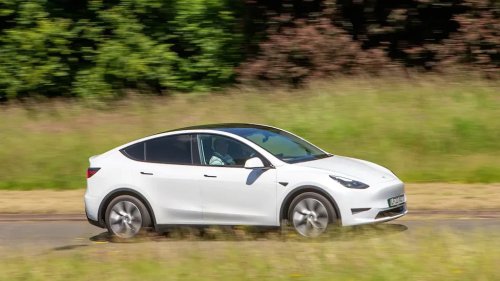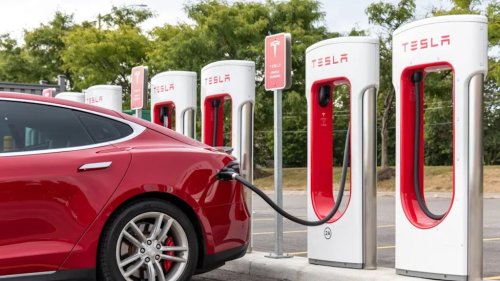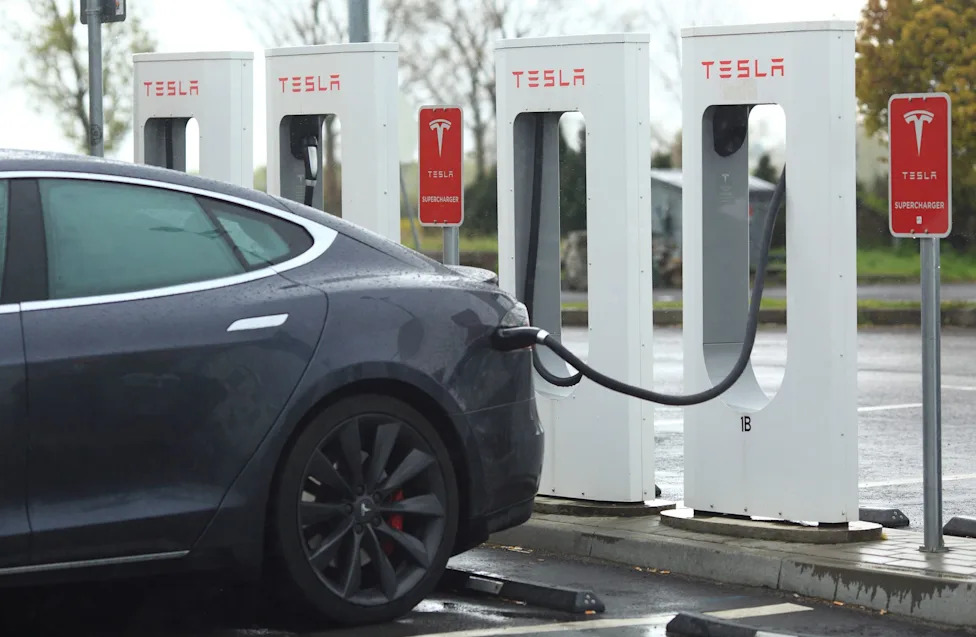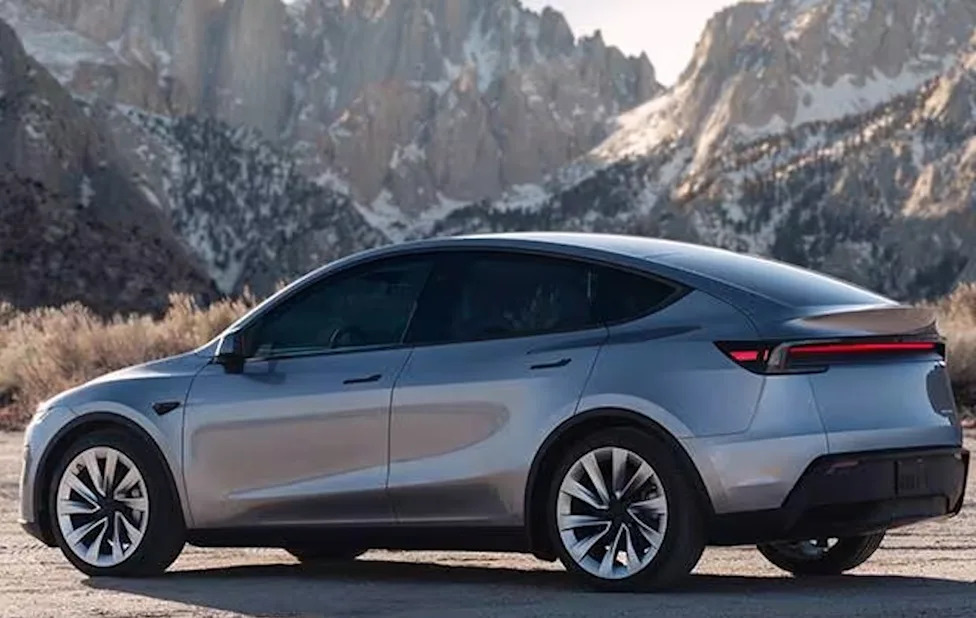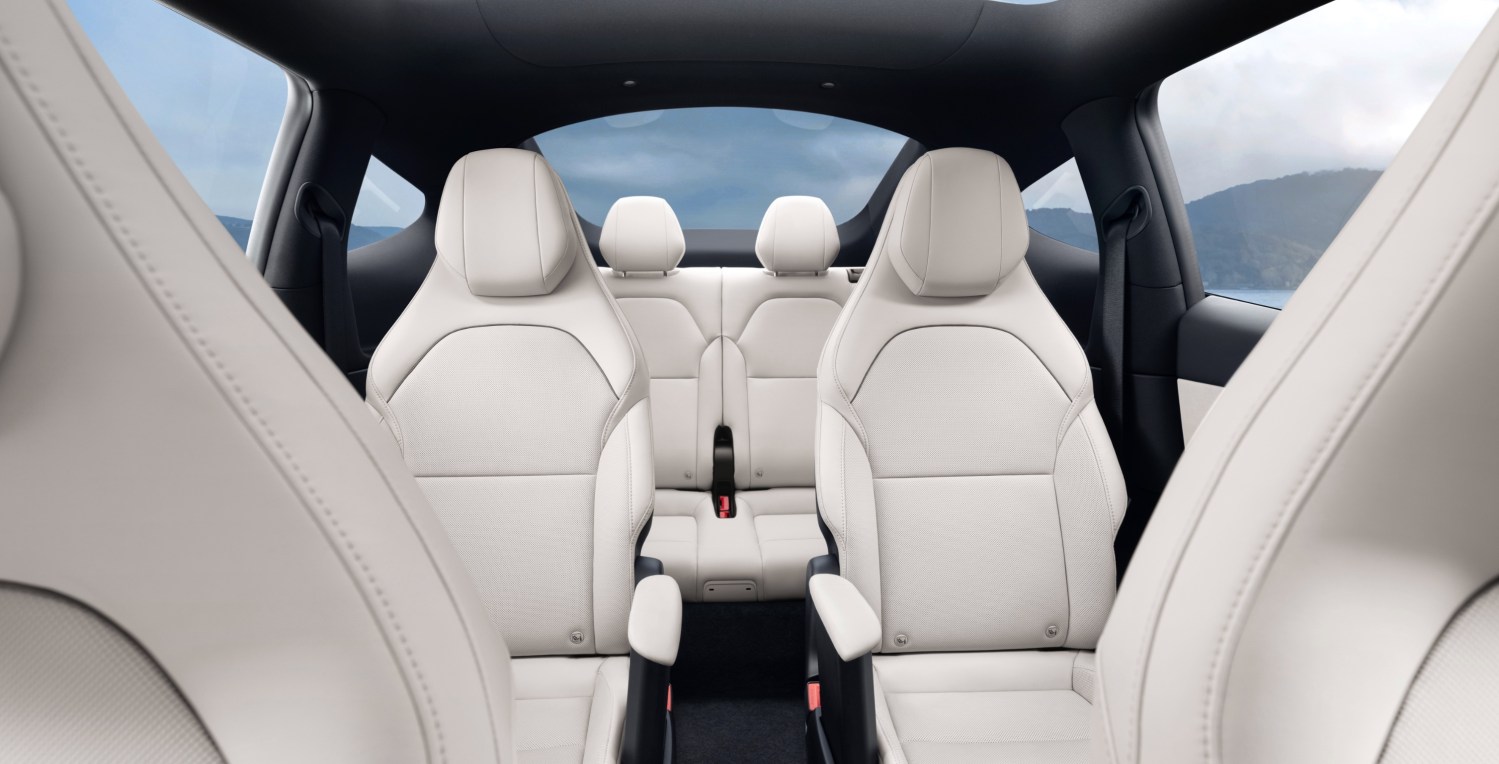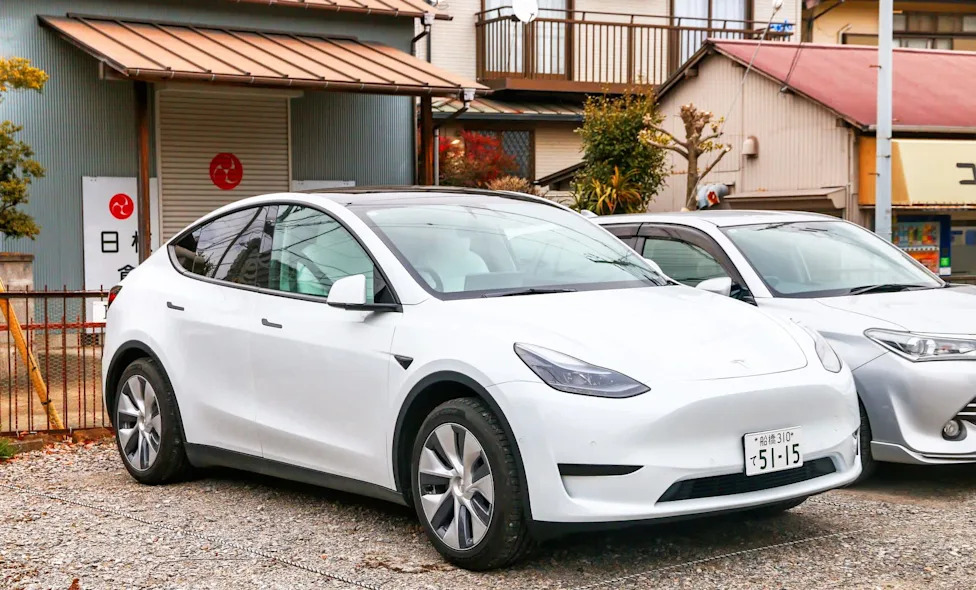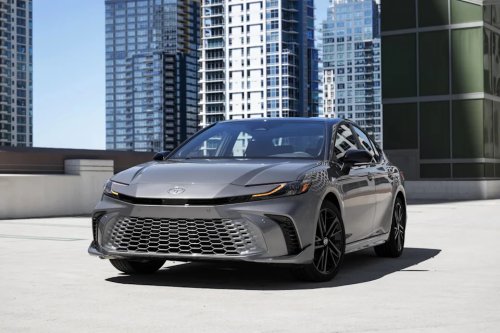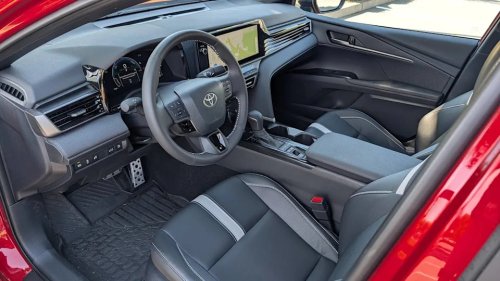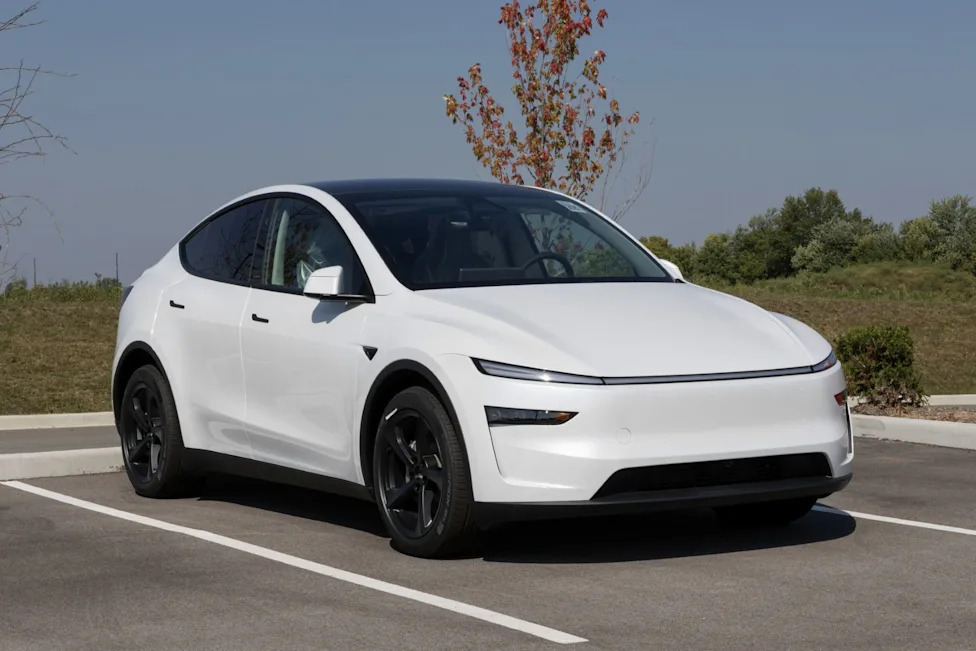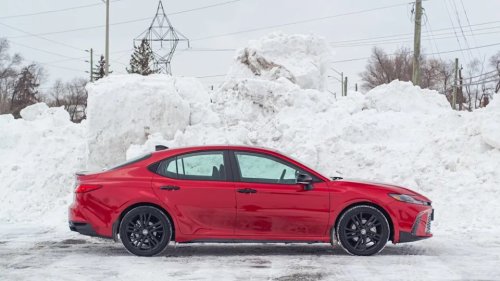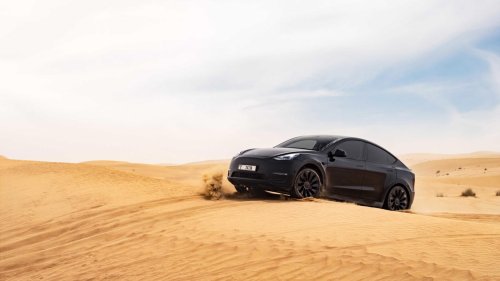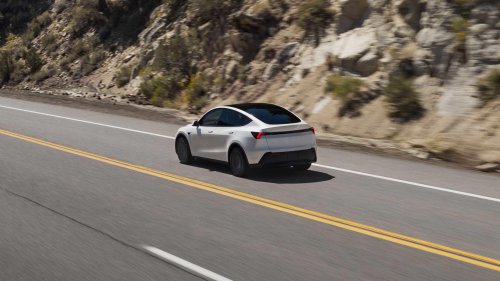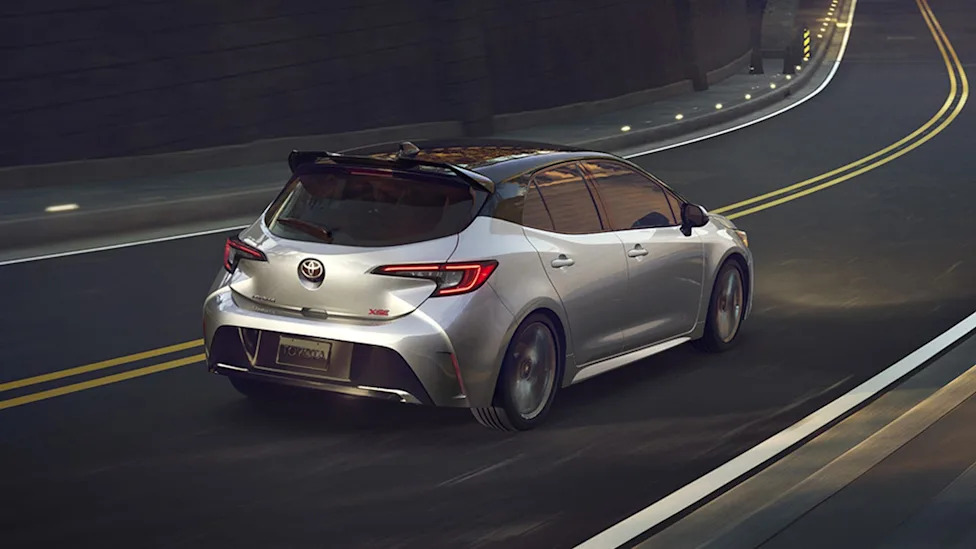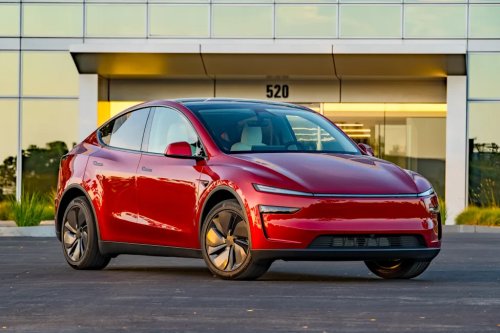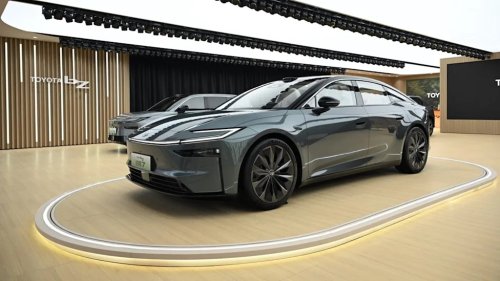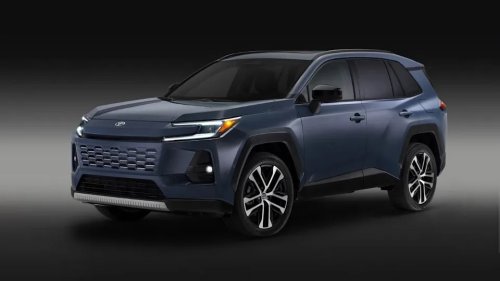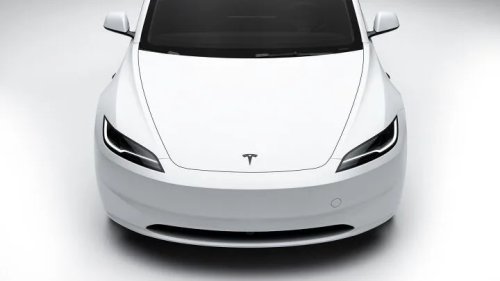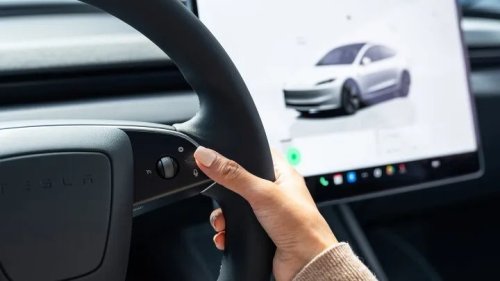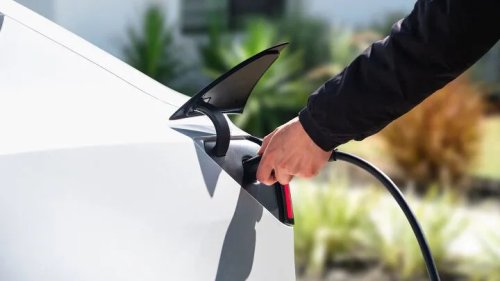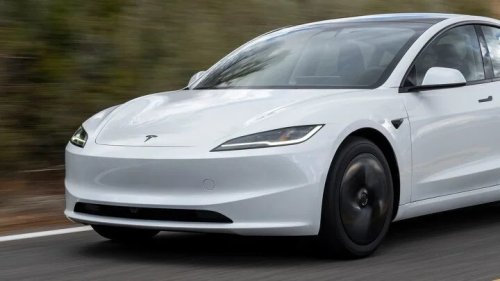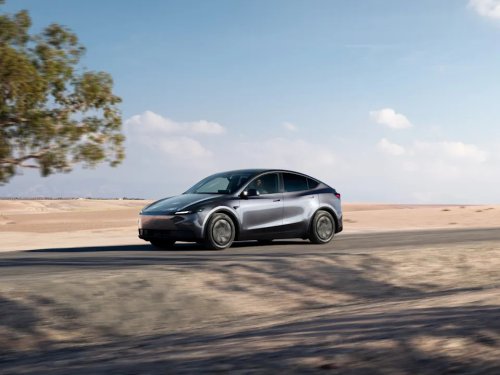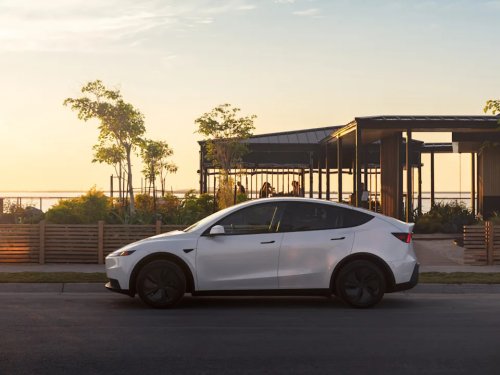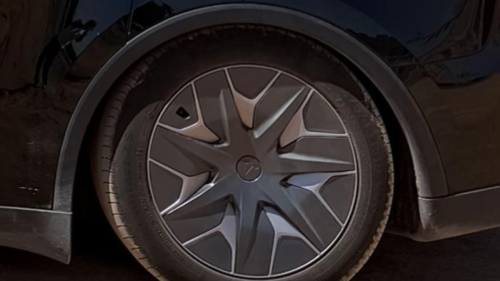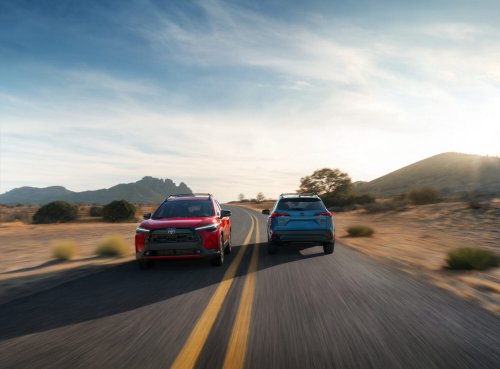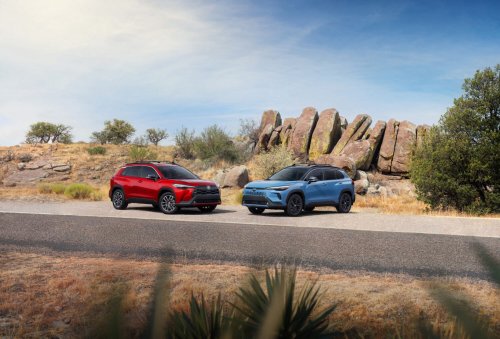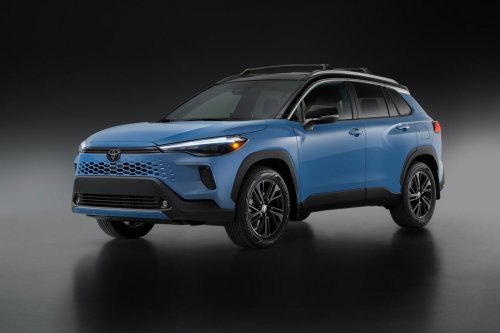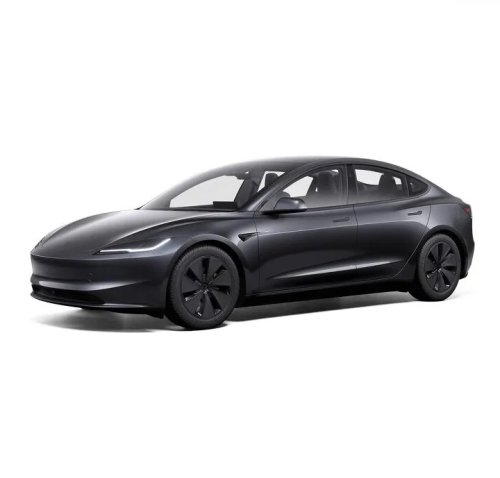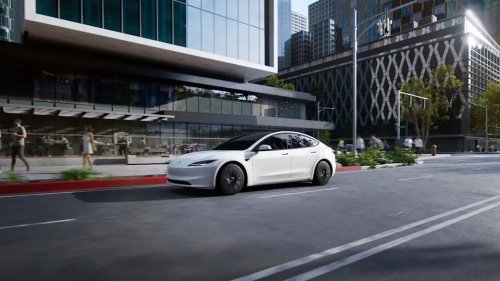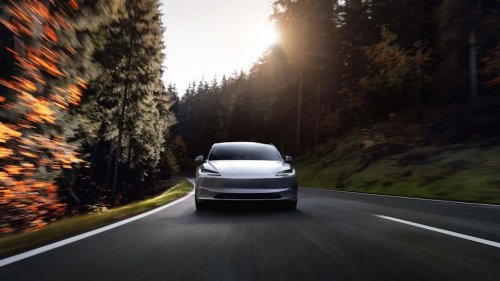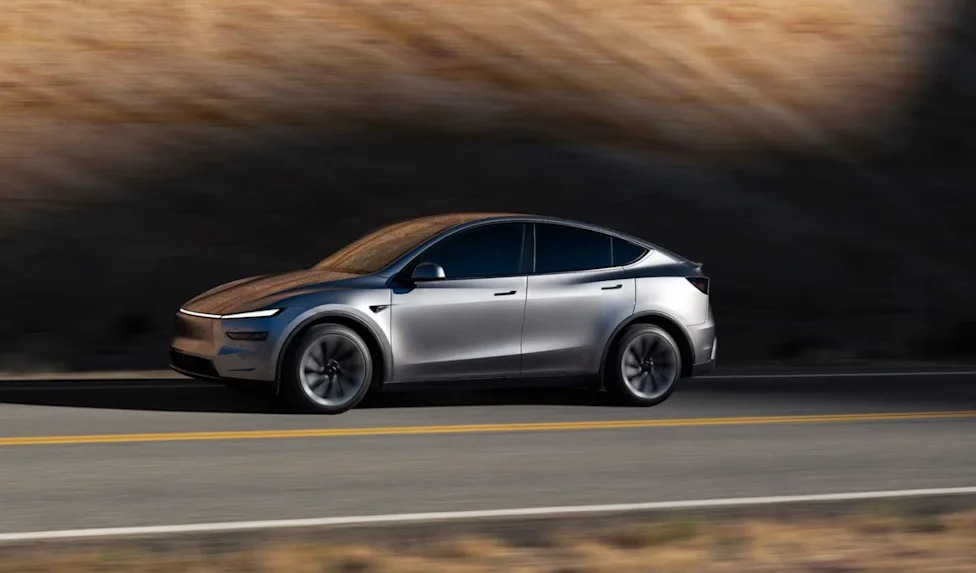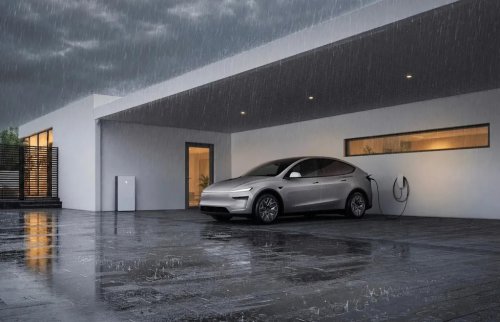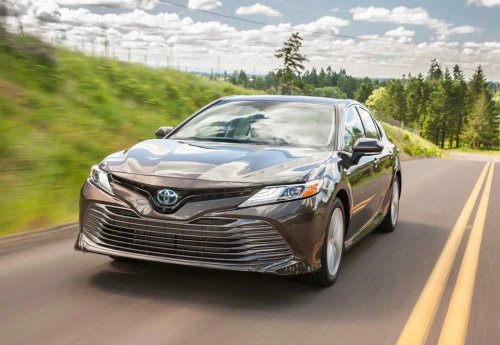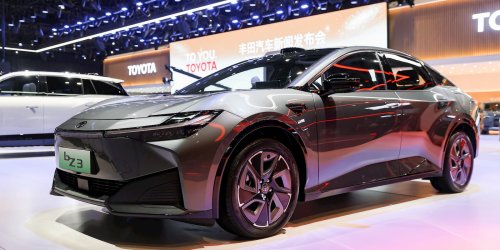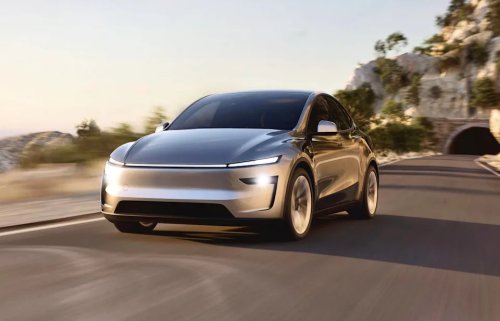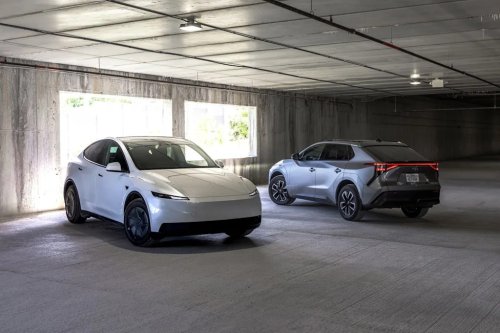
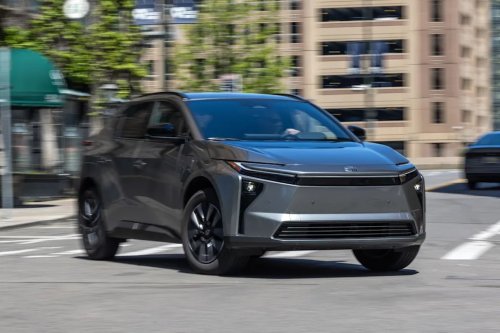
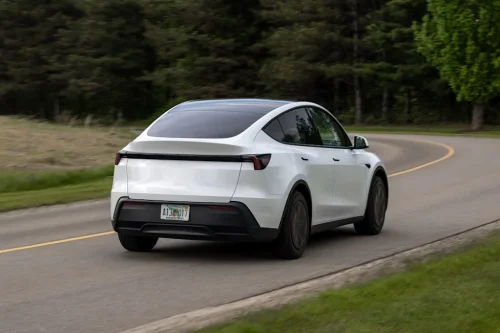
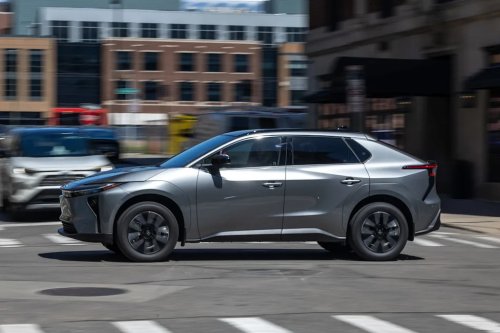
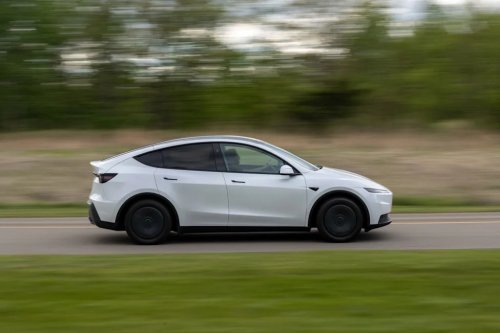



















Tesla Model Y vs. Toyota bZAndi Hedrick - Car and DriverTesla created the EV template that legacy automakers have spent years trying to imitate, with results ranging from genuinely impressive to painfully derivative. When the Model Y became a global bestseller, it helped make electric vehicles mainstream and desirable. Meanwhile, Toyota was watching the EV revolution from the sidelines until it was forced to get in the game. Its first mass-produced attempt was the clumsily named bZ4X, which was codeveloped with Subaru and felt like what happens when two inexperienced lab partners try an experiment by copying someone else's work.Despite the half-baked result, Team Toyobaru eventually did their homework and turned in a much more competitive product. Surprisingly, Toyota's refreshed and renamed bZ has outsold every non-Tesla EV in America through the first quarter of 2026, though the Model Y remains entrenched atop the sales charts. What's interesting is how these two corporate Goliaths have taken very different paths to get here. While Tesla-stans and Toyota truthers will likely remain loyal to their respective brands, they share an audience who wants an electric SUV for less than $45,000. So, we put the most affordable versions of the new Tesla Model Y and the Toyota bZ head to head to find out which bestseller is better.Andi Hedrick - Car and DriverFor 2026, Tesla gave the Model Y a comprehensive makeover. That includes a new base model rear-wheel-drive variant that starts at just $41,630. Our test car wore the Pearl White paint, which, frankly, isn't worth the $1000 upcharge over the no-cost Stealth Grey. The only other option is the $1500 Diamond Black. Tesla's Full-Self Driving (Supervised) is included for the first 30 days and then costs $99 per month, but can be canceled at any time. Previously, it was an $8000 stand-alone option, so the subscription is a much better value.AdvertisementAdvertisementToyota also tinkered with the EV formerly known as bZ4X. Along with a rhinoplasty and a more user-friendly dashboard layout, the 2026 bZ adopts upgraded electric motors, new battery packs, and the NACS charge port that grants access to Tesla's vast Supercharger network; an improved 11.0-kW onboard charger makes Level 2 fill-ups less time-consuming too. The bZ also remains one of the least expensive new EVs you can buy, with the front-wheel-drive XLE starting at a low $36,495. However, we sampled the XLE Plus, which is $3000 extra but includes a more powerful electric motor and a bigger battery pack for increased driving range. The $475 Heavy Metal (gray) paint includes body-colored fenders for a more cohesive look. With about $800 worth of needless accessories, the as-tested price still totaled a reasonable $40,769.Andi Hedrick - Car and DriverExterior and InteriorWith Tesla and Toyota both giving their representatives new looks, you'd think there'd be something to get excited about. While most new Model Ys adopt a Cybertruck-like front light bar and a more chiseled chin, the base version goes without those to help you save a buck. The standard 18-inch steel wheels have aero-friendly hubcaps, but they only make an already-anonymous SUV look more like the royalty-free botmobiles you have to avoid in video games. Sure, you can upgrade to larger 19-inch alloys, but they cost $1500, and by the EPA's measuring stick you'll lose nearly 20 miles of range. The bZ's exterior design isn't as dorky as the Model Y's, though it won't turn many heads either. The Toyota's "hammerhead" front lighting signature, creased body sides, and 18-inch wheels at least help its curb appeal.2026 Toyota bZ XLE Plus FWDHIGHS: One of the least expensive new EVs, doesn't feel like a base model, better than Toyota's first try.LOWS: Awkward driving position, not even kind of fun to drive, wondering what the beep is going on.VERDICT: An EV SUV that's popular because it's affordable not because it's actually great at anything.AdvertisementAdvertisementThe bZ's interior also exceeds expectations, given its entry-level status. While its grayscale color scheme isn't exactly inviting, and the soft-touch surfaces are overshadowed by hard plastics, the synthetic-leather seats feature attractive fabric inserts that have a Scandinavian vibe. Toyota smartly overhauled the bZ's ergonomics too, remapping the center console to free up space for two inductive charging pads and easily accessible cupholders. The newly standard 14.0-inch infotainment touchscreen replaces the old 12.3-inch unit and now includes something the Tesla crowd wouldn't know what to do with—physical knobs! Wireless Android Auto and Apple CarPlay are also forbidden fruit on Tesla models but standard on the bZ, which limits how much you have to deal with Toyota's serviceable, albeit uninspiring, native operating system. There's no avoiding the bZ's driving position, which feels awkward if the low-mounted steering wheel and high-mounted gauge cluster aren't aligned just right. It's better than before, but Toyota might need to rethink this layout.Annoyingly, the bZ also likes to beep its brains out. Look away from the road too long and beep! Barely cross the lane markings and beep! Rest your hand on the steering wheel at 12 o'clock and beep! Whoever thought using incessant beeps to promote safer driving should know it actually drives drivers crazy.The Model Y's interior is an entirely different experience, from the way it looks to the way things are controlled. As with the updated Model 3 sedan, Tesla improved its breadwinner by adding nicer materials, improving the sound deadening, and introducing new features. Of course, this base trim is discounted for a reason—several reasons, actually. Skinflints must adjust the steering column and fold the rear seats by hand, go without ventilated front seats and heated rear seats like peasants, listen to music through eight fewer speakers, and live with the fact that the headliner is hiding a perfectly good glass roof. If skipping all that is worth saving at least $6000, then there's nothing to complain about.Apart from lacking phone-mirroring functionality and traditional switchgear—at least there's a turn-signal stalk—Tesla's UX ranks among the best in the biz. Its menus are smartly organized, and functions are surprisingly intuitive (yes, even the power front-seat adjustments that live in the 15.4-inch center touchscreen). Plus, you can access popular apps such as Spotify and YouTube, and the navigation system is just as helpful as Google Maps or Waze. Minor gripes include a shortage of USB-C ports in the cockpit, and one measly 12-volt outlet in the cargo area is not enough for a rolling generator.Powertrain and PerformanceBoth SUVs have one electric motor each, with the bZ's feeding the front axle and the Model Y's feeding the rear. The XLE Plus's 67-kWh battery (C/D estimated) helps it make 221 horsepower, while the Model Y's slightly larger 70-kWh pack helps it make a healthier 300 horses. Those 300 horses sent the 4004-pound Model Y we tested to 60 mph in 5.9 seconds, 0.3 second quicker than the 4180-pound bZ, and both EVs had nearly identical rolling-start results. Still, the Tesla was a full second quicker from 50 to 70 mph, which simulates a passing maneuver. The Model Y also had more lateral grip (0.86 versus 0.82 g) and stopped shorter than the bZ from 70 mph (174 versus 183 feet), clinching its dynamic advantage.AdvertisementAdvertisement2026 Tesla Model Y RWDHIGHS: Affordably priced, industry-leading UX, FSD (Supervised) is a better driver than distracted humans.LOWS: Looks like an NPC, takes the minimalist interior too far, noisy ride reveals its penny-pinching nature.VERDICT: The automotive equivalent of Apple's iPhone, but it's insanely popular for a reason.The previous bZ was prone to causing range anxiety, with an EPA-estimated driving range that peaked at 252 miles. Toyota remedied that with the mid-cycle update and bigger battery, raising the FWD XLE Plus's range estimate to a respectable 314 miles, which translated to 250 miles on our 75-mph real-world highway route. Once again, the RWD Model Y has an edge, with its 321-mile EPA figure. We weren't able to conduct our range test with the rear-drive Model Y, but the all-wheel-drive version traveled 240 miles on a charge, so 260 miles from the single-motor is a safe bet. The Toyota has the upper hand in terms of fast-charging, with the bZ needing 35 minutes to go from 10 to 90 percent while the Model Y needed 44 minutes for the same refill.Driving ExperienceGet behind the Tesla's small-diameter steering wheel, and you'll notice how its quick and direct action make the Model Y feel nimble compared with the bZ. There's enough immediate thrust to squirt through tight windows in city traffic, or when you're itching to pass Mildred's plodding Mercury Montego on the interstate. Tesla's regenerative braking is nicely calibrated and allows for smooth one-pedal driving, though we'd appreciate a full-disable setting. Our test car's biggest flaw was its choppy ride and noisy cabin—25 sones at 70 mph to the Toyota's 24—on Michigan's tarmac minefield, a reminder that expenses were spared.AdvertisementAdvertisementWith that said, Tesla's FSD (Supervised) is the gold standard of Level 2 autonomy, and it's an impressive feature for such an affordable vehicle. When used responsibly, it's remarkable, particularly because it behaves so naturally. For instance, FSD's Hurry mode maintains the car's position within the natural ebbs and flows of traffic better than any other adaptive cruise control. Yes, Tesla needs to be held accountable if it's found liable for anything nefarious, but that doesn't change the fact that the Model Y can drive itself better than every distracted driver on the road—and there are a lot of those in the U.S.Andi Hedrick - Car and DriverBy comparison, driving the bZ feels like most other Toyota (and some Subaru) SUVs. It's that familiarity that will appeal to people who are switching from, say, a RAV4. While the bZ isn't quick enough to get your heart racing, and its steering might as well be sponsored by novocaine, that chill demeanor makes it an inoffensive daily driver. It has plenty of tire sidewall and spongy damping, so its ride quality leans more toward the Lexus end of the spectrum. Paddles on the steering wheel let you adjust the amount of regenerative-braking force, but unfortunately, there's no true one-pedal drive mode.Andi Hedrick - Car and DriverAnd the Winner Is . . .Toyota deserves credit for addressing the bZ4X's shortcomings and turning it into the much-improved bZ. But besides being a really great value, the front-drive electric crossover doesn't do anything great. If you're a first-time EV shopper who needs a familiar experience to make the leap—or maybe you're someone who won't wave the Tesla flag—the Toyota is a good and highly affordable alternative.But if you're looking for an entry-level EV made by a company that makes cars differently and treats the auto industry's century-old playbook like a suggestion, the Tesla Model Y RWD is the way to go. Sure, it looks super boring and beats the minimalism horse into the shadowlands, but there's a reason it's the bestselling electric vehicle in the world. The Model Y has solid range, is fun enough to drive, and has the best Level 2 driving system on the market. Is it suddenly our favorite EV? No, but between it and the Toyota bZ, the Tesla is the better bestseller.You Might Also LikeGift Guide: Best Ride-On Electric Cars for KidsFuture Cars Worth Waiting For: 2025–2029