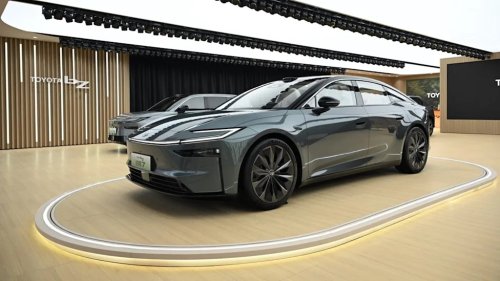
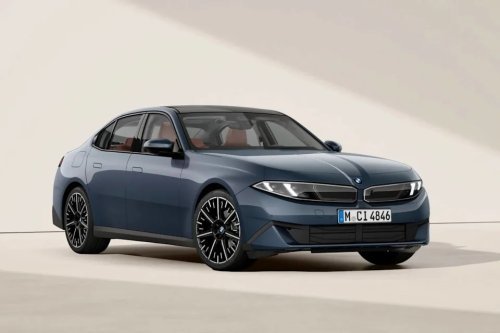
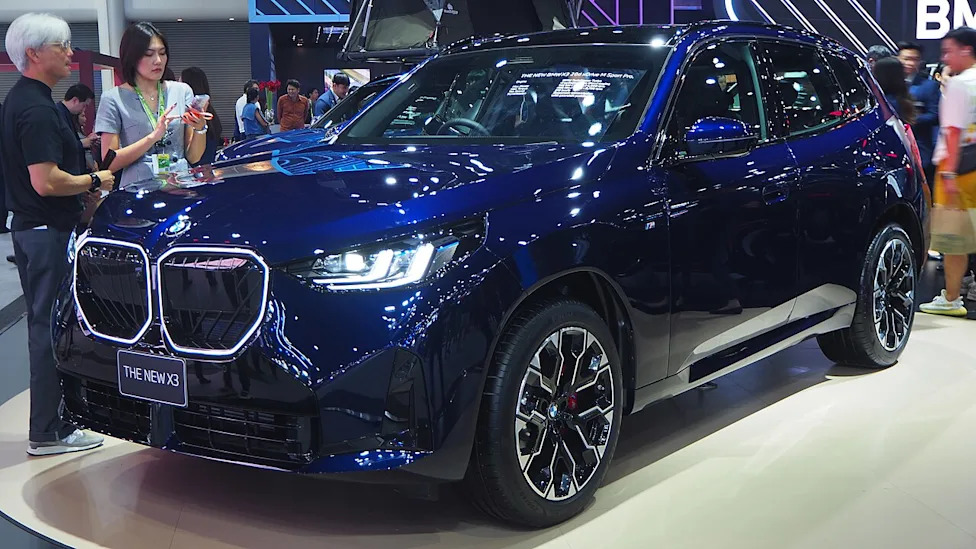
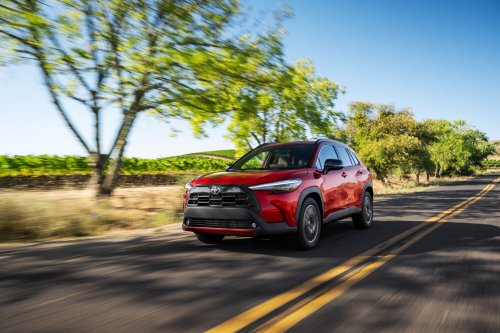
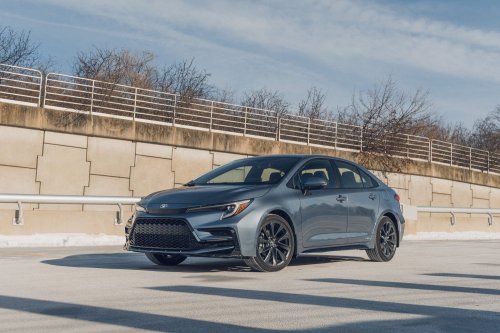
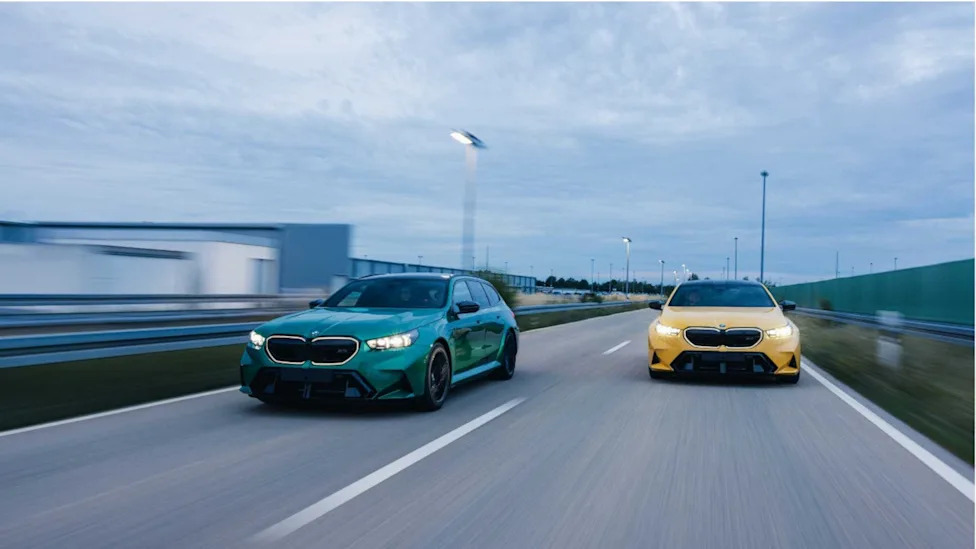
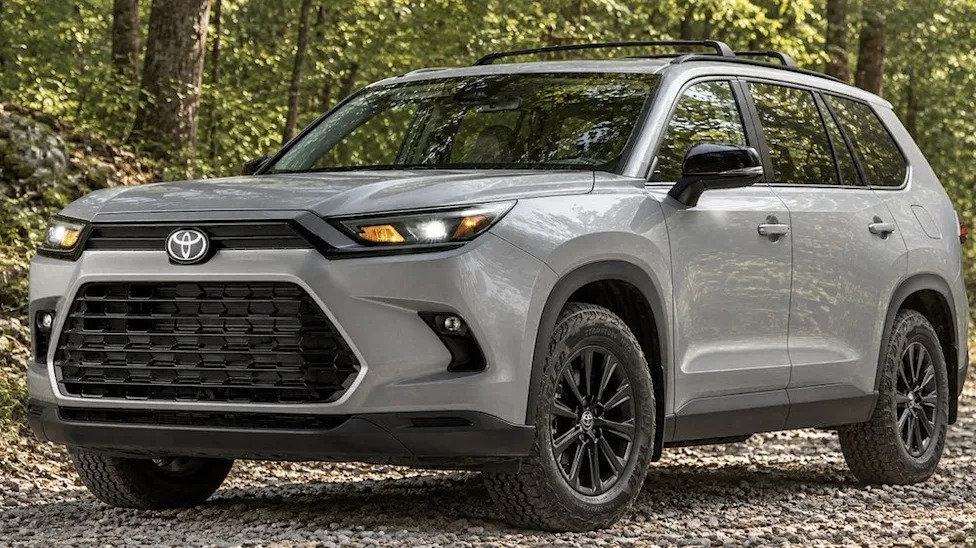
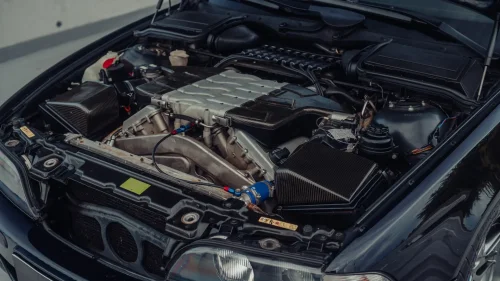
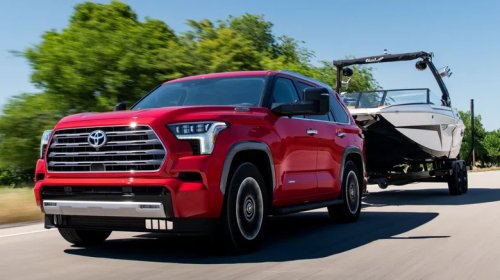
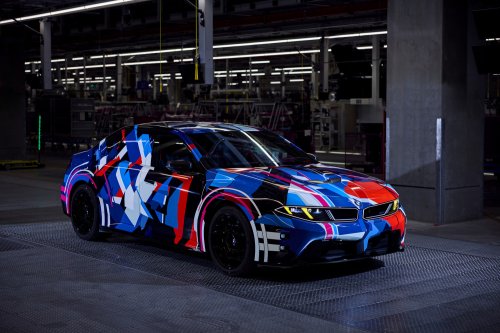
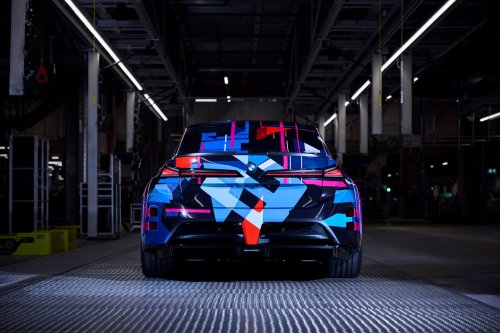
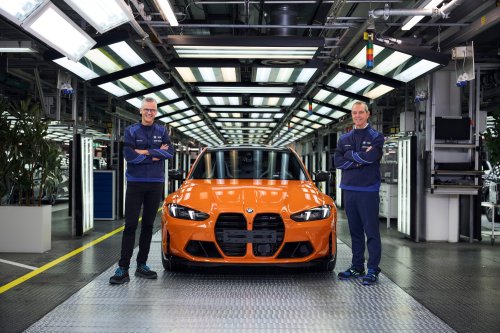
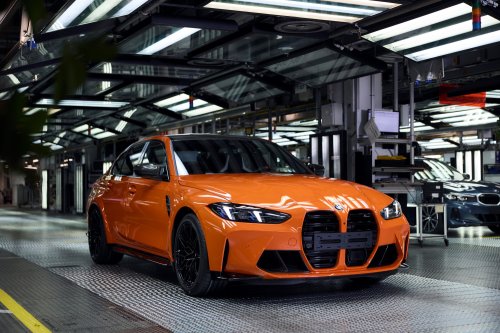
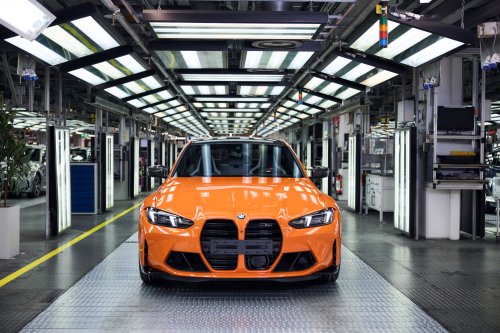
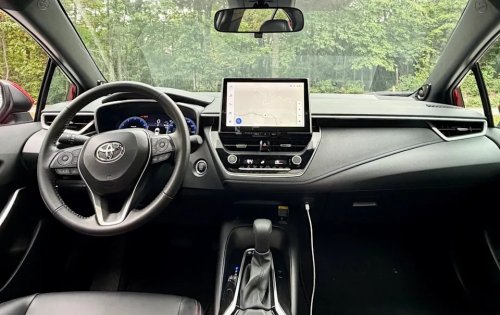
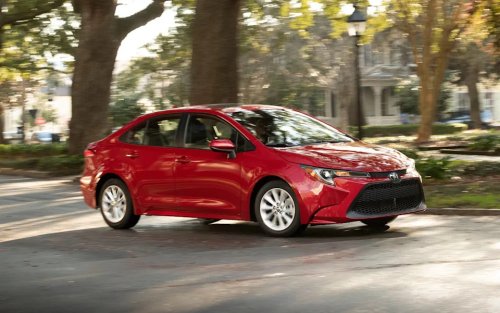
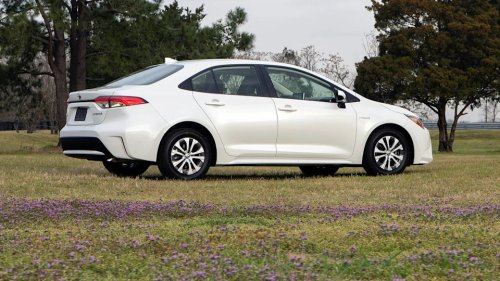
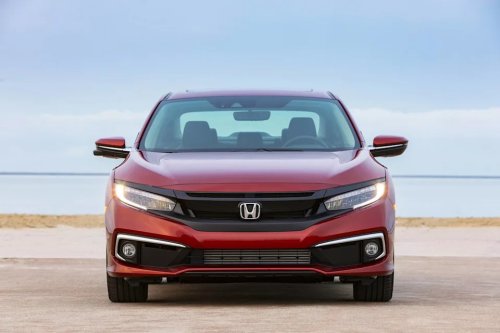
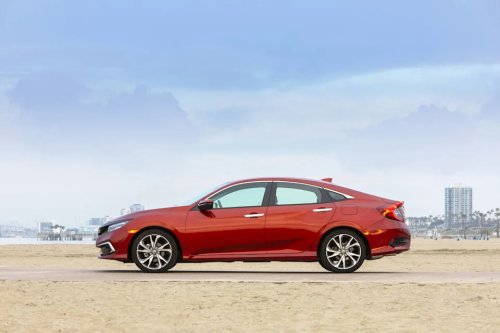
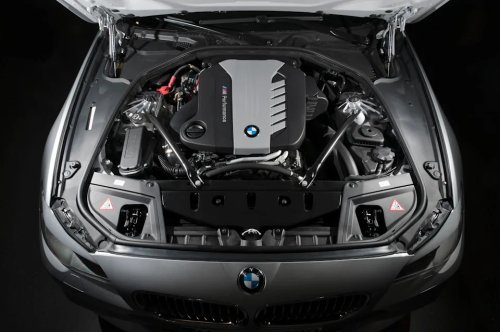
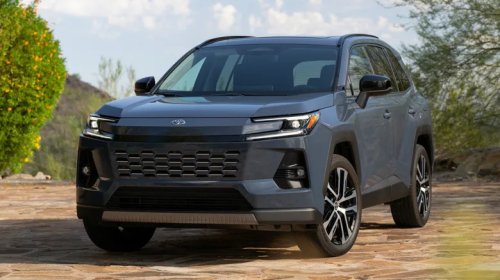
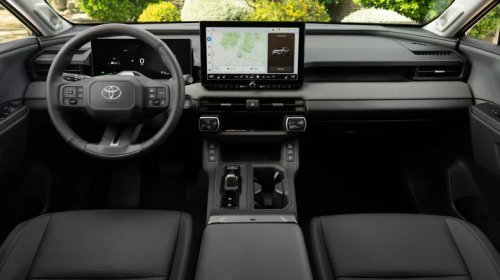
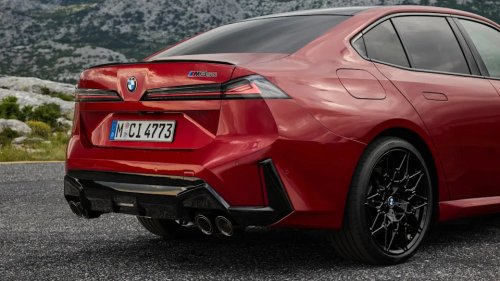
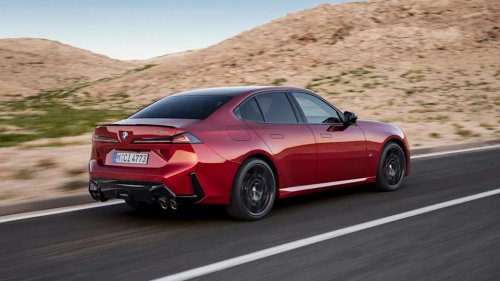
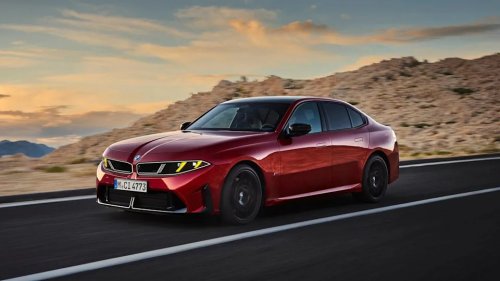
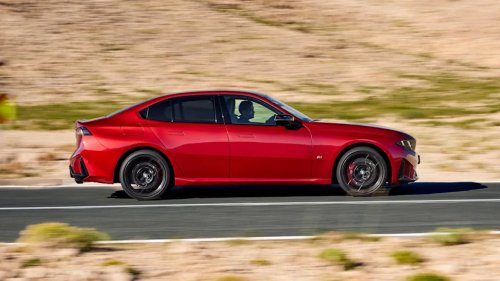
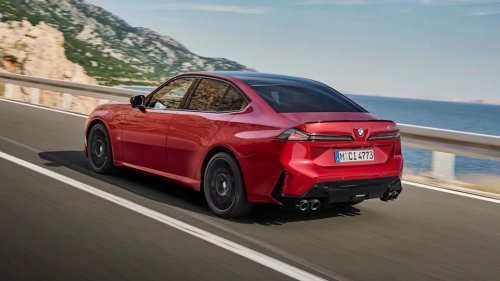
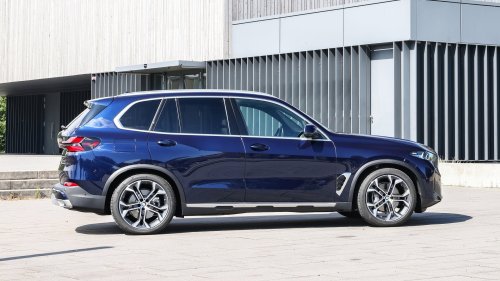
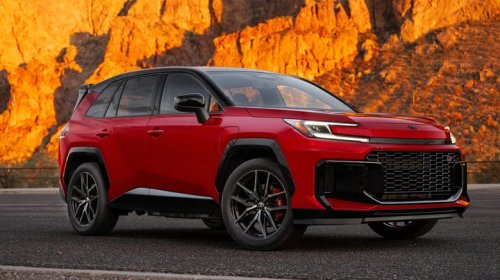
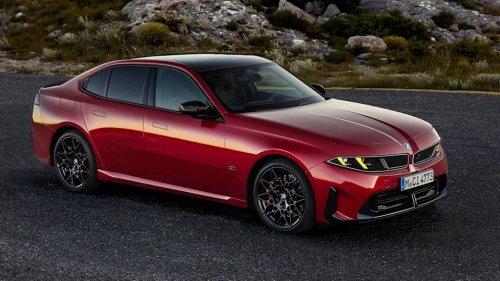
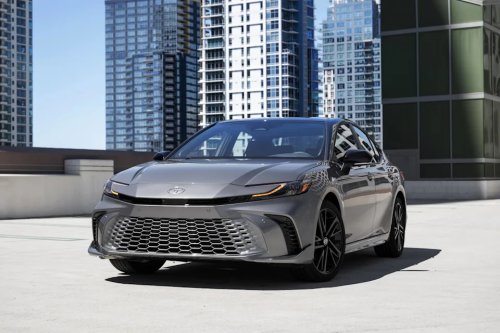
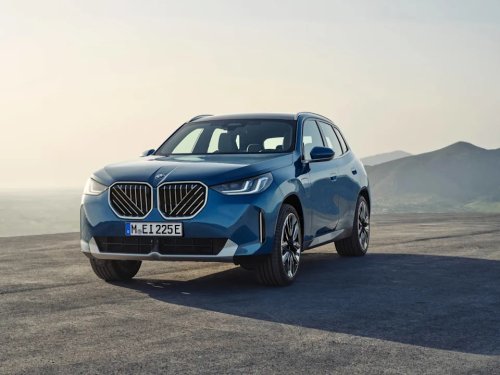
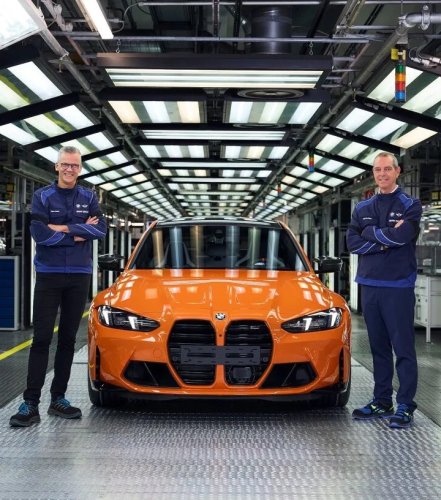
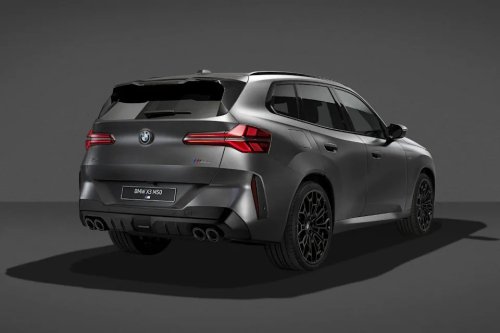
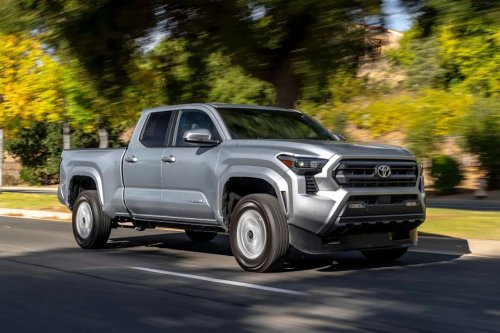
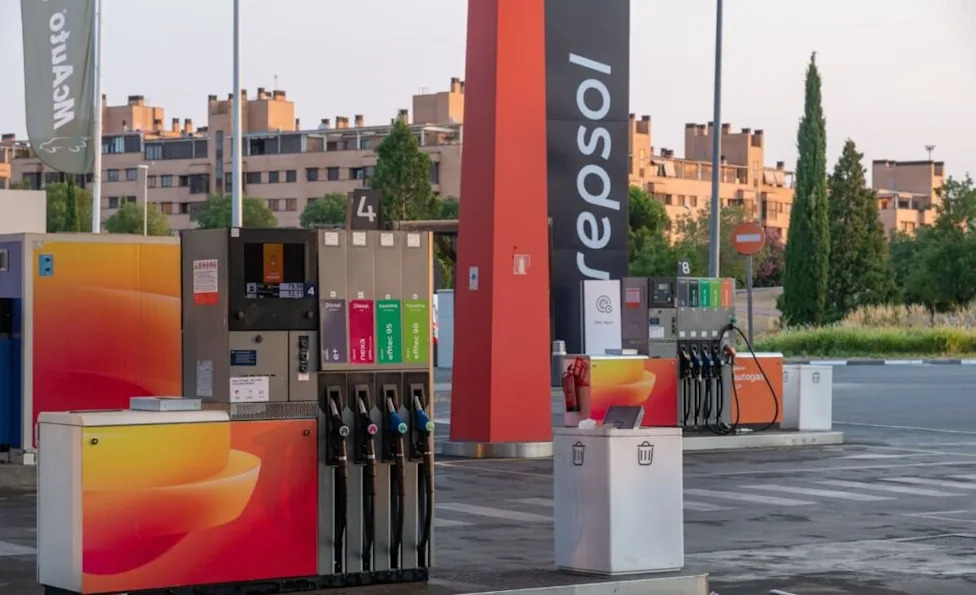
Toyota, BMW, Bosch, and Repsol are running a six-month pilot project to see if existing vehicles can run on fuel made from renewable sources. The test is being conducted in Spain and will gather data to show if such fuels can help to decarbonize mobility when deployed at scale.According to a report by Toyota, testing began this month with BMW and Toyota vehicles using Repsol's 100% renewable gasoline (Nexa 95), supported by Bosch's advanced digital fuel tracking technology.The pilot aims to provide real-world evidence that Vehicles Exclusively running on Eligible Fuels (VEEF) can be deployed at scale. This will form the basis for Europe's efforts to decarbonize mobility while supporting not only new technologies but also existing vehicles. The trial will involve 20 Toyota and BMW vehicles that remain largely unchanged from their production-spec versions.AdvertisementAdvertisementThis pilot is unique because it involves the use of existing vehicle technologies and infrastructure. Produced from RED-compliant feedstocks, Repsol's Nexa 95 renewable gasoline significantly reduces greenhouse gas emissions compared with fossil fuels while remaining fully compatible with today's gasoline engines.Image Courtesy: RepsolPilot Could Help Existing Cars Stay Relevant in a Low-Carbon FutureThe data and findings from the pilot project will be shared with EU policymakers, industry stakeholders, and the media, potentially paving the way for the inclusion of VEEF vehicles in future regulatory frameworks. Explaining how renewable fuels can help decarbonize both existing and future vehicles, Pascal Ruch, Vice President Corporate & Governmental Affairs, Toyota Motor Europe, said:"We believe renewable fuels can play a key role alongside electrification in reducing CO₂ emissions. As the transition progresses, it is becoming clear that there is a growing risk that 100% zero-emission vehicles by 2035 may not be fully achieved.AdvertisementAdvertisement"In such a scenario, renewable fuels can help bridge the gap to deliver carbon neutrality, especially when combined with hybrid and plug-in hybrid technologies. This pilot aims to demonstrate how renewable fuels can make a meaningful and sustainable contribution to decarbonisation today, for both new and existing vehicles."The pilot has three main objectives. They are as follows:Availability of renewable gasoline in the market – leveraging Repsol's infrastructure, currently the only provider of 100% renewable gasoline at public fuel stations in SpainReadiness of digital tracking and certification technologies – enabled by Bosch's "Digital Fuel Twin" system, which certifies renewable fuel usage across the full lifecycleAdvertisementAdvertisementOperational deployment of VEEF fleets – demonstrating that existing vehicles can run today on 100% renewable fuels using existing infrastructureBut Why Spain?Spain has been chosen as the location for the test, given the availability of renewable gasoline. Estíbaliz Pombo, Deputy Director of Energy Products at Repsol, said:"As the only company currently supplying 100% renewable gasoline at public service stations in Spain, Repsol is proud to contribute its expertise and infrastructure alongside Toyota, BMW, and Bosch. The project's real-world data will demonstrate the value of a technology-neutral approach to Europe's mobility transition."If the project proves successful, it could be a game-changer, especially by providing an alternative to ethanol-blended fuel, which is widely used around the world but remains a concern for owners of vehicles that are not designed to run on it.AdvertisementAdvertisementAlthough the pilot project is aimed at potential changes in Europe, a fuel that is found to be both environmentally friendly and cost-effective could eventually see adoption in other markets as well.



















 +59 others