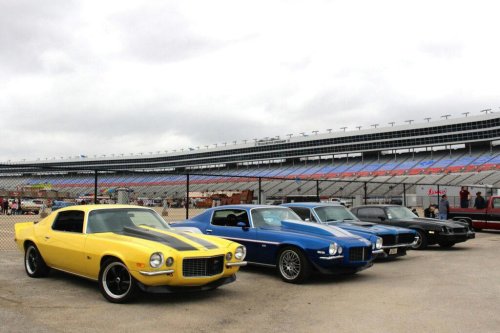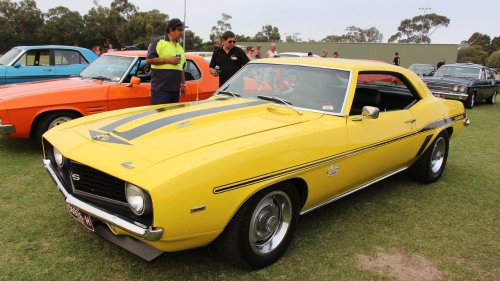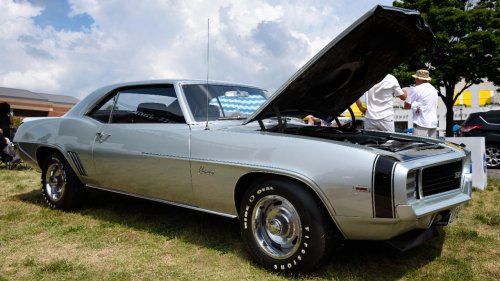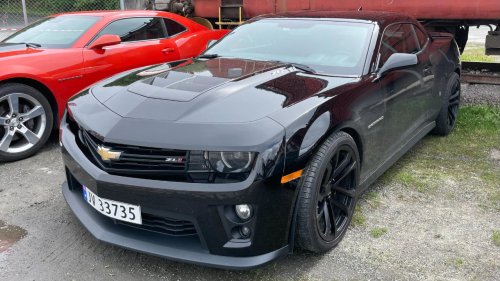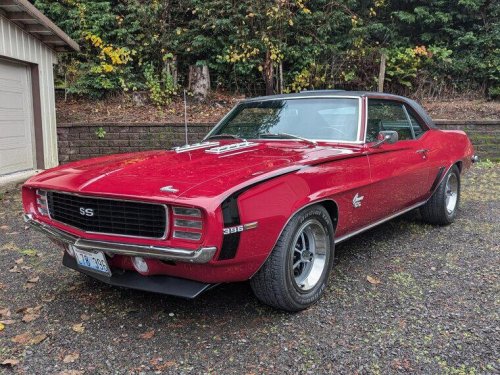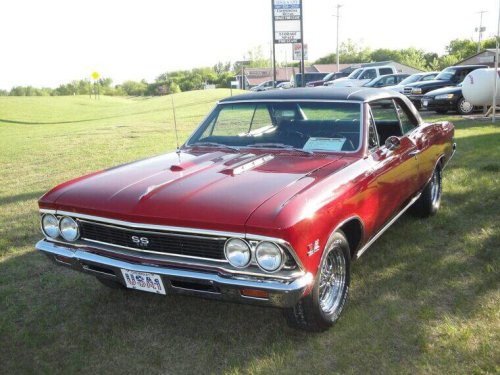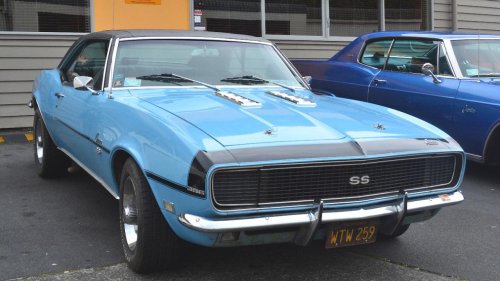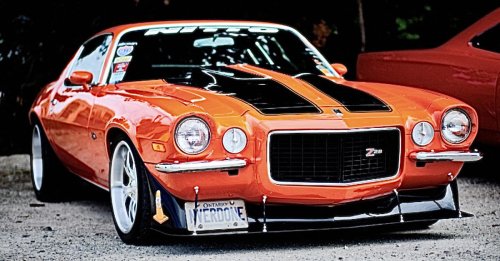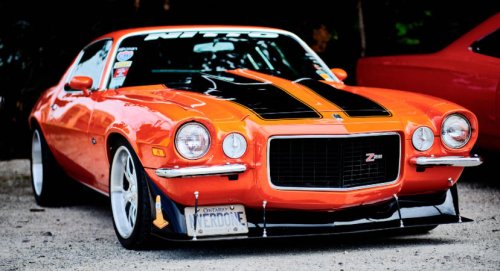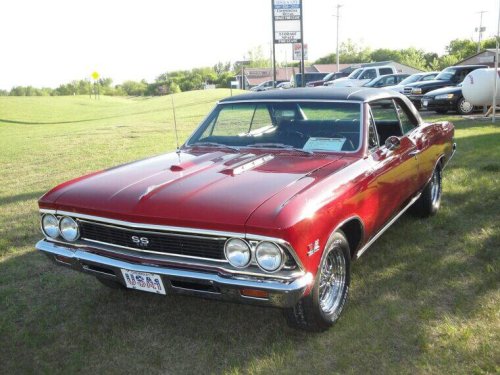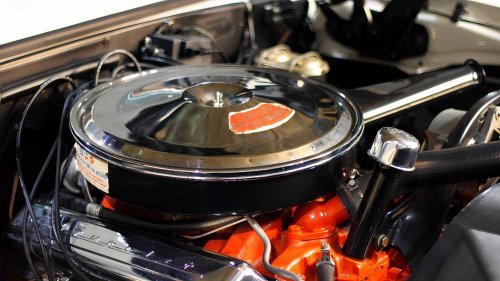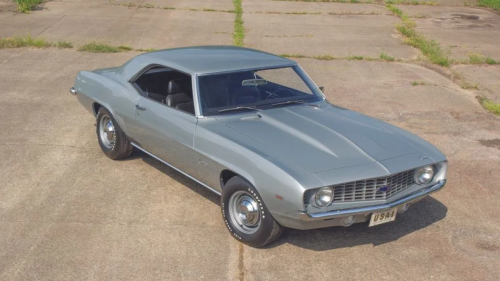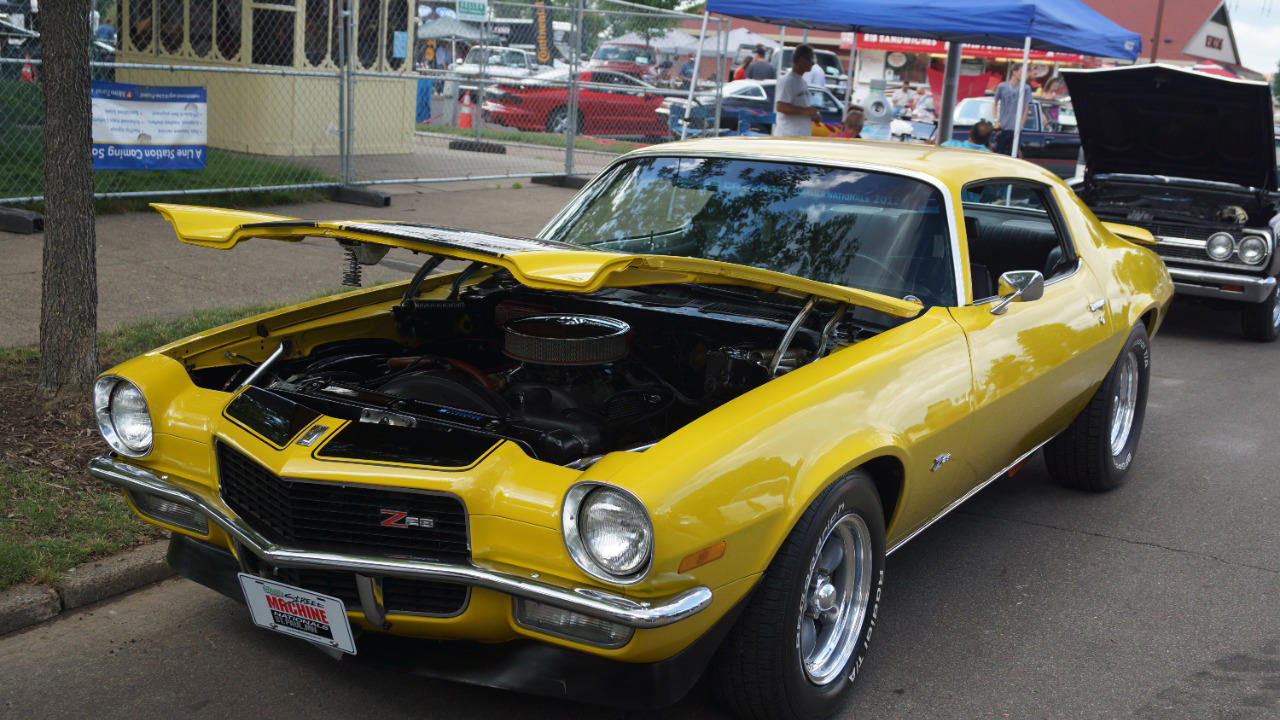



















This rare engine option changed how one muscle car performed on the streetMuscle cars are usually remembered for the loud stuff: the stance, the stripes, the way they shook stoplights like a minor earthquake. But every once in a while, a factory option shows up that doesn’t just add bragging rights—it changes how the whole car behaves in the real world. One of the best examples is a rare engine choice that turned a well-known bruiser into something sharper, more street-smart, and honestly a little sneakier than its reputation. It wasn’t the biggest engine on the order sheet, and it wasn’t the one everyone pointed at in magazine ads. That’s part of the charm. This option didn’t just promise speed; it rearranged where the power lived, how the car hooked up, and how confident it felt when you weren’t already doing 70 on an empty highway. The car everyone “knows,” and the version almost no one’s driven The muscle car in question is the late-’60s Chevrolet Camaro—specifically, the first-generation Z/28. Most people picture Camaros as big-inch, tire-frying machines, the kind that win arguments in parking lots because the hood badge says something intimidating. But the Z/28 was always a slightly different animal, built to satisfy SCCA Trans-Am rules and aimed at handling as much as straight-line glory. Even inside that niche, there was an engine option so uncommon it’s practically a spotter’s-item today: the 302 cubic-inch small-block V8. It wasn’t offered across the lineup like a normal upgrade. It existed because the rulebook said so, and because someone at Chevrolet decided a high-strung, road-race-flavored V8 would make the Camaro more than just a pretty face with a loud exhaust. Why a “smaller” V8 could be the smarter street choice Here’s the counterintuitive part: the 302 didn’t win on paper if you only looked at displacement. Plenty of Camaros could be ordered with larger engines that sounded more impressive at diners and did better in casual bench racing. But the 302 had a different trick—where it made its power and how eagerly it chased rpm. Instead of leaning on low-end torque the way big-blocks and big-inch small-blocks tend to do, the 302 liked to rev. That meant the car felt alive when you were actually driving it with intent: rolling into the throttle, keeping it in the right gear, and letting it sing. On the street, that can translate to a car that feels more responsive and less like it’s trying to overwhelm its own rear tires every time you breathe on the pedal. The rare option’s real magic: traction and control Old-school muscle cars have a lovable problem: too much torque, too little tire, and suspension geometry that wasn’t always designed for drama-free launches. Big torque at low rpm is fun, but it also turns “quick” into “smoky,” especially on ordinary pavement. A revvier engine shifts the experience—more build, more climb, and often a clearer sense of what the rear end is doing. With the 302, the Camaro could be driven harder without instantly turning the back tires into a special effects machine. It still wasn’t a modern traction-control hero, of course, but it tended to be more progressive. The power came on in a way that rewarded throttle discipline, and that made the car feel less like it was always one bad input away from a sideways conversation with the curb. It didn’t just pull— it urged you to drive differently Engines shape habits. A torquey big-inch setup invites lazy shifting and short bursts of throttle, because it’ll shove the car forward no matter what gear you’re in. The 302 pushed drivers in the other direction: pick the right gear, wind it out, and use the top half of the tach like it was put there for a reason. That changed the vibe on regular roads. Instead of feeling like a rolling torque wave that ran out of breath early, the car felt like it had a second personality above midrange. And because the power was tied to rpm, the driver was more involved—more listening, more timing, and more “okay, that was satisfying” when a shift landed just right. Street performance isn’t only about quarter-mile numbers It’s tempting to reduce everything to a drag strip result, because that’s the easiest headline. But most muscle cars spend their lives doing street things: merging, passing, carving a back road, or just making a quick run to grab dinner while pretending it’s a qualifying lap. In those situations, a balanced power delivery can matter more than peak torque. The Z/28’s 302 helped the Camaro behave more like a performance car than a pure straight-line bruiser. It could feel lighter on its feet, partly because the engine itself was a small-block, and partly because the whole package encouraged higher-rev driving. That’s the kind of “fast” you notice every day, not just when the timing lights are on. So why was it rare if it was that good? Because “good” depends on what you want, and muscle-car shoppers didn’t always want subtlety. Big numbers sold cars, and bigger displacement was an easy story to tell. A 302 that wanted rpm—and came wrapped in a more purpose-built package—wasn’t the default choice for someone who just wanted maximum shove with minimum effort. There’s also the simple reality of how options and trims were marketed. The Z/28 was already a specific flavor, and not everyone walked into a dealership asking for a homologation special. Plenty of buyers took the more common route: larger engines, simpler decision-making, and a car that felt fast without needing to be worked. The lasting impact: a muscle car that hinted at the future Looking back, the 302-powered Z/28 feels like a bridge between eras. It still had the classic ingredients—rear-wheel drive, a V8 soundtrack, and enough attitude to make gas stations feel like stages. But it also hinted at a different philosophy: speed that comes from gearing, revs, and driver involvement, not just displacement. That’s why this rare engine option matters in street terms. It didn’t merely add a spec-sheet talking point; it reshaped how the Camaro delivered its performance and how it wanted to be driven. And if you’ve ever wondered why some muscle cars feel like they’re fighting you while others feel like they’re egging you on, this is one of the clearest examples of how one uncommon factory choice can change everything. More from Fast Lane Only Unboxing the WWII Jeep in a Crate 15 rare Chevys collectors are quietly buying 10 underrated V8s still worth hunting down Police notice this before you even roll window down The post This rare engine option changed how one muscle car performed on the street appeared first on FAST LANE ONLY.