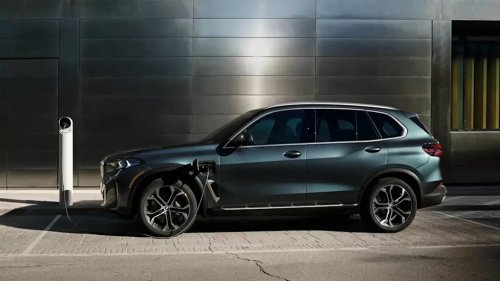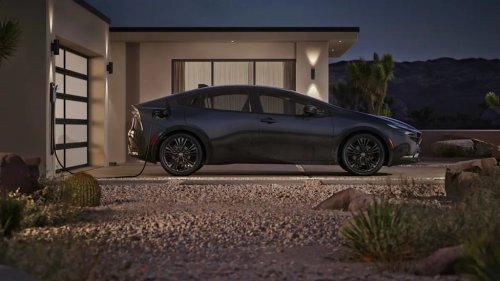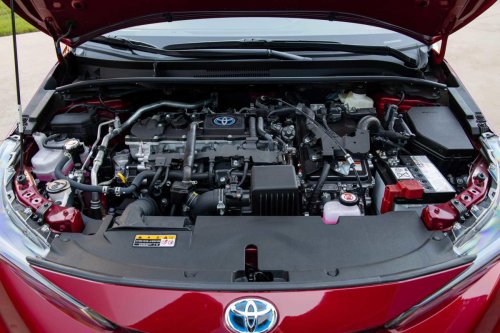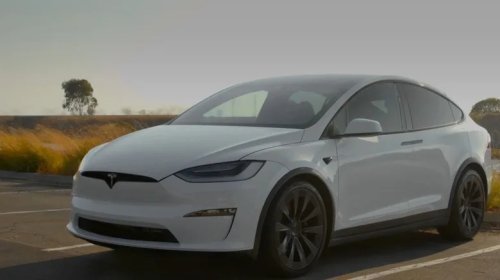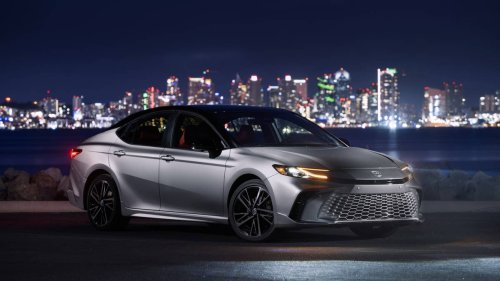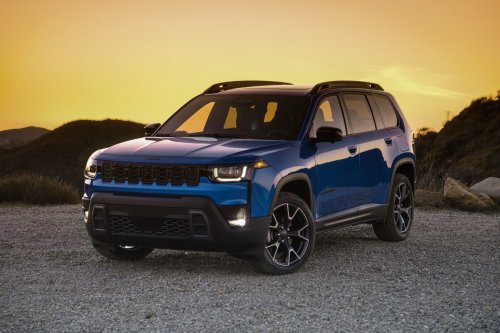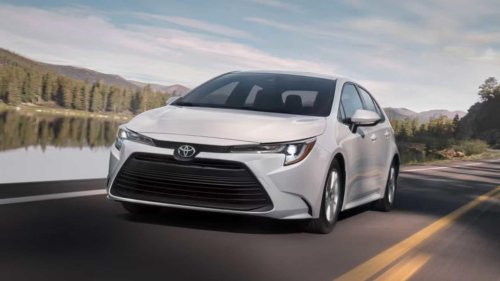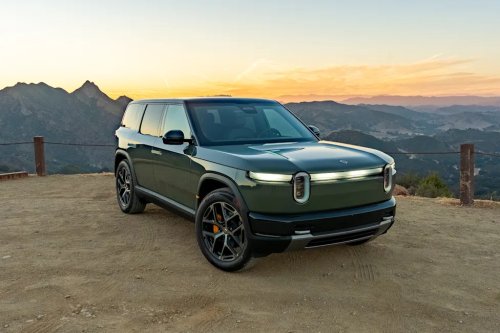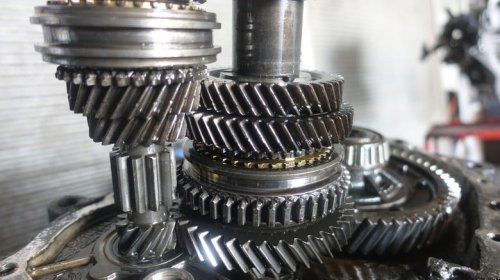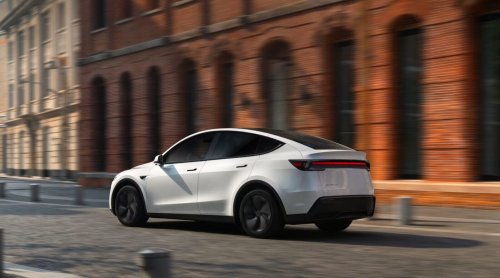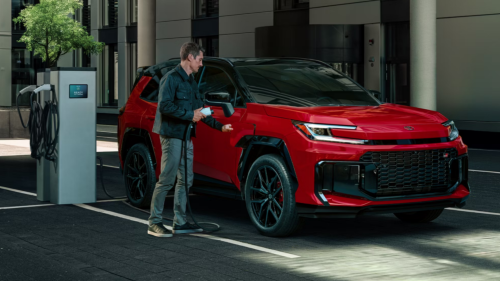
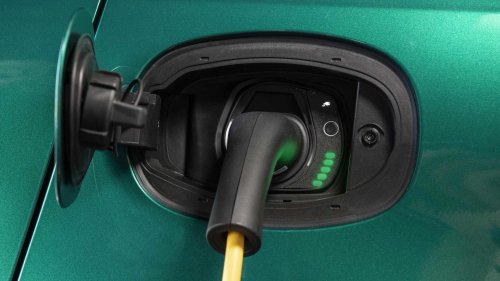

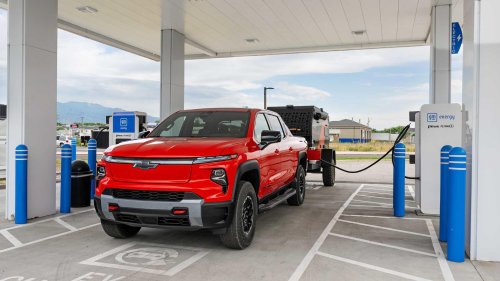
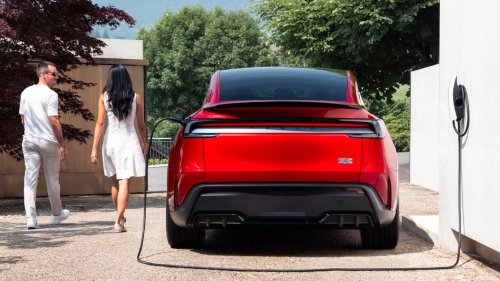
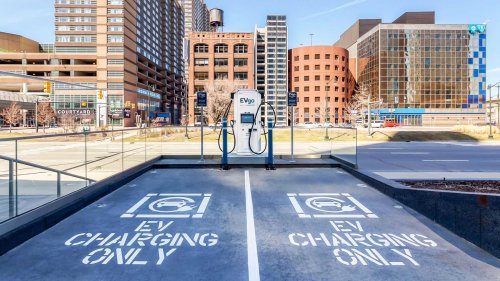
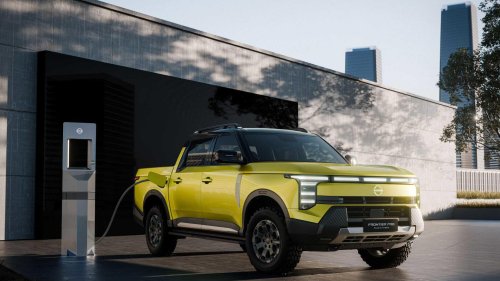
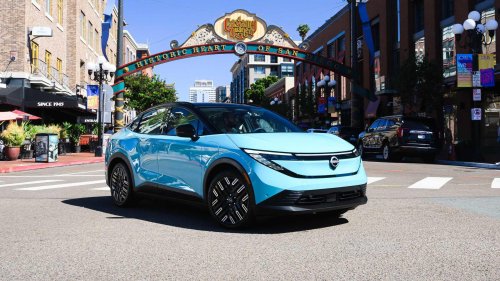
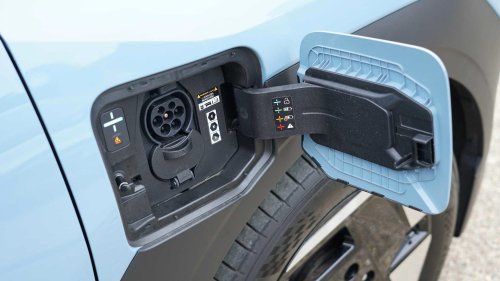



















Jump LinksThe Bridge Between Two WorldsPros & Cons Of Hybrid VehiclesPure Electric PropulsionPros & Cons of EVsTypes Of Hybrid PowertrainsEV Tech's Evolution Over The Last 10 YearsWhat are the disadvantages of a hybrid car?Is it worth buying EV or hybrid?Is a Tesla considered a hybrid car?If you haven’t been paying attention, there’s been a shift in the global automotive industry, with everything moving rapidly away from century-old combustion traditions toward an electrified future. As a consumer navigating this transitional era, you are not just picking between a sedan like the Toyota Corolla and an SUV like the Tesla Model X; you are choosing an underlying propulsion philosophy. At the center of this decision is the ongoing debate of hybrid vs electric mobility.The new-car buyer in 2026 must weigh lifestyle, infrastructure, and budget against environmental impact and rapid technological progression. This isn't about “early adoption” anymore, but about practical daily viability. To make an informed decision, consumers need to understand the engineering realities you will be living with, and understand exactly what you are buying. That is why we are exploring the difference between hybrid and electric cars today, equipping you with the knowledge needed to navigate this complex landscape.This article is not a buyer's guide, but rather an informative piece to highlight the primary differences between hybrid and electric vehicles. What Is A Hybrid Vehicle? The Bridge Between Two Worlds Toyota A hybrid vehicle combines two distinct power sources to propel the car: a traditional internal combustion engine (ICE) and at least one electric motor powered by an onboard battery pack. The main objective of this dual-powertrain architecture is to maximize fuel efficiency and reduce tailpipe emissions, but without sacrificing the driving range and quick refueling convenience associated with traditional gasoline or diesel vehicles. The internal combustion engine generally handles sustained high-speed highway driving, while the electric motor assists during acceleration, low-speed driving, and carrying heavy loads.Notably, in traditional hybrids, the battery is charged internally through regenerative braking - capturing kinetic energy normally lost during deceleration - and by the combustion engine acting as a generator. This means the driver never has to physically plug the vehicle into an electrical outlet. It is a transitional technology designed to offer immediate efficiency gains while circumventing the current limitations of public charging infrastructure, making an EV vs hybrid comparison highly dependent on daily driving habits and location. (We explore the various hybrid setups later in this article.) Pros & Cons Of Hybrid Vehicles Stellantis North America Evaluating the hybrid vs electric cars pros and cons requires an objective eye, and one that puts logic at the forefront.The Pros: No Range Anxiety: The most significant advantage of a hybrid vehicle is the total elimination of range anxiety associated with EVs (electric vehicles). Because it relies primarily on a liquid fuel tank, you can drive cross-country and refuel at any standard gas station in a matter of minutes. This makes hybrids exceptionally practical for high-mileage drivers or those living in regions where charging infrastructure remains scarce. Better Efficiency: Hybrids also deliver substantial improvements in urban fuel economy compared to traditional ICE vehicles. Stop-and-go traffic, which historically is the gas-powered vehicle’s Achilles heel, is exactly where hybrids excel, as the electric motor takes over during low-speed coasting and idling. Price: Additionally, the initial purchase price of a standard hybrid is generally lower than that of a comparable fully electric vehicle, which lowers the accessible financial entry point into electrified driving. The Cons:ChargePoint Complex Powertrain: The dual-powertrain setup introduces significant mechanical complexity to the vehicle. You are maintaining two propulsion systems - an engine with oil, spark plugs, and belts, plus a high-voltage battery pack and electric motor. This complexity can translate to higher long-term maintenance and repair costs once the factory warranty expires. Weight: Another downside is weight. Carrying both an engine and a battery pack adds mass, which negatively impacts driving dynamics and overall efficiency during highway cruising, where the electric motor is largely inactive. Emissions: While hybrids reduce emissions, they do not eliminate them; you are still burning fossil fuels. Driving Feel: Driving a hybrid vehicle, the transition between electric propulsion and internal combustion power isn't always seamless, occasionally resulting in a noticeable shudder under hard acceleration. Costs: On the financial side, the eventual need for a hybrid battery replacement can impact resale value in the long-term used market. What Is An EV? Pure Electric Propulsion Chevrolet An EV, strictly speaking, is a Battery Electric Vehicle (BEV) that relies entirely on a high-capacity lithium-ion or lithium-iron-phosphate battery pack to power one or more electric motors. There is no internal combustion engine, no exhaust system, and no liquid fuel tank. Propulsion is achieved purely through electrical energy that’s stored onboard the vehicle, which means that energy reserves must be replenished by plugging the car into an external electrical source - either a home wallbox or a public fast-charging station. This type of architecture represents a fundamental simplification of the automobile's drivetrain. Instead of thousands of moving parts required to ignite, contain, and convert small explosions into rotary motion, an EV uses electromagnetism to deliver instant torque directly to the wheels. The EV’s heavy battery is mounted flat beneath the floor, and this lowers the vehicle’s center of gravity. Pros & Cons of EVs Tesla When comparing electric vs hybrid cars, the pure EV presents a set of operational realities that rewrite the traditional ownership experience.The Pros: No Emissions: The absolute core benefit of an EV is zero tailpipe emissions, and a reduced carbon footprint - if those numbers matter to you. 'Simple' Maintenance: Mechanically, EVs are simple creatures. With no oil to change, no spark plugs to replace, and no complex multi-gear transmissions to service, routine maintenance costs are drastically lower than those of combustion or hybrid vehicles. Performance: Performance-wise, EVs offer a uniquely superior driving experience characterized by instantaneous torque delivery; acceleration is smooth, silent, and immediate, regardless of the vehicle's speed. Driving Feel: Because of EVs’ low center of gravity, they possess exceptional stability and handling dynamics that often rival dedicated sports cars. Convenience: Lastly, if you have a home charging unit, you have the benefit of charging your EV overnight and waking up to a "full tank" every morning. The Cons:© 2025 EVgo Services LLC. Used with Permission. Range Anxiety: The primary obstacle for large-scale EV adoption remains range anxiety and infrastructure dependency. While modern EVs offer impressive ranges exceeding 250 miles, long-distance travel requires meticulous planning around charging station locations, and public fast-charging still takes significantly longer (typically 20 to 45 minutes) than filling a gas tank. If you live in an apartment without access to reliable home charging, EV ownership can quickly become a logistical nightmare. Not to speak about the public charging network, which is fragmented and often plagued by reliability issues. Cost: The initial purchase price of an EV is generally higher than its hybrid counterpart. This cost is driven primarily by the immense cost of the raw materials required for the battery pack. Battery Issues: Speaking of the battery, there is also the long-term concern of battery degradation. While EV batteries are engineered to last a decade, they inevitably lose capacity, and a full out-of-warranty replacement can be a costly affair. Cold weather also impacts range negatively during the winter months. These complex factors make an EV versus hybrid decision a crucial one. Quick Overview Of Hybrid & Electric Powertrains Types Of Hybrid Powertrains Nissan The hybrid landscape is not a one-size-fits-all environment; it encompasses several distinct levels of electrification tailored to different use cases. EV Tech's Evolution Over The Last 10 Years 2026 Nissan Leaf Platinum+ Exterior 24 Front QuarterOver the past decade, electric vehicle technology has transitioned from a niche environmental statement to a mainstream automotive conversation. Ten years ago, EVs were characterized by limited ranges of sub-100 miles, extremely slow AC charging times, and quirky aesthetics. Today, the landscape is unrecognizable from then. Advancements in lithium-ion energy density and thermal management have pushed standard ranges well beyond the 250-mile mark, which has nearly eradicated range anxiety for most EV users. The advent of 800-volt electrical architectures allows modern EVs to accept ultra-rapid DC charging speeds, recuperating hundreds of miles of range in under 20 minutes. Simultaneously, software-defined vehicle architectures now permit over-the-air (OTA) updates, meaning cars can continuously improve their efficiency, performance, and autonomous driving capabilities long after they leave the factory floor. Which One Should You Choose: Hybrid vs. Electric? Michal Okonski/CarBuzz Determining which powertrain deserves your investment depends entirely on your specific lifestyle, driving environment, and access to charging infrastructure. If you regularly traverse vast distances, tow frequently, or live in a complex where overnight home charging is a logistical impossibility, a standard or plug-in hybrid is the most sensible choice. It offers immediate efficiency gains without forcing you to alter your routines.Conversely, within the broader hybrid vs electric market, if you have a dedicated garage with room for a wallbox charger, a predictable daily commute, and another vehicle available for rare cross-country road trips, a fully electric vehicle is the superior engineering solution. It offers lower running costs, a significantly refined driving experience, and shields you from the volatile geopolitical fluctuations of global oil prices. FAQs What are the disadvantages of a hybrid car? The primary disadvantage of a hybrid car is the immense mechanical complexity of housing two distinct powertrains. You must maintain an internal combustion engine alongside a high-voltage battery system. Is it worth buying EV or hybrid? If you can install a home charger and primarily commute within your city, an EV offers lower long-term running costs and zero emissions. However, if you regularly drive long, unpredictable routes or lack reliable home charging infrastructure, a hybrid is the way to go. Is a Tesla considered a hybrid car? No, every Tesla is strictly a Battery Electric Vehicle (BEV). Tesla does not manufacture any hybrid vehicles or vehicles containing internal combustion engines.