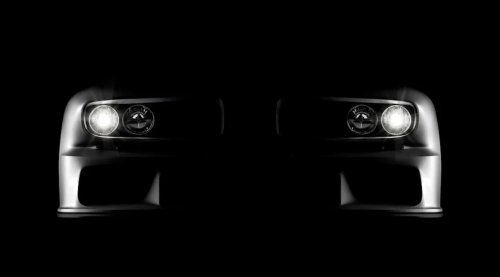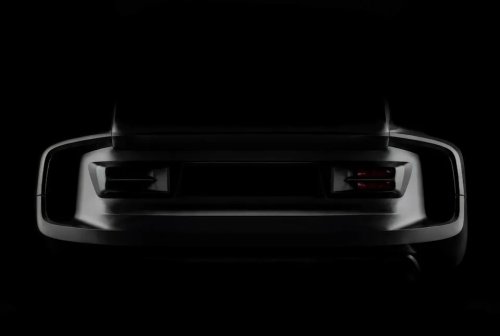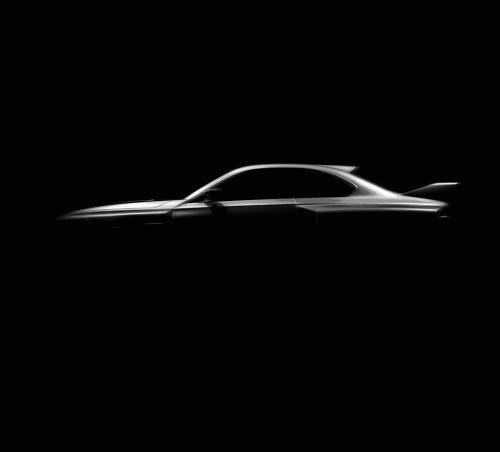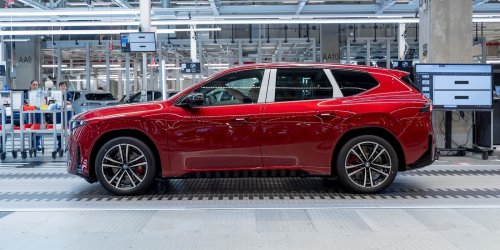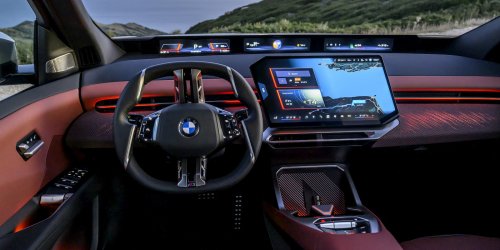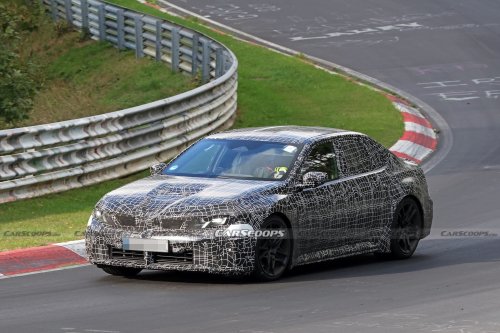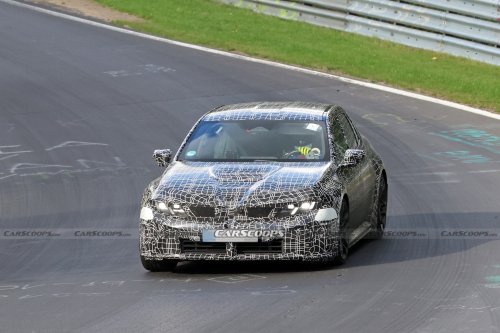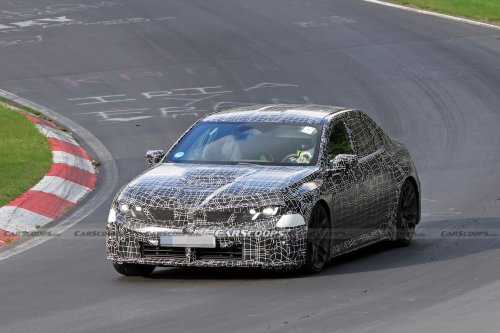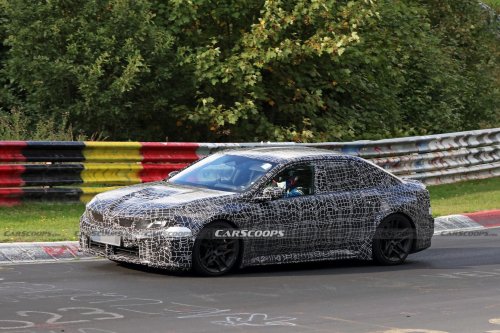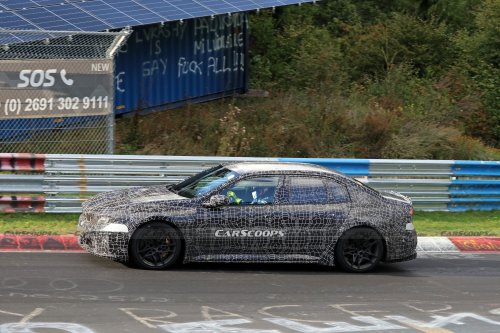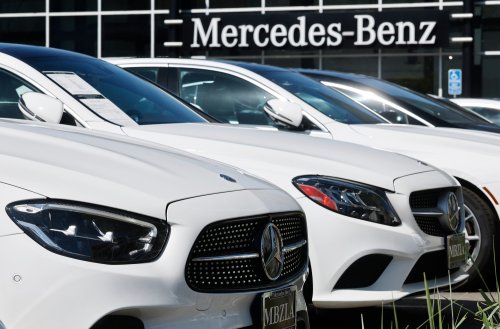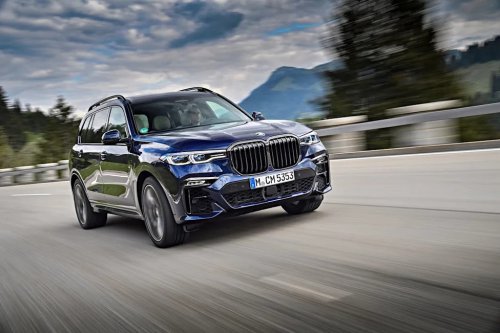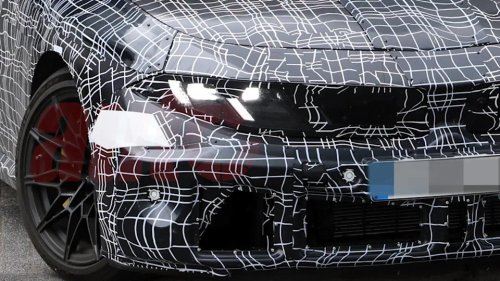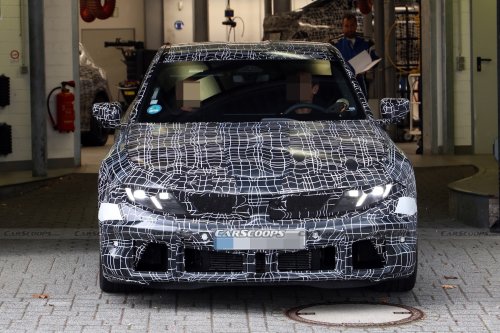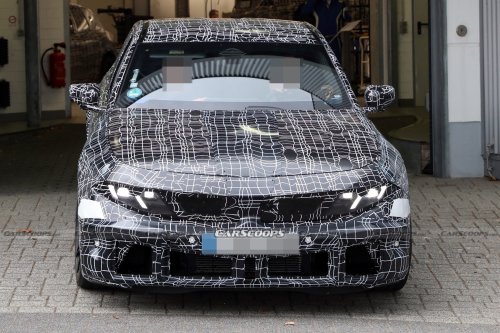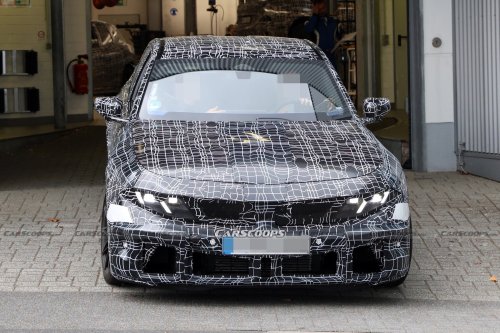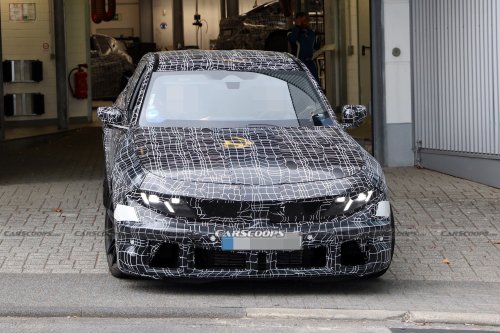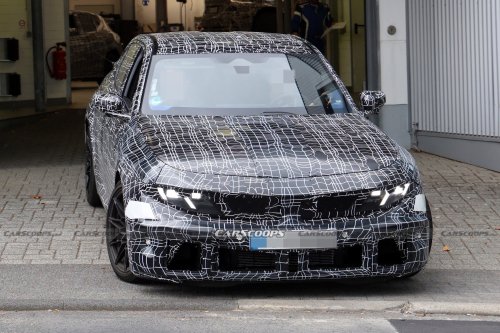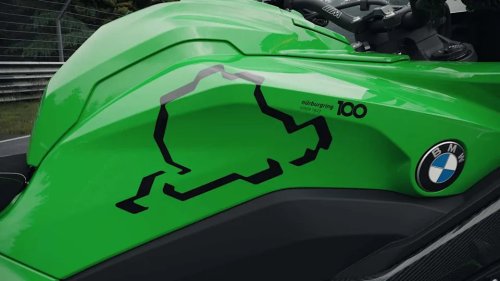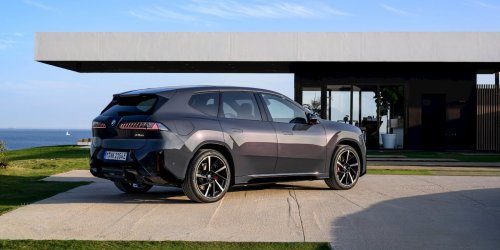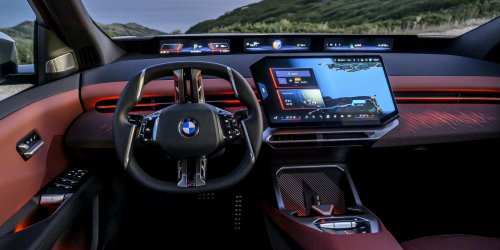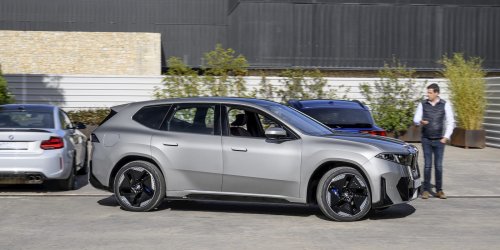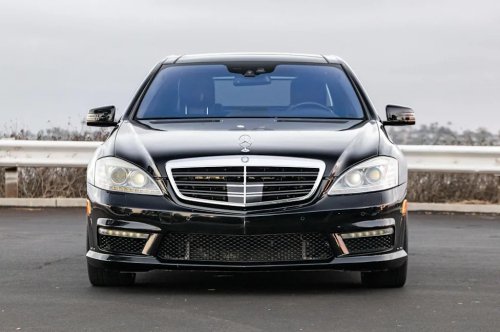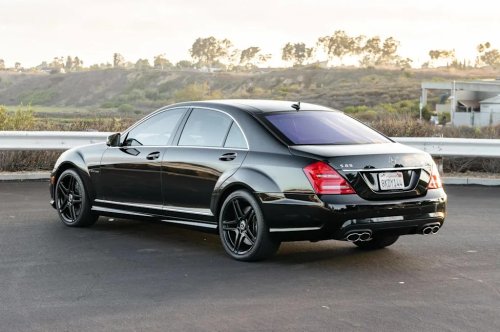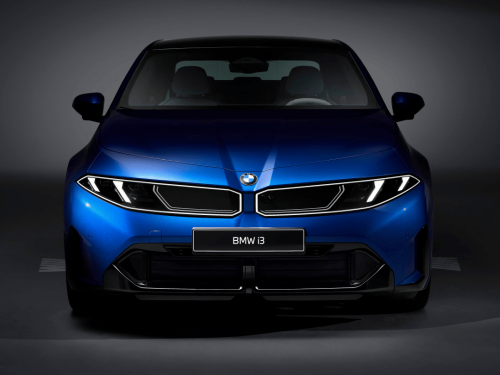
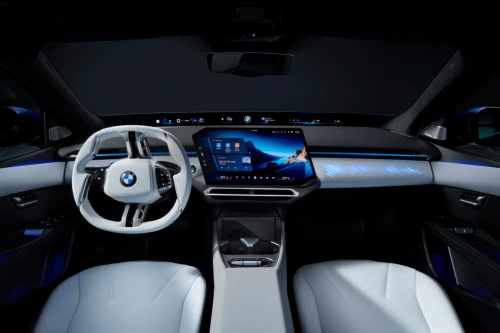
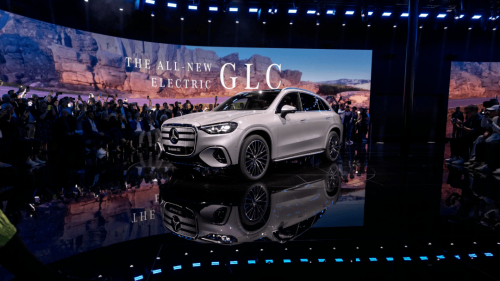
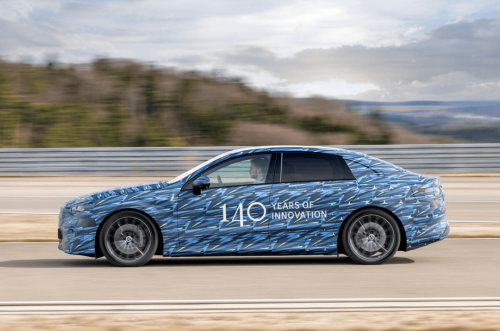
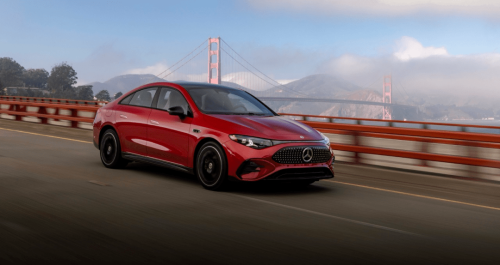
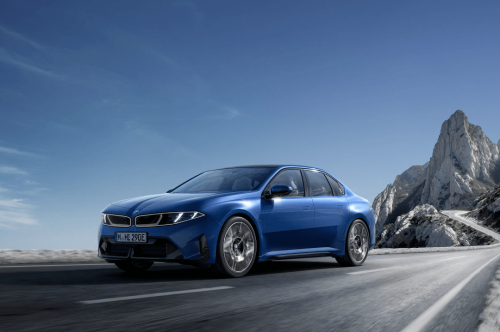



















BMW and Mercedes-Benz’s century-long head-to-head battle is entering a brand-new chapter in the pure electric era. Their classic rivalry will clearly continue in the age of electrification. BMW recently released official images and preview info for the first Neue Klasse sedan – the standard-wheelbase i3. With an 800V platform, cylindrical battery cells, 345kW total AWD power, and up to 900km WLTP range, paired with Panoramic iDrive and a free-form central screen, BMW calls it the smartest and most electric 3 Series ever. Its long-wheelbase version will make its official debut at the Beijing Auto Show in late April, paving the way for its China launch. Also set to appear at the same show is the all-electric Mercedes-Benz C-Class, the long-time arch-rival of the 3 Series since the gasoline era. Even though details are still limited, the two models are already widely compared in overseas communities, and their next round of competition has quietly begun. BMW Neue Klasse i3: Sporty Sedan Version of the iX3 BMW is riding strong momentum after the Neue Klasse-based iX3 made a strong start in Europe. Since its unveiling at the Munich Motor Show in September 2025, the iX3 has garnered over 50,000 orders in just six months. To meet demand, BMW announced earlier this year it would add a second shift at its Debrecen plant to boost iX3 production. BMW i3 Now BMW is pressing its advantage with the new i3. BMW i3 Key Specs SWB dimensions: 4760 / 1865 / 1480mm, wheelbase 2897mm China LWB version: wheelbase near 3 meters, length around 4.9 meters 800V architecture + cylindrical cells 50 xDrive AWD: 345kW (463hp) / 645N·m Battery: 109kWh (shared with iX3) WLTP: up to 900km; EPA 440 miles (708km); CLTC expected over 1000km Design & Chassis The i3 stays close to the 2023 Neue Klasse concept, with a full-width kidney grille and muscular hood lines. International media who’ve seen it in person say it looks better in real life and less bulky than photos suggest. Interior Inside, it follows the iX3’s minimalist theme with Panoramic iDrive, parallelogram central screen, “Jewelry Box” storage, and integrated IP and door trims. Chassis highlights: Double-wishbone front + five-link rear + adaptive suspension (iX3 uses passive suspension) Heart of Joy control system for precise, responsive handling ADAS co-developed with Momenta (LiDAR vs. pure vision unconfirmed) Mercedes-Benz C-Class EV: Comfort, Luxury and NVH Focus On the same day BMW revealed the i3, Mercedes lifted the curtain on its all-new C-Class EV with embargoed test-ride reports from overseas media. Built on the MB.EA platform, the C-Class EV will be longer and wider than the current gas model, with a lower, sleeker profile and steeper rear glass. It will feature the illuminated LED grille from the electric GLC. Interior is nearly identical to the electric GLC, with large screens and door-mounted seat adjustment buttons. GLC Chassis & Comfort Test-riders praise its excellent body roll control and NVH refinement: Double-wishbone front + five-link rear + air suspension Optional 4.5° rear-axle steering (North America) Stable, quiet, and smooth over rough roads Mercedes-Benz C-Class EV Power & Range Power for the AWD version is expected to be very close to the GLC 400 4Matic EV: around 483hp / 596lb·ft – slightly higher than the i3. Battery: 64–94kWh WLTP range: over 700km (noticeably lower than the i3’s 900km) Mercedes’ all-electric CLA (launched in 2025) has up to 89kWh battery and 792km WLTP range. Since the C-Class EV is larger and heavier, it will need a breakthrough in efficiency to exceed the CLA’s range. Mercedes’ all-electric CLA Not Just About Winning – A New Battlefield in China The century-old formula remains: Drive BMW, Ride Mercedes – and this distinction has been amplified in the electric era. For buyers, it’s not about which is better, but which fits: driving precision and long range, or luxury comfort and quietness. BMW Both cars will face intense scrutiny at the Beijing Auto Show – and they won’t just fight each other. They must compete with NIO, XPeng, Li Auto, Xiaomi and other Chinese EV startups. A harsh reality: Chinese consumers now favor domestic EVs over German premium electric models. Sales numbers reflect this: Mercedes all-electric CLA: just 21 units in February BMW’s top-selling EV iX1: 428 units in February For BMW and Mercedes, competing against each other is not enough. They must also outperform Chinese brands in technology and feature generosity. Otherwise, their rivalry means little. The real showdown has only just begun.