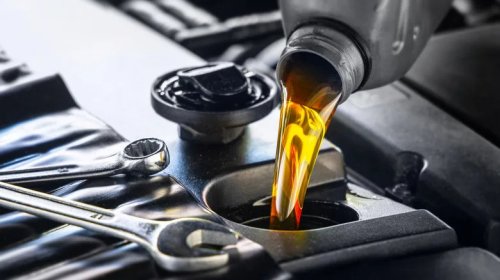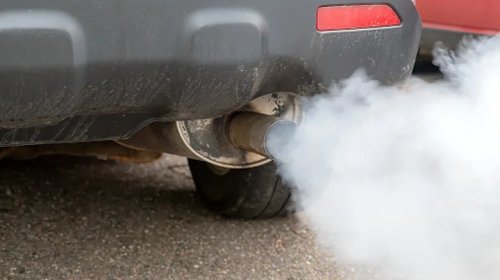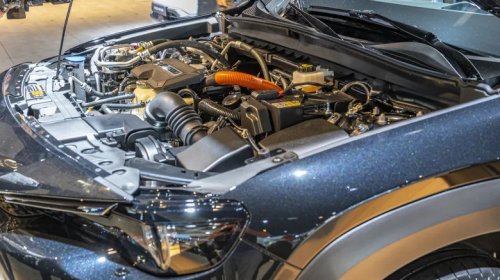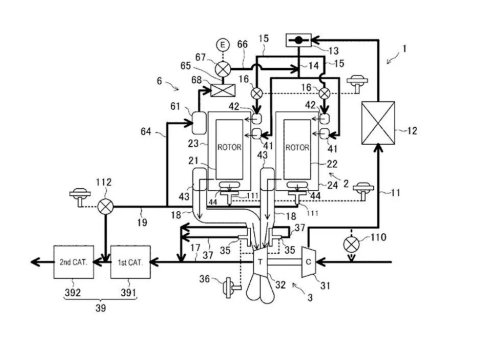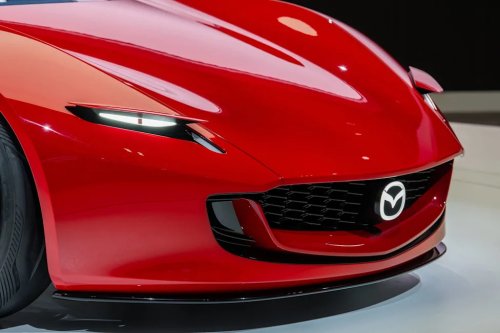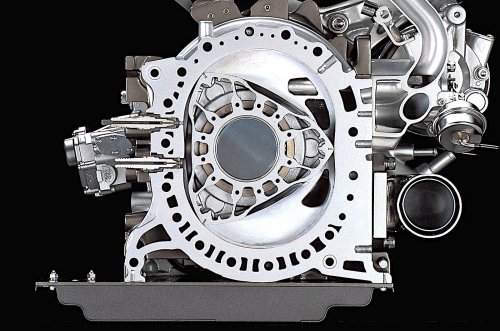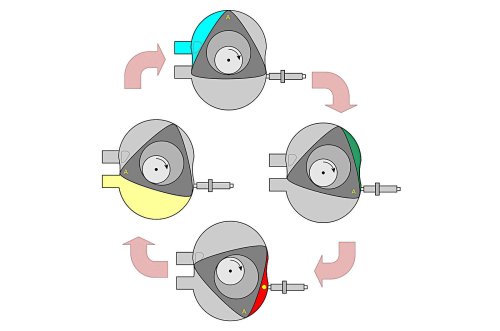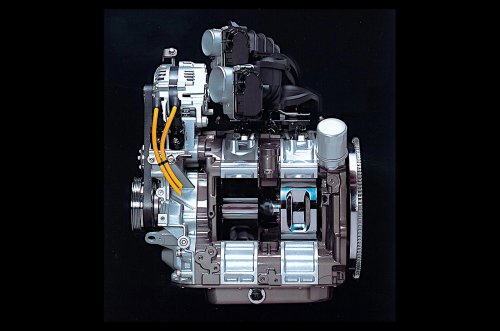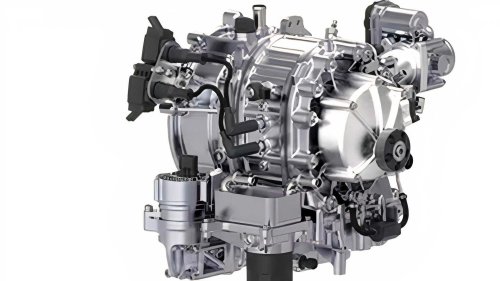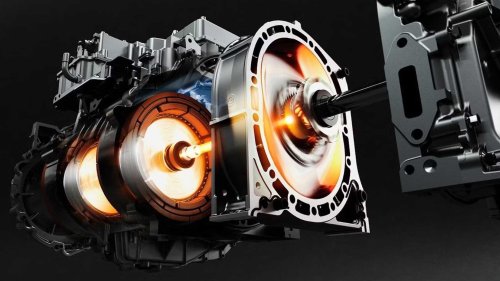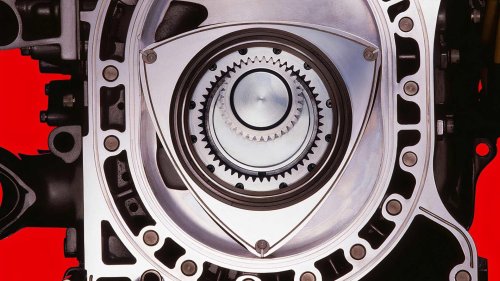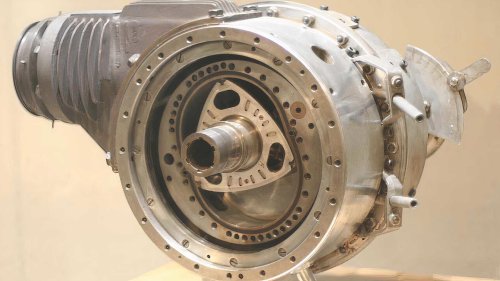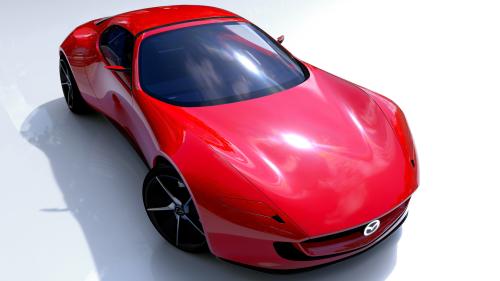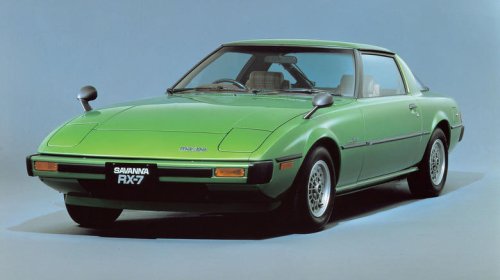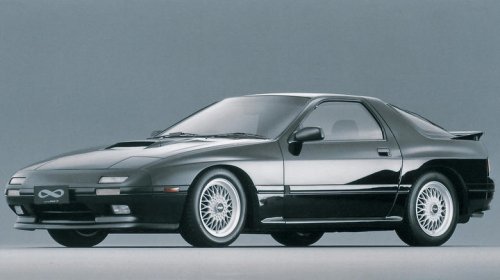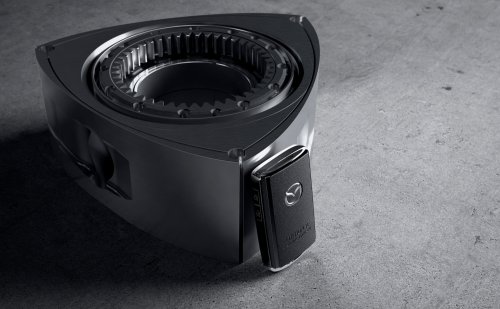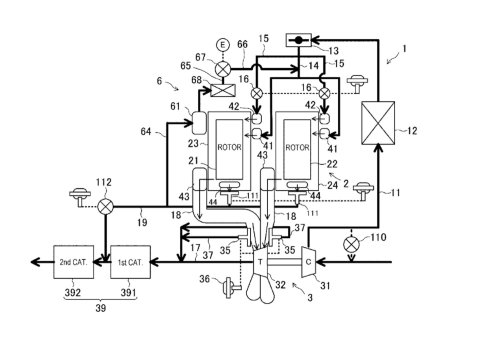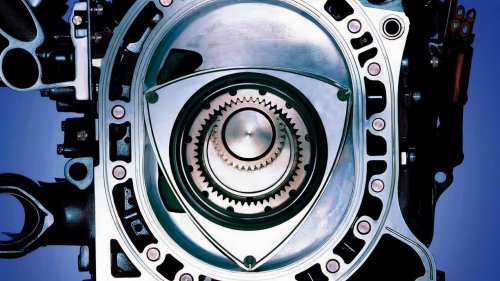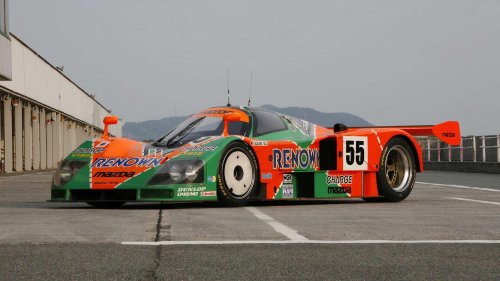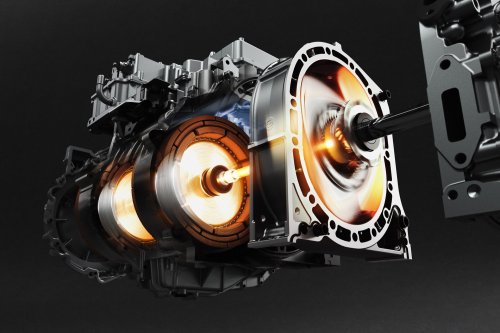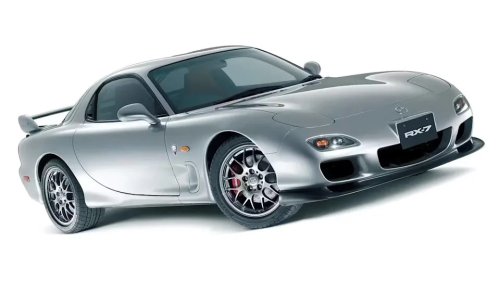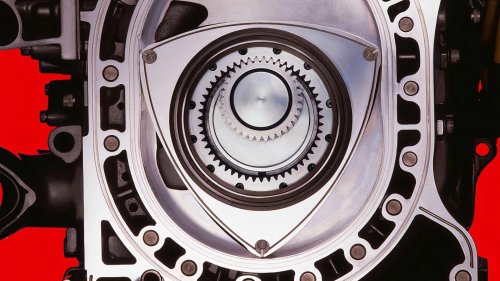


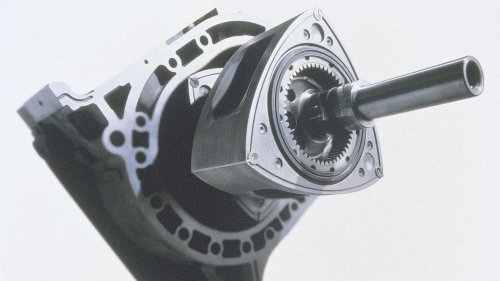
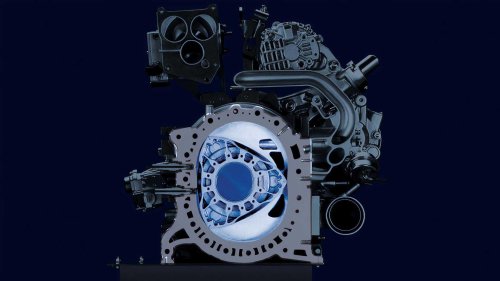



















Jump LinksSimplicity Is KeySilky Smooth OperationHigh RPM CapabilityApex Seal FailureOil ConsumptionDifficulty Meeting Emissions Standards Poor Fuel EconomyNot A Torque MonsterA Triangular Peg In An Oblong HoleNot every engine has a set of pistons that move up and down in a cylinder. The Wankel, or rotary engine, delivers its power with rotational force rather than a reciprocating mass that hammers out horsepower and torque. The rotary engine was not only an innovative method of internal combustion, but also one of the most polarizing powerplants ever available to the public. The rotary engine is best known for its use in the Mazda RX-7 and RX-8 sports cars, where it became quite iconic. Although it did offer some impressive performance from such a small package, it also came with a serious maintenance regimen that was not for the passive car owner. This article discusses the advantages and disadvantages of the intriguing rotary engine. Are rotary engines any good? You be the judge.Not all owners of cars that are equipped with rotary engines have or will experience any or all of the problems listed below. Always have a trained automotive technician properly inspect and diagnose your car for proper repairs. Pros Of The Rotary Engine Mazda Simplicity Is Key The beauty of the rotary relies on its simplicity. Thanks to the lower number of moving parts in a rotary, the engine's overall weight/dimensions tend to be lower/less when compared to a piston engine. The benefits of these characteristics come in the form of a smaller and more compact package, with a high power to weight ratio. In automotive design, this is a huge win as the engine is easily adaptable to smaller sports cars that typically have smaller engine bays. This not only saves weight, but can benefit a vehicle's handling characteristics and center of gravity, which are especially important in a performance capacity. Silky Smooth Operation A conventional piston engine's higher weight can lead to large vibrations when all the moving parts get going. The pistons alone must come to a complete stop and change direction, which is pretty wild to imagine, considering some high-performance engines, like the ones found in an F-1 car, can rev up to 15,000 rpm. The rotary engine inherently runs smoother because there is no reciprocating mass. The rotor does spin to a high rpm, but since the rotor's center of gravity orbits at a consistent radius around the eccentric shaft coupled with correct counterweights, an almost perfect primary balance is achieved. High RPM Capability The advantage of not having a reciprocating mass has many positive effects on the rotary engine. Another benefit from the lack of a reciprocating mass is the ability to spin at a higher rpm than a piston-driven engine. Not having a heavy crankshaft, connecting rods and pistons allow the rotary engine to spin freely, easily attaining 8,000+ rpm on later model versions. These higher rpms contribute to the impressive horsepower numbers that these small engines are able to achieve. Cons Of The Rotary Engine2005-2008 Mazda RX-8 Red Low Front Angled View Apex Seal Failure The apex seal is a key component in a rotary engine. Its function could be compared to a piston ring. The apex seals can be described as metal blades that are precision machined to guarantee a complete seal while the rotor spins in the combustion chamber. These apex seals are positioned in the three points or corners of the rotor and are exposed to large amounts of heat and friction. Because of these conditions, the apex seals are prone to wear, which leads to a loss of compression over time. As this happens, performance gradually diminishes. This can ultimately lead to engine failure, or a complete engine overhaul. Oil Consumption Typically, an engine that burns oil needs maintenance and repairs. In a piston engine, valve seals or piston rings are usually the culprits. The rotary engine intentionally burns oil. As the working faces of the apex seals scrape along the internal combustion surface of the engine, they must be lubricated. This helps to create a better seal for compression and keeps the apex seals from wearing prematurely. The rotary engine intentionally injects a small amount of oil into the chambers of the engine housing to keep things lubricated. This is somewhat similar to a piston engine in which oil can splash up onto the cylinder walls, but the piston rings scrape it back down and keep it from entering the combustion chamber. It's crucial that owners of cars with rotary engines check the oil level regularly and plan to add oil often. Difficulty Meeting Emissions Standards The rotary engine struggles to meet the ever-tightening emission standards. The elongated shape and constantly moving nature of its combustion chambers lead to poor fuel economy. Since the combustion chambers are constantly changing shape and volume, it creates a high surface area to volume ratio, essentially spreading the heat generated by the combustion process across a large surface. This results in heat energy escaping through the engine housing instead of being converted into mechanical energy. The end result is incomplete combustion leading to an exhaust very high in hydrocarbons and unburned fuel.Wikimedia Commons Poor Fuel Economy Poor fuel economy is also the result of the poorly shaped combustion chamber. The elongated chamber created by the rotor and the housing wall create a less than ideal area for complete combustion. In many cases, the air fuel charge does not get completely burned before it gets pushed out of the combustion chamber into the exhaust. Because of this, a rotary engine can consume as much as 30% more fuel than a piston engine of similar size. Not A Torque Monster Mazda Although the rotary engine does produce torque, its torque output is relatively low when compared to a conventional piston engine. The design of the rotary engine prioritizes high rpm, smooth operation, and horsepower production. Further, a rotary engine doesn't really start to produce its torque until it's higher up into its rpm range. The piston engine has a significant advantage as far as torque production is concerned. In a piston engine, the stroke of a piston has a mechanical advantage on the crankshaft, especially an engine that is undersquared, (the piston stroke measurement is longer than the cylinder bore measurement is wide), producing torque. The rotor just doesn't have a similar mechanical advantage to the eccentric shaft that it interacts with. The Disappearance Of The Rotary Engine A Triangular Peg In An Oblong Hole Mazda As interesting and unique as the rotary engine is, it's too dirty, requires too much maintenance and can't achieve the fuel economy that piston engines of similar and larger size are capable of. Smooth running, with a great power to weight ratio, the rotary engine seems as though it's best suited strictly for competition use. Having a rotary engine for daily driving meant constant oil level monitoring and adding oil, not if, but when it gets low. Further, due to the nature of how the rotary engine operates, it's not uncommon for one to need a complete rebuild at or around the 100,000-mile mark.Coupled with the fact that not many owners knew how to properly maintain and/or repair a rotary engine when it broke, widespread use across a broad range of makes and models was not feasible. However, there is still hope for the rotary engine, as it may be making a triumphant return, but maybe even not at the hands of Mazda. Looking forward, it will be interesting to see if there will be a next generation rotary engine, what it will be capable of and how it may fit into an auto industry dominated by the piston engine."An engine should rotate, not hammer."- Felix Wankel .