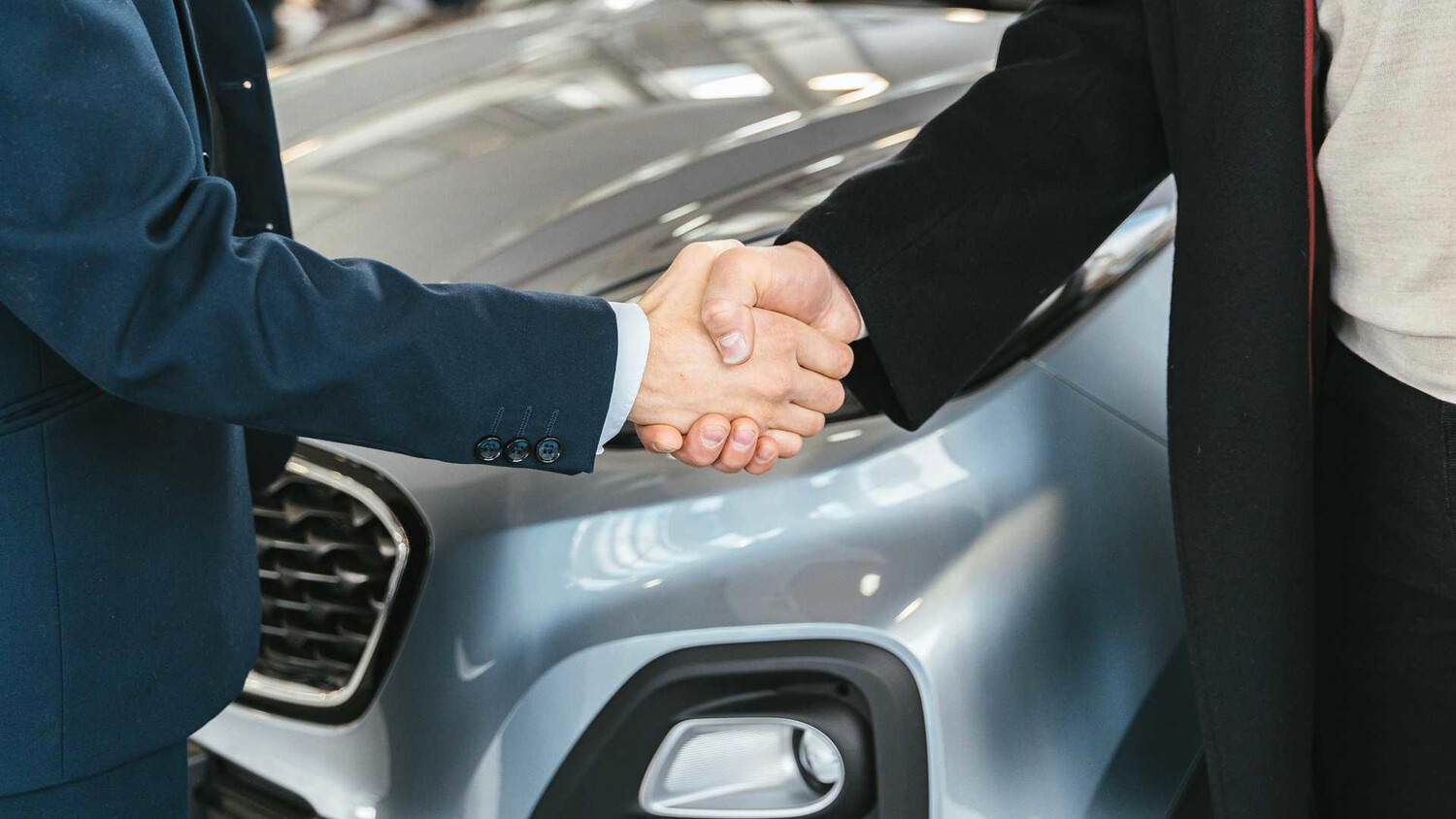
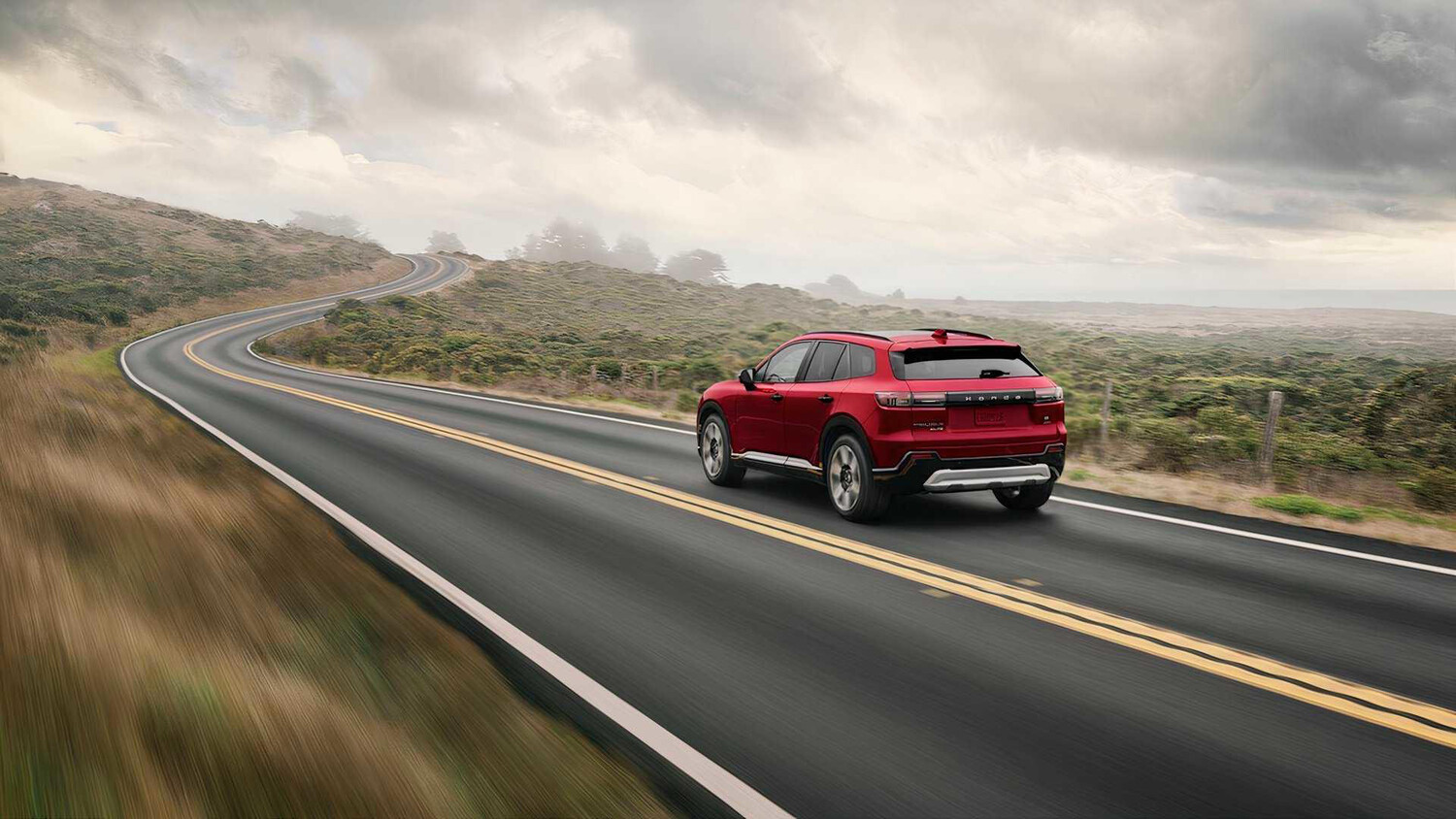
If you are looking to get a new car in your driveway - whether that's a Mazda MX-5 Miata or a family hauler like a Toyota Sienna - all of the many deals and incentives on offer can get confusing. However you choose to go about it, the most important question you will need to answer is this: Should you actually buy, or is leasing a car a good idea? We should state from the outset that the answer to this question will largely depend on what you need a car for, what your income is, and how likely it is to change, how far you drive, and how long you want to keep whatever car you are looking for. With so many factors going into the equations, it isn’t possible to come up with a definitive resolution for the leasing vs buying a car debate.What we can do, however, is compare all the differences between leasing and buying as well as look at the pros and cons of buying and leasing a car so that you can at least begin to answer the question of which of the two is right for you. You can also expect some tips on how to go about buying or leasing, depending on which road you end up going down.The purpose of this article is to provide an overview of the differences between buying and leasing with insights based on what the costs and the terms of either agreement look like in the present day. All information should be supplemented with careful consideration for your unique financial position. Leasing vs Buying A Car: What’s The Difference? Antoni Shkraba Studio / PexelsTo put it in awfully simple terms, when you buy a car, you own it, but when you lease a car, you don’t. The way in which people go about buying a car to own it is not necessarily that simple, though. You can, of course, buy a car with cold hard cash - i.e. pay the full value of the car, whatever that is, in one upfront payment - but buying cash is only possible for people who have been saving their pennies for many years or have suddenly come into a huge windfall of money. These days, most people instead enter into an agreement with a lender in which, after being approved, they will finance their car in monthly installments until they own it outright. The more payments are made, the more of the car they own, and car loan terms usually last five to seven years, depending on the car's value."Choosing whether to buy a car or lease can be an important financial decision. The most important factor to consider is that leasing is like renting, and your payments won’t go towards owning the car, unless there’s an option to purchase it. Instead, you’ll need to return the car once the lease ends."- Consumer Financial Protection BureauWhen you lease a car, you will still be forking out money every month to keep it, but those payments are not payments towards ownership; rather, they are so you have permission to keep driving it. There is also usually a down payment that has to be made at the start. Leases do come to an end, usually after three years or so, at which point you have to give the car back, although you can buy the car for an amount agreed upon before the start of the lease if you so wish. Leases should really be thought of as an extended rental scheme, as there are limits to how far you can drive a car and what you can do with it during the agreement. The Pros And Cons Of Leasing Antoni Shkraba Studio / Pexels Pros Looking at the differences between buying and leasing, and the fact that more people do the former than the latter, it is hard to see how there can be any benefits to not owning a car, but leasing remains the best option for some for several reasons.Firstly, it costs less to lease a car than it does to buy, both in terms of the down payment at the start and also the monthly payments, meaning that the same budget can potentially get you a more premium model if you’re willing to lease.You are also less likely to have to deal with depreciation and later-life problems because the car will most likely be newer, and you won’t have it for as long. At the end of the lease, you don’t have to sell the car; you simply give it back, and you can then pick another car to lease once you have. Cons "When you lease a car, you’re paying for the right to use it for an agreed amount of time and miles."- Federal Trade Commission, Consumer AdviceThe problems with leasing, apart from the fact that, of course, all that money you spend in order to keep borrowing the car does not contribute to ownership and, therefore, could be considered as money down the drain, are the restrictions that apply during a lease agreement.Leasing a car typically entails agreeing not to drive more than a certain number of miles a year, and the annual mileage limits usually tend to be around 15,000 miles with 25 to 50 cent per mile penalties for going over. If you want to make any modifications to the car, they will have to be approved, and it can’t be anything you’re unable to reverse when the lease is up.You need a good credit score to enter into a lease in the first place, and if you find you either can’t or don’t want to see out the agreement, there is a significant charge for exiting it early. The Pros And Cons Of Buying Gustavo Fring / Pexels Pros Apart from the simple and obvious fact that if you buy a car, you can own it, with that ownership comes much more control over what you’re allowed to do with it. While leasing usually happens with new cars, buying used means you can have any model, past or present.You can keep the car long enough for it to be run into the ground if you want to, and there are zero limits on how far you are allowed to drive every year.You can customize your car to your heart’s content and tow whatever your car can manage. Of course, if you do decide you don’t want to own the car anymore, you can sell it and get some money back for it rather than just having to return it for another car that will continue to eat into your monthly income. Cons Despite it being the more popular choice, there are some drawbacks to buying a car that might be enough to make the difference for some people when deciding if they want to lease vs buy a car.Firstly, if you finance your car in monthly payments and, of course, most car buyers do this, the difference between lease and finance for a purchase is that the latter costs more per month. While you can at least hope to own your car by the end of it, loan terms are getting longer and longer as cars get more and more expensive. Seven-year or 84-month loans are now very much a thing, so you are clearly making a long-term commitment by choosing this path.If there is any depreciation over the ownership period or there are any repairs that need doing, it will be you that shoulders the bill for them (unless it is under warranty). Having to sell your car when you are done with it can also be a hassle. Which Is Right For You? When To Buy A Car Honda While we are not able to definitively say whether buying and leasing is best for your individual use case, we can give a broad summary of the situation in which you should look to buy a car outright. If you live in a rural or semirural area and have to drive in order to get to many amenities people who live in a city can just walk or use public transport to get to, you won’t want to have to worry about any annual mileage limits. If you want to be able to tow a boat or a trailer without restriction or turn your car into an upgrade hero, buying is also for you.A car buyer is someone who wants to keep a car for a long time, doesn’t mind if it isn’t new and doesn’t want to have to keep getting used to a different car every few years. If you want to have any equity in your car rather than forever paying lenders, it is the only option. When To Lease A Car Jeep If you are someone who doesn’t do a huge amount of miles every year, perhaps because you live in an urban area and will only use a car for venturing beyond the city limits, the mileage restrictions of a lease deal won’t be a concern. A person who leases a car is someone who is able to maintain a healthy credit score and has a financial situation that isn’t likely to change in a way that would suddenly make paying $400 a month unaffordable.You may also want to consider leasing if it is an EV you are in the market for. Depreciation has been a massive money-loser for people that have bought EVs, so leasing should mostly shield you from this as well as unlocking all the best EV incentives from the government. A person who leases a car is someone who always has to have the latest technology and doesn’t want to be stuck paying for a car for seven years when a new breakthrough feature is only one year away. If you don’t want to have to sell your car, especially if you have to fix a bunch of things on it in order to make it sellable, leasing is for you. Some Tips For Buying And Leasing Daniel Andraski / Pexels Hopefully, you will now have a better idea whether buying or leasing is right for you based on your individual use case, which, of course, is different for every person.Regardless of whether you are looking to lease or finance a car, having a healthy credit score is important. If you are looking to negotiate a deal for a lower price, your credit score can be a good bargaining chip, even if it's just to get the down payment lower on a lease deal. Given the current economic climate and lending institutions tightening their standards, this is now more important than ever.Do your homework to work out exactly which option will provide you with the most value for money. Unless you can just buy a car in cold hard cash, you will be paying monthly payments, and it will be more expensive than just for leasing. If you pay $3,000 as a down payment for a car worth $45,000, you will pay roughly $550 a month, but in a finance deal with the same down payment, an interest rate of 7.5% would have you paying $840 a month. It doesn’t take a genius or even a calculator to work out that, over three years, leasing is cheaper, but if you plan on owning the car for its whole life, it’s worth it.Leasing may be cheaper in the short term, but buying makes sense in the longer term. Whatever you choose, taking good care of the car and following the maintenance schedule is key. If you own a car, it will be much more difficult to sell if it has a number of issues that need fixing and if you lease a car, there will be extra charges for excessive wear and tear. Whichever of the two you choose, you will probably be wondering exactly how to go about it and that is why we have got some tips which should help. Know your credit score - get your hands on a credit report first Look at pricing of the car you're interested in before you even start negotiations Make sure you know the total costs - not just monthly payments Consider waiting and saving for a down payment - valid for either leasing or buying a car Research the value of trading in your old car, if you have one and how that affects your finances Compare between dealers and financial institutions for the best possible deal