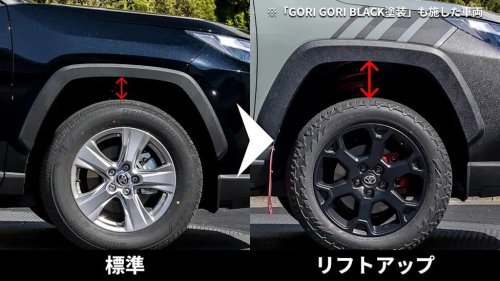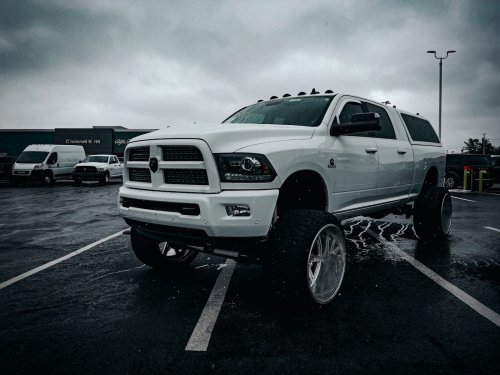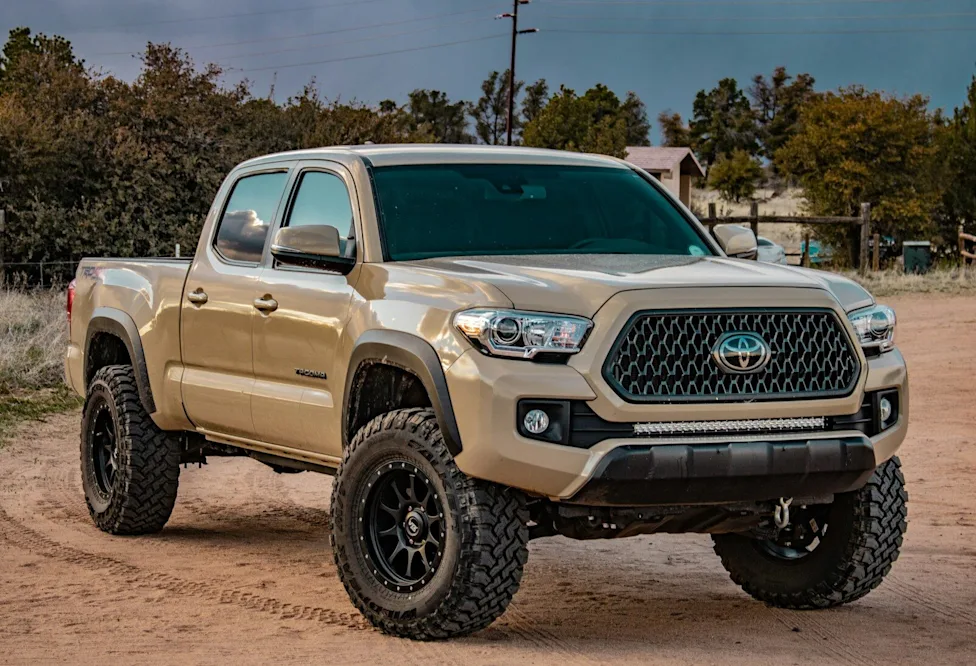



















Lift Kit vs. Leveling Kit: Stop Buying the Wrong One for Your TruckFew upgrades spark as much confusion among new truck owners as the decision between a lift kit and a leveling kit. They sound similar, they both raise your truck, and they're often sold side by side. But they solve very different problems, and choosing the wrong one is an expensive way to learn that lesson.A leveling kit does exactly what the name suggests. Most trucks roll off the factory line with a slight forward rake, meaning the front sits lower than the rear. This is intentional, since manufacturers build in room for towing and hauling loads that squat the back end. A leveling kit raises the front of the truck, usually between one and two and a half inches, so it sits flat. It's an affordable upgrade, often just a set of strut spacers or torsion keys, and it lets you fit slightly larger tires without major surgery.A lift kit is a far bigger commitment. It raises the entire vehicle, frequently four inches or more, and it exists to create serious ground clearance for off-road work or to fit aggressive oversized tires. Lift kits come in two main flavors: suspension lifts, which modify the actual suspension geometry, and body lifts, which raise the body off the frame using spacers while leaving the suspension untouched.AdvertisementAdvertisementThe cost difference is dramatic. A leveling kit might run you a couple hundred dollars installed, while a quality suspension lift can easily climb into the thousands once you factor in new shocks, control arms, and the alignment work that follows. And that's the part people forget: lifting a truck throws off your alignment, can require driveline corrections, and may even mean recalibrating your speedometer once those big tires go on.So which one do you actually need? If your goal is cosmetic, you want to ditch the factory rake, and you'd like to squeeze on a modestly larger tire, a leveling kit is almost certainly the right call. If you're building a genuine off-road rig, crawling over rocks, or running 35-inch tires, you're in lift kit territory and should budget accordingly. Be honest about how you actually use your truck, not how you imagine using it on the weekends.Whichever route you choose, buy quality components and have the work done by someone who understands suspension geometry. A cheap lift installed poorly doesn't just ride badly, it wears out your tires and components prematurely and can make the truck genuinely unsafe at highway speed. Spend the money once, do it right, and your truck will reward you for years.