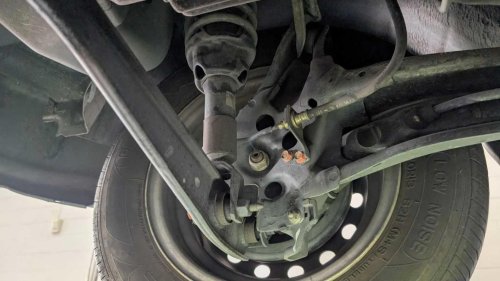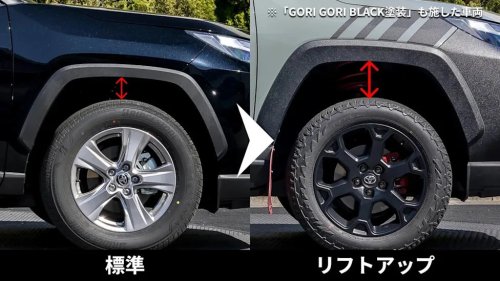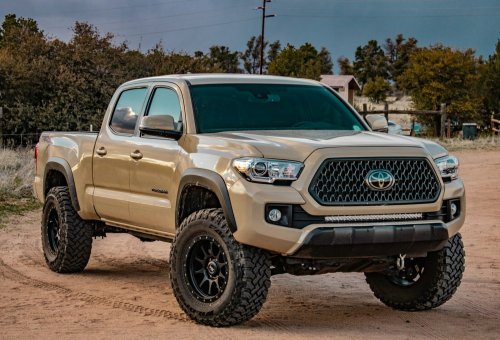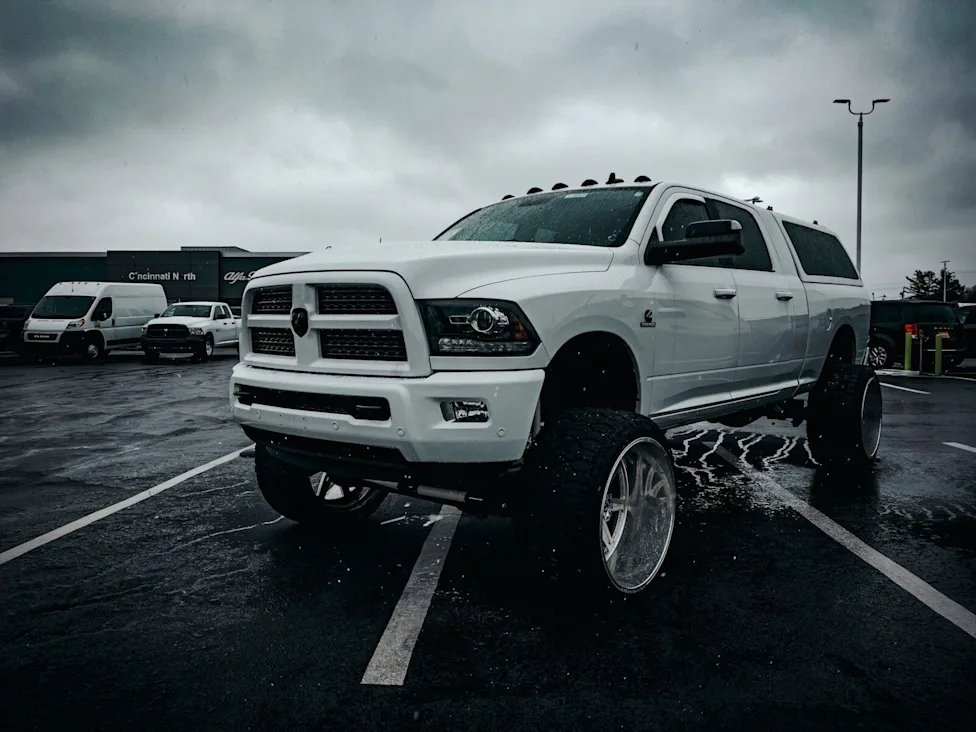



















Lift Kit, Leveling Kit, or Body Lift? Here's How to Actually ChooseFew truck upgrades are as misunderstood, or as frequently bought wrong, as suspension lifts. The terms lift kit vs leveling kit get thrown around interchangeably, but they solve very different problems at wildly different price points. This guide explains exactly what each option does so you can choose confidently instead of guessing.Check This Out: Best Dash Cams of 2026: How to Choose the Right One for Your VehicleLeveling Kits: The Stance FixMost trucks leave the factory with a slight forward rake, sitting lower in the front than the rear. A leveling kit raises the front roughly one to two inches so the truck sits flat and can clear slightly larger tires. It is the cheapest, simplest option and the right choice for the majority of owners who just want a better stance and a bit more tire clearance. For the full breakdown, see our dedicated explainer on the lift kit vs. leveling kit decision.Suspension Lift Kits: Real CapabilityA suspension lift raises the entire vehicle, typically four to six inches or more, by replacing or supplementing springs, shocks, control arms, and related components. This is what you want for serious off-road clearance and large tires. It is also the most expensive and most involved option, often requiring driveline and alignment work to do correctly.Body Lifts: Tire Clearance Without the Suspension CostA body lift uses spacers to raise the body off the frame, creating room for larger tires without changing suspension geometry. It is cheaper than a full suspension lift and preserves the factory ride, but it does not improve ground clearance under the axles, where it matters most off-road.What Each Option CostsLeveling kits are the budget pick, often a few hundred dollars installed. Body lifts sit in the middle. Full suspension lifts climb quickly once you add quality components, alignment, and the larger wheels and tires they enable. Factor the whole package, not just the kit price.The Hidden Costs Nobody MentionsLifting a truck affects more than ride height. Expect changes to fuel economy, speedometer accuracy, headlight aim, and driveline angles. Bigger tires add rotational mass that can dull acceleration and braking. Recovery angles change too, which matters if you ever get stuck, so review our essential off-road gear guide alongside any suspension work.Matching the Build to Your Truck and GoalsThe current generation of trucks is leaning hard into capability, as we saw with the 2027 Chevy Silverado doubling down on V8 power. Whatever you drive, start with how you actually use the truck. Daily driver with occasional dirt roads? A leveling kit is plenty. Dedicated trail rig? Budget for a proper suspension lift and the supporting parts to back it up.Bottom LineBuy for the job, not the look. A leveling kit satisfies most owners, a body lift is a budget tire-clearance trick, and a full suspension lift is for those genuinely chasing off-road capability. Understanding the difference saves you from the most expensive mistake in the aftermarket: buying the wrong thing twice.Common Lift Mistakes to AvoidThe most frequent error is lifting more than needed for the look rather than the function, then dealing with the downsides for years. Other mistakes include skimping on supporting components like control arms and shocks, ignoring required alignment and driveline corrections, and failing to recalibrate the speedometer for larger tires. A lift done halfway often handles worse than stock.How a Lift Affects Daily DrivingRaising a truck changes its center of gravity, which can increase body roll and affect emergency handling. Larger tires add unsprung weight that dulls acceleration and lengthens braking distances. Fuel economy almost always drops. None of these are reasons to avoid a lift, but they are realities to weigh honestly against the benefits you actually want.Matching Wheels and Tires to Your LiftA lift is only half the equation; the wheels and tires complete it. Proper backspacing prevents rubbing, and the right tire size balances clearance against drivability. Our guide to the best all-terrain tires walks through sizing and load range so your suspension investment actually delivers capability.Lifting for Towing vs. Off-RoadIf you tow, understand that lifts change hitch geometry and can complicate weight distribution, as covered in our towing safety guide and our piece on improving towing capacity safely. Off-road builds prioritize articulation and clearance instead. Decide which job matters more before you choose a setup, because the ideal configuration differs significantly between the two.When to Leave It StockPlenty of trucks never need a lift at all. If your driving is mostly pavement with occasional dirt roads, factory suspension with good tires may serve you perfectly. The smartest money is spent on what you actually use, not on chasing a look you will pay for at the pump and in handling every day.AdvertisementAdvertisementRead Next: The 10 Best Outdoor Knives of 2026: Top-Rated Picks for Hunting, Camping, and SurvivalThe Bottom Line on Suspension ChoicesSuspension is one of the few upgrades that touches everything: ride, handling, capability, and even safety. Approach it deliberately, match the setup precisely to how you use the truck, and invest in quality supporting components rather than just the cheapest kit that achieves a height. A thoughtfully chosen, properly installed suspension transforms a truck for the better, while a rushed one creates problems you will fight for as long as you own the vehicle.