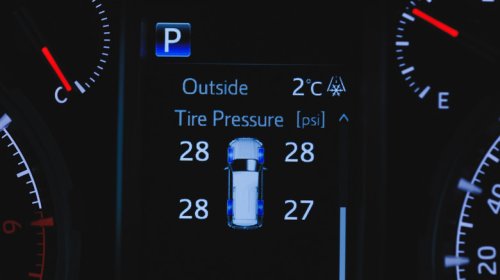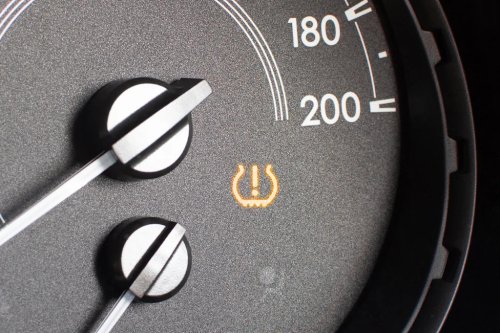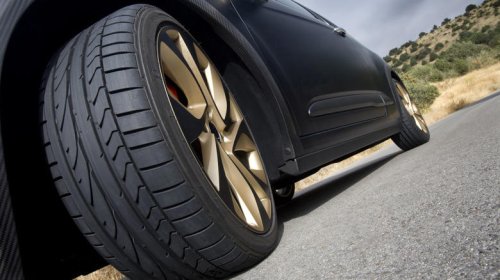























Joe Kucinski | How-to GeekThanks to the TREAD Act, which became law in November 2000, every vehicle sold in the U.S. has been required to have a tire pressure monitoring system (TPMS) since 2007. This potentially life-saving technology alerts drivers when tire pressure drops below the recommended threshold.Ironically, the first vehicle to introduce this innovation was a German supercar that wasn't initially legal for U.S. roads. The Porsche 959, which debuted in 1986, paved the way for the technology we now take for granted.Despite being required for nearly 20 years, TPMS can still be confusing for many car owners. One reason is that the system often needs to be reset regularly. For example, getting a new set of tires or rotating the ones you have often requires a TPMS reset. And reset procedures can vary significantly between different vehicle manufacturers.There are two different types of TPMSDirect versus indirect systemsUnbeknownst to many vehicle owners, there are two types of TPMS systems. There is an indirect TPMS and a direct TPMS.AdvertisementAdvertisementAn indirect TPMS never actually measures air pressure inside the tire. Instead, it uses the same wheel speed sensors that power the anti-lock braking system (ABS). The VW Jetta is one example of a vehicle that relies on the indirect method.When a tire loses air, its diameter shrinks slightly, causing it to rotate faster than the others. The vehicle's computer detects this difference in wheel speed and determines that a tire is likely underinflated, triggering the warning light. It's a clever, low-cost solution, but because it estimates pressure rather than measuring it directly, it usually requires periodic recalibration after tire service.The Corvette uses a direct TPMS, a system that measures tire pressure exactly as its name suggests. Each wheel contains a battery-powered sensor that continuously monitors air pressure (and often tire temperature) and wirelessly transmits the data to the vehicle's computer. If the pressure drops below the recommended level, the system immediately alerts the driver with a dashboard warning.Because each sensor has a unique ID, the vehicle knows which tire is affected. These systems are more accurate than indirect TPMS, but replacing or reprogramming sensors can be more complicated and often requires specialized tools or technician expertise.Different manufacturers use different softwareProprietary software creates different reset proceduresEven when two vehicles use the same type of tire pressure monitoring system, there's no guarantee they'll share the same reset procedure. That's because every automaker develops its own software, user interface, and calibration process.AdvertisementAdvertisementSome vehicles have a dedicated TPMS reset button tucked beneath the dashboard or inside the glovebox. Others require you to navigate through multiple infotainment menus or instrument cluster settings before you can recalibrate the system. Many newer vehicles simplify the process by automatically relearning the correct pressures after the tires are inflated to the recommended PSI and driven for several miles.However, some more complex systems may need a TPMS activation tool to communicate with each wheel sensor individually, especially after replacing sensors or mounting new tires.Automakers also prioritize different goals. Some emphasize simplicity for owners, while others focus on providing more detailed information, such as individual tire pressures and temperatures. Because TPMS software is integrated with each manufacturer's broader vehicle electronics, there has never been a universal approach.Regulations give automakers some leewayFederal rules cover what, but not howBMWFederal regulations require vehicles sold in the U.S. to have TPMS lights. However, they don't dictate how manufacturers design, implement, and calibrate those TPMS systems. That freedom has allowed automakers to develop their own hardware, software, and reset procedures, which is why the process can vary so much from one vehicle to the next.AdvertisementAdvertisementSometimes, you will find that a single vehicle may have multiple settings within the TPMS system. For example, a modern Porsche 911 has different settings for summer tires versus winter tires, and even within those settings, the driver can choose between standard air pressure settings and comfort settings. The re-learn process is the same, but the correct pressures will vary, which can add to the confusion.Consult your owner's manual when in doubtJoe Kucinski | How-to GeekThe good news is that resetting your TPMS light doesn't have to be frustrating. The key is understanding that there isn't a universal procedure. If your tire pressure light stays on after inflating your tires, consult your owner's manual, look for a TPMS reset option within the infotainment menu, or ask your tire shop or dealership for guidance.Spending a few minutes following the correct procedures can save you from unnecessary anxiety and ensure your TPMS is ready to alert you the next time a tire actually loses pressure.