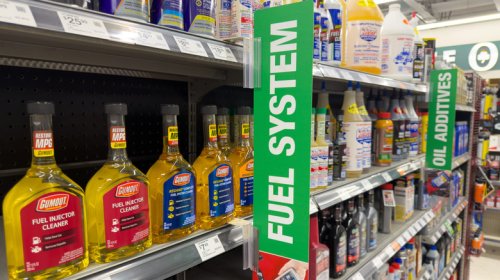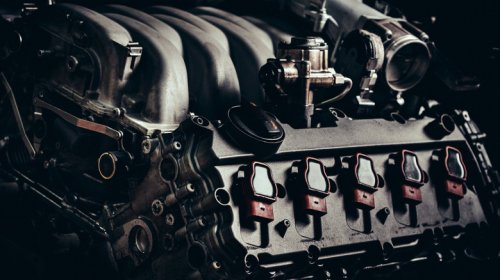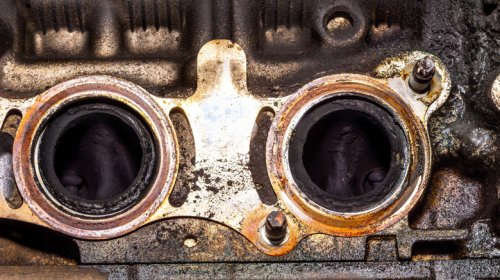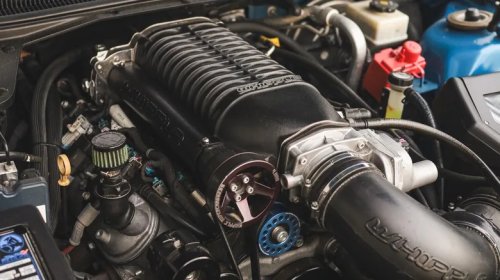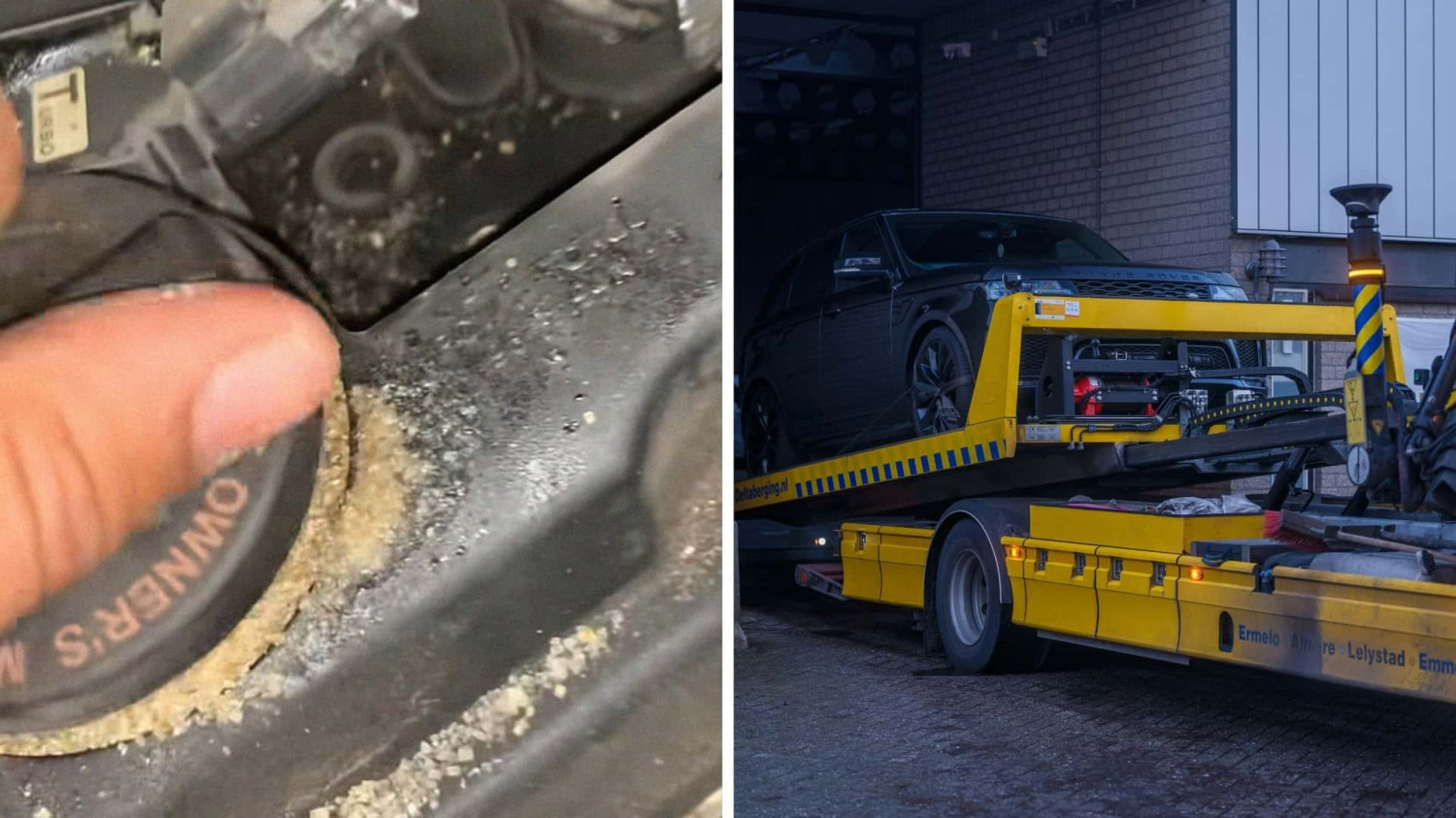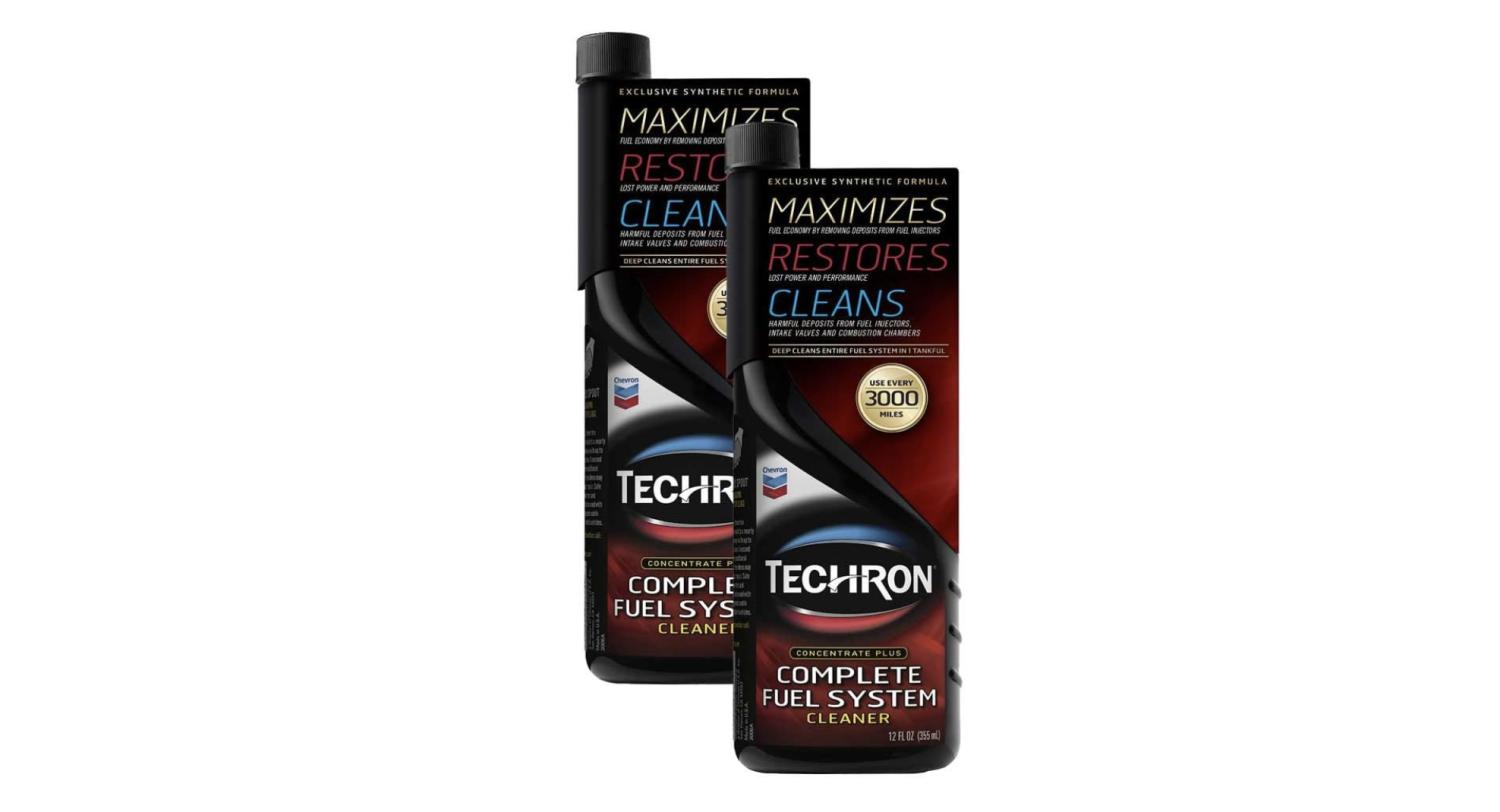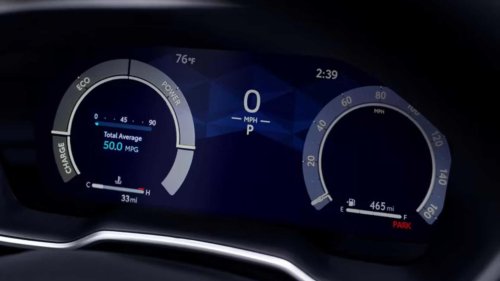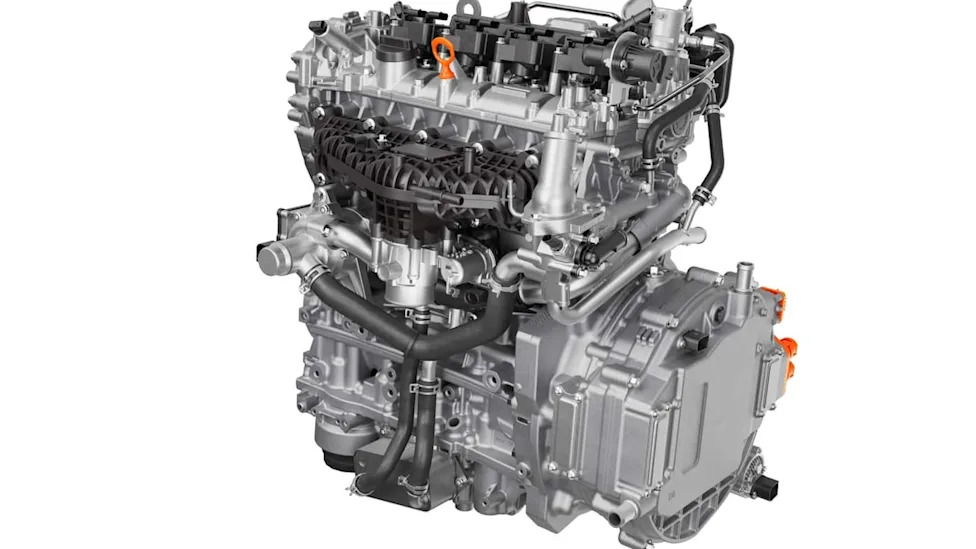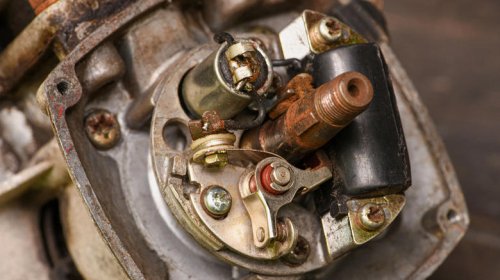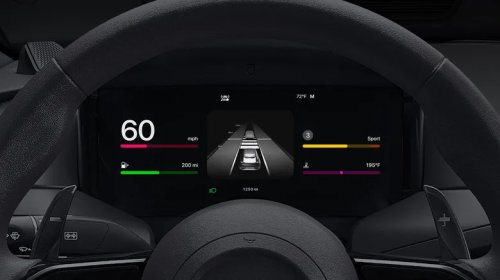





































Save Gas By Not Driving So FastEveryone wants to pay less at the pump, but rarely do we change our driving style or our car maintenance routine to improve our vehicle's fuel efficiency. Few drivers realize that by simply maintaining proper tire pressure, they can get more gas mileage out of their vehicle. Here are 20 ways to improve your car's fuel efficiency. 1. Reduce Unnecessary CargoIf your car is carrying excess weight, you might be putting too much strain on your engine. For every 100 lbs of added weight, your vehicle's fuel economy could be lowered by around 2%. Removing unnecessary items from the trunk or roof, or generally lightening the load, will improve your fuel efficiency. 2. Maintain Proper Tire PressureMaintaining the tire pressure recommended by the manufacturer reduces rolling resistance, which affects fuel economy. Underinflated tires force the engine to work harder than usual, which means it will guzzle more gas. 3. Use Cruise Control for Highway DrivingIf you're driving on an open stretch of highway, use cruise control to keep a steady speed. This will avoid wasting fuel that comes with accelerating and braking while reducing the strain on the engine and minimizing fuel burn. 4. Don't SpeedFor most vehicles, fuel efficiency often peaks around 45 and 65 mph. Driving faster than this range may force the engine to burn more fuel to maintain the higher speed. Moderate your speed to improve your gas mileage, and it's also much safer. 5. Avoid Harsh Acceleration and Hard BrakingAny type of aggressive driving wastes fuel. If you accelerate quickly, the engine requires more fuel injection, whereas hard braking dissipates energy as heat. Gradually accelerating and coasting to stops can make your car more fuel efficient. 6. Tune Your EngineKeeping your engine properly tuned will help you save at he pump every month. By not tuning your engine, you are forcing your vehicle's main component to work hard and burn more gasoline. 7. Replace Dirty Air FiltersCar engines require clean airflow to achieve combustion. Dirty air filters restrict airflow, forcing the engine to use more gas to operate. Replace your air filters at the intervals recommended by the manufacturer, or speak to your mechanic to determine a schedule. 8. Use the Recommended Motor Oil ExclusivelyBy only using the manufacturer's grade of motor oil, you can reduce the internal friction in your car engine. High-quality, low-viscosity oils help engine parts move more smoothly and reduce the need to waste gasoline unnecessarily. 9. Don't IdleIdling is terrible for the environment and also wastes gas. When you're stopped along the side of the road for whatever reason, turn your car off. Idling will cause nightmares for your vehicle's fuel efficiency. 10. Take Efficient RoutesFrequently stopping your car, getting stuck in traffic, or taking unnecessary detours wastes a ton of gas. Use GPS with real-time traffic updates to get where you're going with fewer stops. This will make your car more fuel-efficient in the long run. 11. Don't Overuse Your Air ConditioningWe all want to crank the A/C when driving in the dead of summer, but it's a waste of fuel. Air conditioning puts extra pressure on your engine and can decrease your fuel economy by quite a bit. Rolling down the windows might not be as cooling, but it is far more efficient. 12. Remove Unnecessary AccessoriesTo improve your car's fuel efficiency, remove the roof rack when not in use, in addition to any decorative trims, as these create aerodynamic drag that reduces a car's gas mileage. You should also replace any heavy aftermarket wheels. 13. Maintain Effective Wheel AlignmentMisaligned wheels can cause your tires to drag and increase fuel consumption. Even tires that are only slightly misaligned can make your engine kick into overdrive, and guzzle a lot of fuel in the process. Regular alignment inspections ensure your car will track straight and maintain a healthy fuel efficiency.14. Use Fuel-Efficient Driving ModesMost current cars on the market have fuel-efficient driving modes like "Eco" or "Fuel Saver". Use these modes during your daily driving as often as possible. 15. Drive to Warm Up Your EnginePeople used to warm their engine by idling their car for a few minutes. This was a waste of fuel and negatively affected your fuel economy. Warm up your engine more efficiently by gently driving for the first few minutes. This also minimizes the long-term wear on your engine. 16. Replace Spark Plugs RegularlyOld or dirty spark plugs can misfire. This wastes fuel by preventing the engine from completely combusting. This makes the vehicle less efficient and increases emissions. 17. Maintain a Clean Fuel SystemDeposits in a car's fuel injectors can make combustion less efficient, meaning it will have to use more fuel to start. Regularly use fuel system cleaners or get a professional to clean your fuel system to improve your car's efficiency. 18. Don't Overuse 4WDOverusing the 4WD option on your car requires more power, which reduces fuel economy. You should only use 4WD if the weather conditions demand it. Otherwise, stick to two-wheel drive. Most vehicles let you switch between the two modes easily. 19. Install Low-Rolling-Resistance TiresSpecially made low-rolling-resistance tires make it easier for your engine to maintain a proper speed. This can greatly improve your fuel economy by reducing the friction between the road and your tires.20. Keep the Gas Cap TightA loose gas cap lets fuel vapors escape, wasting fuel and may even turn your check-engine light on. Vapor leaks are also bad for the environment.