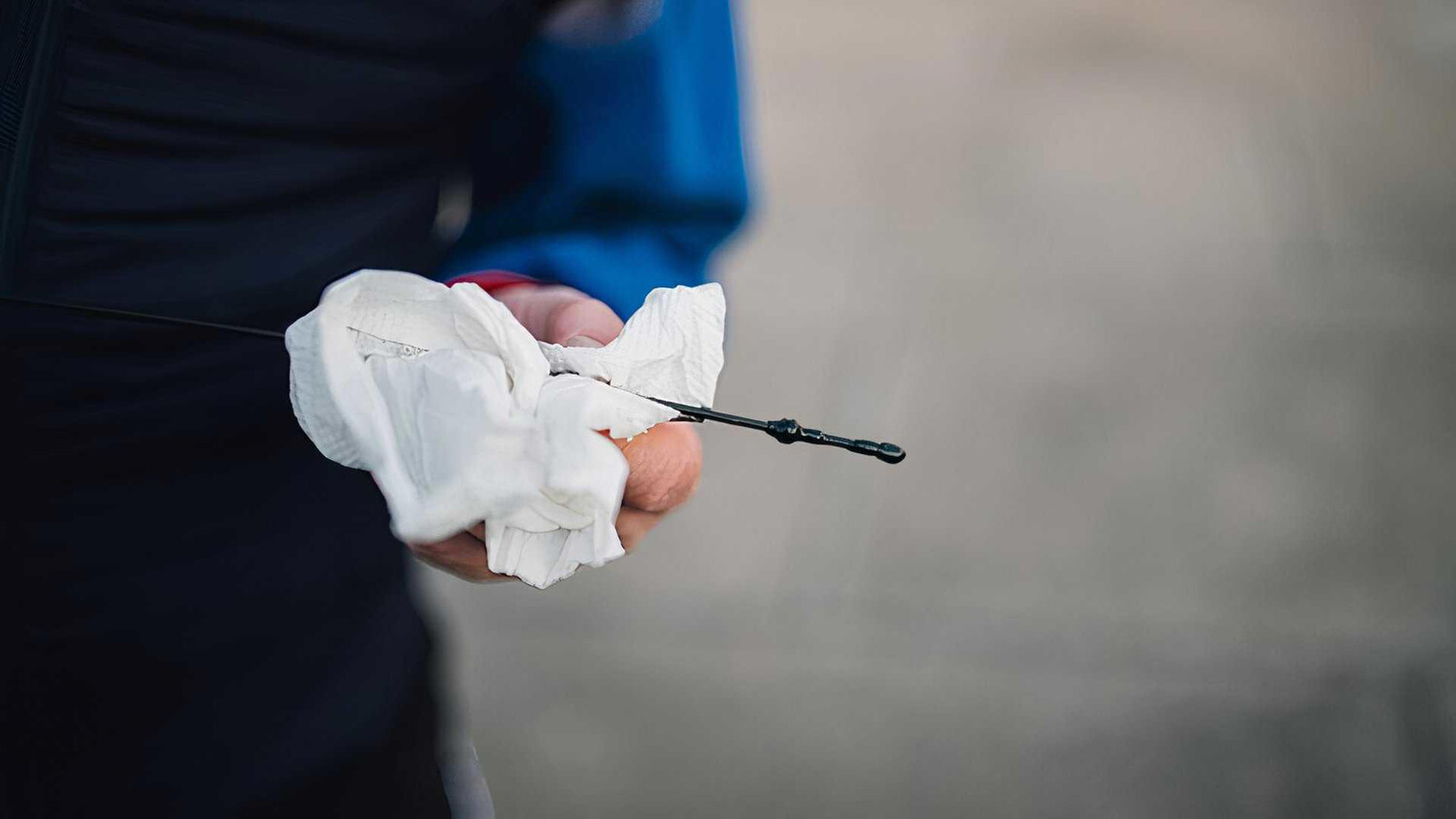
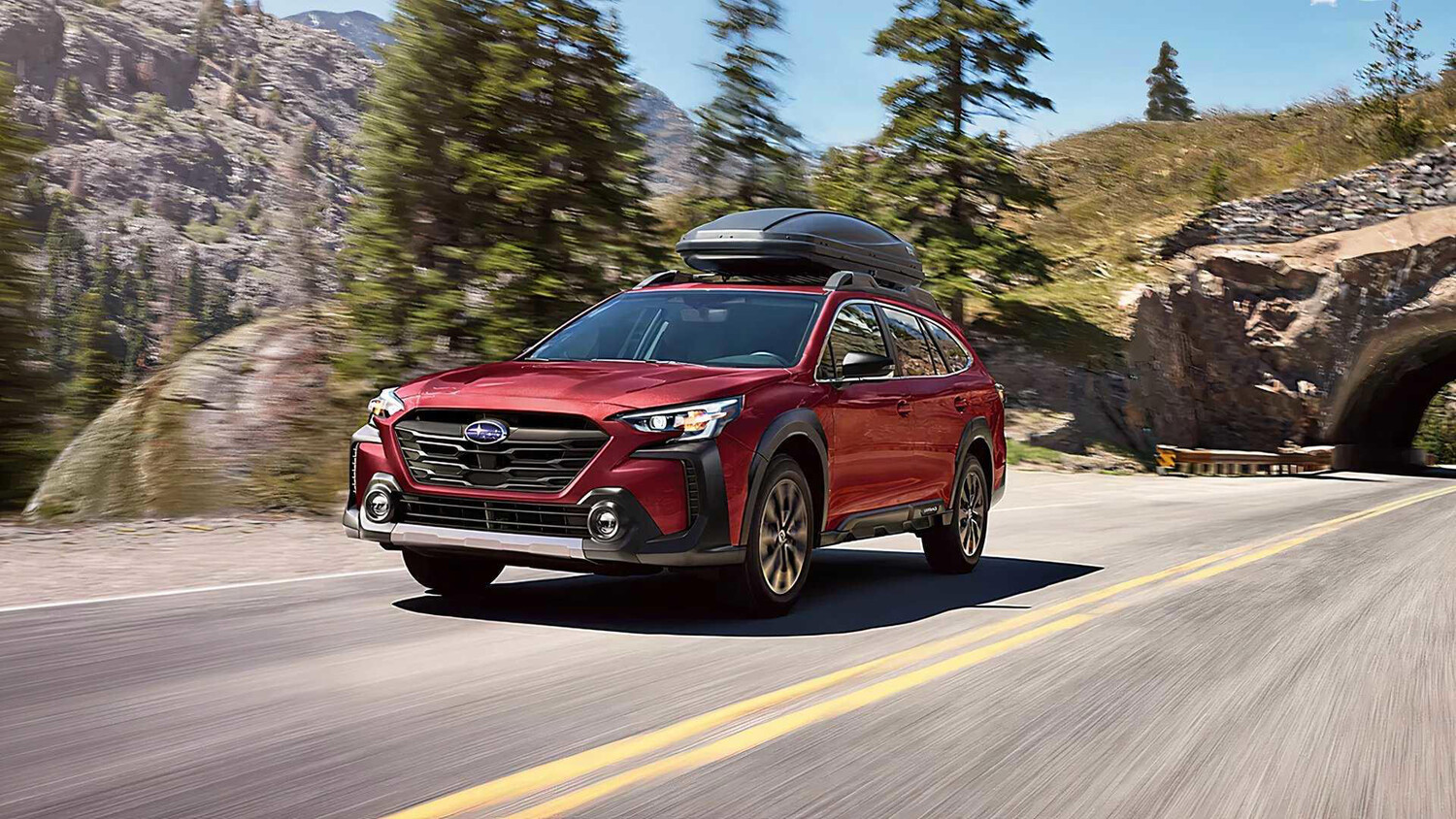
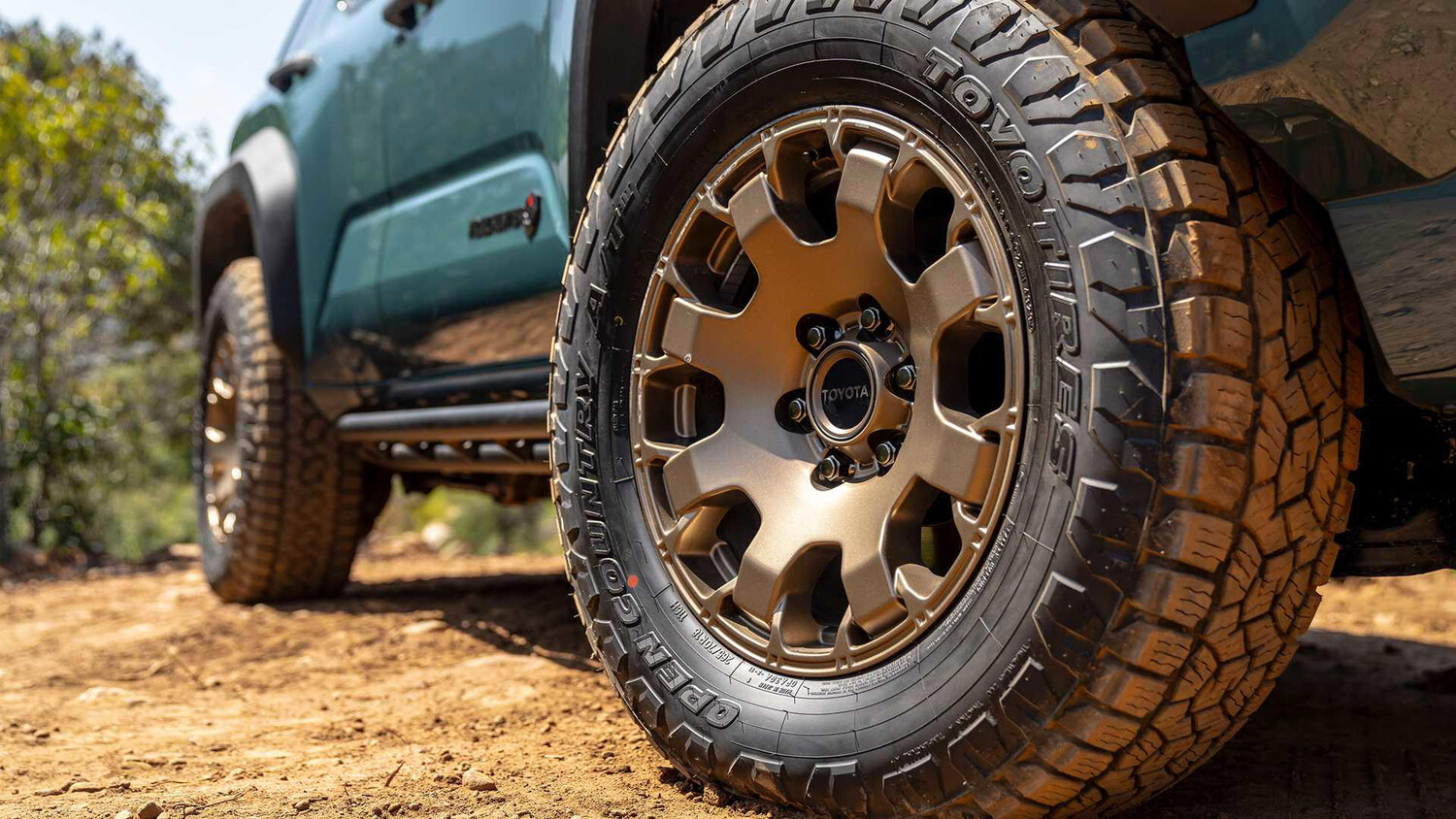
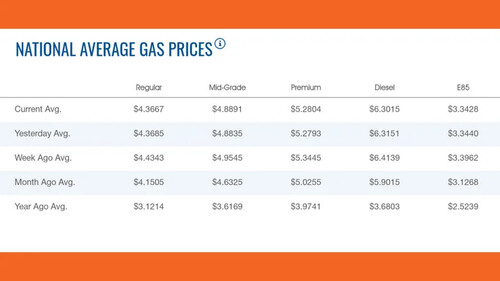
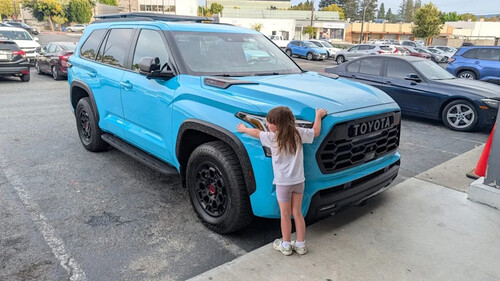
With gas prices spiraling out of control, you're probably tired of hearing people telling you to "just buy a hybrid!" Or to get an EV, or downsize to something super efficient like a Honda Civic. If you can afford to buy a new car whenever you feel like it, you're probably not that worried about gas prices in the first place.So, assuming you're happy with (or stuck with) whatever you're driving at the moment, whether that's a mid-size sedan or a three-row SUV, what can you do to get your fuel costs down without going car-shopping? We're glad you asked. Here are some of our favorite hypermiling techniques. Routine Maintenance Is Key Keep Your Car In Good Shape Nenad Stojkovic – Wikimedia Commons We're starting with this one because, if you're not practicing routine maintenance, then none of the other tips on this list are going to help you all that much. This especially means the following.Change your oil and oil filters as recommended (or sooner) Make sure you're using the right oil. According to Valvoline, using higher-viscosity oil than your manual calls for can result in your engine having to work that much harder to keep its parts in motion. Rotating your tires every six months, or every 5,000 to 6,000 miles, means you're getting an even roll, which means less resistance, which means more miles to the gallon. Replace worn spark plugs right away. Misfires alone can take a big bite out of your fuel economy. Keep your air filters fresh and clean. Newer engines can adjust for dirty air filters, but older cars will struggle with clogged filters. You don't really need us to tell you all of this, right? Just follow the guidelines in your owner's manual, and you're already on your way to hypermiling like a pro. Keep Your Cabin Clear Of Clutter You're Probably Carrying More Weight Than You Realize Honda You don't let fast food wrappers accumulate on the floor of your Honda Odyssey, you're not hauling dead batteries and blown tires in the back, but that doesn't mean you don't have any clutter to deal with. Think of the last time you moved. That box full of jackets and t-shirts was heavy, right?Those winter jackets you left in the passenger seat, the backseat cover for the dog, a couple books in the glove compartment. Individually, none of these items will make a noticeable difference to your fuel economy. Collectively, a three-pound coat, a one-pound water bottle, your five-pound gym bag, it can add up to the point where you're basically bringing an invisible passenger with you everywhere you go. Get All That Junk Off Your Roof It's Not Just The Extra Weight That's Affecting Your Fuel Economy Subaru We know, we know. What was the point of buying a fully-loaded Jeep Wrangler if you're not gonna show off your roof rack and cargo box, even when you're not in the middle of a road trip, and you're nowhere near the trail?It's not just the extra weight of roof racks and cargo boxes that are weighing you down, it's the wind resistance. A Consumer Reports piece found that a Nissan Altima with a pair of bicycles on the roof was losing as much as 25% of its expected mileage per gallon, and 3% with the roof rack alone. Keeping all that junk on your roof is like driving with a drag parachute deployed. If you're traveling with cargo you can't leave behind, try to store it inside the vehicle if possible. Make Sure Your Tires Are Properly Inflated We Can't Recommend Overinflating Toyota You've likely heard that overinflating your tires can improve your fuel economy by a couple percentage points. This is actually true, and it's just about the dumbest thing you can do to save a few pennies on gas. Overinflated tires are at risk of blowouts, and even if your tires don't explode, you're putting undue stress on the rubber and shortening the tire's life expectancy. What good is saving ten dollars a year on gas if you're spending $1,200 on a new set of tires every six months?Most people are driving on slightly underinflated tires. According to the NHTSA, you're losing about 1% of fuel economy for every 3.3 psi you're missing. So keep an eye on the tire pressure monitor, carry a portable tire inflator if you like, and try to keep your psi right on the button. Keep A Steady Pace Cruise Control Was Invented For A Reason Stellantis Try to develop easy-going driving habits. Less pedal-tapping, more steady cruising. According to J.D. Power, you're burning around 20% more gas with constant speed changes (bouncing between 47 and 53 mph every 18 seconds) than you would be keeping a steady pace. Cruise control can save fidgety drivers a lot of cash.Obviously, cruise control won't help you much in the city, and J.D. Power recommends leaving cruise control disengaged in hilly terrain. If you've got a lot of highway miles ahead of you, though, let cruise control handle it. Follow The Thirty-Second Rule Turning The Engine Off Can Help, But... Audi UK If you don't have an engine with auto start/stop, you may have been advised to turn your engine off at red lights. That can help, but you could be burning more fuel starting the engine up again than you would have spent idling. According to David Champion of Consumer Reports, you shouldn't bother turning the engine off unless you know you'll be sitting for at least 30 seconds. So, red light? Idle. Traffic jam? Turn the engine off. Don't Drive Angry You Can Save As Much As 50% If You Avoid Driving In A Bad Mood One of our favorite MythBusters experiments saw the team testing the effects of stress on fuel economy. In one test, drivers were treated to snacks, pleasing music, and even a private screening of Blade Runner. In the other, drivers were irritated with "annoying jokes" and chaotic driving conditions.The relaxed drivers spent around 50% less fuel than did the stressed drivers running the same course. So don't go for a drive "to calm down." Calm down, then go for a drive. It's not only more fuel-efficient to drive calm, it's safer, too. Plan Your Route The Shortest Trip Isn't Always The Most Fuel-Efficient Way To Get There Nissan Google Maps can recommend what it perceives to be the most fuel-efficient route to a destination, you need only enable the "prefer fuel-efficient routes" option under profile picture > setting > navigation > route options. Whatever GPS tool you use probably has a similar feature.The big economy killers are going to be city miles and intersections. Five miles of highway will almost always take less out of your car, and less out of your tank, than four miles of school zones and stop lights. Slow It Down (Just A Bit) A Typical Car Achieves Peak Fuel Economy At Around 55 MPH StellantisThis means that driving slightly below typical highway speeds is actually ideal. Of course, it's not always practical to drive at 55 mph while everyone around you is going 60+ mph, but when you have the opportunity, why not slow down and enjoy the scenery on your way home from the office? Don't Worry About "Fuel Density" In The Morning Buying Your Gas In The Morning Makes A Very Marginal Difference Jared Rosenholtz/CarBuzz/Valnet A tip you may have heard: gasoline is denser at cooler temperatures, so buy your gas in the morning, before it warms up. Well, Consumer Reports ran a story putting this tip to the test last year. As it turns out, the underground tanks in which gasoline is kept are so well-insulated that you're looking at a difference of maybe two or three cents per fill-up, probably amounting to less than two dollars in savings over the course of a year.If you can get your gas in the morning, cool, but don't schedule your day around it. Go ahead and top off when prices dip, but don't fret about time of day.