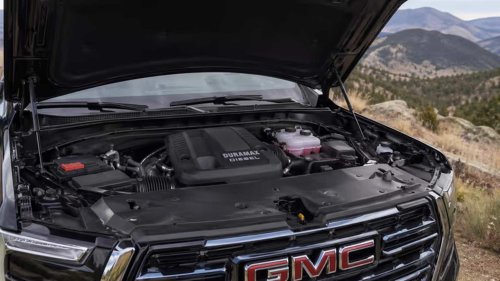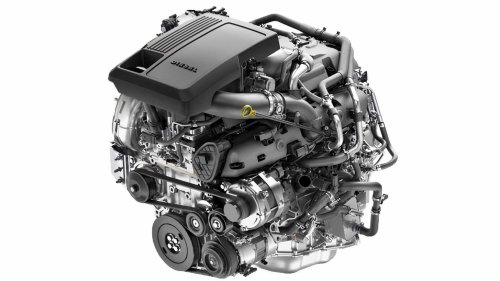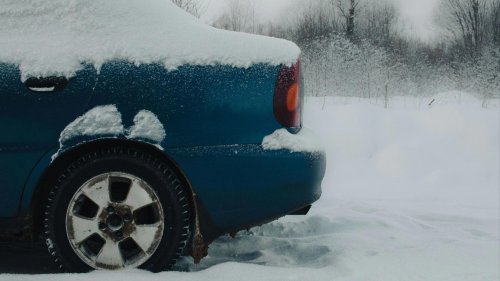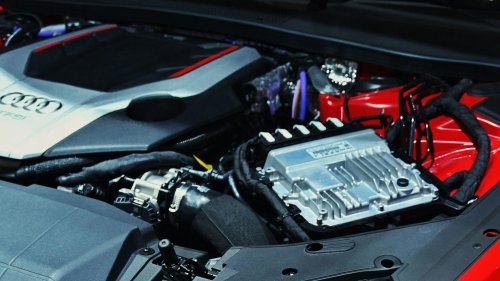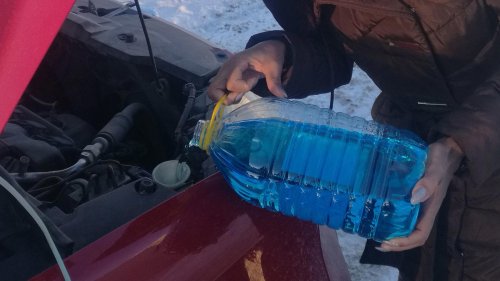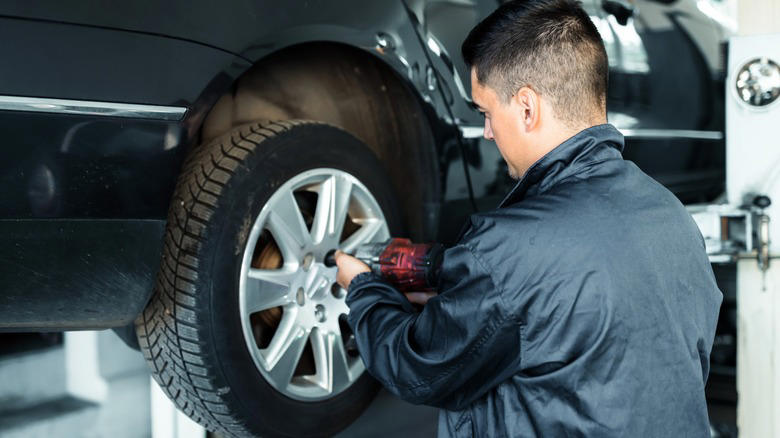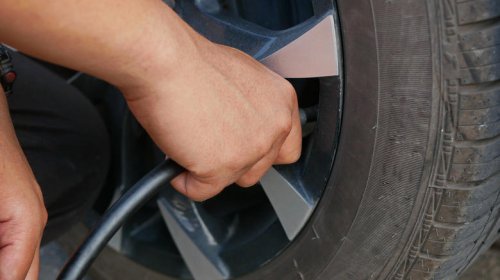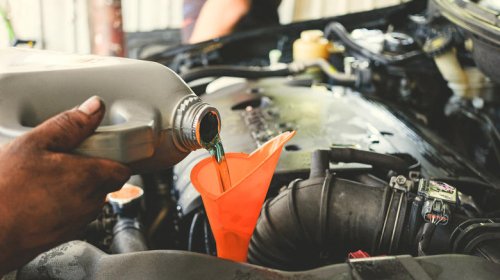

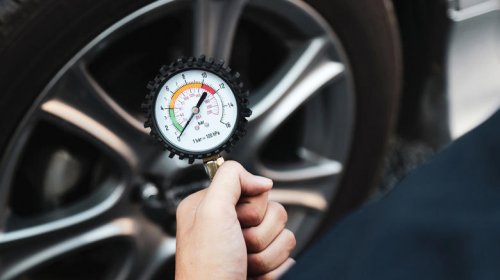



















Make sure you have enough transmission fluidAutomatic transmissions require transmission fluid, although not all of them need their fluids replaced. Some transmissions are built to be sealed for the lifetime of the car, and so there's no need to worry about monitoring fluid levels. If you have an automatic transmission that does need its fluid replaced, you should find a dipstick with either a color or a transmission logo somewhere in the engine bay. To check it, warm the car up then leave it in park, open the hood, and pull out the dipstick. Wipe it, replace it, then pull it out again, and check the fluid level.If it's too low, you'll need to top it up. Replacement fluid can be bought from parts stores, but make sure you get the right one — different types of transmissions use different types of fluids, but your owner's manual will tell you which one to use. It might also be worth checking for signs of leaks while you're inspecting the car. The color of the fluid is also worth checking. If it starts to turn brown or black, it probably needs replacing.Occasional take longer drives if you have a dieselIf you drive a car or truck with a diesel engine, it's important to take care of its diesel particulate filter, or DPF. It's designed to trap toxic particle emissions from engines but over time can become blocked. This in itself isn't anything to worry about, as some diesel vehicles can actively regenerate — i.e. unblock — their filters by themselves. However, other, older vehicles might require passive regeneration, or simply a trip to the auto shop.To keep a DPF in good condition, it's best to take occasional longer drives, particularly if you spend most of your time doing shorter journeys. Giving a diesel vehicle a run up the highway for an hour or so should help passively regenerate the filter, keeping it from getting blocked. For cars with active regeneration, it can take as little as 10 minutes at highway speeds to clear the filter.Let your car warm up slightly before drivingWhile it's not necessary to let a modern car warm up for extended periods of time, it's still a good idea to give it a few seconds before driving off. For most people, the time it takes them to fasten their seatbelt and select their favorite driving playlist should be plenty of time. In the winter, it can be helpful to let the car idle for a little longer, but for no longer than a minute or so.Leaving it running for extended amounts of time burns unnecessary fuel and can actually make it take longer for your car's cabin to get warm. For owners of much older cars — that is, those that are forty years old or more — it can be sometimes useful to leave the car idling for a couple of minutes. Owners of hybrid cars don't need to let the vehicle warm up at all, and can simply drive off as soon as they're ready.Check your tire pressureHaving the incorrect tire pressure can lead to your car's ride being rougher, but that isn't the only reason to check it. A tire that's inflated too much can also wear faster in the middle, meaning you'll get through tires faster and spend more on replacing them in the long run. An underinflated tire can be just as costly, as it will wear quicker on the sides. It can also result in your car having less grip on the road, as well as affect its braking distance and fuel efficiency.To find the correct pressure for your tires, you'll need to consult your owner's manual or look for a sticker on the inside of your driver's door or on the inside of the fuel flap. Keep in mind that multiple pressures might be listed — the front and rear tires might need different pressures, and most manufacturers also list one standard pressure and another for when the car is heavily loaded.