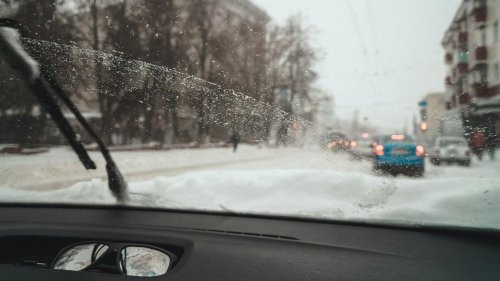
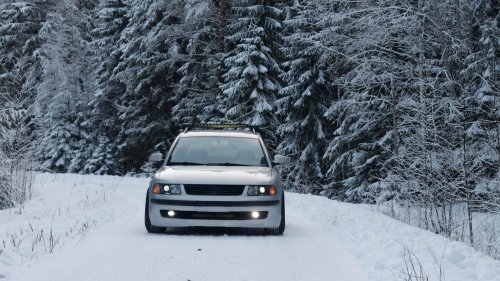
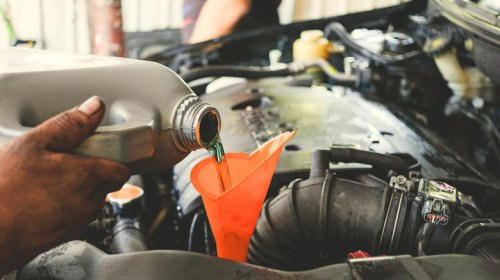
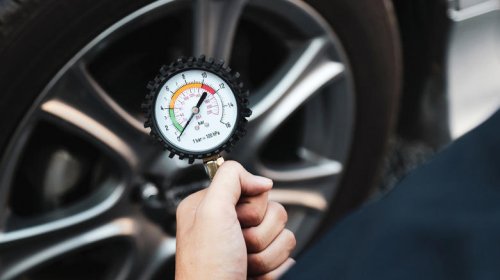
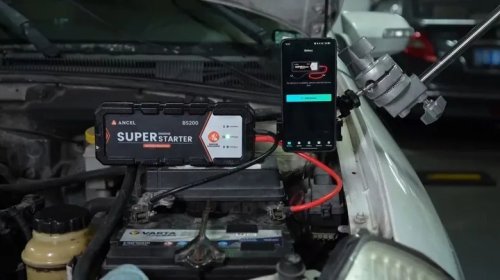
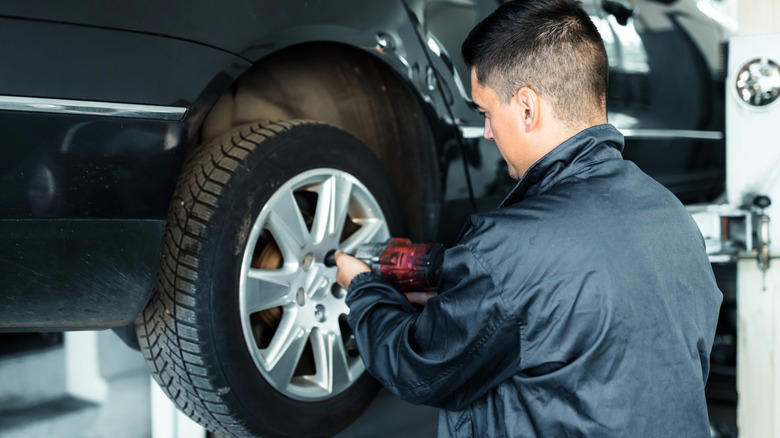
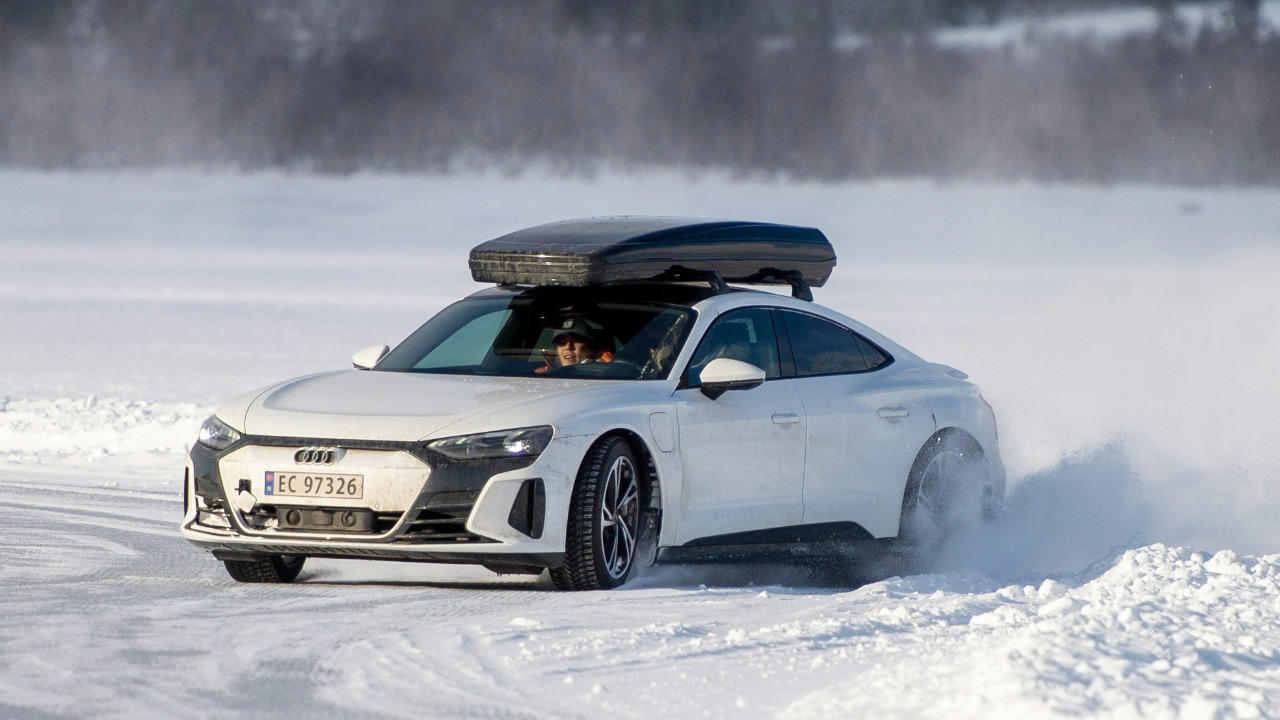
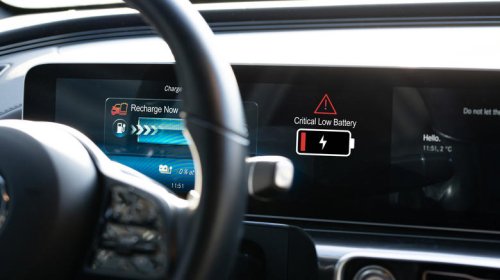
Don’t Risk A Worst-Case ScenarioThis list goes out to our fearless warriors who prepare for battle every fall. The ones who must change out their linen pants for puffer jackets, their bucket hats for beanies, and their sandals for snow boots. Whether you’re new to northern winters, new to driving, or are simply looking to make your life easier, we’re here to help. The north wind grows stronger, and winter is coming.1. Snow TiresWe don’t care how good you are at handling your vehicle; the ice is ultimately more powerful. You need, need, need to have snow tires if you’re driving around during winter, or at the very least some wheels that can withstand every season. 2. Check Your BatteryCold will sap your vehicle's battery, especially if you have an older vehicle. Before the cold snap, it's a good idea to get your battery checked out and replaced if necessary to avoid being stranded somewhere out in the cold.3. Install Winter WipersYour regular wipers might be fine, but it doesn’t hurt to get winter wipers if you can. Winter windshield wipers have more protection, apply heavier pressure, and have a more flexible frame that prevents them from getting damaged in cold climates. You can also leave your wipers raised to prevent them from sticking to the windshield. 4. Keep Backups Of Washer FluidBeautiful white snow quickly turns to grey slush on the roads. This mush will muck up your windshield in a flash and lead to a potentially dangerous situation if you don’t have washer fluid to spare.5. Pack An Emergency KitIn the rare case you’re stranded in your car during a blizzard, you should always keep an emergency kit in your vehicle. First-aid, blankets, a flashlight, a portable charger, extra clothing, non-perishable food, and water should be among the highest priority items. If you’re in a more rural area, flares are also helpful.6. Get Your Scraper OutYou probably don’t think much about your scraper during the warmer months, but it's your best friend come wintertime— especially if you have to park outdoors. A good quality scraper will get that ice off your windows in no time, while the brush will sweep lighter snowfalls off of the car’s surface. 7. Check Your BrakesYou do NOT want your brakes to fail in the middle of winter (or ever, if possible). If you’ve started to notice vibrations or grinding sounds coming from your steering wheel, or your car taking a longer time to stop than normal, you should probably invest in new brakes or brake pads. 8. Top Up Your FluidsSince you’re already going to get your tires changed, right, you may as well get your car’s oil, coolant, and brake fluid checked. These things are necessary for your vehicle year-round, but it feels like a harsher punishment to get your car fixed when it's cold outside. 9. Portable Jump StarterEven with your brand-new battery, it wouldn’t hurt to keep a portable jump starter in your car. Our metal friends are unpredictable, and even the newest cars could falter when you need them most. You can get standard jump starters for $50-$100.10. Bring A ShovelDue to the unpredictable nature of winter weather, you may need to dig yourself out of your parking spot from time to time, especially if you’re parked somewhere for multiple hours. To make it easier on your back, you can get foldable or extendable snow shovels that will fit in your vehicle’s trunk nicely. 11. Keep Your Gas Topped UpThis is a safety thing as much as it's for your car’s benefit. A full tank of gas will prevent condensation and freezing within your fuel lines, protect your vehicle's fuel pump, and ensure that you’ll be able to run your engine if you find yourself stuck somewhere. 12. Portable Air CompressorColder temperatures are notorious for lowering tire pressure, which can put you and your car at risk. It doesn’t cost much to fill up at a gas station, but you’ll feel much better knowing you can inflate your tires from anywhere. 13. Traction AidsYou can avoid a call to roadside maintenance by keeping rock salt, kitty litter, or gravel in your car. This won’t only help you, but anyone who’s struggling on a patch of ice.14. Warm Up The CarIf you park outside or in a parking garage, you’ll probably struggle with frost coating your windows. Letting the car run for a few minutes before heading out will give you better visibility and allow your car’s oil to properly circulate and lubricate the engine. 15. Get Roadside AssistanceWe’re providing you with this list so you can avoid waiting for a tow truck, but it doesn’t hurt to have a backup plan. Getting a membership to AAA (or equivalent) is usually a more cost and time-effective method of getting help when you need it most. 16. Make Sure Your Heater WorksMaybe an obvious one, but important nonetheless. You’ll be in for an unpleasant and tedious winter driving experience if you don’t have heat.17. Get An Anti-Fog SpongeSeveral companies sell these little sponges. You can chemically treat your windows to change the surface tension of the glass to prevent fog, and the absorbent nature of the sponge will keep interior moisture to a minimum. 18. Don’t Use Cruise ControlReally, cruise control shouldn’t be used outside of sunny summer days, but especially not in winter. Using cruise control increases your risk of crashing, skidding, or hydroplaning, as the system wasn’t made for unpredictable road conditions. 19. Get Chains (If Necessary)Snow chains are required by law in certain counties, especially if you live in more rural or mountainous terrain. You probably don’t need them if you live in a city, but if you find yourself traveling out of town, they may not hurt to have one. 20. Remember How To DriveWe don’t mean for this to come across as rude, but folks do tend to struggle when the snow starts falling. Go slow, keep your distance from the car ahead of you, clear all snow and ice from your vehicle before you drive, and keep those headlights on.