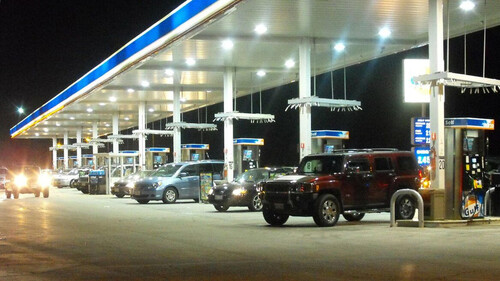
Image Credit: f.t.Photographer/Shutterstock.The U.S. government is pushing expanded access to higher ethanol-blended gasoline as a way to stabilize fuel supplies and reduce costs for drivers, but the long-term math may not be as favorable as advertised. Recent emergency waivers from the Environmental Protection Agency now allow nationwide sales of E15 gasoline, a blend containing 15 percent ethanol, during the summer driving season.Federal officials argue that increasing ethanol content helps stretch domestic fuel supplies while offering motorists lower prices at the pump. Lawmakers are also moving toward making the expanded availability of E15 permanent, signaling broader support for ethanol-blended fuels as part of America’s energy strategy.The problem is that lower pump prices do not automatically translate into real savings once fuel economy is factored into the equation. Ethanol contains less energy than pure gasoline, meaning vehicles typically burn more fuel to travel the same distance.AdvertisementAdvertisementThat tradeoff has reignited debate over whether higher ethanol blends truly benefit consumers or simply move costs elsewhere through reduced efficiency and potential long-term maintenance concerns.Why Ethanol-Blended Fuel Costs Less Up FrontImage Credit: Shutterstock.Ethanol is commonly blended into gasoline because it is relatively inexpensive and can help extend fuel supplies. Most regular gasoline sold in the United States already contains about 10 percent ethanol, commonly referred to as E10.Under the EPA’s latest waiver, E15 fuel can now remain available nationwide through the summer months. The agency says the move will improve fuel availability ahead of peak travel season while giving consumers more fuel choices at stations across the country.In many markets, E10 gasoline is slightly cheaper than ethanol-free fuel. Surveys of fuel stations across the United States often show price differences of around 15 to 20 cents per gallon, which appears attractive to drivers facing elevated fuel prices.AdvertisementAdvertisementHowever, ethanol’s lower energy density complicates the equation. Since ethanol contains less energy than gasoline, engines generally require higher fuel consumption to achieve the same driving range.Lower Fuel Economy Can Offset The SavingsSeveral studies suggest E10 fuel can reduce fuel economy by roughly 3 to 5 percent on average, though the exact impact depends heavily on the vehicle. Cars with higher-compression engines may adapt more effectively to ethanol blends, while others experience a more noticeable drop in efficiency.For drivers focused solely on pump prices, the savings can look appealing at first glance. Yet, once additional fuel consumption is calculated over hundreds of miles, the lower per-gallon cost may disappear entirely.Critics of expanded ethanol usage argue that E15 could amplify this issue further. While E15 may shave a few more cents off the advertised pump price, it also tends to reduce fuel economy slightly more than E10, potentially offsetting any financial advantage.AdvertisementAdvertisementRegional labeling practices also add confusion for consumers. In some states, E10 is simply sold as standard regular gasoline, while E15 may appear under labels such as “88 octane,” making it difficult for drivers to know exactly what blend they are purchasing.Concerns About Long-Term Engine Wear RemainImage Credit: Shutterstock.Modern vehicles are generally compatible with E10 fuel, particularly models built after 2001. E15 compatibility is less universal, however, and many vehicles on the road today are still not officially built to run higher ethanol blends.Critics also point to ethanol’s chemical properties as a potential concern over long-term ownership. Ethanol absorbs moisture more readily than gasoline and can contribute to corrosion in certain fuel system components if fuel is stored improperly or left sitting for extended periods.Rubber seals, plastic components, and metal fuel system parts may also experience increased wear over time when exposed to higher ethanol concentrations. While catastrophic failures are uncommon in newer vehicles, enthusiasts and mechanics have long debated whether higher ethanol content accelerates gradual deterioration.AdvertisementAdvertisementThose concerns become especially relevant for seasonal vehicles, collector cars, motorcycles, boats, and equipment that may sit unused for long periods. Ethanol-blended fuel is generally considered less stable in storage than ethanol-free gasoline.The Environmental Debate Is Still Far From SettledSupporters of ethanol argue that the fuel reduces dependence on petroleum while lowering greenhouse gas emissions at the tailpipe. The agricultural industry has also strongly supported expanded ethanol use, particularly because corn remains the primary feedstock for American ethanol production.Not everyone agrees on the greater environmental impact, however. Some independent researchers have questioned whether the energy required to grow crops and process ethanol offsets the claimed emissions benefits.Studies from organizations including the University of Michigan and researchers affiliated with MIT have raised concerns about land use, agricultural resource demands, and the overall efficiency of ethanol production. Critics also point out that higher ethanol blends historically faced summer sales restrictions because they can contribute to increased evaporative emissions linked to smog formation.AdvertisementAdvertisementThe EPA’s latest waiver temporarily bypasses those seasonal limitations, but the debate surrounding ethanol’s true environmental value remains unresolved.Drivers May See Limited Real-World BenefitsImage Credit: jittawit21/Shutterstock.For many motorists, the practical outcome may simply come down to whether the reduced pump price outweighs the added fuel consumption. In some vehicles and regions, the savings could be negligible or disappear entirely over time.The broader push toward E15 appears driven as much by fuel supply strategy and agricultural economics as direct consumer savings. While higher ethanol blends may offer benefits under certain conditions, the average driver may not experience the meaningful financial relief policymakers often promise.As fuel prices continue to fluctuate and ethanol availability expands nationwide, drivers will likely pay closer attention not just to pump prices, but also to how far each tank actually takes them.AdvertisementAdvertisementIf you want more stories like this, follow Guessing Headlights on Yahoo so you don’t miss what’s coming next.