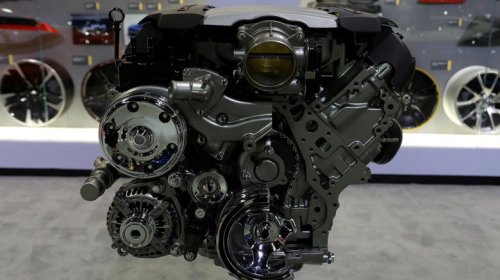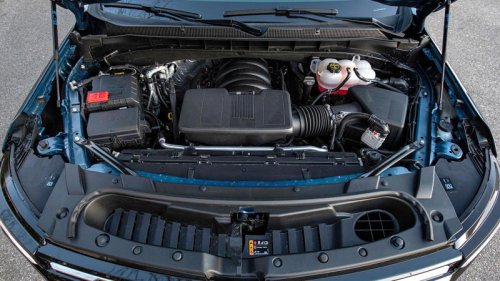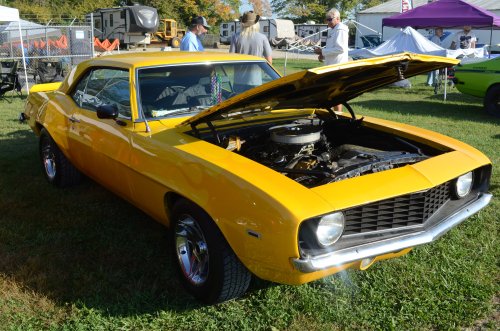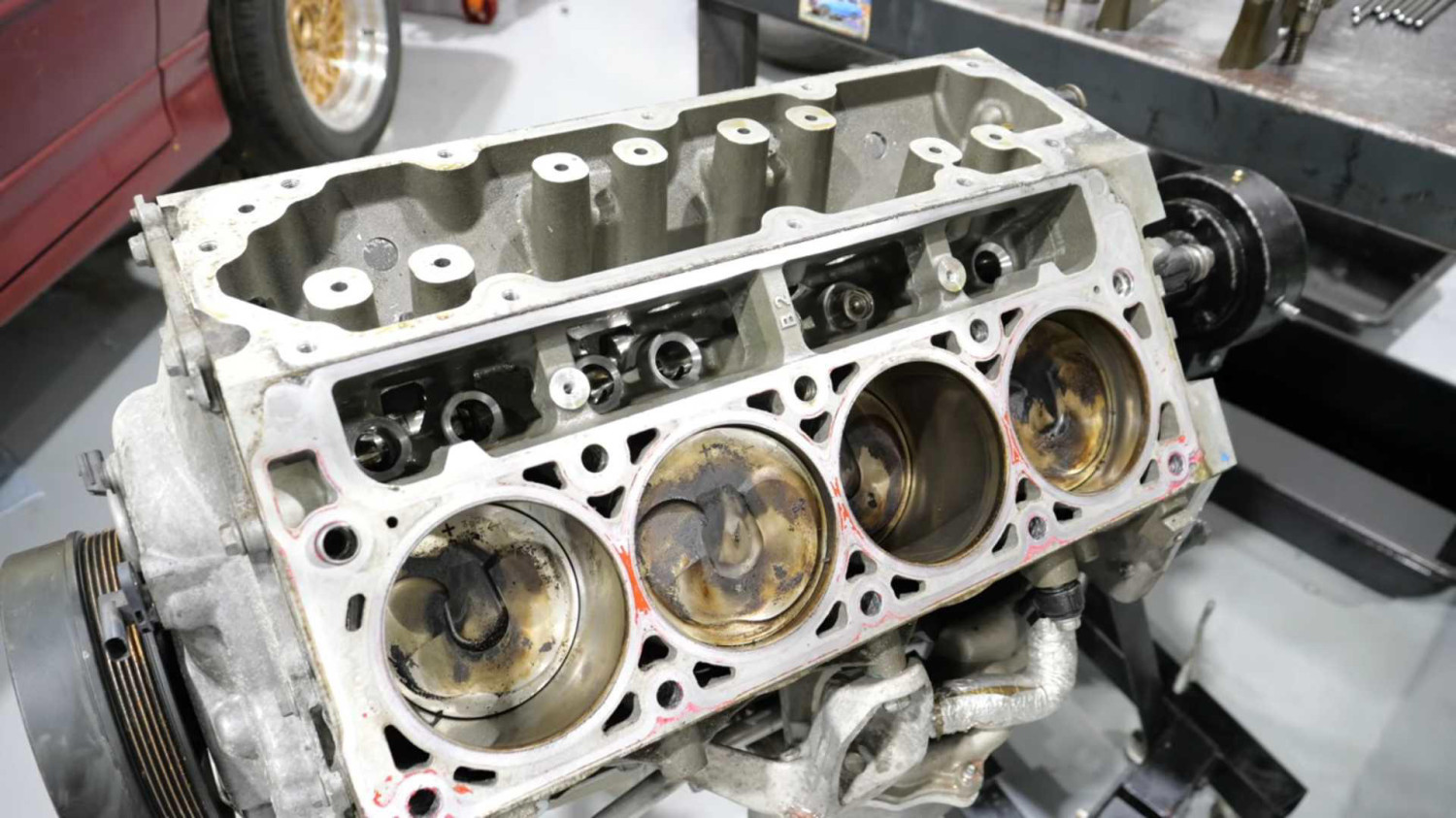




















If you like a good detective story, here’s one that crosses over neatly with your love of cars. Eric and his I Do Cars YouTube channel have built a reputation for methodically dissecting failed engines, and this time attention falls to a 6.2-liter V8 from General Motors. It's not the troubled V8 from pickup trucks, however. This is an LT1 V8 pulled from a 2018 Chevrolet Camaro SS.What makes this case intriguing is the mileage. The Chevrolet engine gave up at around 93,000 miles, a surprisingly low figure for a powerplant generally known for durability.As the teardown unfolds, we learn the engine is somewhat tweaked from its original form, but it's unrelated to the failure. It was a core return, sent back after a replacement engine sourced from a Corvette was received. To make the 'Vette engine work in the Camaro, some parts had to be swapped. That's why this Camaro mill has a Corvette oil pan, among other things.I Do Cars / YouTubeBut Eric was able to find a VIN stamped on the block, allowing him to pull up a vehicle history report where, apparently, engine maintenance was borderline excessive. He says the Carfax was one of the best he'd seen, listing religious oil changes pretty much every 5,000 miles. In short, it's an engine that should still be running strong today. So what went wrong? A Familiar LT1 Issue Arises ChevroletFrom the video, you'll notice the valvetrain gleams with clean rockers, pushrods, and springs, clear evidence that the current and longest-serving owner babied the engine with clockwork oil changes. However, pronounced scoring marks the cylinder walls, while a single piston stands out markedly cleaner than its neighbors, the result of fuel wash from incomplete combustion. Rod bearings also display significant wear and debris damage, far worse than typical for just 93,000 miles.While odd, these aren't what caused the engine to fail. The culprit surfaces when the lifter trays come off: a destroyed roller lifter with a sizable chunk missing from its side. The lifter forms part of the engine's fuel-saving cylinder deactivation system, known as Active Fuel Management, but the deactivation pin and collapse mechanism remained intact. Instead, the roller itself failed, a breakdown that could strike any of the engine’s 16 lifters without warning. Debris from the shattered component then circulated, accelerating wear in other areas, like the scoring of the cylinder walls and some worn bearings.While the rest of the LT1 design has proven durable overall, the lifter roller design remains a persistent vulnerability. Even with textbook maintenance and attentive ownership, this weak point can still surface prematurely, turning a promising powerplant into an expensive surprise. According to the host, owners may want to take some steps to strengthen the life of their own LT1. He mentions deleting AFM entirely and upgrading the valve springs. Not To Be Confused With Troubled L87 V8 ChevroletThe LT1 shouldn’t be confused with GM’s L87, another 6.2-liter V8 that’s currently under a much harsher spotlight. Introduced for the 2019 model year, the L87 is found in the automaker's range of full-size pickup trucks and SUVs. Unlike the isolated failure seen here, the L87 has been tied to a widespread recall over serious engine concerns, making it a very different kind of problem – one rooted in large-scale manufacturing issues rather than a single component failure in an otherwise proven design.Looking ahead, GM appears ready to turn the page. The company is on the verge of introducing a new generation of small-block V8s, known as the Gen 6 family, aimed at replacing engines like the L87. The first member has already arrived in the form of a 6.7-liter LS6, which debuted recently in the 2027 Chevrolet Corvette Grand Sport.Source: I Do Cars / YouTube