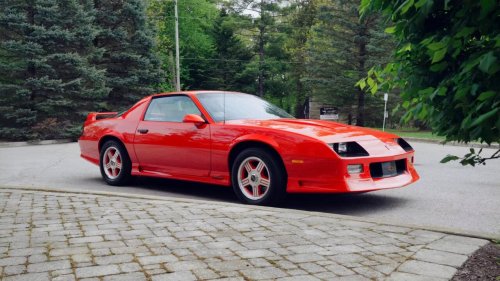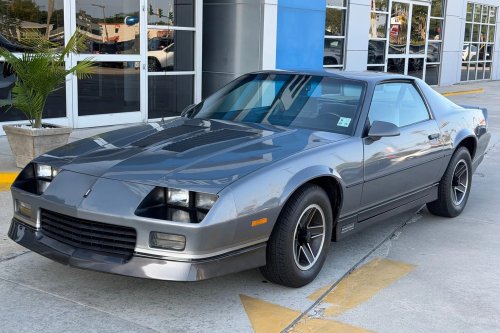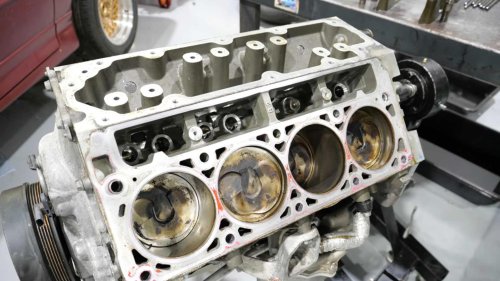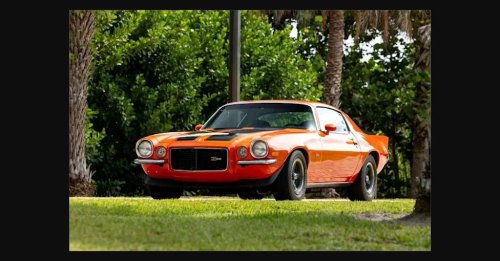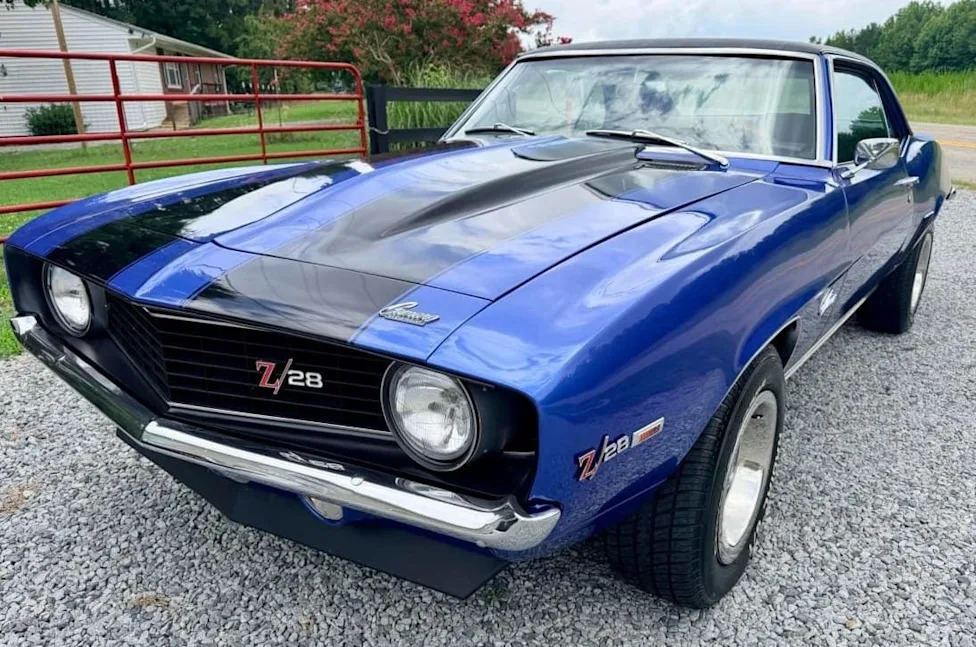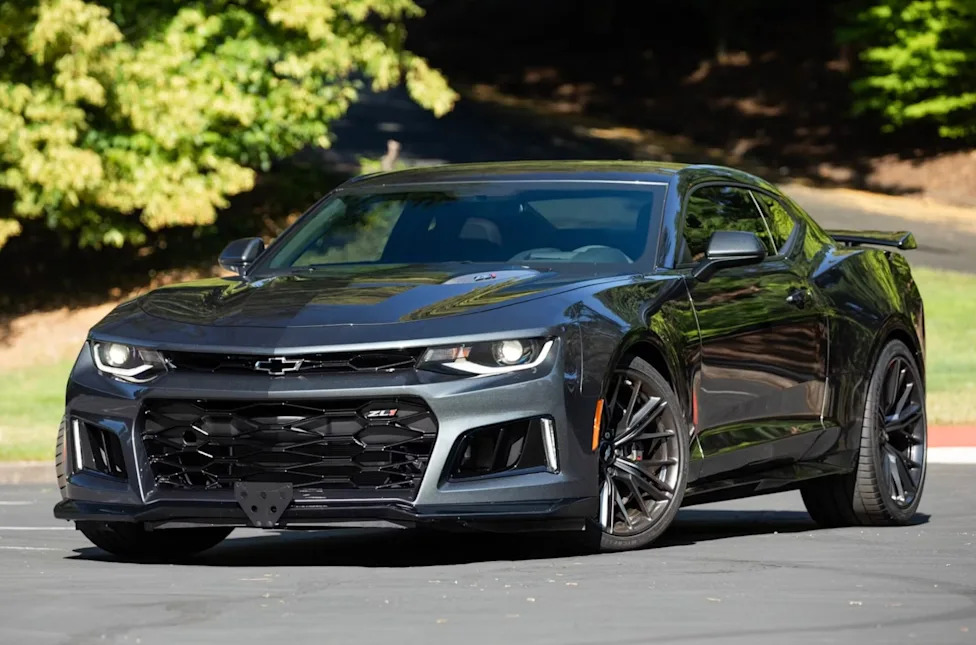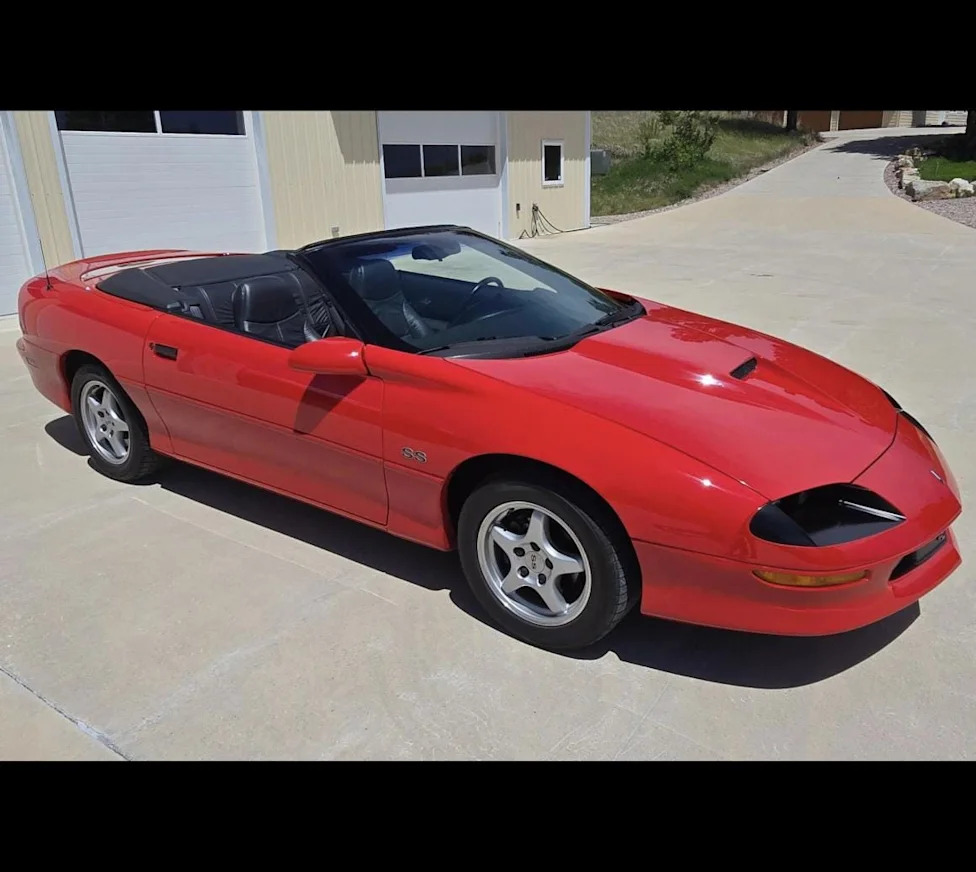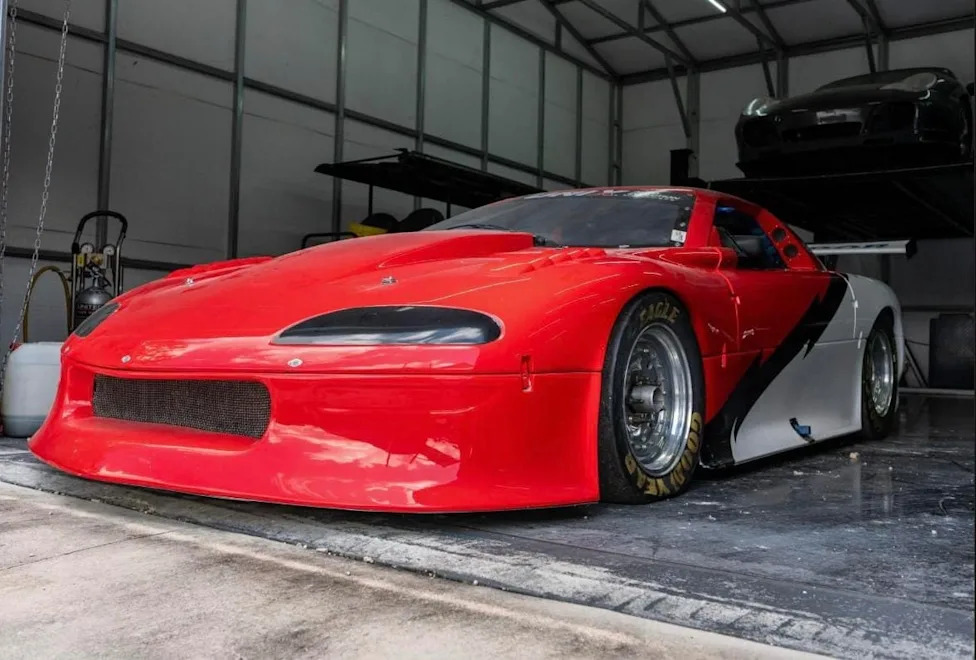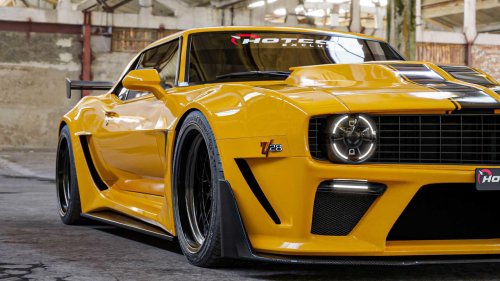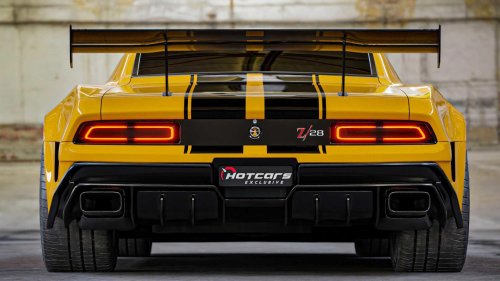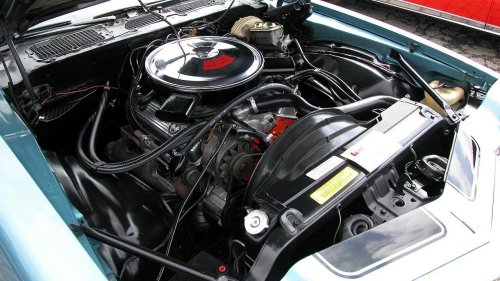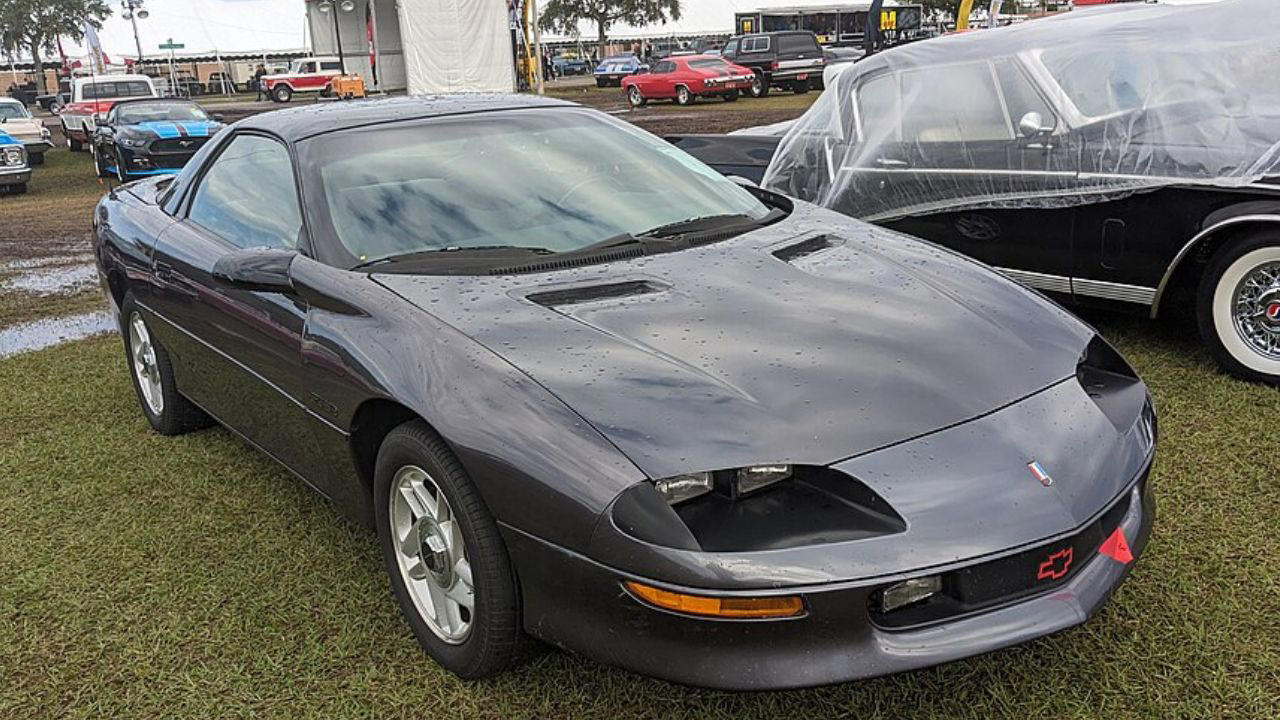



















When the LT1 Camaro Z28 Turned the Mustang Rivalry Upside DownThe LT1-powered Camaro Z28 did not just keep pace with the Ford Mustang in the 1990s; it flipped expectations about which pony car set the performance benchmark. After years in which the rivalry leaned Ford’s way, Chevrolet’s return to serious V8 engineering turned a long-running grudge match into a one-sided lesson in speed and sophistication. That shift still shapes how enthusiasts judge modern muscle cars and helps explain why the LT1 Z28 has become a touchstone for anyone who cares about American performance. What happened By the early 1990s, the Camaro and Mustang rivalry had settled into a predictable script. The Mustang 5.0 had captured the enthusiast spotlight, while the outgoing third-generation Camaro felt dated, heavy, and short on excitement. Everything changed when Chevrolet introduced the fourth-generation Camaro for the 1993 model year and dropped the new LT1 small-block V8 into the Z28. The LT1 marked a major engineering step for Chevrolet’s pony car. Derived from the Corvette’s powerplant, the 5.7 liter V8 in the Z28 produced roughly 275 horsepower and 325 pound-feet of torque in factory trim, a substantial jump over the previous Camaro and a clear move beyond the Mustang GT’s 5.0 liter output. Reverse-flow cooling and higher compression unlocked more power while still meeting tightening emissions rules, signaling that General Motors was willing to invest serious technology in a car that had often been treated as a budget performance option. Underneath, the fourth-generation Camaro rode on a more rigid platform with a long, low body that cut through the air more efficiently than its predecessor. The Z28 combined the LT1 with a standard six-speed manual transmission, a limited-slip differential, and larger brakes, giving it the hardware to turn straight-line power into real-world performance. A low seating position and expansive hood created a dramatic driving environment that reinforced the sense that this was no longer a simple commuter coupe with a big engine. In comparison tests that pitted the LT1 Z28 against contemporary Mustangs, the Camaro consistently emerged as the quicker and more capable car. Instrumented testing showed the LT1 Z28 running to 60 miles per hour in the low 5 second range and covering the quarter mile in the high 13s, while the Mustang GT of the era typically lagged by several tenths. On road courses and handling loops, the Camaro’s wider track, more sophisticated suspension tuning, and strong brakes translated into higher cornering speeds and shorter lap times. In a long history of head-to-head evaluations, the LT1 era marked a clear inflection point where the Camaro moved decisively ahead of its rival, a trend documented across decades of comparison tests. Ford’s response at the time highlighted how disruptive the LT1 Z28 had become. The Mustang transitioned from the beloved 5.0 liter pushrod engine to the new 4.6 liter Modular V8, a move that prioritized refinement and emissions compliance over raw output. Early versions of the 4.6 left the Mustang short of the Camaro in both horsepower and torque. Special models like the Mustang Cobra narrowed the gap, but those cars sat at a higher price point and limited production, while the mainstream GT remained outgunned by the relatively accessible Z28. On the street, the difference felt even more pronounced. The LT1 delivered a broad, muscular torque curve that pushed the Camaro forward with little effort from low rpm, while the Mustang’s smaller V8 needed to be worked harder to keep up. The Camaro’s chassis, although criticized for its harsh ride and compromised rear visibility, rewarded committed drivers with stability and grip that made high-speed runs feel controlled rather than chaotic. For enthusiasts who cared first about numbers and capability, the LT1 Z28 became the obvious choice. Why it matters The LT1 Camaro Z28 changed the terms of the Camaro versus Mustang rivalry by resetting expectations for what a volume pony car could deliver. Before the fourth-generation Camaro arrived, many buyers viewed these cars as affordable style statements with some performance flavor. The LT1 package turned the Z28 into something closer to a budget Corvette, a car that could embarrass more expensive machinery in a straight line and hold its own on a road course. This shift mattered for Chevrolet’s brand identity. General Motors had long used the Corvette as its flagship performance showcase, but the Camaro carried the burden of reaching younger, budget-conscious buyers. By putting a genuine high-tech V8 and serious hardware in the Z28, Chevrolet signaled that it was no longer content to let Ford dominate the enthusiast conversation. The LT1 car gave Chevrolet a credible answer to the Mustang’s grassroots racing presence and helped pull attention back to Bowtie showrooms. For Ford, the LT1 era forced a rethinking of the Mustang’s mission. The Modular V8 program had been designed around long-term efficiency and packaging, not raw output, and in the early years that left the GT trailing the Camaro in nearly every measurable way. The performance gap pushed Ford to invest more heavily in special editions and to refine the Mustang’s chassis, braking, and suspension packages. The later development of more powerful variants, including higher output V8s and eventually supercharged models, can be traced in part to the pressure created when the LT1 Z28 rewrote the performance script. The rivalry’s new dynamic also influenced how enthusiasts and media framed pony cars. Comparison tests that had once focused on styling and price began to treat these cars like serious sports machines, with detailed scrutiny of lap times, braking distances, and skidpad numbers. The LT1 Z28’s consistent wins in these metrics gave Chevrolet bragging rights and set a higher bar for what buyers expected from a V8 coupe that still carried a relatively attainable sticker price. On a broader level, the LT1 Camaro helped keep the American performance car tradition alive during a period when many observers worried that tightening emissions standards and rising insurance costs would kill off big V8s entirely. The ability of Chevrolet’s engineers to deliver strong power, improved fuel efficiency, and compliant emissions from the LT1 showed that the pony car formula could adapt rather than fade away. That confidence laid groundwork for the even more aggressive performance arms race that would arrive in the 2000s and 2010s. The LT1 Z28 also influenced the culture of modification and tuning. With a stout bottom end, relatively advanced engine management for its time, and a large aftermarket, the LT1 responded well to upgrades. Enthusiasts discovered that simple changes like intake and exhaust improvements, along with recalibrated engine control units, could unlock noticeable gains. More serious builds added camshaft swaps, cylinder head work, or forced induction, turning the Camaro into a platform that could support everything from weekend drag cars to dedicated track machines. That tunability reinforced the perception that Chevrolet had given buyers an overbuilt foundation. Owners who wanted to compete in local drag racing or autocross events found that the Z28 could be made genuinely quick without exotic parts or race shop budgets. This accessibility helped the LT1 Camaro become a fixture at tracks and car meets, where its performance often caught drivers of more exotic imports off guard. From a design standpoint, the fourth-generation Camaro’s long nose, low roofline, and aggressive stance reflected a shift toward a more aerodynamic, almost European-inspired interpretation of the muscle car. While the styling divided opinion, it contributed to the car’s high-speed stability and lower drag, elements that supported its performance advantage over the more upright Mustang. The LT1 Z28 showed that American pony cars could embrace modern design and engineering without abandoning their core identity. In hindsight, the LT1 era also highlights how quickly the rivalry could swing when one side invested heavily in engineering. The Mustang had enjoyed a long run as the default choice for budget performance, helped by the Fox-body platform’s light weight and the 5.0’s tuning potential. The LT1 Z28 flipped that narrative almost overnight, proving that the Camaro could not only match but exceed the Mustang when General Motors committed the necessary resources. What to watch next The legacy of the LT1 Camaro Z28 continues to shape how modern enthusiasts view the Camaro and Mustang rivalry, and it offers clues about where American performance might head next. As automakers face new pressures around electrification, emissions, and safety, the LT1 story stands as a reminder that engineering investment can transform a familiar formula into something far more capable without abandoning its roots. One key thread to watch is how manufacturers translate the spirit of the LT1 era into alternative powertrains. The LT1 succeeded because it delivered a meaningful jump in power and sophistication while still fitting within a recognizable pony car package. Future performance cars that rely on turbocharged smaller engines, hybrid assistance, or full electric power will need to offer similarly tangible gains in real-world speed and responsiveness if they hope to earn the same kind of respect. Another area shaped by the LT1 legacy is the role of track capability in street-focused cars. The LT1 Z28 proved that buyers would respond to genuine performance improvements, even if they came with trade-offs in comfort or practicality. That lesson lives on in modern track-oriented variants that prioritize lap times and braking performance over rear-seat space or ride softness. As regulations tighten and development budgets shift, it will be worth watching whether manufacturers continue to build focused, enthusiast-first models or whether broader market pressures dilute that commitment. The collector market also reflects the LT1 Z28’s lasting impact. As interest rises in 1990s performance cars, the LT1 Camaro has started to move from used-car bargain to recognized modern classic. Clean, unmodified examples of Z28 and related LT1 models have drawn more attention from buyers who remember the car’s dominance over the Mustang and want a tangible piece of that history. How values evolve for these cars will say a lot about how younger enthusiasts prioritize analog V8 experiences in an era increasingly dominated by digital controls and electric power. For Ford and Chevrolet, the memory of the LT1 years still informs product planning and marketing. Each new generation of Mustang and Camaro is measured against the high points of the rivalry, and the LT1 Z28 remains one of the clearest examples of a model that shifted the balance. Future performance variants will inevitably be judged on whether they can deliver the same kind of decisive advantage, whether through internal combustion, hybrid systems, or battery-electric setups. There is also a cultural dimension to watch. The LT1 Z28 emerged at a time when street racing, grassroots drag events, and local car clubs played a central role in how enthusiasts experienced performance cars. Today, that culture has expanded to include online communities, track-day organizations, and social media channels that can turn a standout model into a phenomenon overnight. If a future Camaro or Mustang manages to replicate the LT1 Z28’s combination of accessible price, strong performance, and tuning potential, the response could spread even faster and more widely than in the 1990s. More from Fast Lane Only Unboxing the WWII Jeep in a Crate 15 rare Chevys collectors are quietly buying 10 underrated V8s still worth hunting down Police notice this before you even roll window down