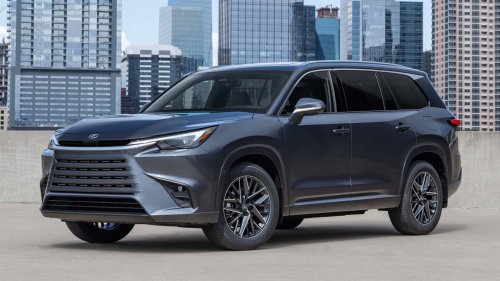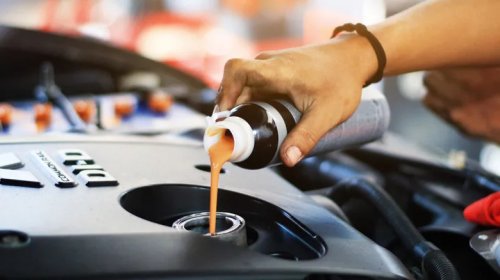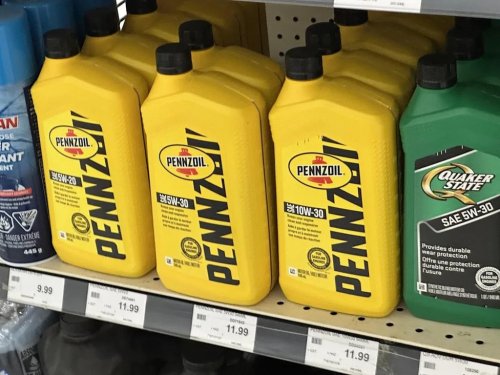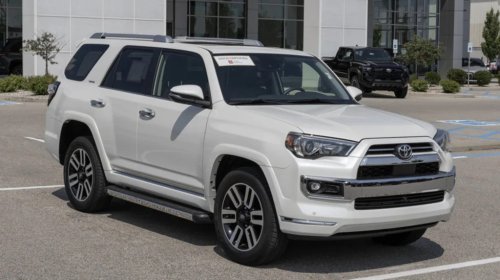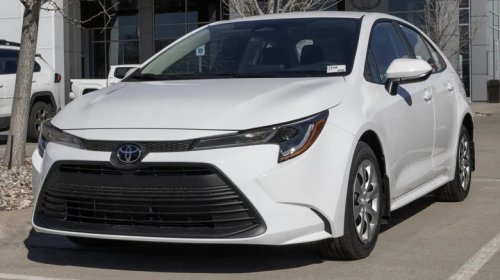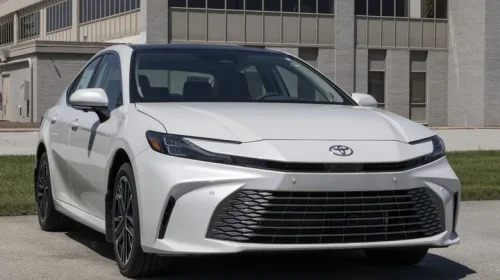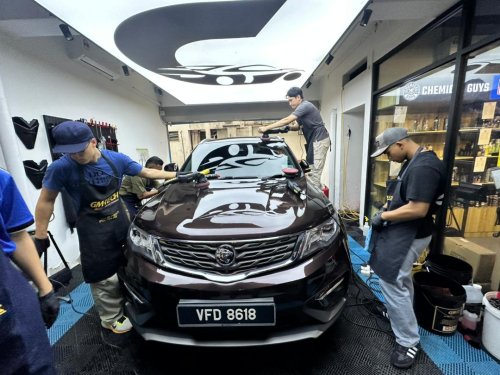



















How to Make Your Car Last 200,000 Miles: A Complete Maintenance GuideReaching 200,000 miles is no longer reserved for a lucky few. With disciplined maintenance, most modern vehicles can comfortably cross that threshold and keep going. The difference between a car that dies at 120,000 miles and one that thrives at 250,000 almost always comes down to how the owner cared for it. This guide walks through the habits, fluids, and checkups that quietly add years to a vehicle's life.Follow the Maintenance Schedule ReligiouslyThe single most important factor in long-term reliability is sticking to the manufacturer's recommended service intervals. Your owner's manual lists exactly when to replace fluids, belts, and filters. Skipping these to save a few dollars today almost always leads to far larger repair bills later. Owners who treat the maintenance schedule as non-negotiable are the ones whose cars reach six figures without major drama.Change Your Oil and Fluids on TimeClean oil is the lifeblood of any engine. Old, broken-down oil loses its ability to lubricate and cool, accelerating wear on critical components. Beyond engine oil, pay attention to transmission fluid, coolant, brake fluid, and differential oil. Each plays a role in protecting expensive parts, and each has its own replacement interval worth respecting.Address Small Problems Before They GrowA faint noise, a small leak, or a flickering warning light is your car asking for attention. The owners who reach 200,000 miles are the ones who investigate these signals early rather than turning up the radio. A worn water pump caught early is a routine repair; ignored, it can destroy an engine.Choose a Model Built to LastMaintenance matters, but starting with a fundamentally durable vehicle stacks the odds in your favor. Some models are simply engineered to endure. If you're curious which ones consistently go the distance, see our breakdown of the most reliable cars ever made and the models that routinely last 300,000 miles.Drive Gently and Warm Up ProperlyHow you drive matters as much as how you maintain. Hard acceleration, aggressive braking, and revving a cold engine all add up over time. Allowing the engine to reach operating temperature before demanding full power reduces wear, and smooth driving habits protect the transmission, brakes, and tires alike.Keep It Clean Inside and OutRust is one of the few enemies that maintenance schedules don't fully address. Washing off road salt, treating the undercarriage, and keeping the interior dry all help preserve both the body and resale value. A car that looks after itself cosmetically tends to be one whose owner looks after it mechanically too.The Bottom LineReaching 200,000 miles isn't luck. It's the cumulative result of timely fluid changes, prompt repairs, gentle driving, and choosing a capable vehicle from the start. Build these habits early, and your car will reward you with years of dependable, payment-free service.AdvertisementAdvertisementJoin our Newsletter, follow our Instagram page, and connect with us on Facebook.