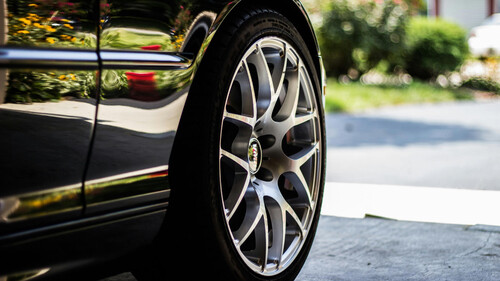
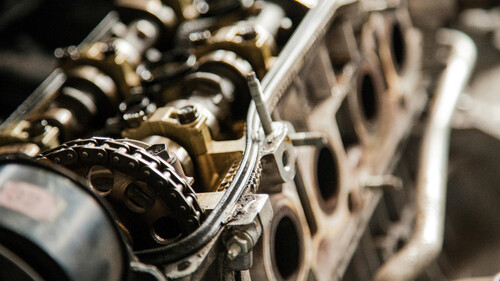
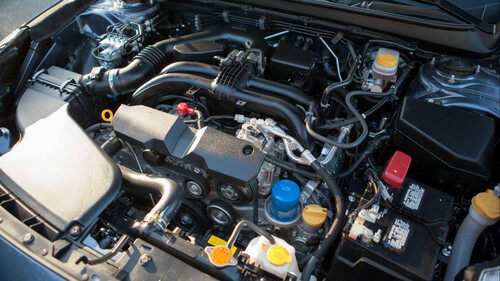
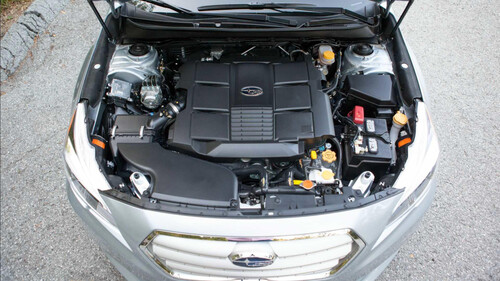
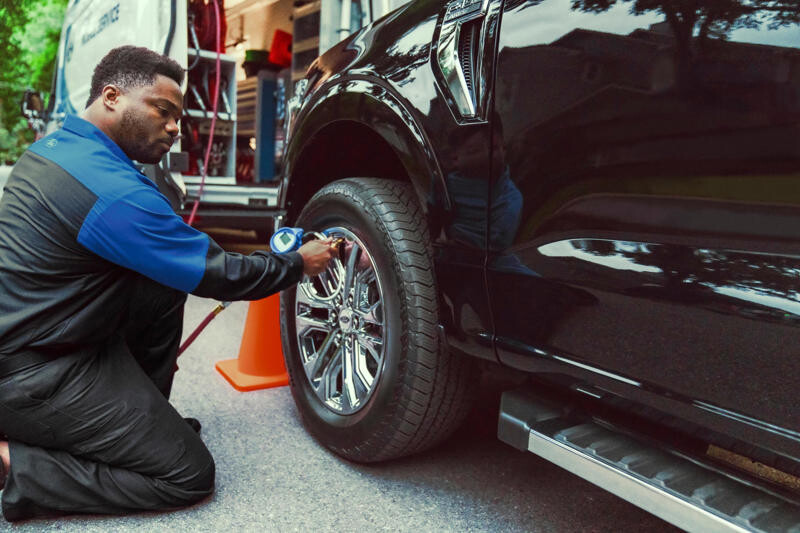
these 5 maintenance tips will help your car last longerKeeping a vehicle on the road for the long haul doesn't usually require complex overhauls or expensive upgrades. Much like human health, the real secret to vehicle longevity comes down to basic consistency, mindful habits, and addressing small warning signs before they escalate into major problems.Modern engines and chassis components are more or less built to handle serious mileage, but their long-term health relies entirely on standard upkeep.Protecting your automotive investment, maintaining its resale value, and preserving its daily performance requires a proactive approach. Incorporating five essential maintenance tips into your vehicle care routine will help you maximize every mile.these 5 maintenance tips will help your car last longer1. Master Smooth Driving HabitsWarm-Up Period: Never race or aggressively rev the engine immediately after a cold start. The first few minutes of operation are critical, as internal oil pressure is stabilizing and mechanical components are reaching optimal thermal operating ranges. Accelerate gently during early minutes to minimize unnecessary drivetrain strain.Avoid Aggressive Inputs: Rapid launches, hard braking, and high-speed driving accelerate wear across your entire powertrain and braking setup. Smooth, progressive throttle and brake inputs significantly extend the interval between required repairs.Protect Your Suspension: Fast cornering, hitting deep potholes, or scraping curbs damages tires, throws off wheel alignment, and prematurely wears out suspension bushings.10 Ways To Instantly Start Saving Gas During The Global Fuel Crisis10 Ways To Instantly Start Saving Gas During The Global Fuel CrisisModern vehicles are expensive, and it's not just the gigantic figure on the window sticker that hurts. You have to consider the price of everything else involved with automobile ownership. There's maintenance, financing, and even parking if you live in a congested area. Don't speed or run a red light because that will cost you dearly as well, and that's before we even talk about insurance. Full coverage seems to cost an arm and a leg these days. Of course, fuel economy is another way vehicles squeeze their drivers. Nobody wants to drop a C-note every few days just to top off their tank. Greater efficiency is why people buy diesels, put up with hybrids, trade down to smaller vehicles, or swap to an electric vehicle. It's also the reason they carpool and take the bus.Luckily, there are numerous simple things you can do right now that can help save you money at the pump. These are the Top 10 Ways to Improve Your Fuel Economy!Craig ColeCraig Colethese 5 maintenance tips will help your car last longerAdvertisementAdvertisement2. Prioritize Strict Tire MaintenanceMonitor Cold Tire Inflation: Under-inflated tires generate excessive friction and internal heat, degrading the rubber compound and reducing fuel economy. Check your tire pressures using an accurate gauge when the rubber is cold, referencing the exact PSI listed on your vehicle's driver-side door jamb.Account for Ambient Temperatures: Major seasonal temperature shifts cause noticeable drops or spikes in tire pressure. Inspect inflation levels more frequently during extreme hot or cold snaps.Rotate and Align Regularly: Schedule routine tire rotations according to your owner's manual to ensure even tread wear across all four corners. If you notice uneven tread wear patterns, seek a professional wheel alignment immediately to fix handling issues before ruining a set of tires.Mind the Small Details: Inspect tread depth periodically to ensure adequate wet-weather traction, and always keep your tire valve caps tightly secured to seal out moisture, road grit, and dirt from the valve core.The Best Tire Pressure Gauges to Keep Your Tires HappyThe Best Tire Pressure Gauges to Keep Your Tires HappyEvery car owner should include one of the best tire pressure gauges in their toolkit. Keeping your tires properly inflated ensures they wear evenly, and that you're getting the best possible gas mileage. It's a small investment that will keep you from having to replace your expensive tires too soon, and save money on every fill up.According to the US Environmental Protection agency, the average tire is underinflated by 1.8 PSI (1.1 PSI in front and 2.8 PSI in back), and for every pound of pressure too low, you lose 0.4% in fuel economy, or 0.7% on average. Doesn't sound like much? That's like paying 3¢ more a gallon, 30¢ more for a 10 gallon fill-up…or $168 a year for the average driver. That makes spending 20 bucks on the best tire gauge you can get (and a great inflator) a lot easier to take, especially when you only have to buy it once.You can't see a tire that's a couple of pounds low by eye, because radial tires don't start to look low until they're about 5 PSI down on air, which going back to our numbers above is starting to make a real dent in your wallet. And if you haven't noticed, not just gas but tire prices are climbing, and low tire pressure makes them wear out faster. You're even more likely to get a puncture and a flat with low tires.David Traver AdolphusDavid Traver AdolphusImage: ShutterstockImage: Shutterstock3. Maintain Engine Health via Oil and FiltersCheck Oil Levels Frequently: Engine oil lubricates critical moving parts and prevents catastrophic metal-on-metal friction. Monitor your oil level regularly and top off with the exact fluid spec recommended by the manufacturer.Stick to Scheduled Changes: Fresh engine oil suspends and removes harmful dirt, soot, and microscopic metal filings. Stick strictly to your recommended change intervals, especially if you drive in severe conditions like frequent stop-and-go traffic.Use the Right Viscosity: Avoid using heavier-than-recommended oils under the false assumption that thicker fluid provides extra protection. Always adhere to the precise oil viscosity outlined in your owner's manual to maintain proper hydraulic pressure.Never Overfill Engine Oil: Adding too much oil can cause the crankshaft to froth the fluid into foam, ruining its lubricating properties and placing excessive stress on internal seals.Replace Filters Promptly: Don't neglect your engine air, oil, fuel, and transmission filters. Clean filters keep abrasive contaminants out of sensitive internal mechanical systems.How To Change Your Oil At HomeHow To Change Your Oil At HomeAdvertisementAdvertisementYour guide to changing your oil at home and all the tools you'll need to make it easier.Evan WilliamsEvan Williamsthese 5 maintenance tips will help your car last longer4. Preserve the Exterior Paint and BodyworkLimit Direct Sun Exposure: Harsh ultraviolet rays break down clear coat finishes over time, leading to premature paint fading, oxidation, and exposed metal. Park in a garage or seek shaded areas when parking outside for long periods.Wash Off Winter Road Salt: Road salt, grime, and mud hold moisture against metal components, drastically accelerating rust formation. Frequent winter undercarriage and body washes are vital for preventing structural corrosion.Apply Protective Wax: Regularly applying a quality car wax seals the paint, creating an active barrier against environmental contaminants, bird droppings, and UV rays.Repair Paint Chips Early: Touch up small stone chips or paint scratches immediately. Leaving bare metal exposed to air and moisture allows rust to take root beneath the surrounding paint layer.Inspect Wheel-Well Shields: Ensure splash guards and plastic inner fender liners remain securely attached. Damaged or missing guards allow water, salt, and abrasive debris to blast sensitive engine bay components.How to Properly Wash Your CarHow to Properly Wash Your CarWashing a car may seem like a straightforward task, but there is an actual method to ensure you're doing a proper job. It may seem as basic as hosing down your car and using a mitt to wipe off all the dirt and grime, but there's a reason why professional detailers charge a good amount of money. If you're looking to give your car some attention and making sure it not only looks brand new but continues to shine for months to come, follow our steps below on how to properly wash your car.Jason SiuAdvertisementAdvertisementJason Siuthese 5 maintenance tips will help your car last longer5. Monitor Essential Fluids and HardwareCooling System Care: Engine coolant regulates operating temperatures to prevent severe overheating damage. Regularly check coolant levels and ensure you maintain the correct mixture of antifreeze and distilled water specified by the factory.Inspect Hydraulic Brake Fluid: Brake fluid absorbs ambient moisture over time, which lowers its boiling point and causes a spongy pedal feel. Check fluid levels and flush dirty, moisture-contaminated fluid to preserve stopping power.Check Power-Steering Fluid: Ensure power-steering fluid remains topped off. Low fluid levels cause pump cavitation, difficult steering effort, and costly hydraulic pump failures.Keep Battery Terminals Clean: Inspect battery terminals regularly for white or greenish corrosive buildup. Clean connections ensure full voltage transfer from the battery to your starter and sensitive vehicle electronics.Why Do My Brakes Squeak? And 4 Other Critical Brake Questions AnsweredWhy Do My Brakes Squeak? And 4 Other Critical Brake Questions AnsweredThe braking system is one of the most important but least glamorous parts of any vehicle - so what do you do if your brakes squeak? Generally, you can't see the braking system. Most don't do anything particularly awe-inspiring. Simply, you press the brake pedal and the vehicle slows down or stops. For most drivers, the braking system exists in the background and is given little to no thought.As one of the most important parts of a car or truck, it's vital for drivers to understand what the braking system does, how it works, and how to understand when the braking system might be in need of attention.Below, we'll answer five critical braking system questions - and by the end of the page, you'll understand exactly what's happening in several scenarios where your brakes might be asking for some attention.AutoGuide.com StaffAutoGuide.com Staff