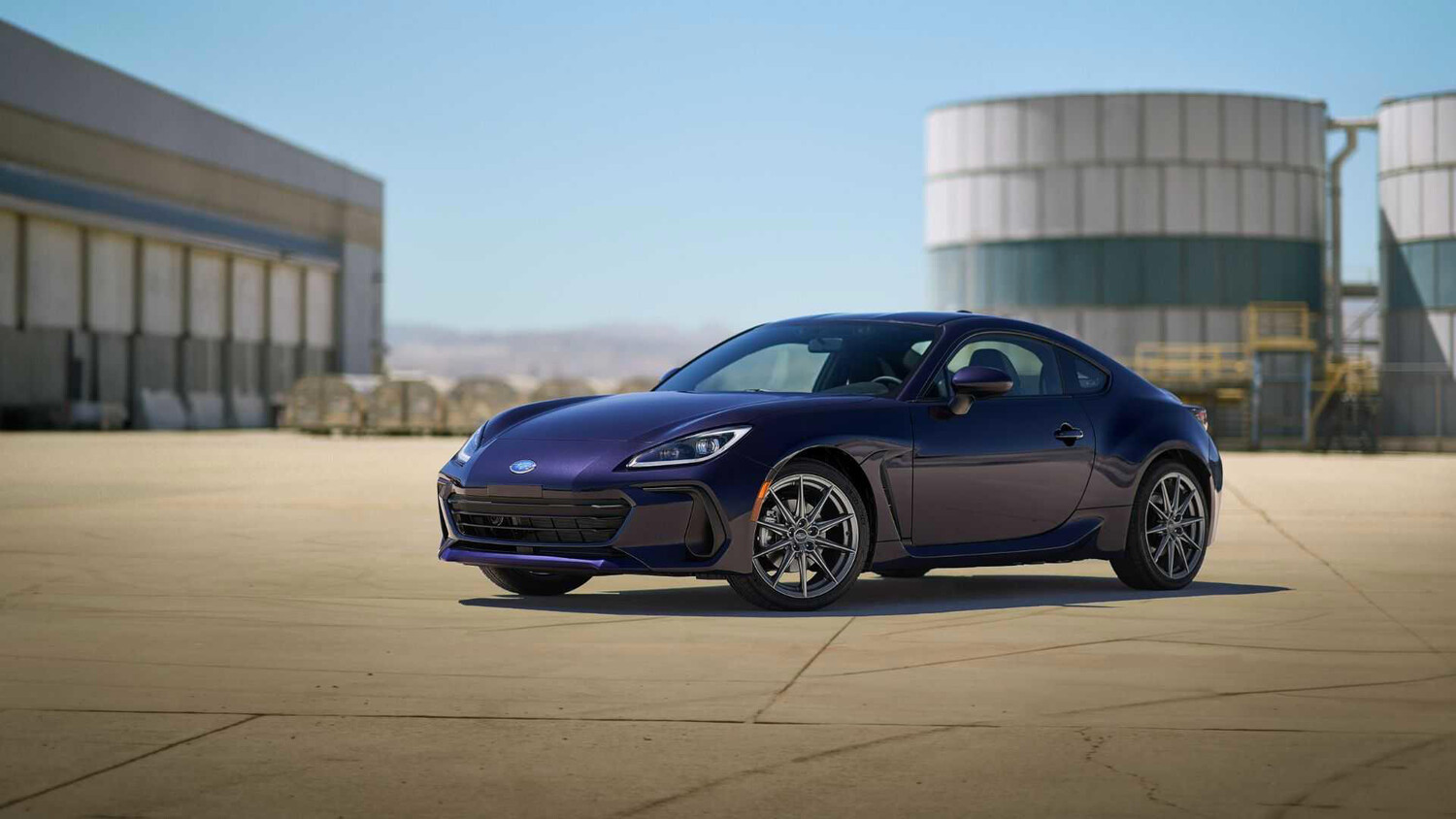
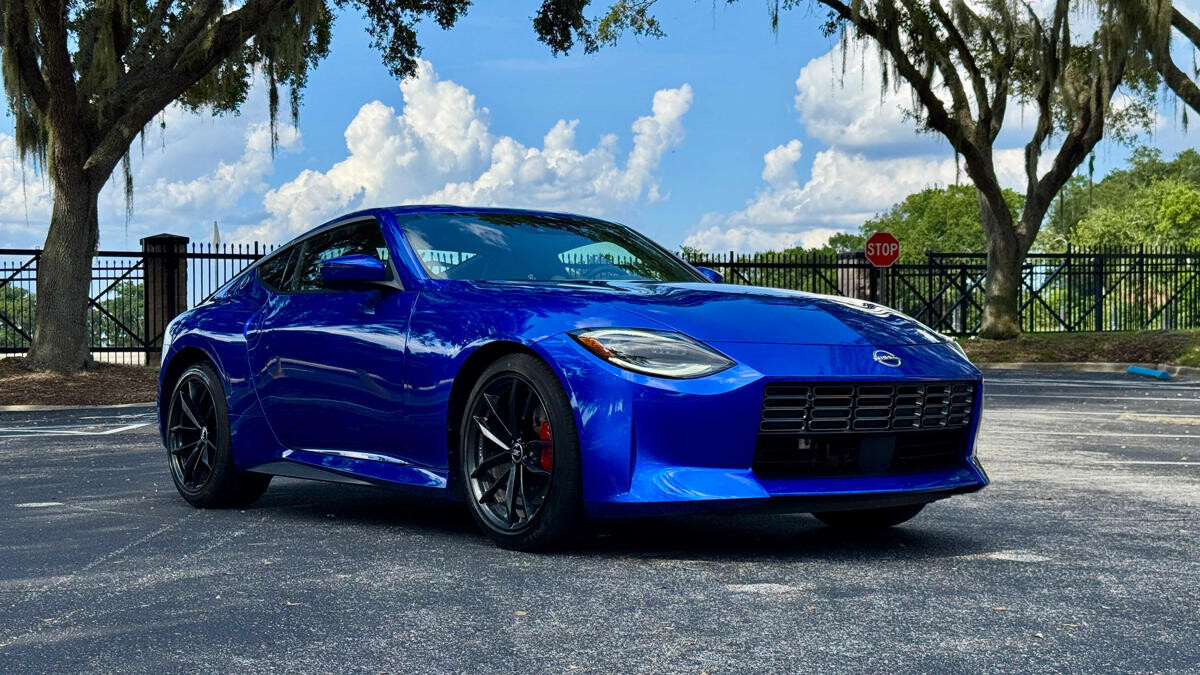
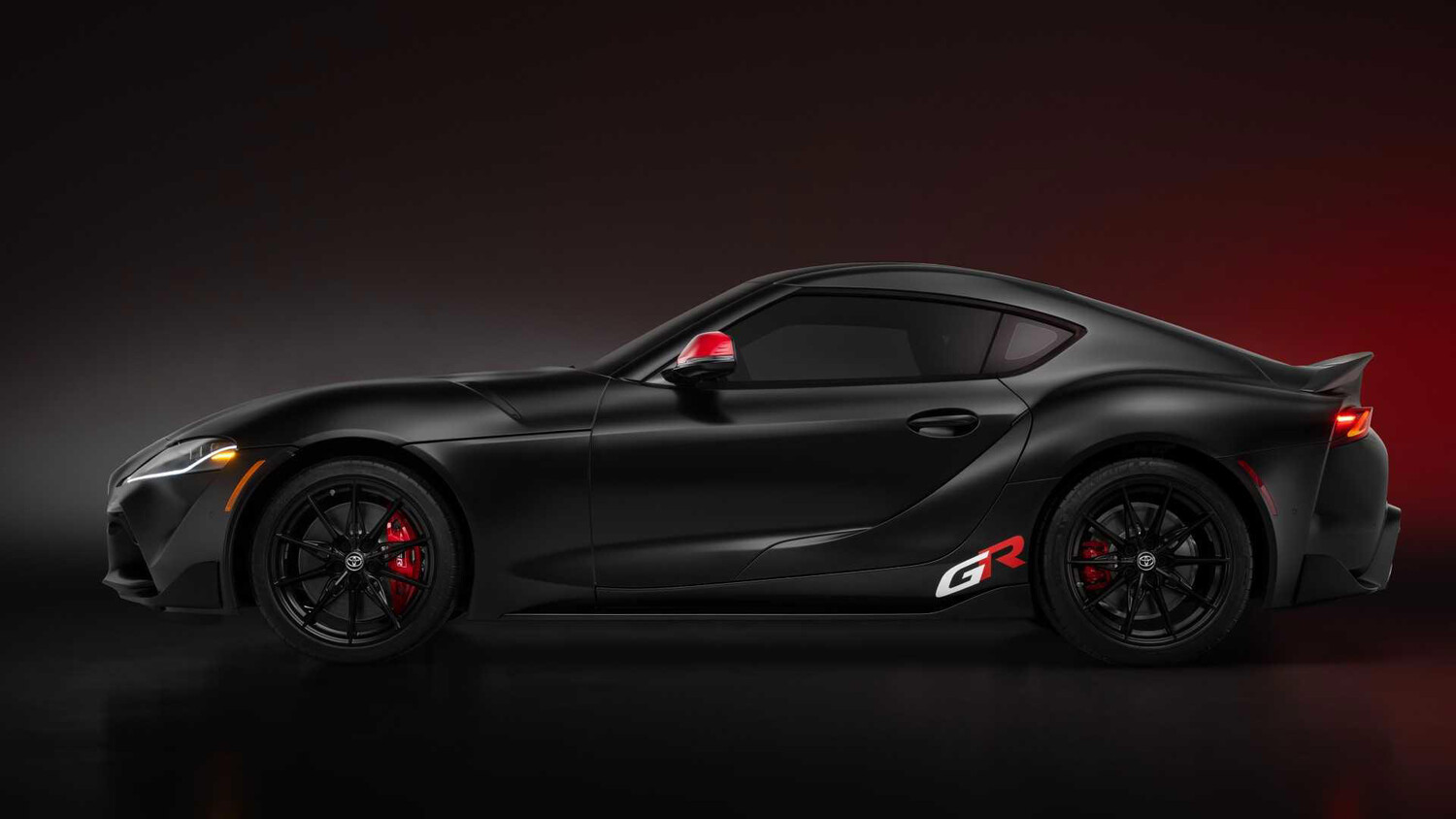
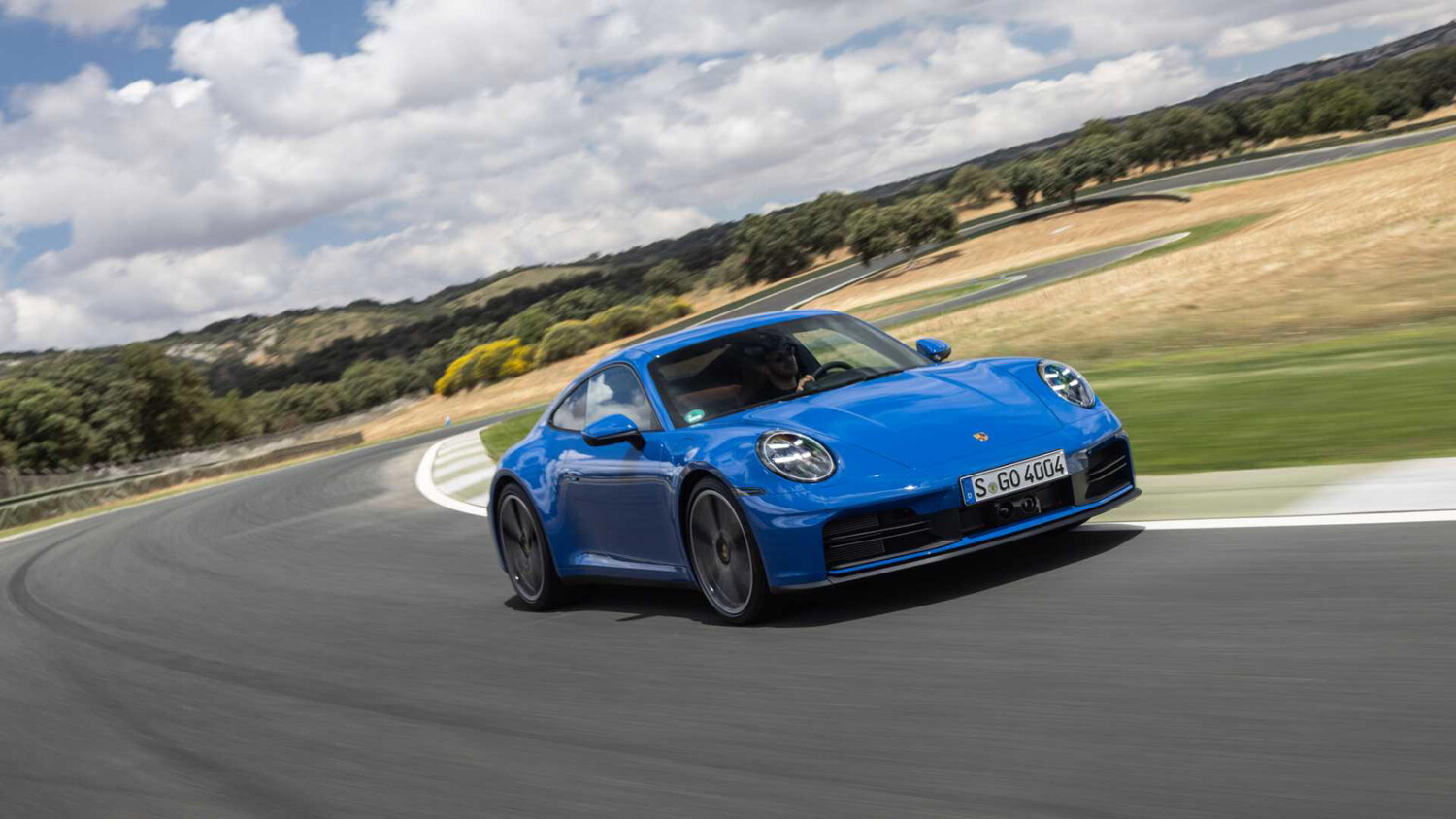
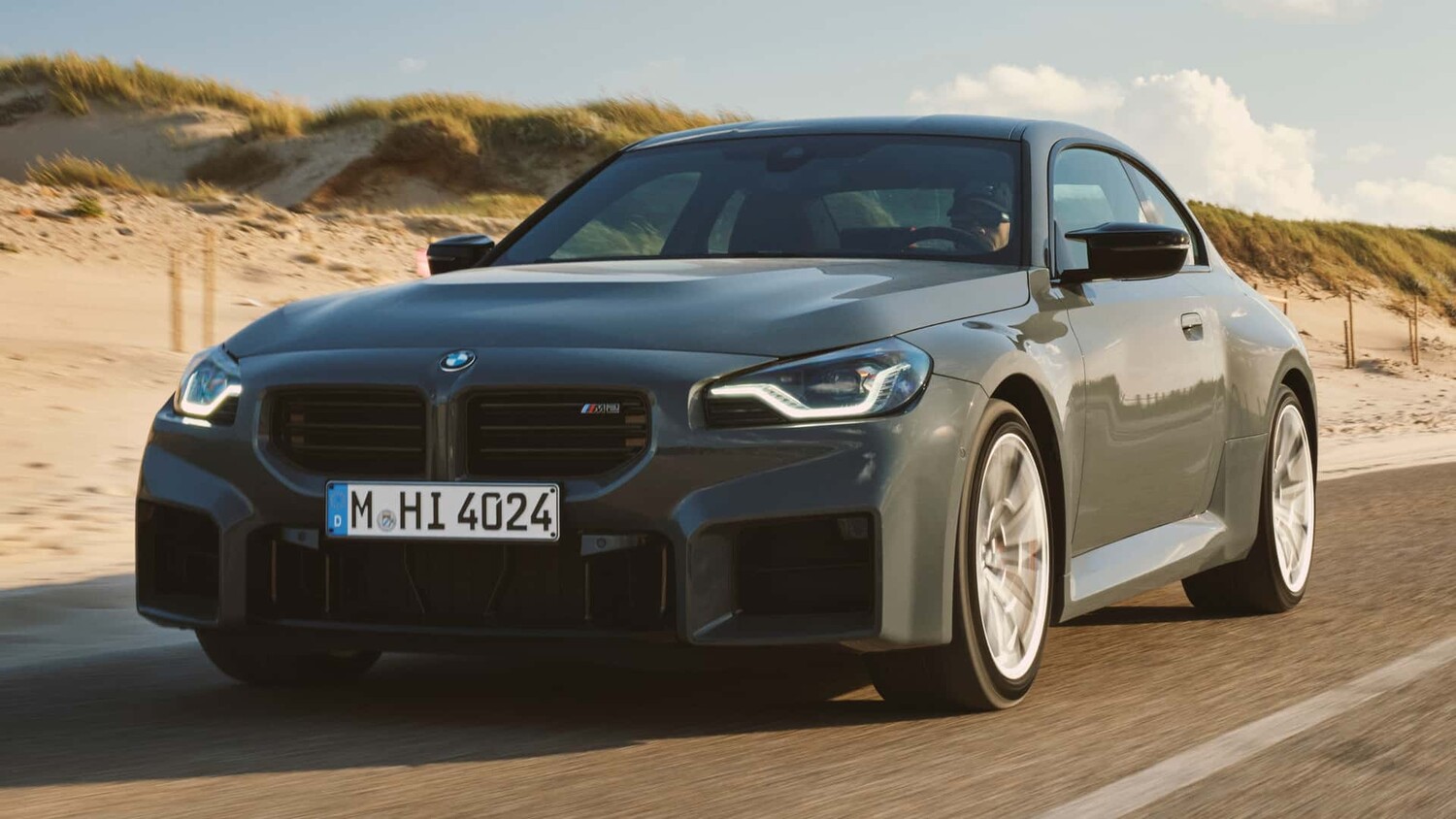
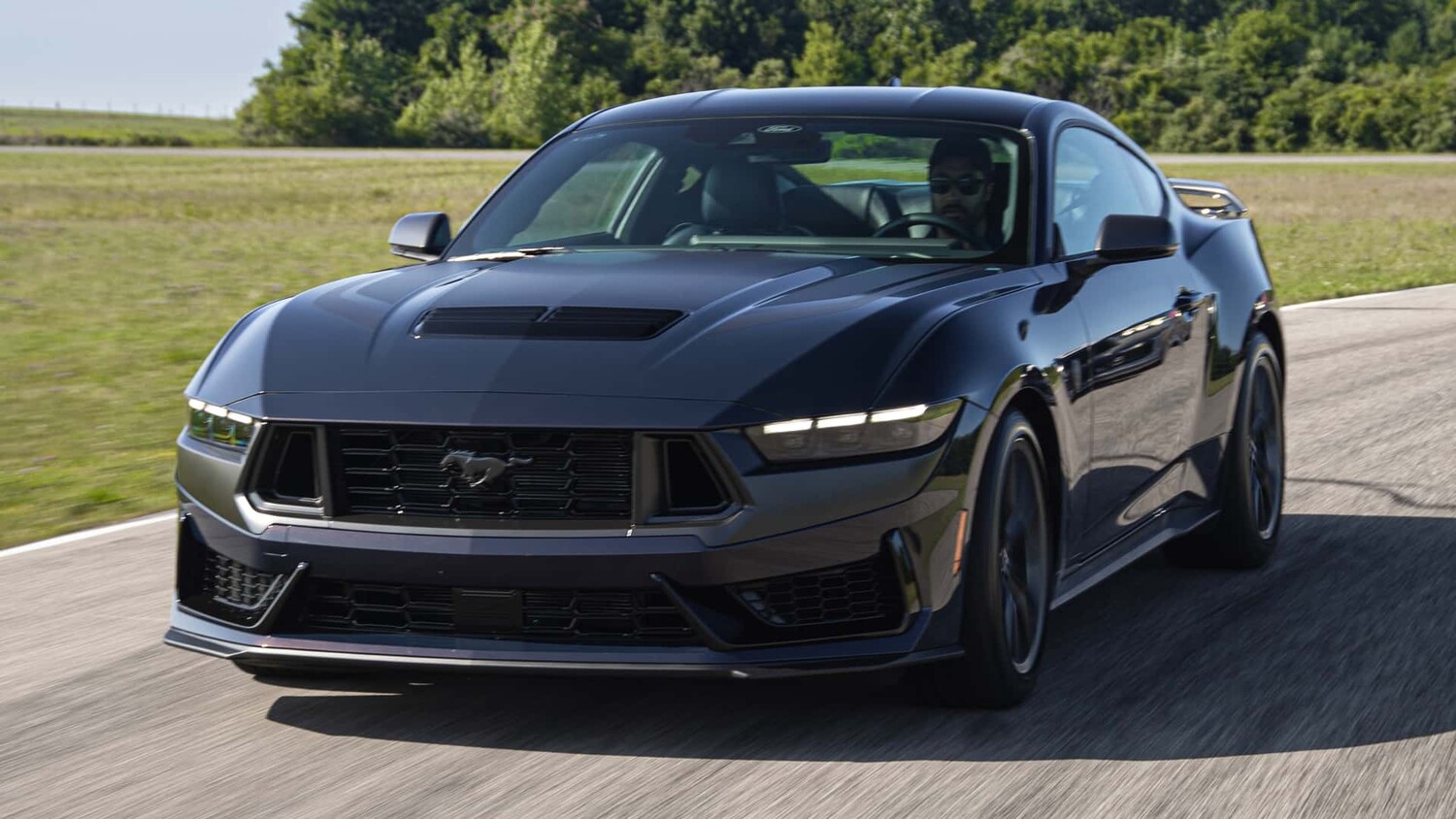
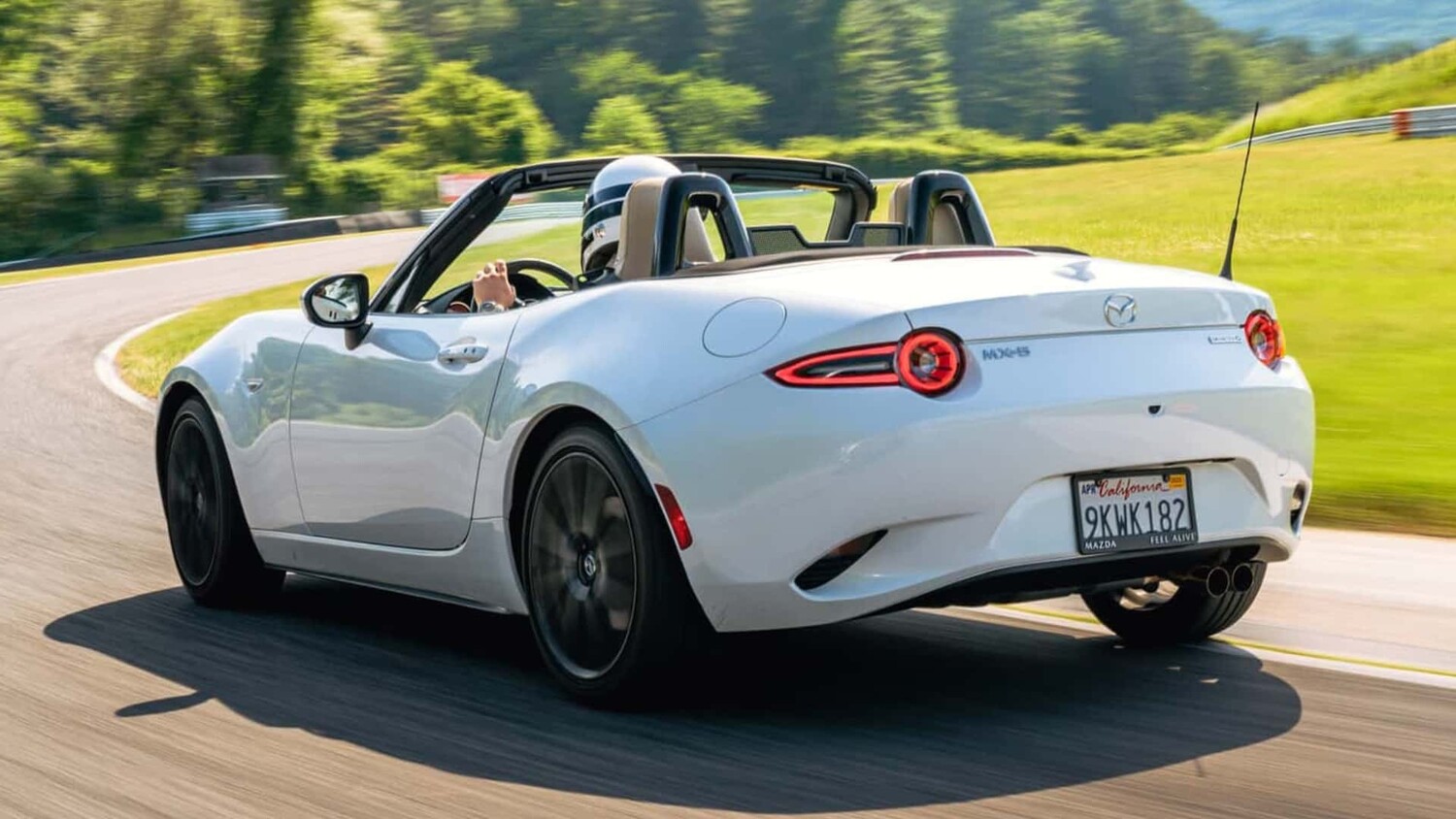
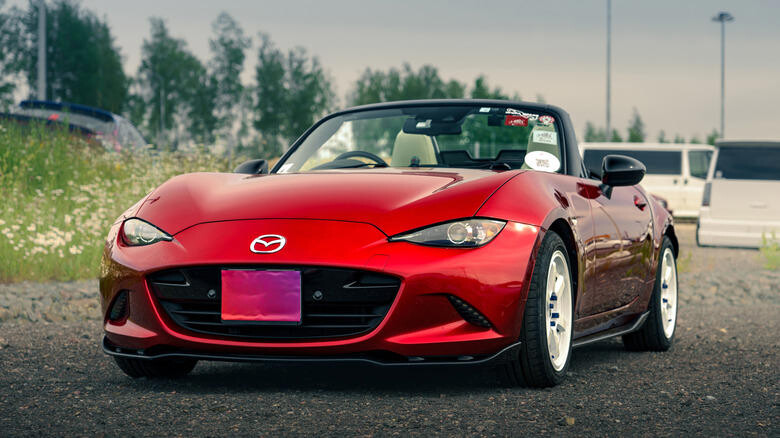
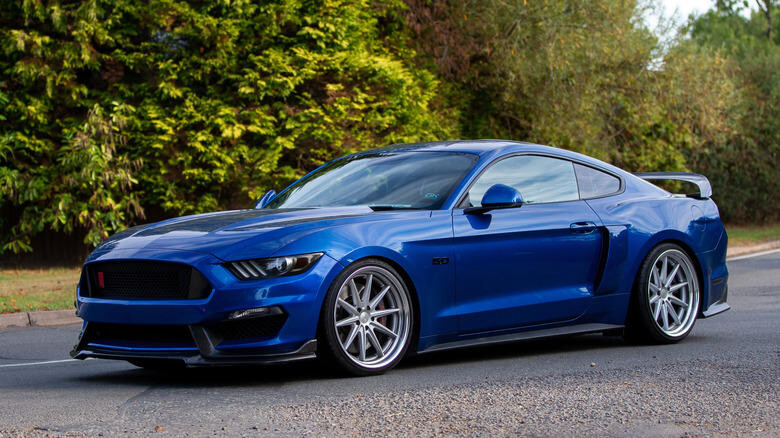
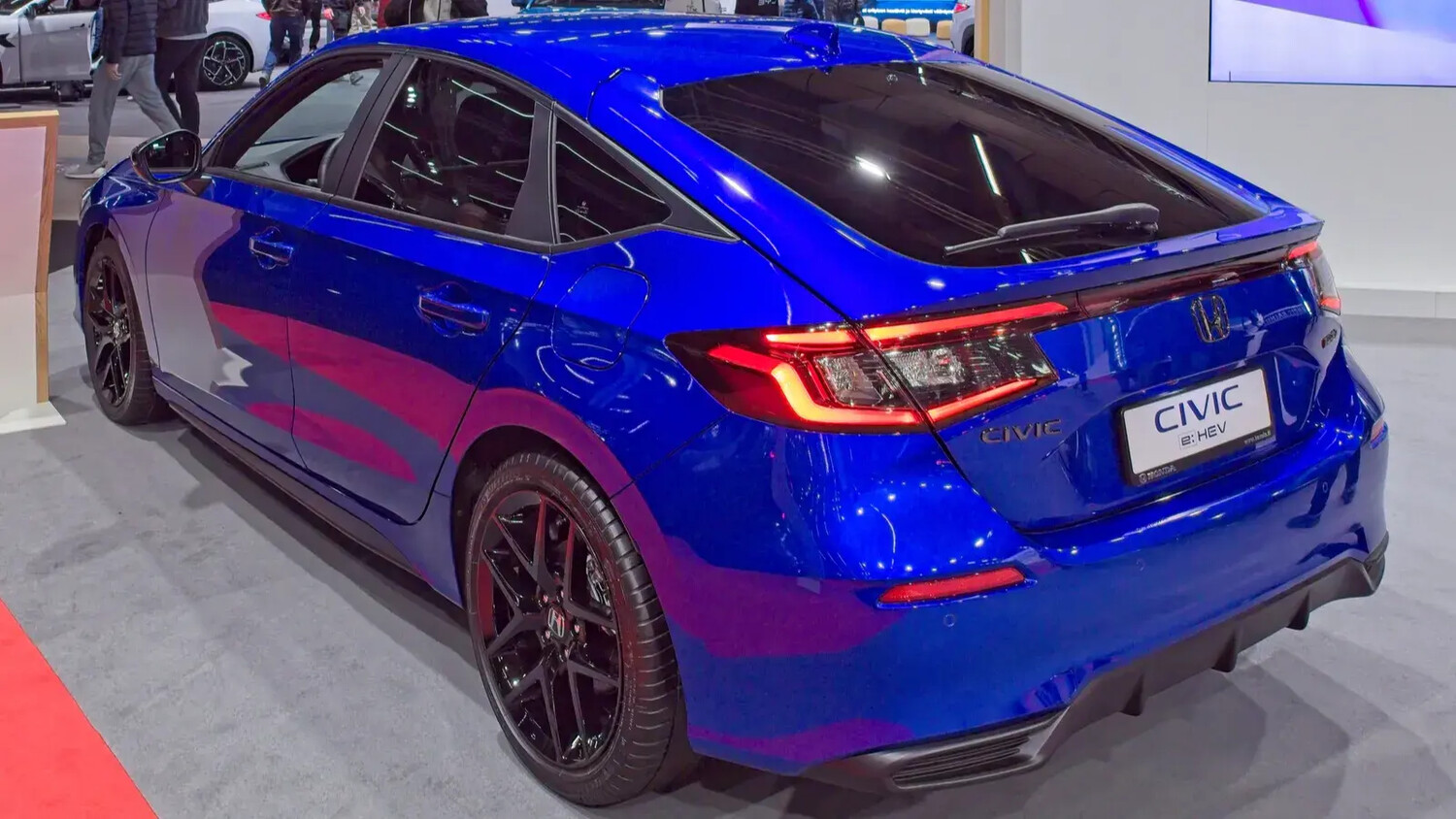
The Subaru BRZ (along with its nearly identical twin, the Toyota GR86) is one of the most unique and rewarding driver's cars on the market today. We've had a lot of great things to say about our time behind the wheel of the BRZ, and those things are made even better by the fact that the BRZ is one of the more affordable enthusiast choices you can buy right now, with a price that starts in the mid $30,000s. With its standard manual transmission, a low center of gravity, and a very driver-centric focus, the BRZ is great fun on a race track or a twisty backroad — and as far as sports cars go, it's also pretty easy to live with every day. While fuel efficiency is far from the main mission of the BRZ, the car does pretty well at the pump. Per the EPA, while running premium gasoline, the 2026 BRZ with the six-speed manual is rated at 20 MPG city and 27 MPG highway, for a combined rating of 22 MPG. Opting for the automatic transmission will boost those numbers to 21 MPG city and 30 MPG highway, with a combined rating of 25 MPG. Those are decent fuel economy numbers for a sports car powered by a naturally aspirated 2.4-liter boxer engine, but there are other modern enthusiast-focused models that do even better on gas. Below, we've rounded up five sports and performance cars that outperform the BRZ (and GR86) when it comes to fuel efficiency. Ford Mustang EcoBoost Ford When you think of the Ford Mustang, it's natural to picture one of the burly V8 models — but in terms of price and performance, it's the surprisingly-potent Mustang EcoBoost that best competes with the Subaru BRZ. In terms of output, the 2.3-liter turbocharged Mustang easily has the Subaru outgunned, with a 315-horsepower rating to the BRZ's 228 horsepower rating — and interestingly, that power advantage comes with no fuel economy penalty. Unfortunately for manual-transmission fans, Ford no longer offers the EcoBoost Mustang with a stick shift, but one big benefit of the Mustang's standard 10-speed automatic transmission is its strong fuel efficiency numbers. In standard form, the EPA rates the 2026 Mustang EcoBoost at 26 MPG combined for a 1 MPG advantage over the automatic BRZ, while the Performance Package drops that rating to 25 MPG, still tying the most fuel-efficient version of the Subaru. Along with its slightly better fuel economy numbers, one more potentially money-saving benefit is that the Mustang EcoBoost is designed to run on regular fuel, while the BRZ requires premium. Despite being a heavier, larger, more powerful car than the BRZ, the Mustang shows how effective turbocharging can be when it comes to balancing performance and fuel economy. Toyota GR Supra Toyota The Subaru BRZ is closely related to the Toyota GR86, and in Toyota's performance lineup, the GR86 sits well below the more powerful and more expensive GR Supra. However, despite the Supra sitting in a higher tier, in most trims, it actually outperforms or ties the BRZ and GR86 in fuel economy. This is especially true for the now-discontinued Supra 2.0-liter model. There's an argument to be made that the 255-horsepower, 2.0-liter-powered Supra is one of the more unappreciated performance cars of the 2020s, and in our experience, we thought the smaller-engined Supra delivered a lot of value for the money. The Supra 2.0 also punches above its weight at the gas pump, with a 27 MPG combined EPA rating. Interestingly, even the much more powerful 3.0-liter Supra matches the BRZ in fuel efficiency with a 25 MPG combined rating when its equipped with the automatic transmission. The only version of the Supra that's less fuel-efficient than the BRZ is the 3.0-liter, manual transmission model, which is rated at a lower 21 MPG combined. Unfortunately, though, production of the whole GR Supra lineup has recently come to an end, so buyers looking for this (BMW-built) Toyota sports car will now have to move to the secondhand market. Volkswagen GTI Volkswagen As a front-wheel-drive, turbocharged, five-door hatchback, the Volkswagen GTI is built from a very different kind of DNA than the rear-wheel-drive, naturally aspirated Subaru BRZ coupe. However, when it comes to price, performance, and target market, these two cars are quite evenly matched. Sure, the GTI might be built from humble Volkswagen Golf underpinnings, but as has been the case for decades, the current GTI is an undisputed enthusiast winner. With a factory rating of 241 horsepower from its 2.0-liter turbocharged four-cylinder, the GTI has a modest power edge over the BRZ, and it gets the edge in fuel economy as well, with a combined 27 MPG rating from the EPA. A big part of that efficiency comes from the GTI's standard, high-tech DSG transmission, and further sweetening the GTI's daily driver potential is the fact that it achieves these numbers on regular fuel. While some drivers will prefer the BRZ's more traditional RWD dynamics, the GTI's excellent fuel efficiency is just one of the many factors that make the VW such a well-rounded enthusiast car. Apart from its dramatically different underpinnings, the biggest drawback of the GTI for driving purists compared to the BRZ is the fact that Volkswagen dropped the car's manual transmission option back in 2025. BMW 2-Series BMW As we've seen in a few cars on this list, thanks to the advancements of modern turbo technology, big horsepower numbers don't always have to come with poor fuel economy. The current BMW 2-series is another strong example of this. BMW offers the 2-series coupe in a number of variants, with both four- and six-cylinder turbocharged engines, and with either rear-wheel-drive or all-wheel-drive — and all versions except the top dog BMW M2 actually beat the Subaru BRZ in fuel efficiency. The most fuel-efficient of the bunch is the four-cylinder, rear-drive 230i coupe, which is rated at a very impressive 30 MPG combined by the EPA with an especially high 35 MPG highway number. Opting for the all-wheel-drive xDrive 230i, meanwhile, drops that combined number to 28 MPG. Even the high-performance BMW M240i Coupe, with its 382-horsepower turbocharged inline-six engine and low 12-second quarter-mile ETs, still manages to beat the BRZ in fuel efficiency, with both the rear-drive and all-wheel-drive versions rated at 26 MPG combined. Needless to say, the M240i is a much more expensive car than the Subaru BRZ, but the fact that BMW is able to squeeze out such an impressive balance of horsepower and fuel economy from these engines is impressive at any price. Mazda MX-5 Miata Mazda Apart from the Toyota GR86, which is built in the same factory and is almost the same car as the Subaru BRZ, the BRZ's closest rival on the new car market has to be the iconic Mazda MX-5 Miata. Like the BRZ, the MX-5 is a two-door, rear-wheel-drive Japanese car powered by a naturally aspirated four-cylinder engine — and both cars are among the lightest and most affordable sports cars on sale today. There are still some big differences between the two, though. The BRZ is a four-seat coupe powered by a 2.4-liter boxer four, while the MX-5 is a two-seat roadster powered by a 2.0-liter inline-four. At 181 horsepower, the MX-5 is less powerful than the BRZ, but thanks to its lighter weight, it delivers comparable acceleration, and that lighter weight also pays dividends in fuel economy. Whether it's equipped with an automatic or manual transmission, the Miata gets a 29 MPG combined rating from the EPA, which is a 4 MPG improvement over the automatic BRZ and a 7 MPG improvement over the manual BRZ. In base form, the larger BRZ is priced several thousand dollars more than the MX-5, and when compared head-to-head, the BRZ is more practical than the Miata thanks to its more spacious interior and more sizable trunk. However, drivers who don't need that extra space will find that the open-top Mazda is able to travel farther on a gallon of fuel, further boosting the value proposition of this beloved sports car.

 Liked by Camille King, Liam Bouchard


 Liked by Camille King, Liam Bouchard