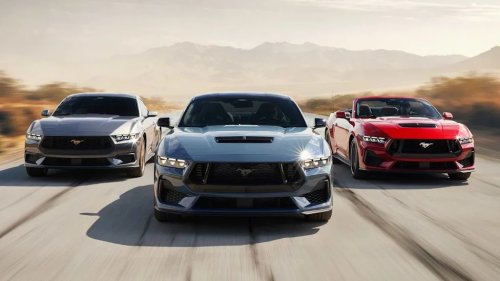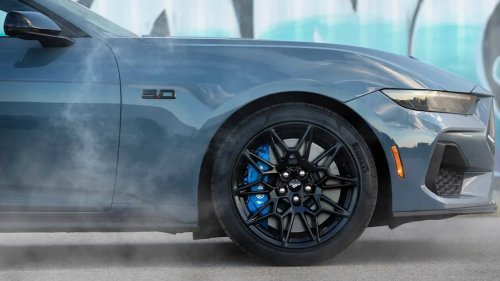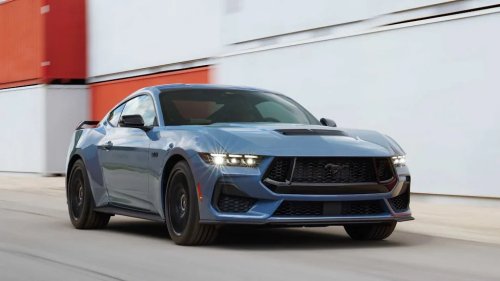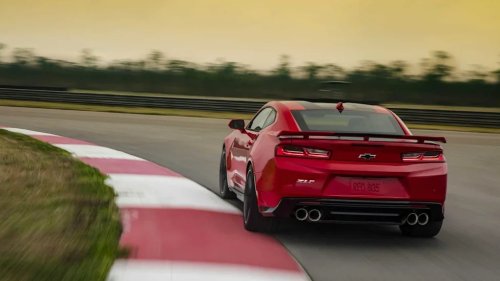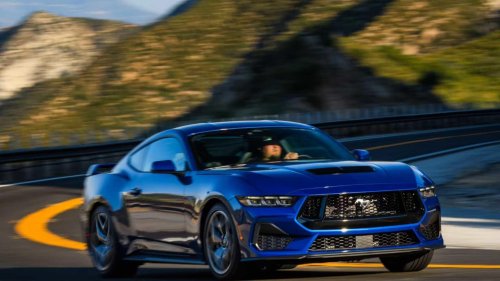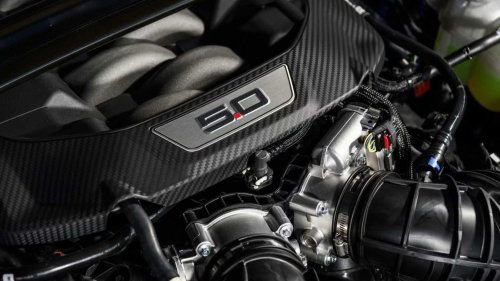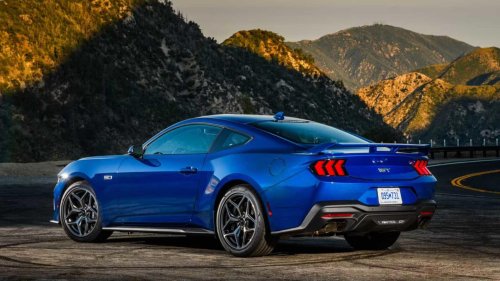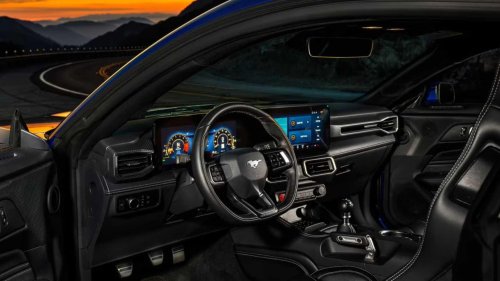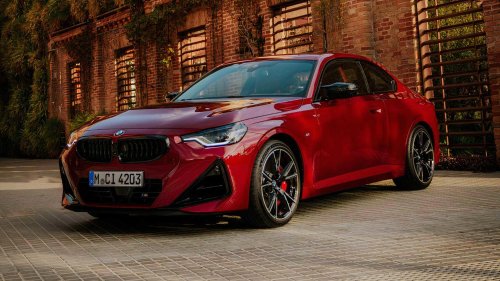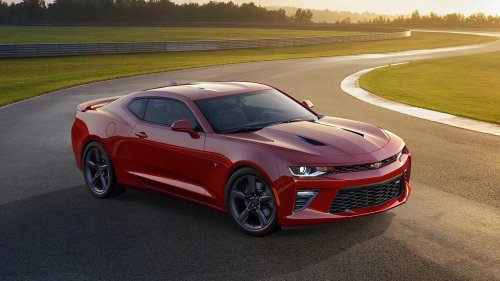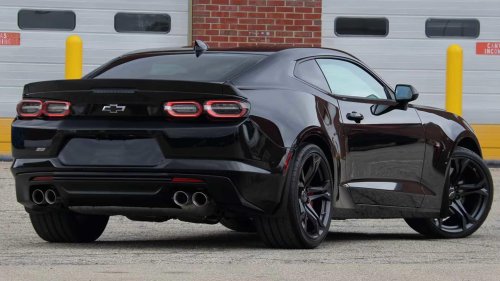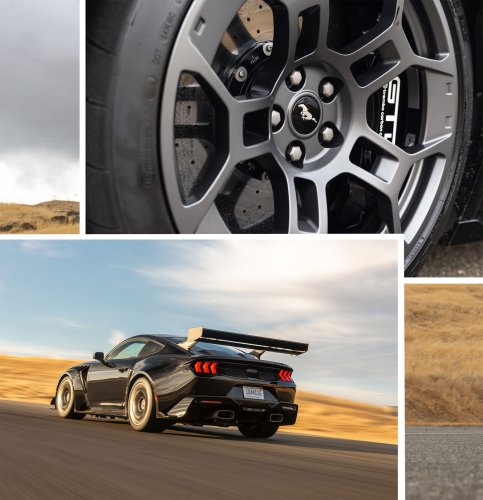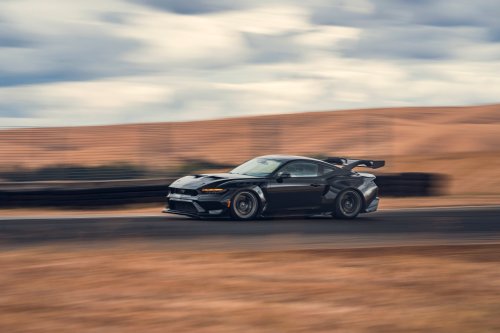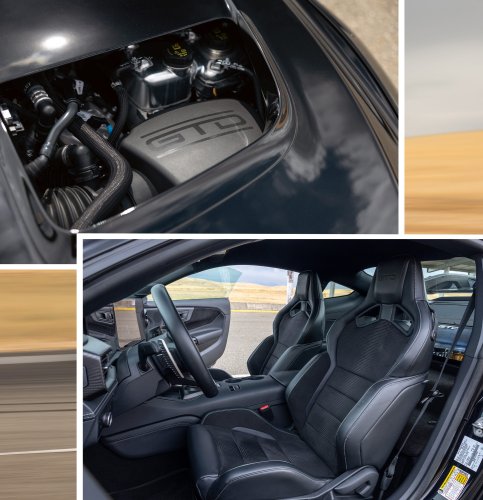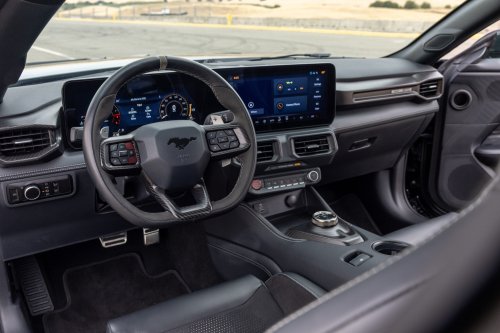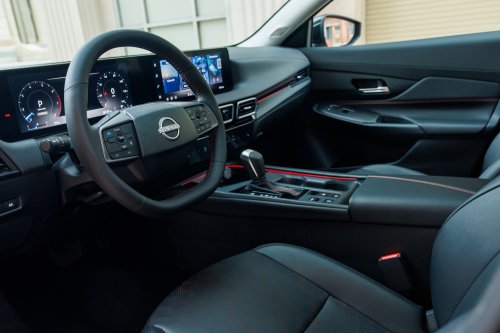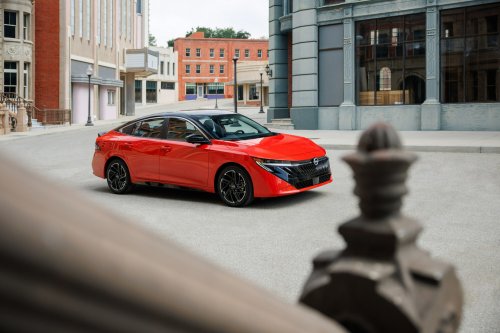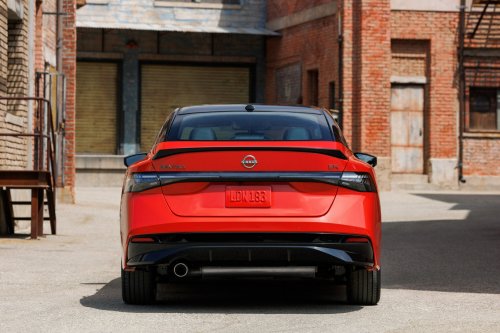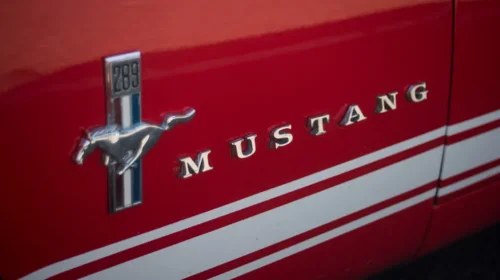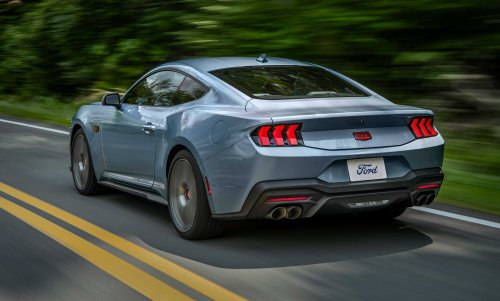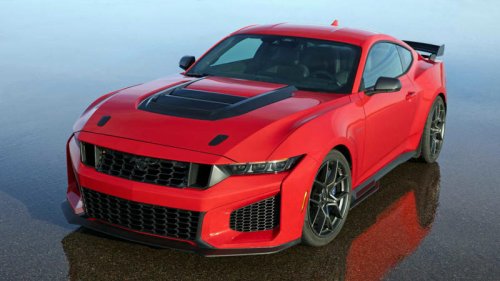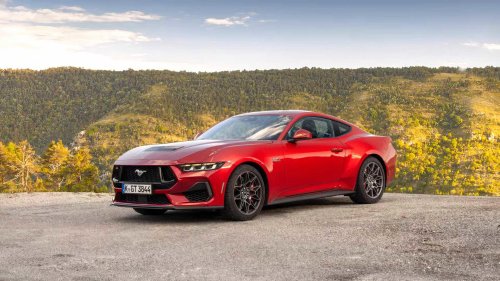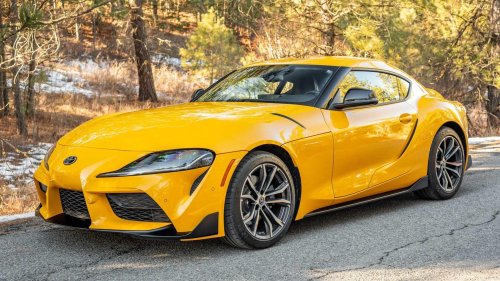
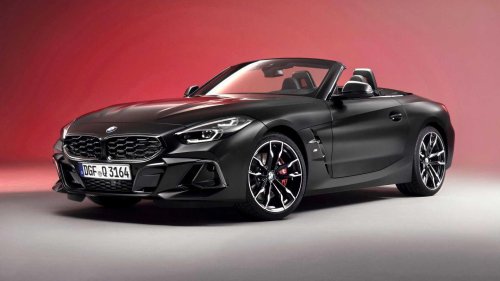
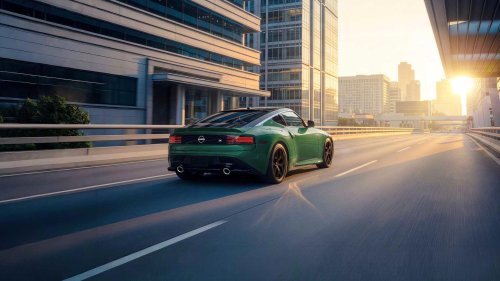
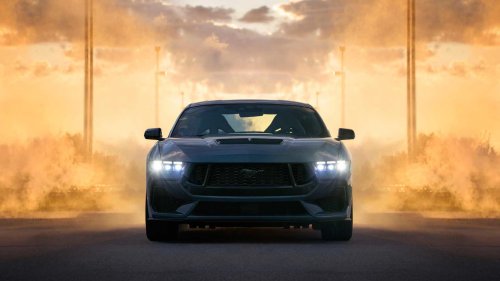
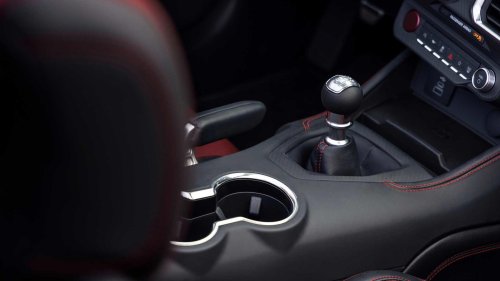
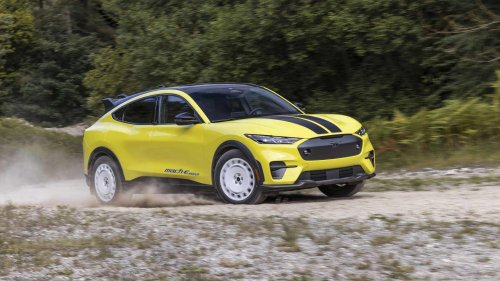
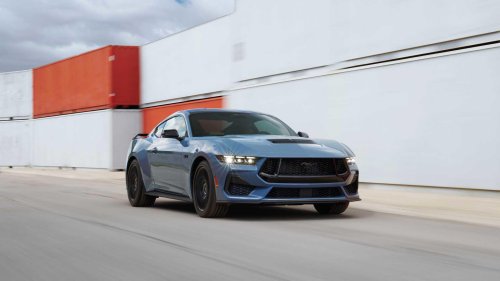
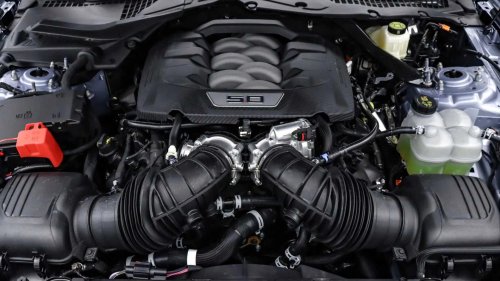
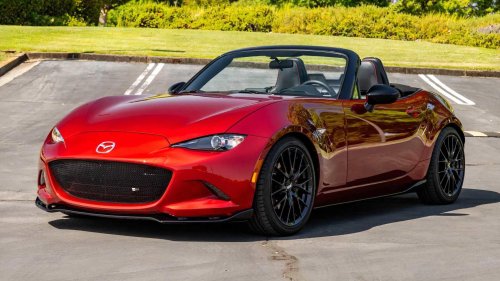
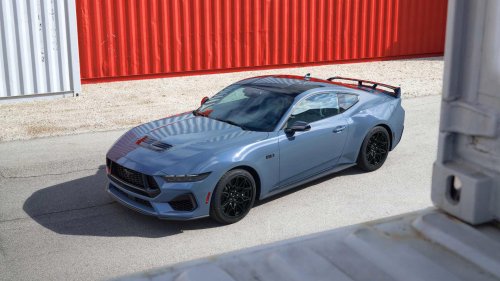
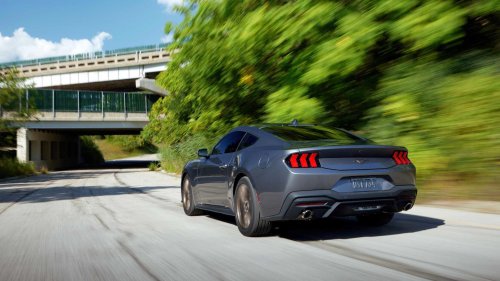



















A massive shift is coming to American roads in 2027. We are approaching a specific automotive cliff where the manual transmission faces its final stand. This is not another nostalgic plea to save the manuals. It is a story about cold business math and a shrinking market.While luxury rivals pivot to pricey collectibles or electric motors, one blue-collar icon refuses to change. The Ford Mustang is about to inherit a crown it never actually sought. By simply outlasting the competition, the Mustang GT is becoming the last affordable manual V8 sports car in America. It is the unlikely champion of the analog experience in a digital world. The $20,000 Price Gap: From Drivers to Collectibles Bring a Trailer The automotive world is currently witnessing the quiet, calculated death of the Magna Steyr twins. Both the Toyota GR Supra and the BMW Z4 are confirmed to end their production runs after the 2026 model year. These cars shared a platform including the chassis, a factory, and their respective essential soul, but their exit strategies look more like high-end estate planning than traditional car sales.Toyota is sending its modern icon off with the GR Supra MkV Final Edition. This specific model comes with a staggering price tag of $69,085. It is no longer marketed as a tool for the average weekend track day enthusiast. Instead, Toyota has repositioned the car as a high-priced farewell tour intended for wealthy collectors who value rarity over road time.BMW is following a very similar path with the Z4 M40i Handschalter. To get a manual transmission in this German roadster, buyers were expected to pay from $70,945, before options. BMW has effectively turned the manual gearbox into a luxury boutique package. It is treated as a premium add-on for the elite rather than a standard mechanical choice for the driving purist.BMW This shift creates a massive financial divide in the modern sports car market. While its rivals retreat into the $70,000 investment vehicle stratosphere, the Ford Mustang GT remains grounded in reality. With a starting MSRP of $46,560, the Mustang offers a massive $20,000 to $30,000 head start over its departing competition.Ford is now the only manufacturer offering a 5.0-liter naturally aspirated V8 with a stick shift for under $50,000. While European and Japanese brands treat the manual as a rare heirloom, Ford still treats it as a standard feature. The Mustang GT is the last populist hero in a field of increasingly expensive and elite collectibles. This price gap ensures that the Mustang remains the only reachable option for the common driver who still wants to row their own gears.NissanTo be fair, the Mustang GT is not the only affordable manual sports car left on sale. The Nissan Z starts at $42,970 with a six-speed manual, and the Subaru BRZ comes in even cheaper. But neither car offers a V8 engine, and that distinction matters enormously. The Z's twin-turbocharged V6 and the BRZ's flat-four are capable engines, but they deliver a fundamentally different experience. One without the soundtrack, the torque, or the sheer mechanical drama of a naturally aspirated American V8.For the specific buyer who wants eight cylinders, three pedals, and a price tag under $50,000, Ford is now completely alone. The 27% Mandate: Proof of Life in the Data Ford Keeping the manual transmission alive is not a charity project or a marketing stunt for Ford. The internal data shows that Mustang buyers are actively voting for the stick shift with their own wallets. In 2024, the manual take rate for the Mustang GT stayed strong at approximately 27%.This percentage proves that there is real, sustainable demand for a physical connection to the car. It represents a significant profit center for the company, not just a nostalgic gimmick to please vocal critics. Ford is leaning into this clear demand while other brands claim the manual market is too small to support.Ford The broader automotive landscape makes this survival story even more impressive to witness. By 2026, the pool of manual-equipped models available in the United States had shrunk to fewer than 30. A sharp drop from the 35 models available just five years prior, according to automotive industry tracking.Ford CEO Jim Farley has made his personal and professional position on the matter very clear. Speaking to Australian automotive media, he stated "Out of our cold, dead hands will we not have a manual Mustang."Ford promises not to abandon the manual Mustang as long as customer demand justifies it, a direct rebuke to rivals retreating from the segment. It is a declaration of war against the industry's slow retreat from the stick shift, and a calculated bet to capture market share abandoned by Toyota, BMW, and Chevrolet.Ford While the Mach-E carries the Mustang name as an electric SUV, Farley has been clear that an electric Mustang two-door sports car will not be made. A deliberate choice to protect the performance heritage that makes the nameplate worth owning in the first place. This focus on enthusiast physics serves as a vital buffer against the digital homogenization of the modern performance industry. The manual gearbox remains the core of the car's analog soul and its primary selling point.By refusing to change its mechanical formula, Ford is positioning itself as the sole destination for a specific type of driver. As the field of competitors narrows, the Mustang’s 27% take rate is likely to climb even higher. Ford is simply standing its ground while the rest of the industry runs away from its most loyal customers. The Last Few Standing Ford While the Supra and Z4 prepare to exit the stage, the Mustang is not entirely alone in its quest to save the manual. However, its only remaining peer exists at the opposite end of the engineering spectrum. Mazda is the other major holdout, but they are taking a very different path to preserve the analog driving experience.Mazda is doubling down on their famous "gram strategy" for the next-generation MX-5 Miata. The company is publicly targeting a curb weight of under 2,204 lbs (1,000 kg) for the upcoming 'NE' generation. They are achieving this by avoiding heavy electrification and focusing on pure mechanical simplicity.Bring a Trailer This creates two distinct philosophies for the modern enthusiast to choose from. On one side, you have the Ford Mustang GT, which relies on brute force and a massive 5.0 liters V8 engine. It is an American-scale machine built for power, sound, and a heavy presence on the open road.The Nissan Z deserves an honorable mention. Starting at $42,970 with a six-speed manual and a twin-turbocharged V6, it is a genuine enthusiast car keeping the analog flame alive. But the Z occupies a different lane. A turbocharged, Japanese-engineered machine aimed at a different kind of driver. The Mustang GT's naturally aspirated V8 represents something the Z simply cannot replicate: raw, unassisted displacement, accessible to anyone willing to walk into a Ford dealership.Bring a TrailerOn the other side, you have the Mazda Miata, which is a minimalist and precision-engineered featherweight. While both cars champion the manual gearbox, they offer completely different physical sensations behind the wheel. One is a heavy hammer, while the other is a delicate scalpel.The real tragedy of the 2027 cliff is the disappearance of the "middle ground" in the sports car market. With the Supra and Z4 gone, the space between the small Miata and the large Mustang is becoming a vacuum. Drivers will soon be forced to choose between the extreme agility of Mazda or the raw power of Ford. With 5,487 units sold in 2025, the demand for the Nissan Z is not as strong as the Mustang or the Miata.Despite these differences, both companies share a common enemy: the move toward total digital control. By keeping the weight low and the gearboxes manual, they are protecting the art of driving. They are the final two pillars holding up the roof of the analog world. 2027: The First Year Of The New Era Ford The 2027 model year will be remembered as a massive turning point in automotive history. It marks the first year of a new era where the Mustang stops being just one of the options. Instead, it officially becomes the only option for a high-horsepower, manual-shifting American experience.This was not a crown that Ford necessarily sought to win through innovation or complex engineering. It is inheriting the throne simply by having the courage to stay the same while everyone else, like the Chevrolet Camaro and Dodge Challenger threw in the towel. Their strategy was to outlast the competition rather than outrun them into an uncertain electric future.The manual Mustang is no longer just a trim level on a dealership lot. It is the last of its kind. It represents a refusal to let the software take over the entire driving experience. In a world of paddles and screens, rowing through the gears yourself has become a statement of independence.FordWhile other brands are spending their budgets on "Final Editions" and writing long eulogies for their sports cars, Ford is simply placing more orders for shift knobs. They are investing in the hardware that their customers actually want to use every single day. This commitment is creating a level of brand loyalty that money cannot buy.As we look toward the 2027 cliff, the narrative is becoming very clear for enthusiasts. If you want a new, affordable V8 with a stick shift, your search now begins and ends at a Ford dealership. The Mustang didn't ask for this responsibility, but it is now the last guardian of the analog flame.The "save the manuals" movement might be losing the war across the rest of the industry. However, inside the Ford Mustang, that movement has already won. The king isn't dead; he’s just shifted into fourth gear and is pulling away from the crowd.Sources: Ford, CarExpert, The Drive, 7thmustang