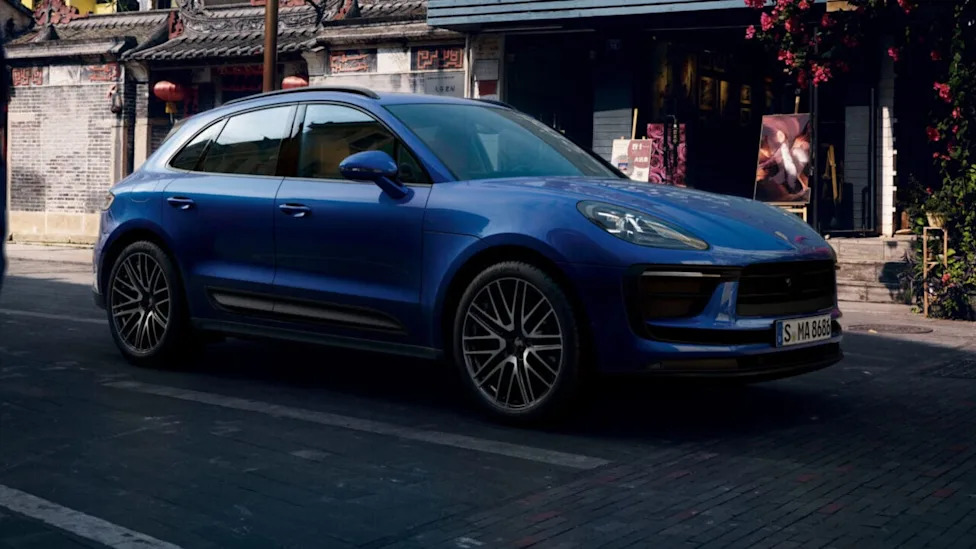
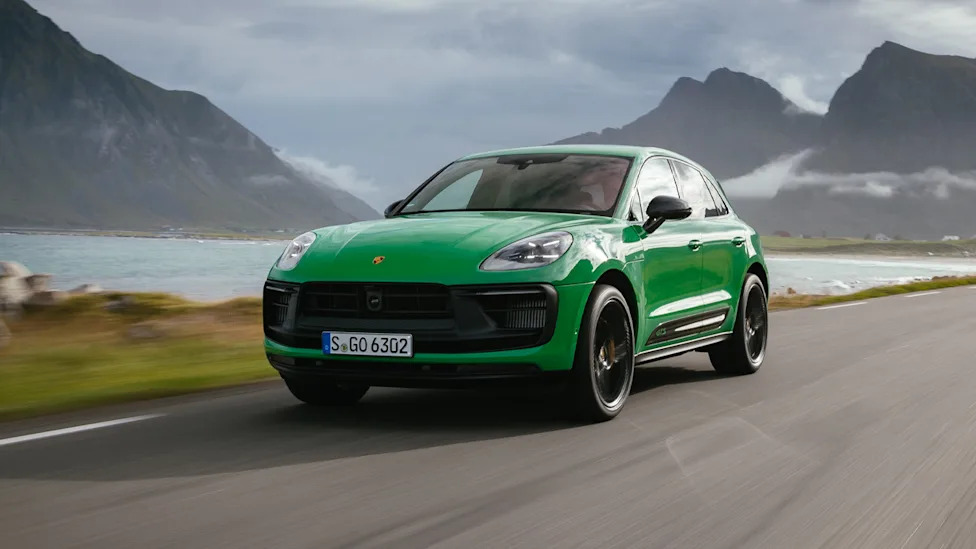
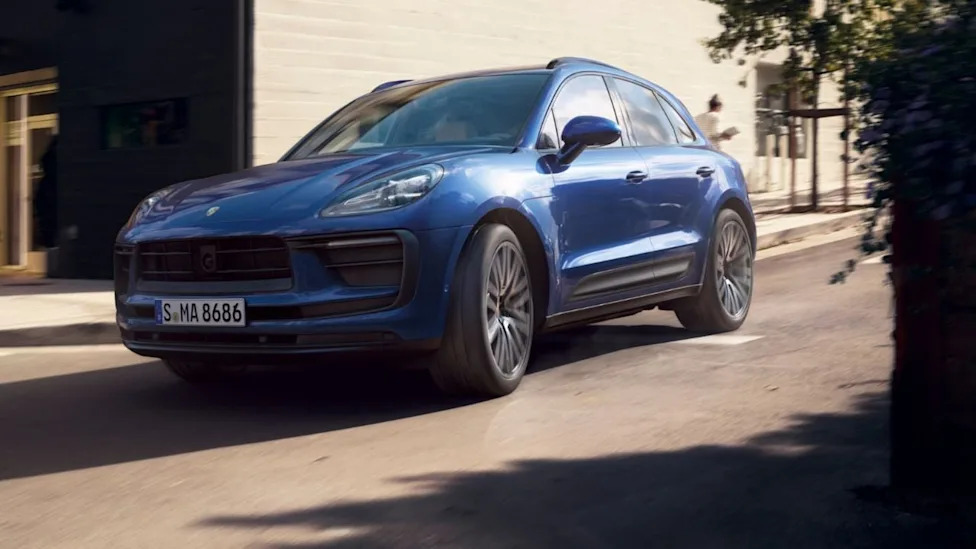



















Image Credit: Porsche.Porsche is preparing to say goodbye to one of the most important vehicles it has ever built. After more than a decade of success, the internal-combustion Porsche Macan is nearing the end of production as the company pushes deeper into its electric future.For enthusiasts and loyal Porsche buyers, the timing feels bittersweet. The gas-powered Macan has become one of the most complete performance SUVs on the market, blending sports-car handling with everyday usability in a way few rivals have ever managed.Its departure also highlights a growing problem facing several luxury automakers. Many brands aggressively pivoted toward EVs, expecting demand to rise much faster than it actually has, only to discover buyers still strongly prefer gasoline engines and hybrids in many segments.AdvertisementAdvertisementPorsche itself has already acknowledged that making the next-generation Macan exclusively electric may have been a mistake. That realization is now forcing the German automaker to rethink its long-term strategy, even as the beloved ICE-powered Macan prepares to disappear this summer.The Macan Became Porsche’s Financial LifelineImage Credit: Porsche.When Porsche launched the original Cayenne in 2003, many enthusiasts complained that an SUV had no place wearing a Porsche badge. In reality, the Cayenne ended up saving the company financially and helped fund the sports cars enthusiasts loved.The Macan followed in 2014 as a smaller, more affordable alternative aimed at buyers who wanted Porsche dynamics in a compact SUV package. It quickly became one of Porsche’s best-selling models globally and expanded the brand’s reach far beyond traditional sports-car customers.Underneath, the Macan shared its basic architecture with the Audi Q5, but Porsche heavily reworked the chassis, suspension, steering, and drivetrains to give it a much sharper and more engaging personality. The result was a compact SUV that genuinely felt like a Porsche from behind the wheel.AdvertisementAdvertisementThat balance of practicality and performance became the Macan’s greatest strength. Families could comfortably use it as a daily driver while still enjoying the kind of precise handling and responsiveness usually reserved for dedicated performance cars.Porsche Bet Big On EVs, But Buyers Didn’t Fully FollowPorsche originally planned to transition heavily toward electric vehicles, with the second-generation Macan becoming one of the company’s centerpiece EV products. The problem is that many customers simply never stopped wanting the gas-powered version.The new electric Macan launched for the 2025 model year as an EV-only vehicle. Meanwhile, the outgoing ICE Macan continued selling strongly, with reports indicating that gasoline versions still represented the majority of Macan sales during the early stages of the transition.Former Porsche CEO Oliver Blume even admitted that making the Macan fully electric was likely a mistake. Consumer demand for EVs has softened in many markets, especially among buyers unwilling to compromise on charging convenience, pricing, or long-distance flexibility.AdvertisementAdvertisementThat leaves Porsche facing an awkward transition period. The gas-powered Macan is ending production, but the company now knows it still needs combustion-powered compact SUVs in its lineup.The Current Macan Is Still An Outstanding SUVImage Credit: Porsche.For buyers still interested in owning one, the 2026 Porsche Macan remains available in several configurations before production ends. Even the base version continues to offer a remarkably well-rounded driving experience.The entry-level Macan uses a turbocharged 2.0-liter four-cylinder producing 261 horsepower and 295 pound-feet of torque. While not outrageously fast, the lighter engine helps preserve the Macan’s nimble handling characteristics while also improving efficiency.Stepping up to the Macan T adds a more focused suspension setup along with Porsche Active Suspension Management, sharpening the SUV’s already impressive cornering ability. For many enthusiasts, this trim arguably hits the sweet spot in the lineup.AdvertisementAdvertisementThe more expensive Macan S and GTS models bring twin-turbocharged 2.9-liter V6 power. The GTS in particular transforms the compact SUV into something genuinely aggressive, producing 434 horsepower and delivering the kind of acceleration that embarrasses many sports sedans.Porsche Is Already Working On A ReplacementThe good news for Porsche fans is that the company already appears to recognize the gap the ICE Macan will leave behind. Executives have reportedly approved the development of a new compact crossover designed specifically to offer combustion and hybrid powertrains again.That future SUV is expected to arrive around 2028 and will effectively serve as the spiritual successor to the gas-powered Macan, even if it ultimately carries a different name. Hybrid versions are also expected as Porsche tries to strike a more flexible balance between electrification and traditional engines.In many ways, Porsche’s changing strategy reflects something many automakers have realized recently. Fully abandoning combustion engines may have arrived too early for many buyers, particularly in premium performance segments where emotional appeal and long-distance usability still matter enormously.AdvertisementAdvertisementUntil that replacement arrives, though, the original gas-powered Macan is heading into retirement, and for many enthusiasts, the disappearance of one of the greatest driver-focused SUVs ever made will leave a much bigger hole in Porsche’s lineup than the company probably expected.If you want more stories like this, follow Guessing Headlights on Yahoo so you don’t miss what’s coming next.