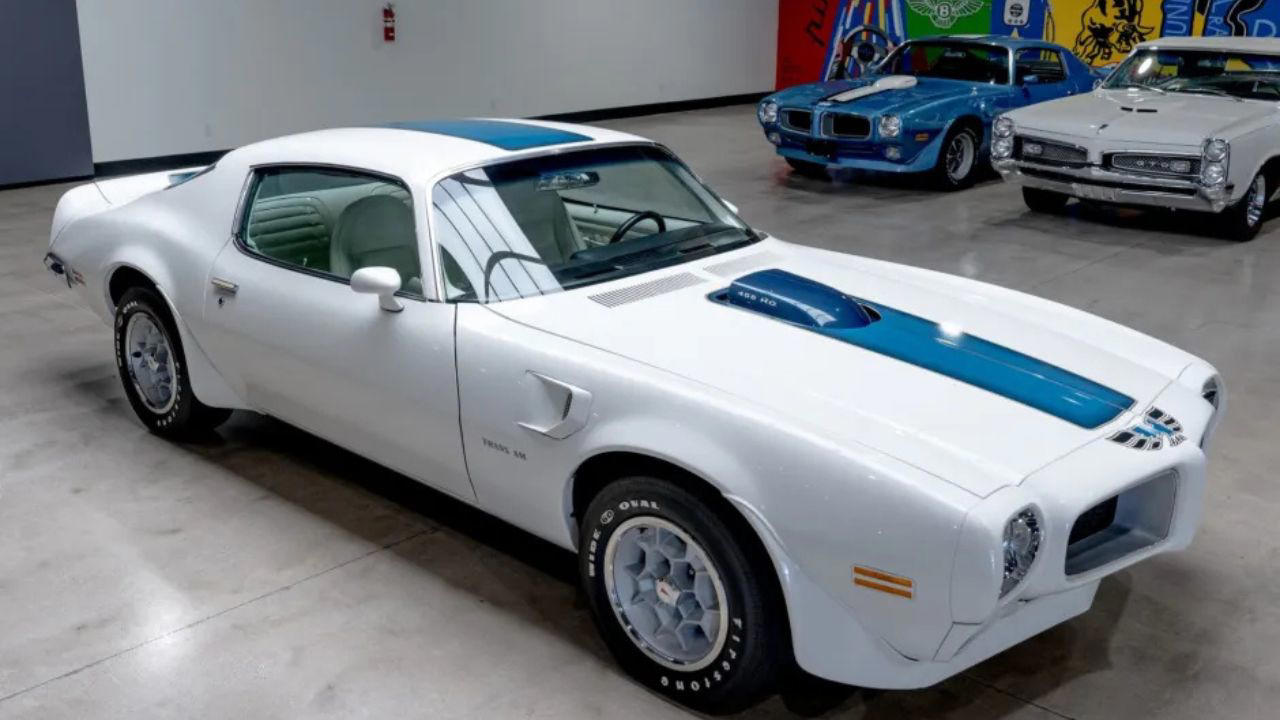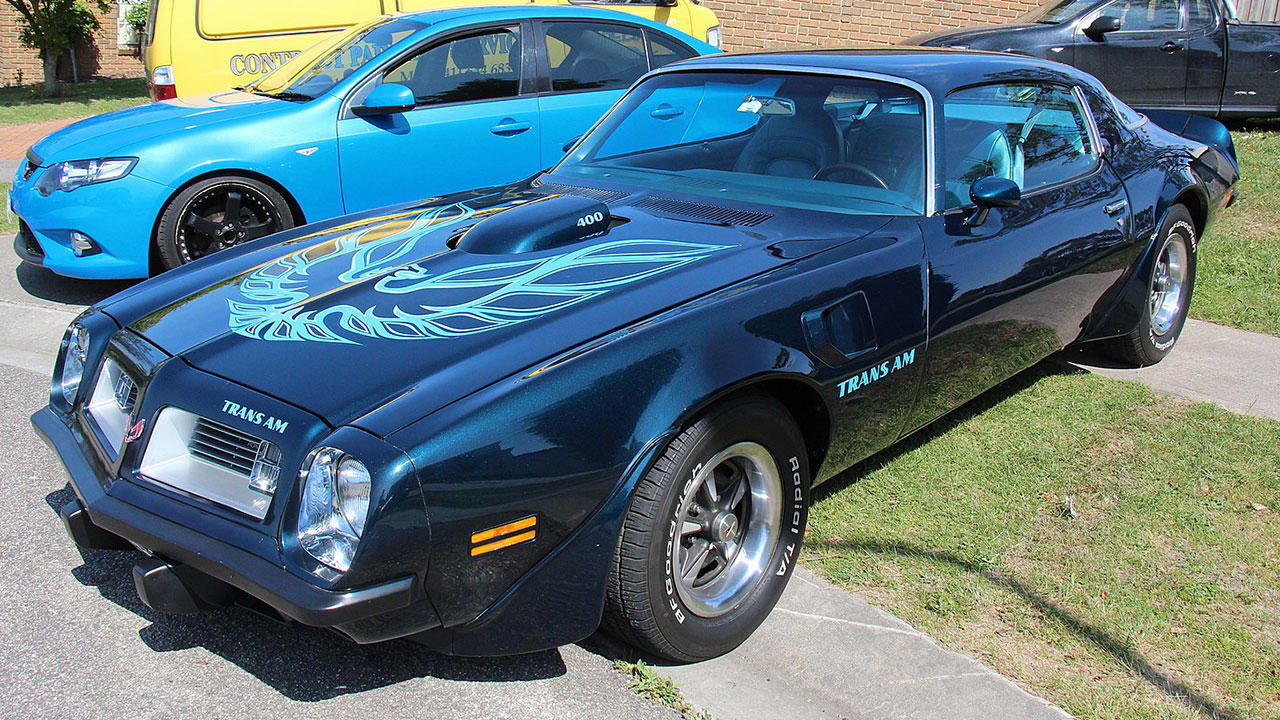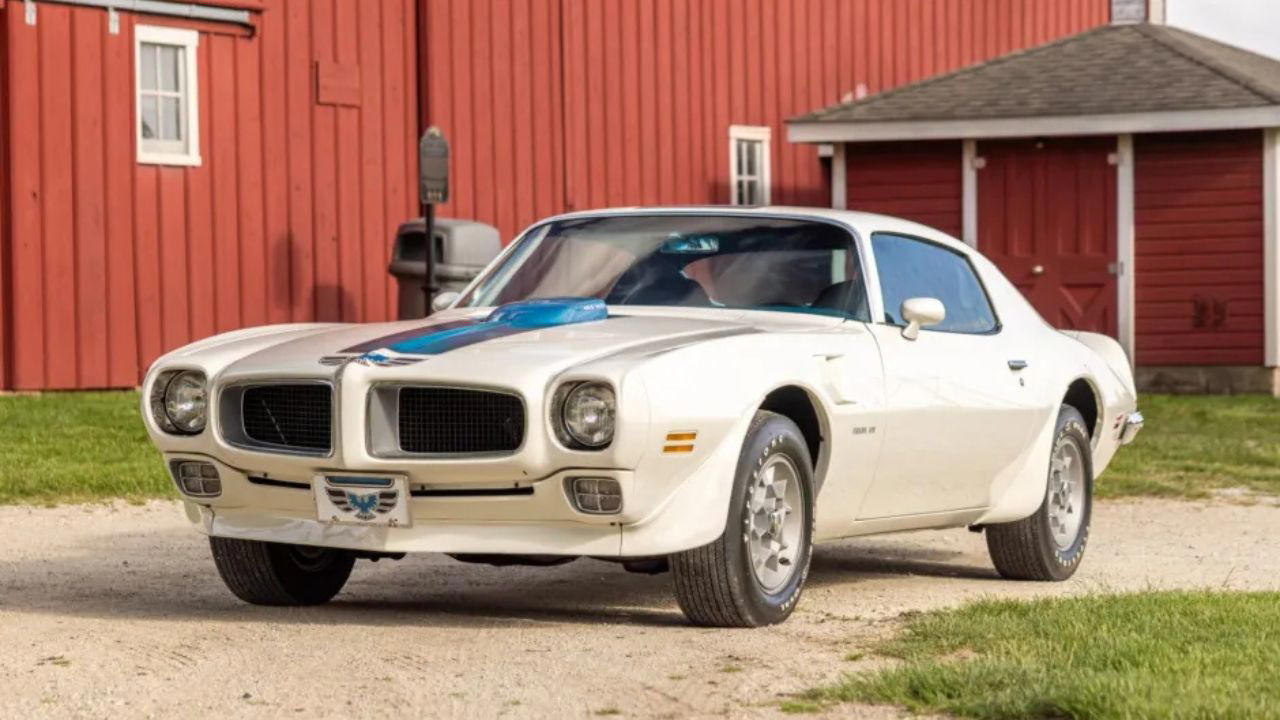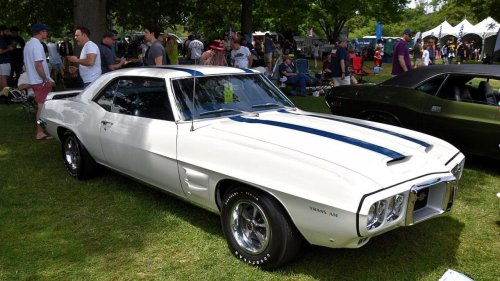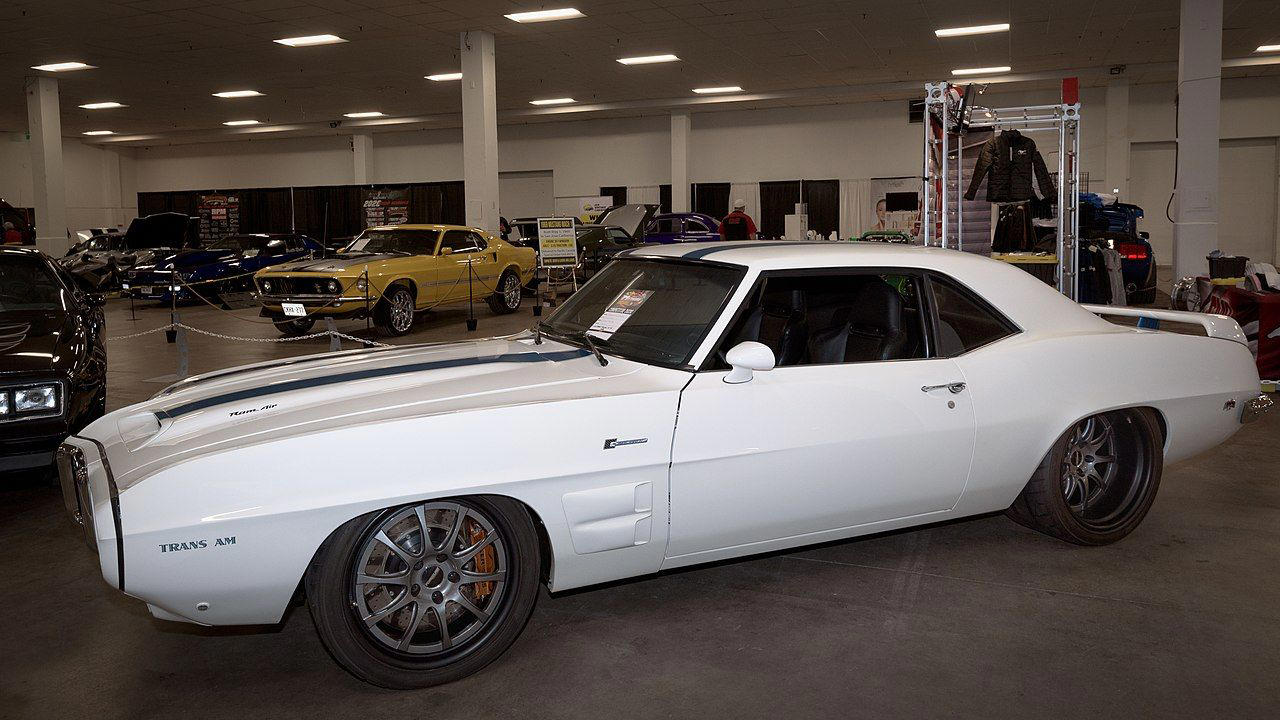



















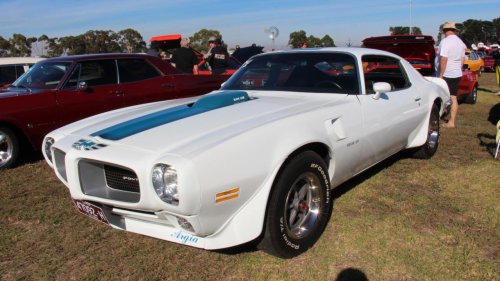

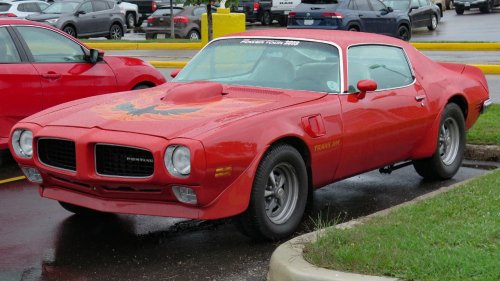


The first Trans Am barely sold before becoming one of the most recognized names in muscleThe first Pontiac Trans Am arrived quietly, sold slowly and almost disappeared before most buyers even knew it existed. Yet that low-volume option package on a humble Firebird would go on to become one of the most recognizable names in American muscle, a car that bridged road racing ambition, street performance and later pure pop culture stardom. The story of that inaugural 1969 Trans Am is one of contradictions: advanced chassis tuning wrapped in subtle styling, a price tag that scared off mainstream buyers, and production numbers so tiny that collectors now treat surviving cars like blue-chip investments. Its struggle in showrooms is exactly what makes its legacy so outsized today. Born as a Firebird option, not a standalone star The Trans Am did not arrive as a headline-grabbing new model. For 1969, Pontiac treated it as a package on the existing Firebird, which already shared most of its structure and underpinnings with GM’s F-body line. Contemporary accounts describe how the Firebird still shared and mechanical layout with its Camaro cousin, making the Trans Am’s transformation more about careful tuning than radical redesign. On paper, Pontiac’s strategy was simple. The brand wanted a high-performance variant of the Pontiac Firebird that could carry the new Trans Am name into SCCA-style road racing and onto American streets. One detailed summary notes that the Trans Am was introduced specifically as a symbol of muscle car performance and racing heritage. Crucially, 1969 was the first year for the Trans Am, and it was also the only year that the Trans Am remained just an option on a base Firebird. Later generations would be marketed as standalone models, but that first run was essentially an upfit on the order sheet. As one period recap puts it, As one period recap puts it, 1969 was the only year the Trans Am was offered as an option package. The package was not cheap. Buyers had to start with a Firebird, then add the Trans Am equipment as a separate line item. One detailed breakdown notes that it was offered as a on top of the base car, a steep premium at the time for what looked to casual shoppers like a stripe-and-spoiler package. Engineering a driver’s car that buyers overlooked Underneath the stripes, Pontiac engineers created something more serious than a simple appearance upgrade. The Trans Am received a 400 cubic inch Ram Air engine, heavy duty 3-speed floor shifted transmission, and a set of chassis tweaks that turned the car into a genuine handler by the standards of the late 1960s. Those tweaks included firmer springs, revised shocks and other suspension changes that targeted road course performance rather than just straight-line speed. Several retrospective accounts agree that the 1969 Trans Am would be the best handling car Pontiac had built up to that point. One description states directly that 1969 Trans Am, a view echoed by other period sources that highlight the car’s balance and grip. Despite that engineering focus, the Trans Am’s visual changes were relatively restrained compared with some of Pontiac’s other muscle machines. While the GTO Judge shouted its presence with bright colors and bold graphics, the Trans Am relied on a white paint scheme with blue stripes, functional scoops and a subtle rear spoiler. One modern overview of the Trans Am as for a later American pop culture fixture notes that the inaugural model combined performance hardware with a look that set it apart from other Firebirds without resorting to cartoonish styling. That restraint may have hurt it in showrooms. Buyers who wanted attention-grabbing muscle gravitated toward the loudest options, while those who preferred subtlety were often unwilling to pay a premium for what seemed like minor visual and mechanical upgrades. The Trans Am sat awkwardly between those camps, a serious driver’s car in an era when spec sheets and drag strip times often mattered more than chassis tuning. The numbers that made it rare The production figures tell the story of how thoroughly the first Trans Am missed its sales targets. Across the entire 1969 run, only 697 Trans Ams were built. Multiple sources converge on that figure, with one breakdown describing the Extremely Limited Production, and another noting that Only 697 examples of the 1969 Pontiac Firebird Trans Am were ever built. The breakdown is even more striking. Of those 697 units, 689 were coupes and only 8 were convertibles. One detailed production summary notes that the Trans Am option was offered in limited numbers as a premium package. Another source repeats the same split, stating that 697 units, 689 left the factory. At the time, those numbers were seen as a disappointment. One retrospective on the Trans Am story recalls that initial sales were very disappointing and that there were internal discussions about whether the T/A should be continued at all. When Detroit product cycles ran on long lead times, such a slow start could easily have killed a model after a single year. Instead, the low production run inadvertently created one of the rarest mainstream muscle cars of the era. Later collector market analyses point out that Only 697 total, and that any surviving car in excellent condition now commands six-figure prices. Convertibles are described as a completely different story, surfacing for sale only rarely and trading at a premium that reflects their near-mythic scarcity. From prototype curiosity to collector obsession The Trans Am’s path from slow seller to blue chip collectible began almost as soon as the initial run ended. Contemporary testing involved a small group of early cars, with one account explaining that the media had access to a prototype and a white and blue pre-production example, while the 697 regular production cars quietly filtered into customer hands. As the muscle car era gave way to emissions controls and fuel crises, enthusiasts began to look back at the late 1960s as a golden period. Within that context, the 1969 Trans Am stood out for its blend of handling and rarity. Later retrospectives describe how the 1969 Trans Am, precisely because it combined the best handling Pontiac had produced with extremely limited numbers. Modern enthusiasts sometimes forget how close the car came to disappearing altogether. One enthusiast recounting the model’s origins describes how a team tracking down historic vehicles eventually located what they describe as the very first Trans Am ever made. That narrative explains that found the very and frame the car as the initial offering in what would become one of the most enduring muscle cars in history. That sense of near-loss adds to the mystique. Collectors are not just buying performance figures or styling; they are buying into a story where a model launched quietly, nearly died and then became a touchstone for an entire generation of enthusiasts. Second generation growth and the long shadow of 1969 Pontiac’s decision to continue the Trans Am into the 1970s transformed the nameplate from a niche option into a core performance brand. Production volumes for the second generation illustrate how quickly it grew beyond its modest start. A detailed tally of Gen Trans Am lists 3,196 units in 1970, 2,116 units in 1971, 1,286 units in 1972, 4,802 units in 1973 and 10,255 in 1974. Those figures show a car that moved from a few hundred examples in 1969 to tens of thousands within a few years. Even as emissions rules tightened and horsepower ratings fell, the Trans Am badge carried enough weight to keep buyers interested. The 1969 cars, with their 400 Ram Air engines and early chassis tuning, became the yardstick against which later versions were measured. At the same time, Pontiac’s broader performance strategy shifted. While the Trans Am focused on handling and road racing cues, other models chased straight-line speed and visual theatrics. Enthusiast commentary often contrasts the Trans Am with the GTO Judge, a car that Herb Adams and John Delorean positioned as a brash, attention-grabbing answer to the muscle car wars. One analysis of that era recalls how Herb Adams and created a smash hit with the 69 GTO Judge, a good looking car that delivered exactly the kind of visual drama buyers expected. Against that backdrop, the 1969 Trans Am looks even more like an outlier. It was the driver’s car in a lineup that often prioritized spectacle, a role that would only become clearer as the model evolved through the 1970s. From slow seller to screen legend The Trans Am’s true leap into mainstream recognition did not come from the 1969 model at all, but from a later car that wore its name. The 1977 Pontiac Trans AM, finished in black with gold graphics and a screaming hood bird, became an instant classic after sharing the screen with Burt Reynolds in Hal Needham’s Smoky and the Bandit. One cultural overview notes that the 1977 Pontiac Trans. Another long-view assessment of Pontiac’s performance era points out that Firebird Trans Am, and that the sales of black and gold Trans Ams surged as a direct result. The car shifted from enthusiast favorite to cultural icon almost overnight. That cinematic moment cast a long shadow backward. As the Trans Am name became synonymous with rebellious cool and late 1970s style, interest in the origin story grew. Enthusiasts who discovered the car through Smoky and the Bandit worked their way back to the 1969 Pontiac Firebird Trans Am that had started it all. Modern summaries describe that first-year car as the 1969 Pontiac Firebird that marked the birth of an American icon. In that sense, the 1969 model benefits from a kind of retroactive fame. It did not appear on screen with Burt Reynolds. It did not wear a giant hood bird or the black and gold paint that defined the later cars. Yet without that quiet first step, there would have been no movie star Trans Am to begin with. Why the first Trans Am still matters More than half a century after it left Pontiac’s factories, the 1969 Trans Am sits at the intersection of engineering history, collector obsession and pop culture mythology. Enthusiast retrospectives consistently describe it as the best handling Pontiac of its time, and as one of the most highly sought muscle cars of the classic era. One overview of the car’s debut notes that the 1969 Trans Am, and that Only 697 Trans Ams were sold that first year. More from Fast Lane Only Unboxing the WWII Jeep in a Crate 15 rare Chevys collectors are quietly buying 10 underrated V8s still worth hunting down Police notice this before you even roll window down The post The first Trans Am barely sold before becoming one of the most recognized names in muscle appeared first on FAST LANE ONLY.