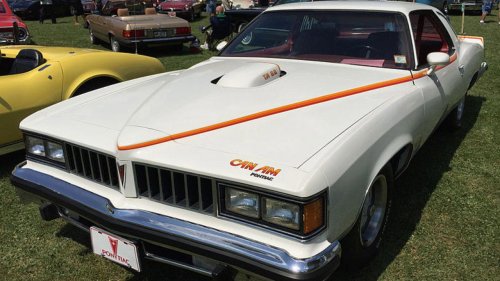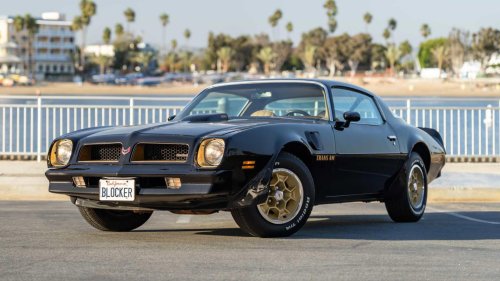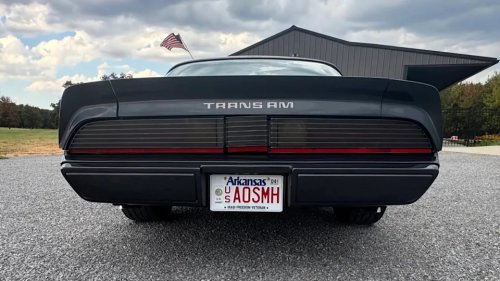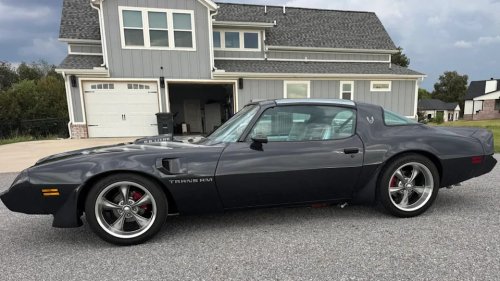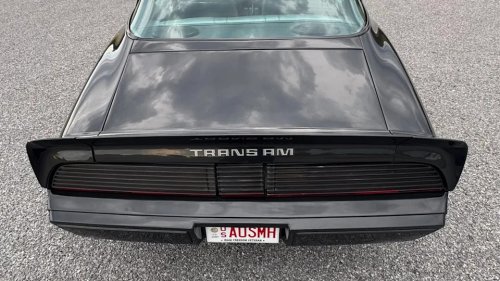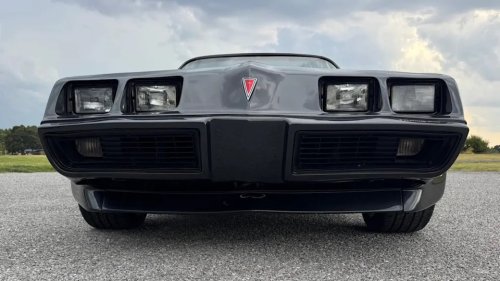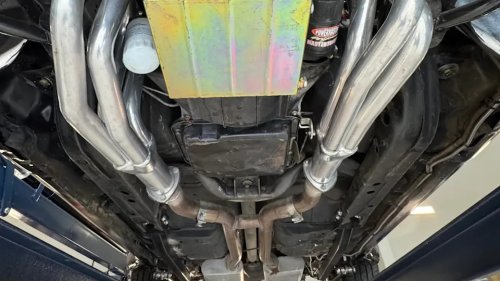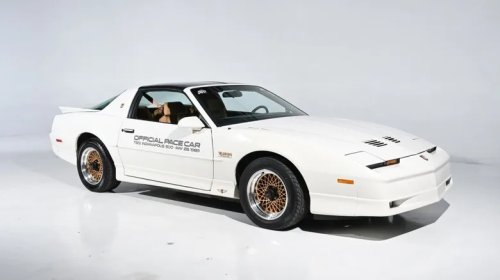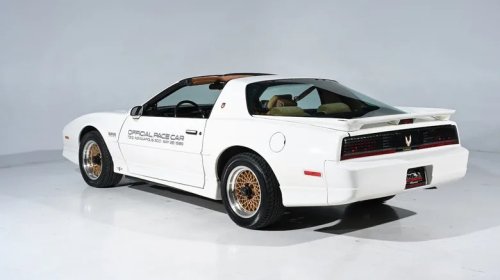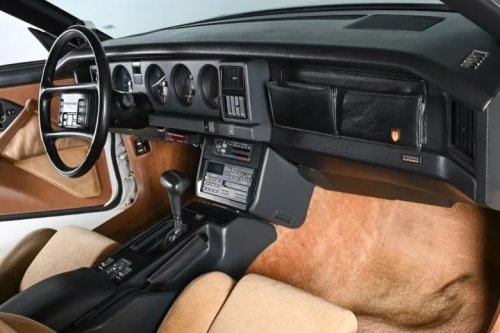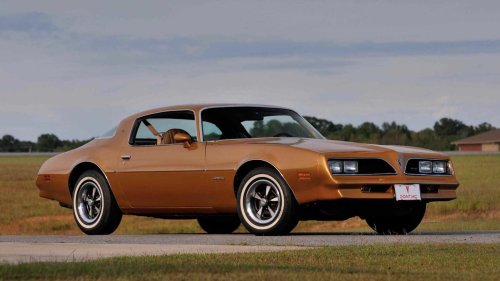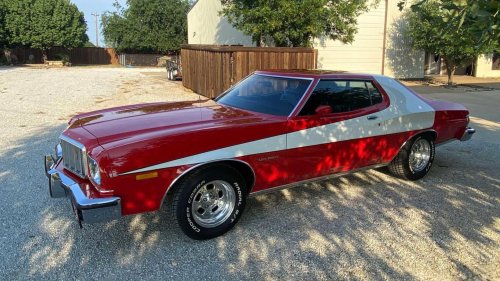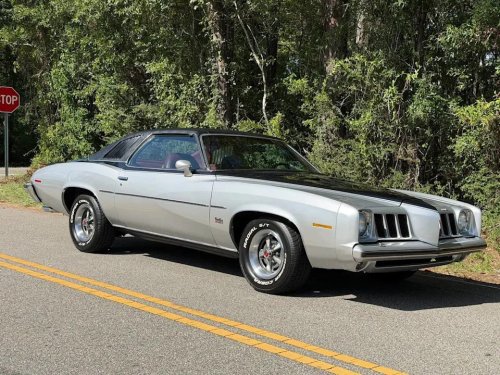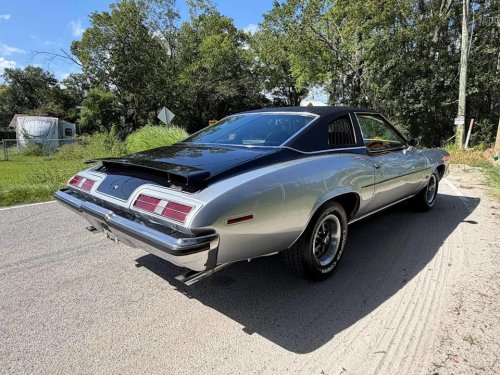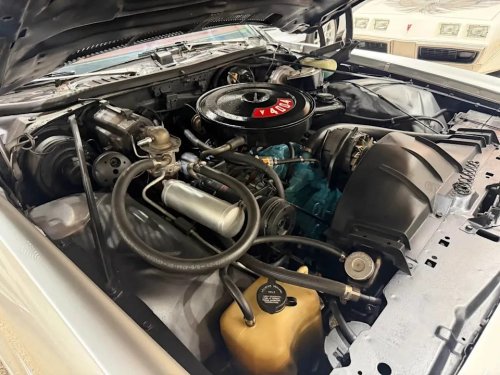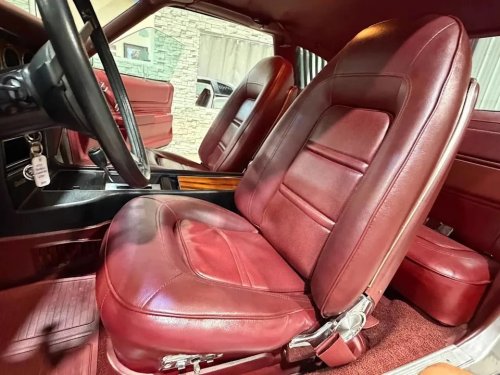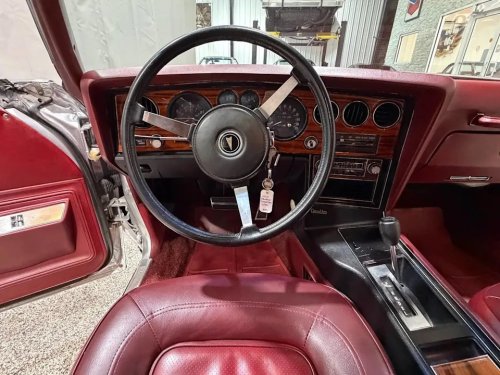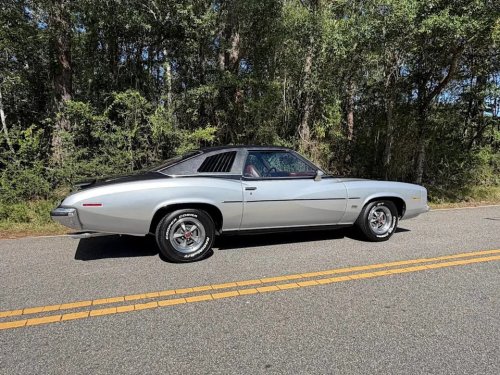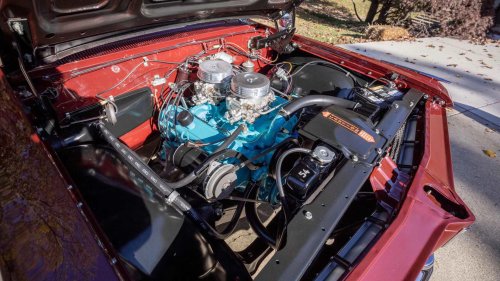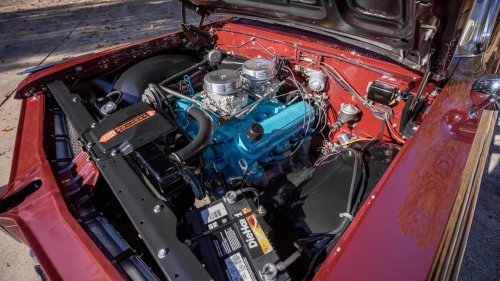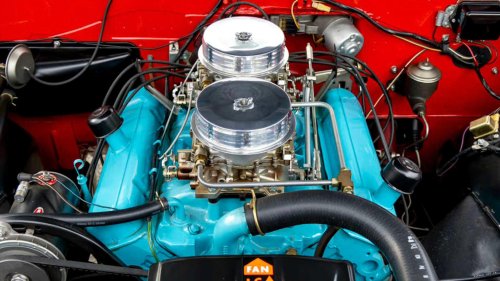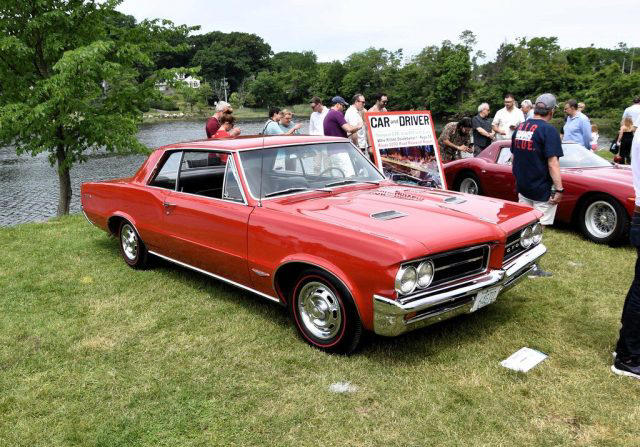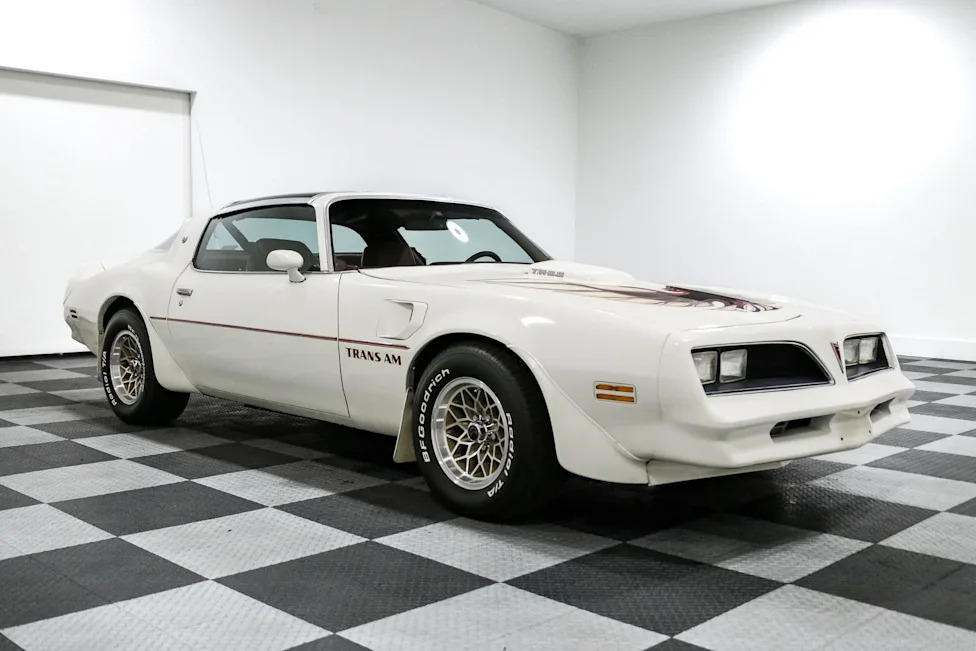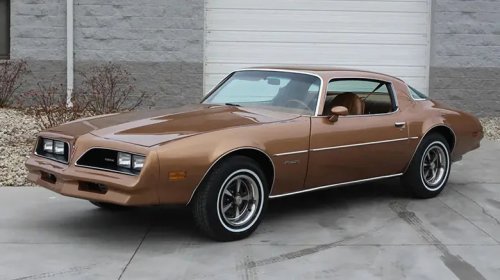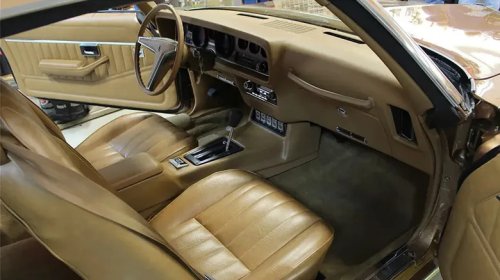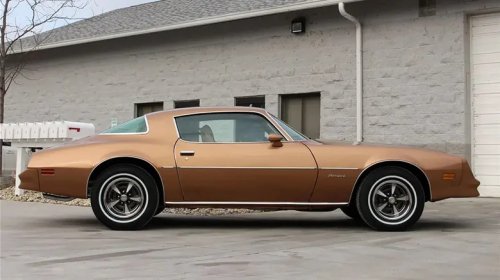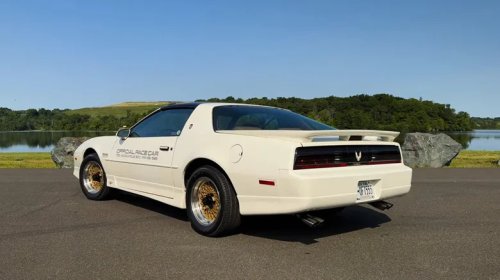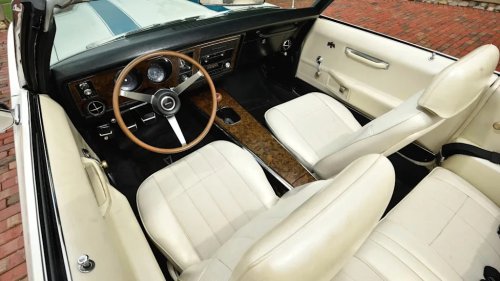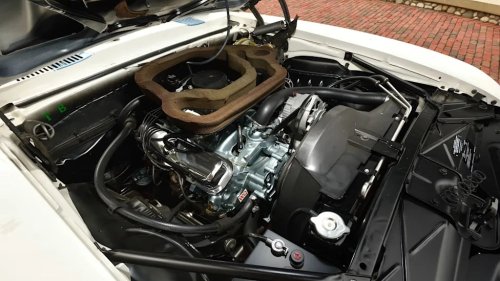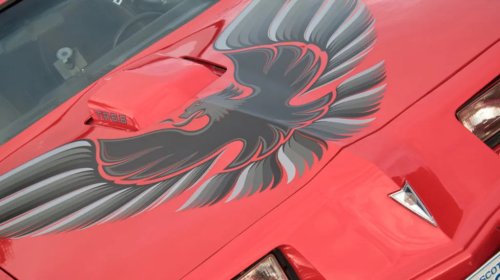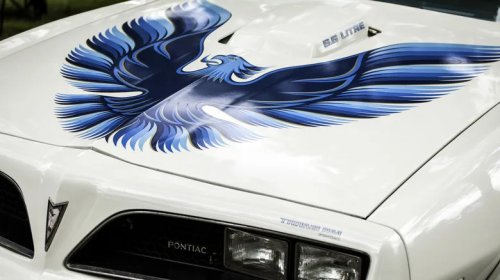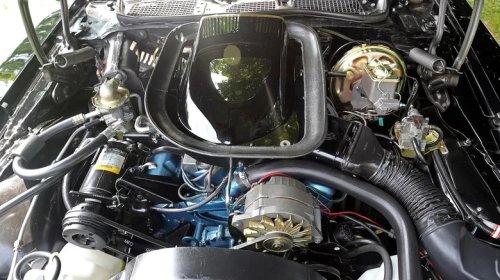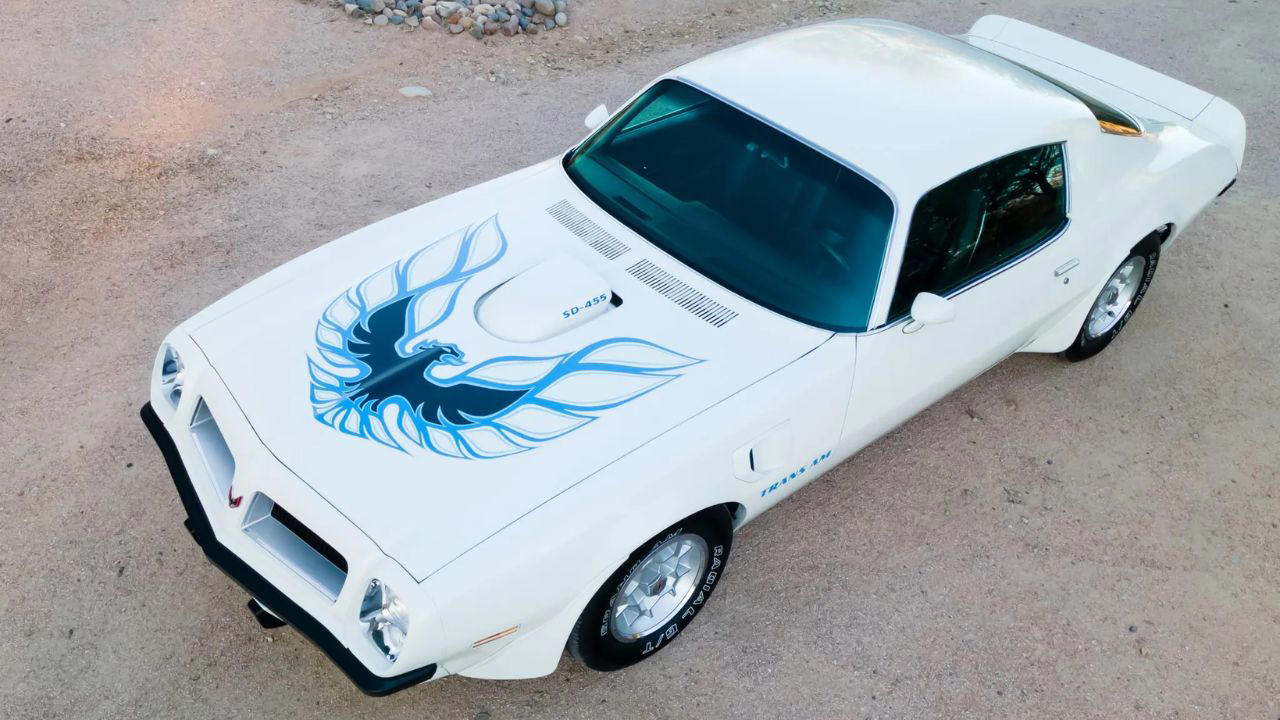





















Why the 1974 Pontiac Trans Am 455 sd remains one of the last true muscle carsThe 1974 Pontiac Trans Am 455 Super Duty arrived just as the original muscle car era was collapsing under insurance hikes, emissions rules, and the fuel crisis. Instead of retreating, Pontiac built a big-cube street car that behaved like a homologation special and felt wildly out of step with the direction Detroit was heading. That tension is exactly why this model still reads as one of the last authentic muscle machines. Half a century later, the Super Duty Trans Am is more than a nostalgic artifact. It captures the final moment when a major American brand was willing to engineer a near-race engine for regular buyers and wrap it in a body that made no apologies for its size, sound, or swagger. What happened By 1974, most performance badges had turned into appearance packages. Compression ratios had fallen, horsepower ratings were lower, and many cars were being downsized or saddled with soft suspensions and highway gears. Pontiac’s Firebird line was supposed to follow the same script, yet the division pushed through a special 455 cubic inch Super Duty V8 that ignored the new normal. One analysis describes how this Trans Am effectively missed the downsizing, keeping its full-size attitude while rivals shrank or gave up on big displacement entirely. The Super Duty engine was not just a warmed-over carryover. Pontiac engineers treated it like a racing program, with reinforced block casting, unique high-flow cylinder heads, a specific camshaft, and a stronger bottom end. Contemporary reporting points out that the SD 455 shared more with Pontiac’s NASCAR and Trans Am racing development than with the regular production 455, which had already been softened for emissions. Factory ratings hovered around 290 horsepower, but period tests and later dyno work suggested that figure was conservative, especially given the engine’s massive torque and willingness to rev compared with other smog-era big blocks. Production numbers tell the rest of the story. Only a limited run of 1974 Trans Am Super Duty 455 cars left the factory, and survivors are now treated as blue-chip collectibles. A detailed profile of a Tennessee collection highlights a super rare Super example, emphasizing how few were built and how carefully owners now preserve them. That scarcity was not intentional marketing so much as a reflection of tightening regulations and corporate risk aversion that were already closing in on the program. The body and chassis around that engine were equally unapologetic. The 1974 Trans Am carried the second-generation Firebird’s long-hood, short-deck proportions, with the shaker scoop protruding through the hood and fender vents hinting at brake cooling and engine bay airflow. Period coverage of a well-kept SD car notes the aggressive stance, the functional aero add-ons, and the way the car still sits low and wide compared with later performance coupes, all of which reinforce its identity as a purpose-built muscle machine rather than a style exercise. Inside, the 1974 Trans Am blended basic amenities with a driver-focused cockpit. Bucket seats, a deep-dish steering wheel, and a full gauge package kept the focus on driving, while options like air conditioning and an automatic transmission expanded its appeal beyond hardcore racers. Even so, the car’s character remained defined by the Super Duty drivetrain and heavy-duty suspension hardware, not by comfort features or luxury trim. Why it matters Enthusiasts regard the 1974 Trans Am Super Duty as one of the last true muscle cars because it checked every box that defined the genre in the late 1960s, even though it arrived years after that peak. It had a large displacement V8, a relatively simple rear-wheel-drive layout, and a chassis tuned to handle serious power. A feature on a preserved example stresses how the 1974 Trans Am combined brute-force acceleration with surprising composure, something that set it apart from detuned contemporaries that looked fast but felt ordinary. Styling played a major role in cementing its reputation. Modern commentators often describe the second-generation Trans Am as one of the coolest-looking American coupes of the 1970s, and recent analysis of classic designs calls the Firebird and Trans Am among the sleek and underrated shapes of the period. The 1974 model’s front bumper revision and bold graphics, including the iconic screaming chicken hood decal, gave it a visual identity that has aged better than many rivals from the same era. Cultural exposure helped, even if the Super Duty itself stayed relatively obscure. Pontiac’s F-body became a screen regular, and one early example was the car driven by David Carradine in the original cross-country race film that later inspired a real-world run. That particular Trans Am, modified for high-speed work, has been chronicled as a genuine participant in the outlaw event, with coverage of the David Carradine Trans connecting the model to the Cannonball mythos. While that car was not necessarily a Super Duty, the association between Trans Am sheetmetal and high-speed rebellion fed into the SD’s legend. The Super Duty’s mechanical integrity also matters in hindsight. Many early 1970s performance cars struggled with the transition to unleaded fuel and catalytic converters, which often meant compromised tuning and reliability issues. Pontiac’s SD 455 was engineered from the outset to live with lower-octane fuel and emissions hardware while still delivering strong output, which is why collectors and restorers often find these cars more durable than some higher-strung predecessors. Reports on surviving SD cars frequently mention original drivetrains that still perform well with only routine maintenance, a testament to the engine’s overbuilt design. Market behavior reinforces its status. Auction coverage and valuation guides consistently place the 1974 Trans Am Super Duty near the top of Pontiac’s muscle hierarchy, often alongside earlier GTOs and the first-generation Firebird. A profile of iconic Pontiacs notes that SD-equipped Trans Ams sit among the brand’s most desirable muscle car collectibles, with prices that reflect both rarity and performance credibility. That premium would be harder to justify if the car were simply a styling package from a downbeat era. Another reason this model matters is what came after. By the late 1970s, performance started to creep back, but often through smaller displacement, turbocharging, or handling-focused packages rather than brute torque. The Super Duty Trans Am represents the last time Pontiac put its engineering weight behind a huge naturally aspirated V8 that owed more to racing programs than to fuel economy spreadsheets. Later performance cars would be quicker and more efficient, yet they belonged to a different philosophy. What to watch next The Trans Am Super Duty’s standing in the collector world is likely to keep evolving as new generations of enthusiasts reassess 1970s performance. Detailed market write-ups already track how 1974 SD cars perform at auction, noting that well-documented examples consistently command strong prices. One analysis of a Firebird Trans Am SD sale highlights how originality, color combinations, and options can move values significantly for 1974 Super Duty, suggesting that the market is becoming more discriminating rather than cooling. There is also growing attention on how these cars are driven and displayed. Some owners keep mileage low and focus on concours events, while others emphasize sympathetic upgrades that improve reliability without altering character. Coverage of a carefully curated Tennessee collection shows how collectors are increasingly treating the 1974 Trans Am as a centerpiece, often surrounded by earlier and later Pontiacs that help tell the story of the brand’s performance arc. At the same time, broader interest in 1970s design is lifting the profile of all second-generation Firebirds. Commentators who once dismissed the decade as a low point for American performance now highlight the era’s bold graphics, unique color palettes, and willingness to experiment with aerodynamics. A feature on muscle cars that resisted the trend toward smaller, more anonymous shapes points to the early SD Trans as proof that character did not disappear overnight, and that has helped reframe the 1974 model as a bridge between classic and modern performance thinking. More From Fast Lane Only: Unboxing the WWII Jeep in a Crate 15 rare Chevys collectors are quietly buying 10 underrated V8s still worth hunting down Police notice this before you even roll window down The post Why the 1974 Pontiac Trans Am 455 sd remains one of the last true muscle cars appeared first on FAST LANE ONLY.