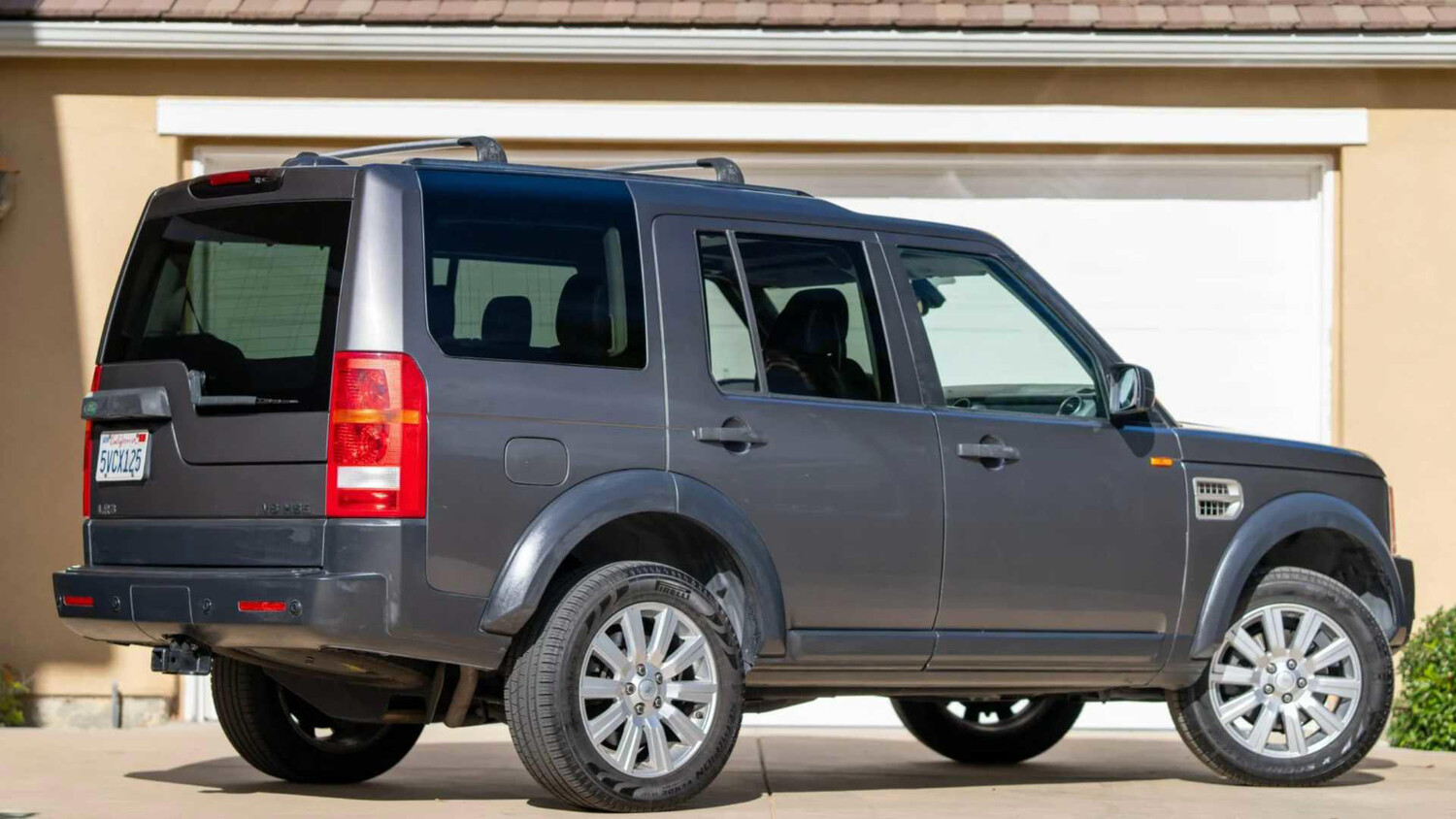
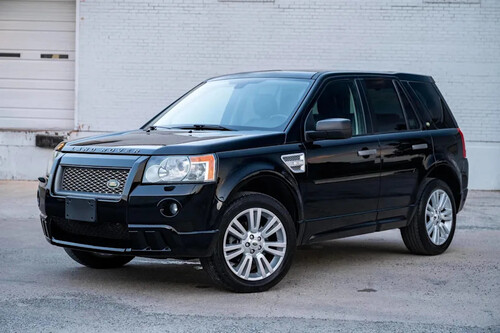
Are you looking for a used SUV that rides like a Rolls Royce on the highway, while keeping up with the most capable pickup trucks and SUVs on the trail? You may be able to get the perfect SUV for a bargain because it’s built by an automaker famous for poor reliability, even though it's the first vehicle they truly got right.The trend across the auto industry has been for increasingly reliable vehicles. But different automakers finally hit their reliability stride at different times. A little insider knowledge can win you serious bargains, such as a $50,000 beast of an off-road SUV for just $4,000. Cars Get More Reliable Every Decade Getty ImagesOnce upon a time, drivers planned on major engine problems by 100,000 miles and random tire blowouts. Nearly every aspect of the automobile has grown more reliable in the past century.According to the Federal Highway Administration, the average automobile on the road in 1970 was just 5.6 years old. Today, the average vehicle on the road is 12.6 years old. Even in the 1990s, a 100,000-mile car was considered high mileage. The average vehicle lasted just 150,000 miles. The average 2015-2026 vehicle lasts 200,000-250,000 miles. They don’t build cars better than they used to: they build them better.Certain automakers kept building unreliable cars like it was still the 1970s--for decades. But when one of the automakers with the worst reputation for reliability finally built a dependable SUV, the result was legendary. When Land Rover’s Reputation Hit An All-Time Low Land RoverEven though Jeremy Clarkson of Top Gear is a fan of Land Rovers, he had to admit during one review that the SUV left something to be desired. “It's rubbish: uncomfortable, slow, impractical... But nobody has the courage to pull the plug on a 60-year tradition.” He also joked that the Land Rover had such a poor reputation for reliability, “I’ve been rescued, and I haven’t even broken down.”“Land Rover does have a reputation for unreliability.” -- Tomas Mica of The Fast Lane CarBy the early 2000s, Land Rover had a major image issue. The Land Rover Discovery, specifically, had such a horrendous reputation for reliability that the automaker dropped the nameplate in the U.S. altogether. That’s right, it deleted an entire model name over its reputation. The Land Rover LR3 How An “Unreliable” Brand Quietly Built One of the Toughest SUVs Ever Bring a TrailerThe SUV that was the third-gen Discovery in other markets was simply sold as the “Land Rover 3” in the U.S. But Land Rover did much more than change nameplates. After a corporate merger, it dug deep into Ford’s parts bin and put together a comfortable, capable, and epically reliable SUV for the LR3. Its engineers considered sharing an entire chassis with Ford but decided that wouldn’t deliver the off-road capability its brand needed. What they did instead created a criminally underrated SUV.“The LR3, specifically the one sold from 2006 through 2009, are pretty much renowned as the most reliable Land Rover ever made. They have a lot of really great attributes to them that make them long-lasting vehicles and it’s pretty common to see these with 200,000, even 250,0000 miles, before major issues start occurring.” – Tomas Mica of The Fast Lane Car The Land Rover LR3 Redefines Reliability Bring a TrailerThe resulting LR3 receives fewer customer complaints than the average vehicle, according to Repair Pal. That’s right, it’s more reliable than the average, across every brand. But that’s not all. The CarParts website dialed down and explained that the complaints the LR3 does have aren’t powertrain problems. Translation: You might struggle with infotainment glitches, but it probably won’t leave you stranded.What’s the LR3’s secret? A 4.4-liter V8 shared with the Lincoln LS and 11th-gen Ford Thunderbird. It makes 300 horsepower, 315 lb-ft of torque, and can take a beating. That’s not all: the LR3 features a German-engineered, six-speed ZF automatic transmission that can easily outlast the engine.There’s some nuance required when shopping for a Land Rover LR3. In 2005, the “4.4-liter V8” was a completely different engine, built by Jaguar, and offering abysmal reliability. The 2006-2009 LR3 hit a high point for Land Rover reliability, according to expert buying guides. Should You Buy A Used Land Rover LR3? The 2009 Land Rover LR3 had a $45k MSRP. Today, used models change hands for as little as $4k. Pristine, low-mileage examples go for up to $15k. That is an awfully tempting bargain. But is it a wise choice? It all depends on how smart a shopper you are.The first major choice you’ll have when shopping for a Land Rover LR3 is between engines. Almost every 2006-2009 LR3 sold in the U.S. had the 4.4-liter Ford V8 mentioned above. The 300-horsepower and 315 lb-ft engine can keep up with modern traffic. But there are two downsides to driving the 5,300+ pound vehicle. First, you won’t be winning any drag races. Secondly, fuel mileage will be in the mid-teens. Perhaps 17 mpg if you’re a conservative driver.You might be tempted to search for a rare V6-powered LR3. But the 216-horsepower engine is rated at just one mpg more and will feel sluggish in modern traffic. It also doesn’t have nearly the same reputation for reliability.Note: The 2006-2009 Land Rover “Range Rover” rides on a similar chassis to the LR3 and offers the same 4.4-liter V8. The barebones “Sport” trim, especially, has a similar reputation for reliability. But beware: the overly complex, supercharged 4.2-liter V8 will need more attention.A second choice many LR3 buyers labor over is whether to hold out for a model with the off-road package and thus a locking rear differential. G Wagon and Jeep Rubicon drivers can’t brag enough about their locking differentials. But here’s the kicker: The entire point of the Land Rover LR3 is the suit off-road driving aids decades ahead of its time that controls wheel spin and makes the locking rear diff superfluous. The only exception is if you plan to take your Land Rover on hardcore rock-crawling trails. The Land Rover LR3’s Suspension Was Ahead Of Its Time Bring a TrailerThat brings us to the LR3’s main party trick. The four-corner independent suspension with adjustable air is this luxury SUV’s real secret sauce. It makes it more comfortable than almost any 2006 SUV on the road and just as capable as anything off-road. But it’s also the vehicle's Achilles’ heel. If you find a dirt-cheap LR3 with collapsed air suspension, know that a dealership might charge you $20k to replace the entire thing.If a used LR3 has had its air system maintained—likely with a compressor replacement—its air struts may last for decades. Many drivers of used LR3s report the system works phenomenally, even into high mileage. A used LR3 with a leak will have a constantly running air compressor and may soon need more work.Another failure point are the ride height sensors. A classic LR3 “failure” is a failed sensor preventing the system from inflating, and sometimes even stranding the vehicle. Occasionally, you can find a steal on an “undriveable” LR3 with air shocks that refuse to inflate. Many off-road enthusiasts who drive an LR3 immediately invest $500 in a modern computer that gives them precise control over the system, even if a sensor fails. It also allows them to adjust the air suspension while wheeling.[Sources: Federal Highway Administration, Reuters, Car Lifespan Check, Repair Pal, CarParts, The Fast Lane Car]