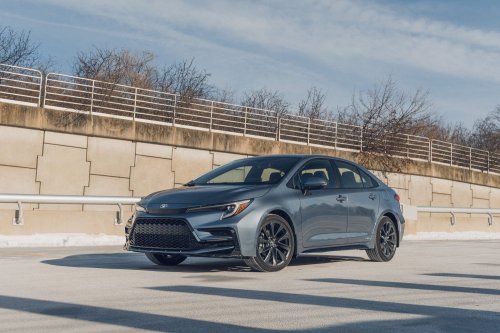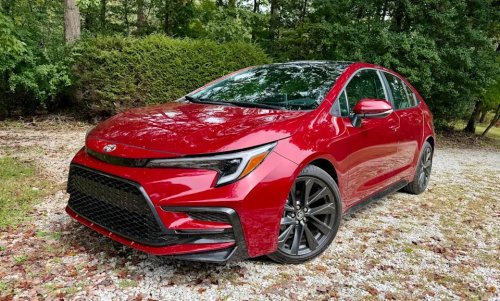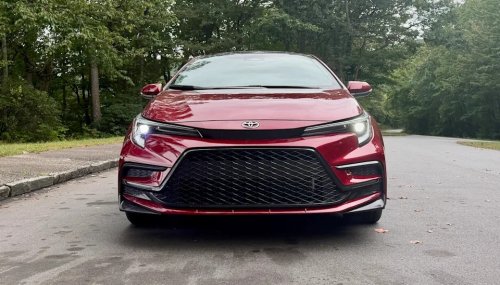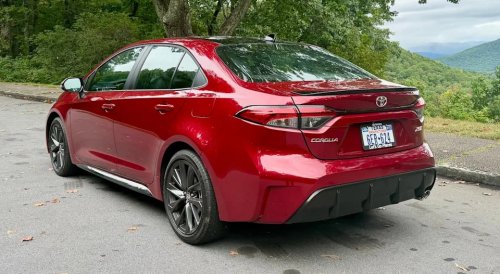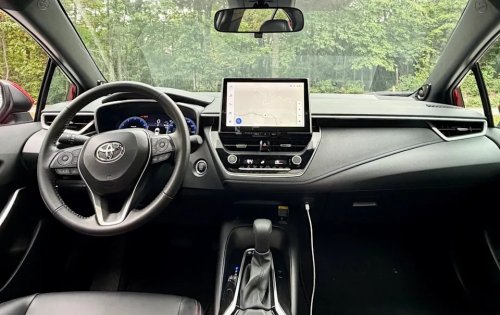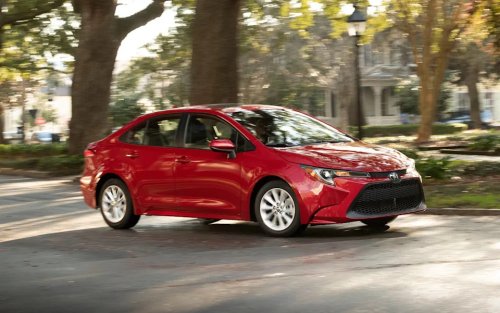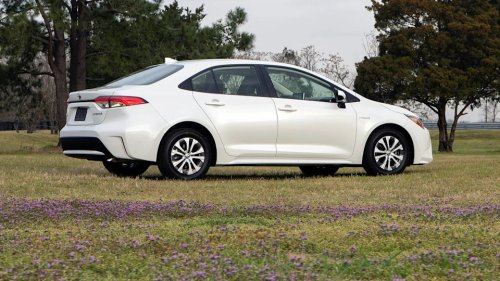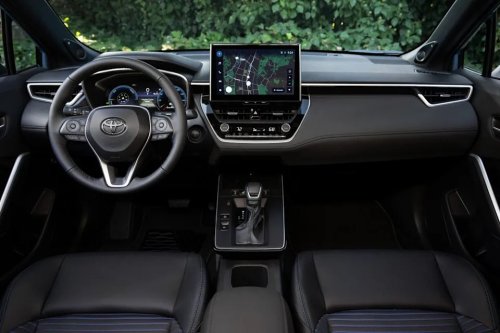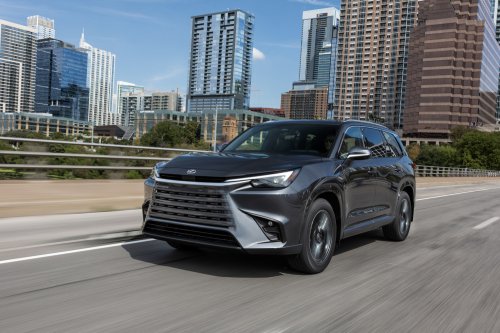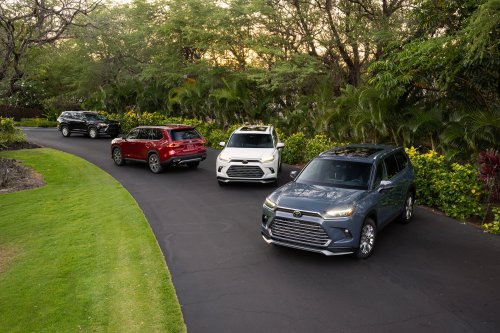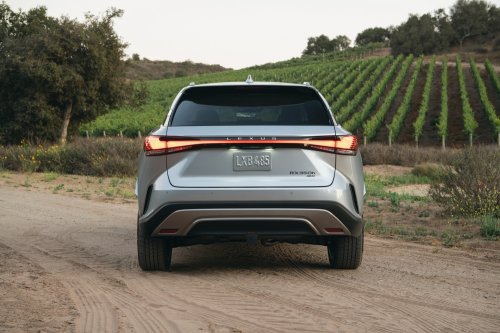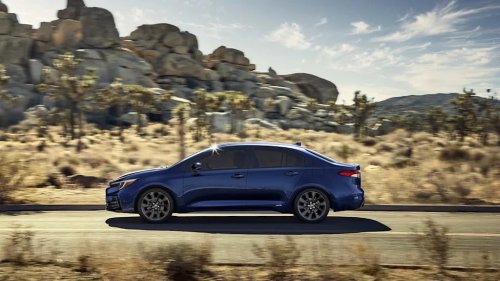
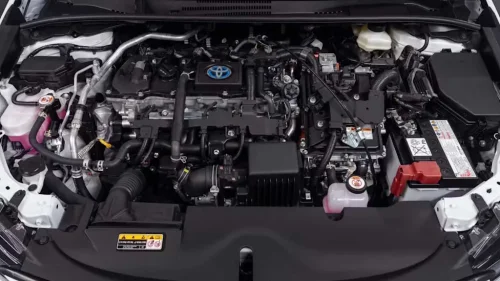
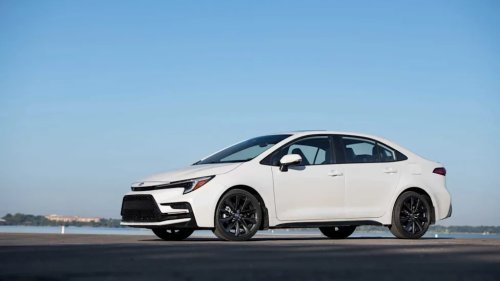
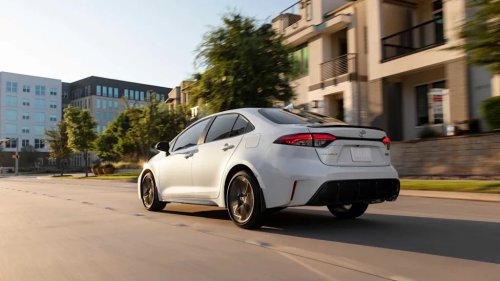
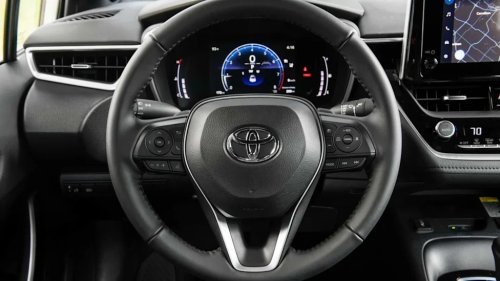
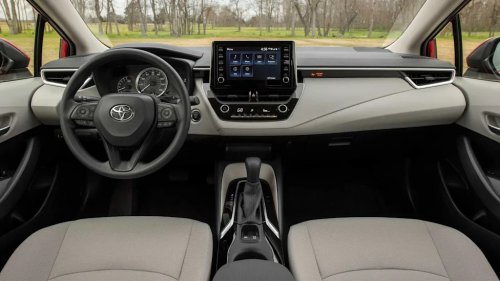



















ToyotaSome cars get attention for being fast, luxurious, or packed with the latest technology. Others build their reputation the old-fashioned way: by showing up every day and refusing to quit.They survive years of commuting, rack up huge mileage totals, and ask for little more than routine maintenance along the way. These are the cars that become trusted family hand-me-downs and dependable long-term companions.What makes them special is usually the same thing that makes them easy to overlook. Simple engineering, proven components, and a no-nonsense approach often turn ordinary cars into some of the longest-lasting vehicles on the road.AdvertisementAdvertisementIn order to give you the most up-to-date and accurate information possible, the data used to compile this article was sourced from Toyota and other authoritative sources, including CarEdge, Edmunds, iSeeCars, J.D. Power, Kelley Blue Book, RepairPal, and TopSpeed.What makes certain cars almost impossible to killProven engineering beats complexity every timeToyotaThe cars that tend to last the longest usually aren't the most advanced or the most powerful. More often than not, they're built around simple, proven mechanicals that have already spent years proving themselves in the real world.Naturally aspirated engines, conventional transmissions, and conservative tuning are recurring themes among the most dependable vehicles on the road. Instead of chasing big performance numbers, they're engineered to handle everyday driving with as little stress on their components as possible.That approach may not generate headlines, but it often pays off over the long haul. When an engine and transmission aren't constantly being pushed to their limits, they're far more likely to keep running smoothly well into six-figure mileage.The best cars are the ones you never have to think aboutToyotaA truly dependable car should be easy on your wallet long after you've driven it off the lot. A low purchase price doesn't mean much if you're constantly paying for repairs or unexpected breakdowns.AdvertisementAdvertisementThe vehicles that earn reputations for lasting hundreds of thousands of miles usually get the basics right. Affordable maintenance, good fuel economy, and reliable day-to-day usability may not be exciting, but they're often far more valuable than extra horsepower or flashy features.Over time, those qualities add up in a big way. The best no-nonsense cars save owners both money and headaches, which is a big reason they tend to stay on the road for so long.How the Corolla became reliability's gold standardToyota stuck with what worked and kept improving itStatic front 3/4 shot of a whiet 2026 Toyota Corolla Sedan.Toyota has never been a company that chases change for the sake of it. When new technology makes its way into a Corolla, it has typically spent years being tested, refined, and proven before reaching customers.That cautious approach is a big reason the Corolla has built such a strong reputation for durability over the decades. Rather than rushing into new trends, Toyota has consistently focused on improving what already works.AdvertisementAdvertisementThe strategy has paid off. Studies have repeatedly found Toyota vehicles among the most likely to reach 250,000 miles or more, with Lexus often ranking right alongside them thanks to the same engineering philosophy.The Corolla earned its reputation the hard wayToyotaThe Corolla has been around since 1966, and it arrived in the U.S. market in 1968. It helped shift perceptions during a time when the oil crisis and tightening emissions rules were putting pressure on the American auto industry.In that era, simple engineering, compact size, and reliability suddenly mattered more than ever, and the Corolla fit that moment perfectly. It wasn’t built to be flashy or exciting, but to be dependable in a way owners could actually count on day after day.That reputation hasn’t really changed. Modern Corollas still focus on getting the basics right, with most lasting well over a decade and close to 150,000 miles with regular maintenance, while a notable share push past 200,000 miles.How the Corolla’s simple formula is what keeps it goingIt sticks to the basics instead of chasing trendsToyotaThe same traits that made the original Corolla a hit are still baked into the car today. It’s always leaned on fuel economy, affordability, reliability, and simple comfort instead of chasing performance or luxury extras.AdvertisementAdvertisementThat straightforward approach hasn’t really changed over the years. It’s still a practical, easy-to-live-with compact car, and that consistency is a big part of why the Corolla remains such a trusted name today.Why Toyota never overcomplicated the CorollaToyotaToyota hasn’t really chased every new industry trend for the sake of it. Instead, it has steadily refined the Corolla over time, letting it evolve in a controlled, deliberate way.That same approach runs through much of Toyota’s lineup and is a big reason it’s built a reputation for reliability. By prioritizing gradual improvement over constant reinvention, Toyota has been able to sharpen durability across generations, helping the Corolla become one of the best-selling cars ever, with over 50 million units sold worldwide.If you’re looking at used examples from recent generations, a few model years tend to stand out. The 2018 model leads the 11th generation with an 86/100 J.D. Power Quality and Reliability score and a 4.5/5 rating from RepairPal, while the 2020 and 2021 models from the 12th generation also score highly, with strong RepairPal ratings, A+ CarEdge grades, and an 86/100 J.D. Power score for 2020.Why low running costs keep Corollas on the road for decadesHow fuel economy lowers the cost of ownershipToyotaMost 2026 Corolla buyers end up choosing between two main powertrains. The standard option is a 2.0-liter four-cylinder paired with a CVT, making 169 horsepower and 151 lb-ft of torque sent to the front wheels.AdvertisementAdvertisementIt’s not complicated, and that’s kind of the point. It also returns up to 32 mpg in the city and 41 on the highway, keeping things efficient and easy to live with.There’s also a hybrid version for those who want even better fuel savings. It uses a 1.8-liter four-cylinder with an electric motor setup—single-motor FWD or dual-motor AWD—producing 138 horsepower and returning up to 47 mpg in the city and 41 on the highway.Why low maintenance costs keep Corollas on the road longerToyotaThe Corolla keeps proving itself as one of the most affordable no-nonsense cars you can own, especially over the long run. With a strong chance of lasting at least ten years, its total upkeep costs come in at around $4,434 across that period.That’s about $1,312 less than the average compact sedan, which adds up in a real way over time. It also carries a 4.41 percent chance of major repair costs—well below the 12.28 percent industry average.AdvertisementAdvertisementUnplanned repairs are even less of a concern, sitting at just 0.3 percent. Put together, it’s a big part of why the Corolla stays one of the most reliable and budget-friendly cars on the road.Why the Corolla’s core strengths remain intactMore features, same reliability-first approachToyotaModern reliability scores now factor in things that didn’t even exist a few decades ago, like advanced electronics, safety tech, and infotainment systems. Even with all of that added complexity, the Corolla still performs strongly thanks to how well Toyota integrates everything.You still get modern safety features, useful infotainment, and cleanly executed electronics without the system feeling overcomplicated. That comes back to Toyota’s cautious, methodical approach to development, making sure each update actually improves the car without putting its reliability reputation at risk.Why the Corolla still does the basics rightToyotaDriving a Toyota Corolla is about as stress-free as car ownership gets. It’s the kind of car that quietly does its job day after day, backed by decades of proven reliability, millions of owners, and countless real-world miles.AdvertisementAdvertisementThat reputation didn’t come from hype—it came from keeping things simple and consistent. With a focus on proven engineering, fuel efficiency, and low running costs, the Corolla has built a strong case for itself as one of the most dependable cars on the road, with a high likelihood of clearing 200,000 miles with proper care.Modern cars often lean heavily into complexity, with oversized screens, layered interfaces, and costly tech that can become a headache when it fails. The Corolla sticks to the opposite approach, staying practical, affordable, and stubbornly consistent in a way that keeps it from becoming a burden to own.