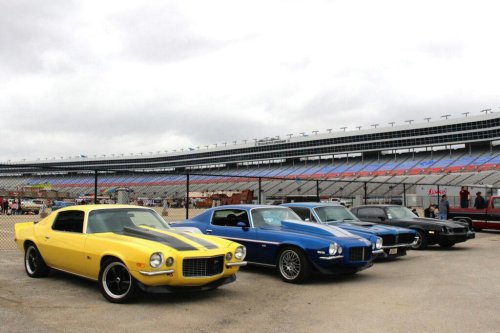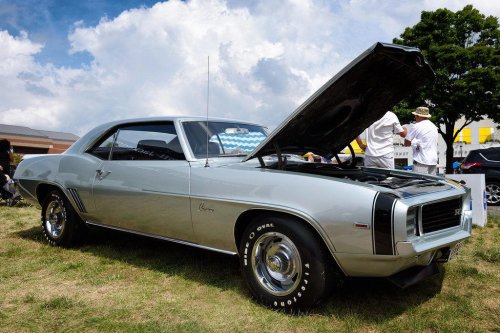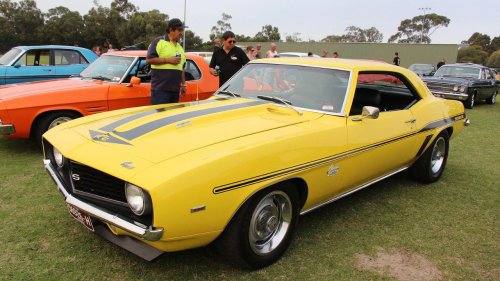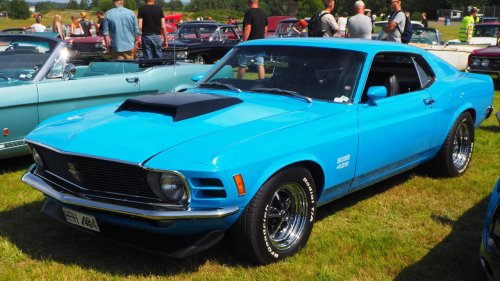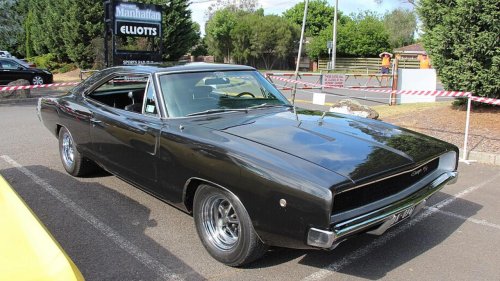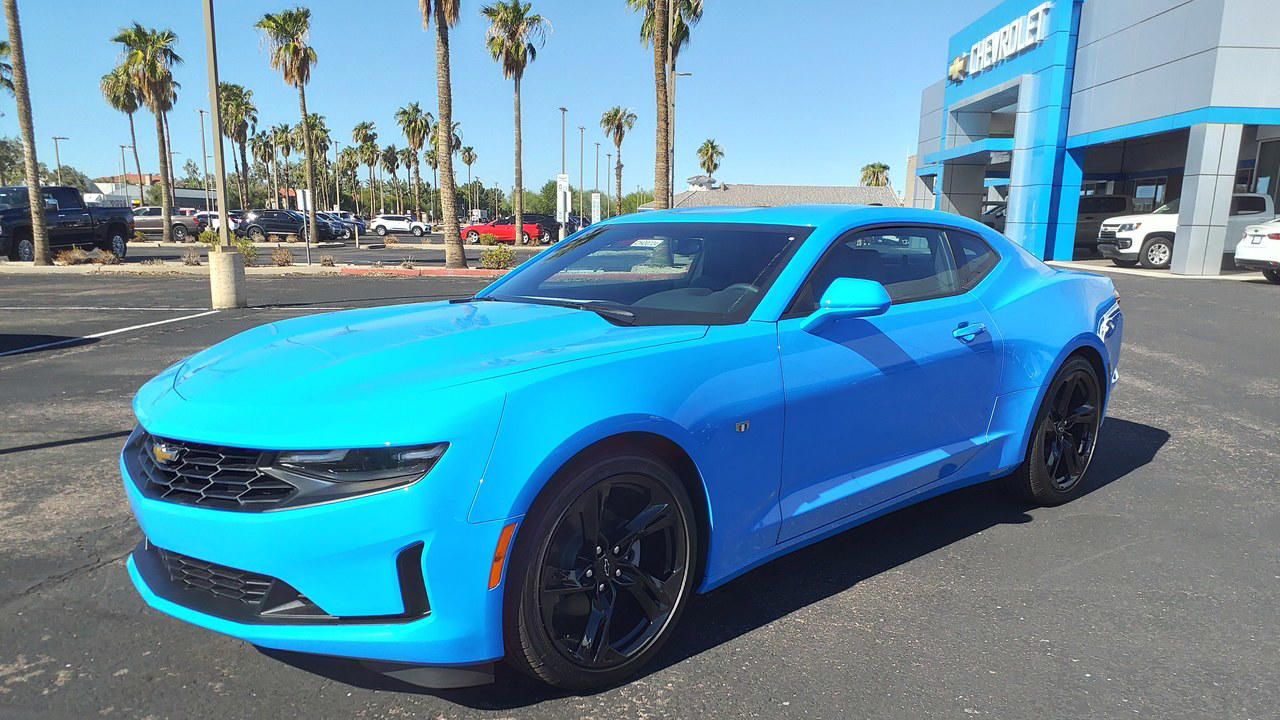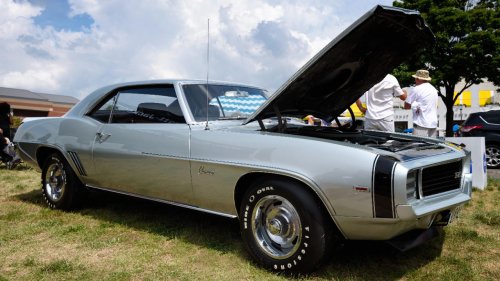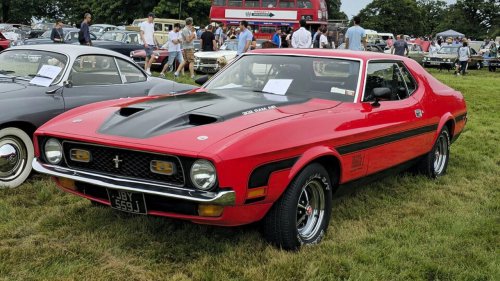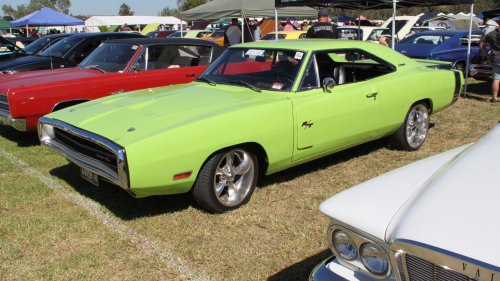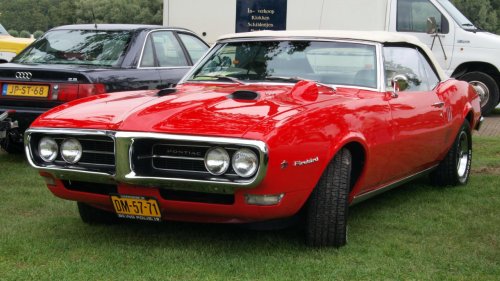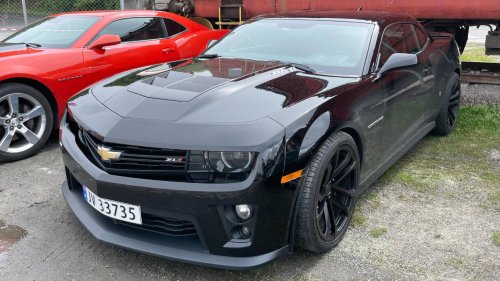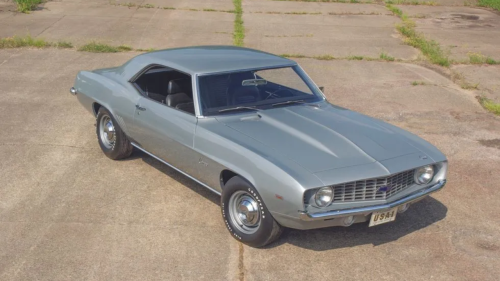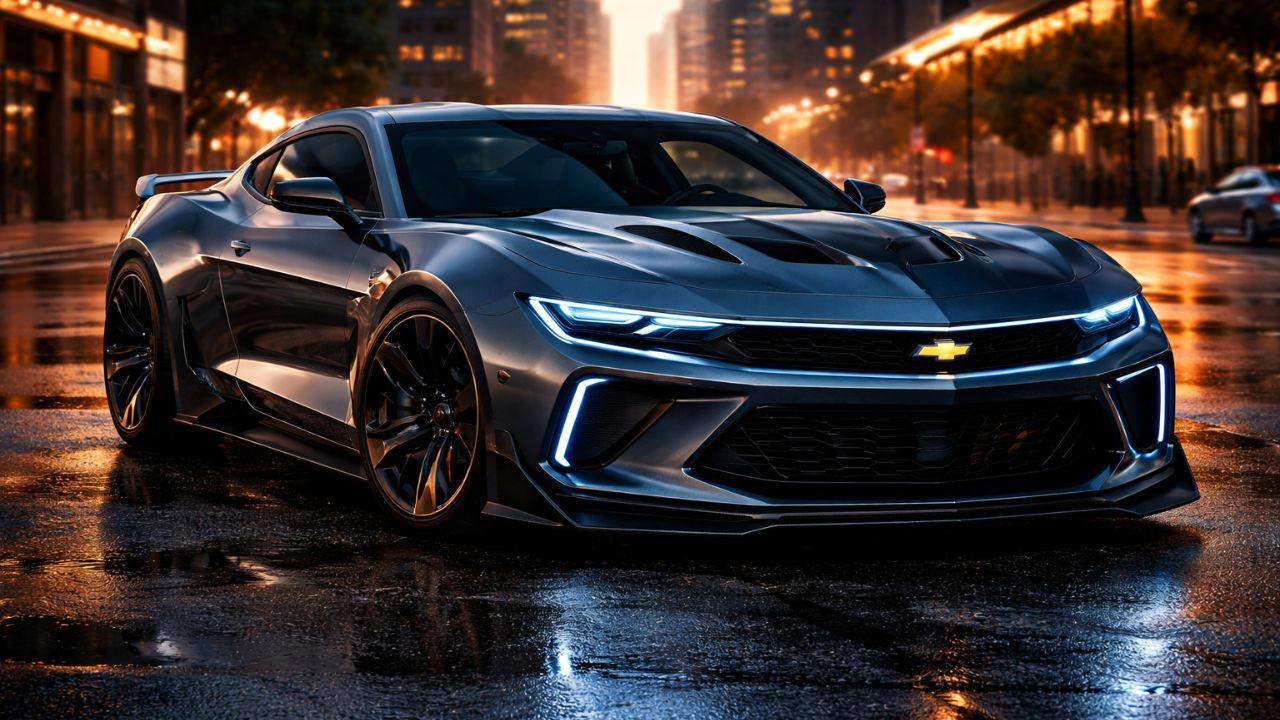


















Camaro comeback in 2028 could reignite the muscle car war GM left behindThe Chevrolet Camaro was officially retired after the 2024 model year, but General Motors never fully closed the door on the nameplate. When production ended, Chevrolet made it clear there was no immediate successor—while also emphasizing that this was “not the end of Camaro’s story.” Now, fresh report-based coverage suggests that story may be heading toward a second act. According to recent supplier and industry reporting, GM has been evaluating a potential Camaro return around the 2028 model year, possibly as a rear-wheel-drive performance coupe. The company has not confirmed those plans publicly, but the timing alone has stirred interest. If the Camaro does come back, it would re-enter a market where rivals are already redefining what modern muscle looks like. What happened When Chevrolet confirmed the end of the sixth-generation Camaro, the decision reflected broader industry pressures. Sales had declined in a shrinking coupe segment, and GM’s focus had shifted heavily toward trucks, SUVs, and an expanding electric vehicle portfolio. At the same time, the company avoided declaring the Camaro nameplate permanently retired. Instead, executives framed the move as a pause, leaving open the possibility that the badge could return in a different form once market conditions and product priorities aligned. Recent reporting suggests that possibility has evolved into something more concrete. Multiple outlets have indicated that GM is studying a new Camaro program targeting the late 2020s, with a focus on maintaining a presence in the traditional pony car segment. While details remain unconfirmed, the proposed formula reportedly centers on a rear-wheel-drive layout and a performance-oriented positioning rather than a high-volume model. What remains unclear is exactly how that formula would be executed. Powertrain details, platform architecture, and body styles have not been officially disclosed, and GM has not publicly committed to any specific configuration. However, industry observers note that any future Camaro would likely draw from existing engineering resources within GM’s portfolio rather than rely on a clean-sheet, low-volume platform. The timing of a potential return also lines up with a transitional period for GM. By the late 2020s, the company expects its broader EV lineup to cover many of the roles once filled by traditional halo cars, which could allow a revived Camaro to focus more narrowly on performance, heritage, and brand identity rather than mass-market appeal. Why it matters A Camaro comeback—especially one that retains a traditional performance layout—would complicate the narrative that Detroit has fully moved on from internal-combustion muscle cars. The Ford Mustang continues to carry forward with V-8 power in its latest generation, while Dodge Charger Daytona represents a different path, blending electric propulsion with new inline-six options. If Chevrolet returns to the segment with a new Camaro, it would effectively restore the three-way rivalry—but with each brand taking a distinct technological approach. For enthusiasts, the significance runs deeper than specifications. Since its debut as a response to the Mustang in the late 1960s, the Camaro has been a defining piece of American performance culture. Its disappearance after 2024 signaled a shift in priorities, suggesting that traditional two-door performance cars no longer fit neatly into GM’s long-term strategy. A potential revival would indicate that the company still sees value in that formula—if not as a volume product, then as a halo vehicle capable of reinforcing brand identity and performance credibility. From a business standpoint, the calculus is more nuanced. The previous Camaro struggled to match earlier sales peaks, squeezed by changing consumer preferences and strong competition. Any new program would likely need to prioritize higher margins over volume, aligning more closely with the trajectory taken by the Chevrolet Corvette as it moved upmarket. Regulatory pressure adds another layer of complexity. By the late 2020s, stricter emissions standards and evolving state-level policies will continue to shape how performance vehicles are developed and sold. Any future Camaro would need to fit within those constraints, whether through improved efficiency, partial electrification, or careful balancing within GM’s broader vehicle lineup. What to watch next The clearest signals about Camaro’s future will come from decisions GM makes elsewhere in its lineup. If upcoming updates to vehicles like the Silverado and Tahoe extend the life of the company’s small-block V-8 engines into the next decade, that would strengthen the case for a performance model that shares those components. Likewise, any indication of a new or updated rear-drive architecture in GM’s product pipeline would support the idea of a next-generation Camaro. Concept vehicles and design studies could provide another early clue. Chevrolet has historically used show cars to preview production intent, and a concept that leans into classic proportions—long hood, short deck, aggressive stance—would suggest that the company still believes in the core identity of a pony car. Regulation will also play a defining role. If future emissions and fuel economy rules allow room for low-volume performance vehicles within a largely electrified fleet, GM would have greater flexibility to move forward with a traditional Camaro formula. If those rules tighten more aggressively, the project could shift toward alternative powertrains or hybrid configurations. For now, the Camaro’s future remains unconfirmed—but no longer unthinkable. What once looked like a quiet ending may turn out to be a strategic pause, with the potential for a return that reflects not just nostalgia, but a recalibrated vision of American performance in a rapidly changing industry. More from Fast Lane Only Unboxing the WWII Jeep in a Crate 15 rare Chevys collectors are quietly buying 10 underrated V8s still worth hunting down Police notice this before you even roll window down *Research for this article included AI assistance, with all final content reviewed by human editors.