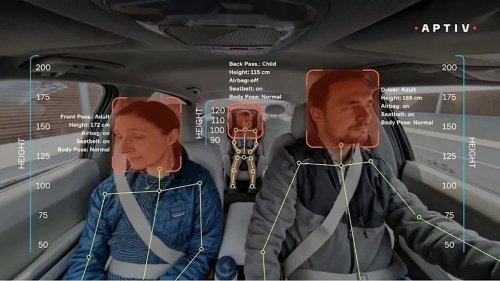
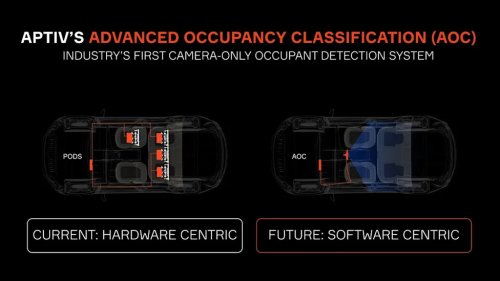
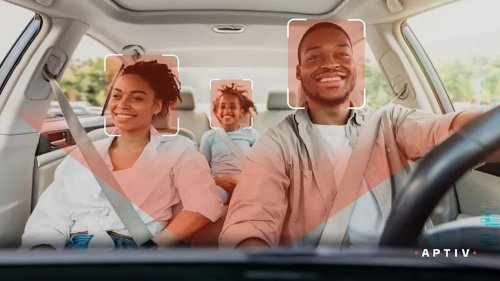
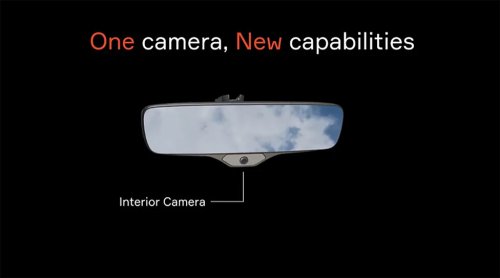
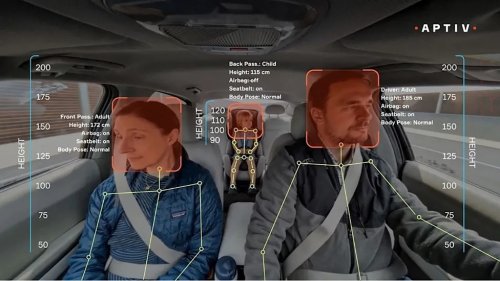
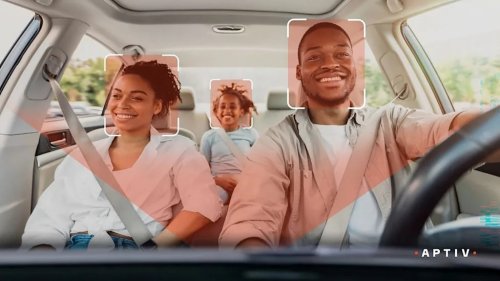
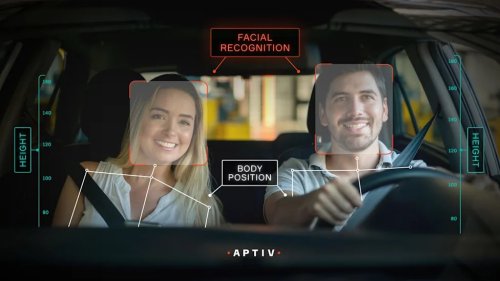
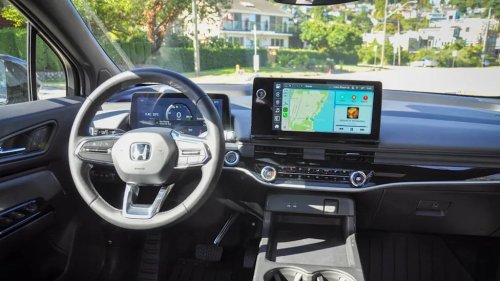
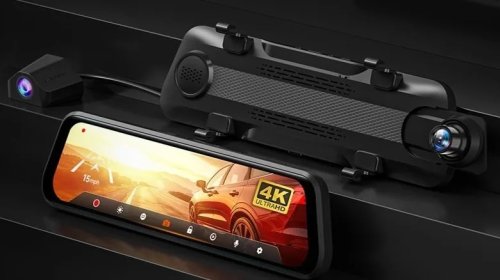
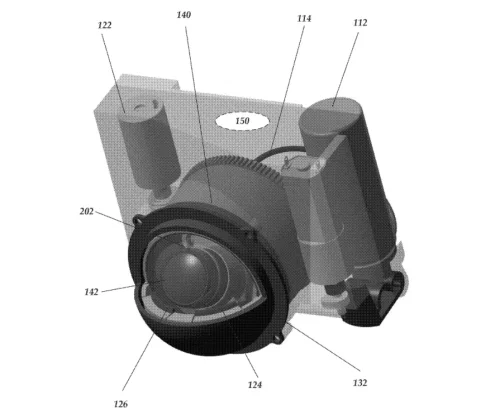
An AI Camera Can Replace Multiple Car SensorsAptiv - MotorTrend (Aptiv - MotorTrend)Don't look now, but automotive engineers have just figured out a new way for AI to make your next car better and cheaper. It's another tale of multitasking and doing more with less, and it's touted as the industry's first camera-only occupant detection system.The vehicle safety legislative landscape currently includes FMVSS 208, which originated to require seat belts in 1968 and has morphed into an omnibus passive-restraint performance spec that now effectively requires all cars to measure seat occupancy. And that detection requires fairly high fidelity for the front passenger seat(s), so the car knows whether to deploy the passenger bag normally, at reduced power (small occupants), or not at all. And legislation to prevent children being left behind in hot cars is expected to soon require camera or other detection of rear seat occupancy.Aptiv - MotorTrend (Aptiv - MotorTrend)Tier 1 supplier Aptiv—which has two decades of experience providing occupant detection systems—asked the question, what if a good camera, monitored by artificial intelligence, could do both jobs? (Actually, Aptiv reckons its camera can provide 15 additional safety and comfort functions, including seat belt status monitoring, driver attention tracking, gesture recognition, body pose analysis, and hands-on-wheel detection, among others.) The answer promises to delete meaningful cost from a new vehicle's bill-of-materials (BoM), to make the car easier and hence cheaper to assemble, and even to unlock new design possibilities. Let's unpack this stuff first.CheaperFront passenger seat occupancy sensors can be pricey. They typically involve strain-gauge load cells in the front seat tracks, pressure mats, weight-sensing bladders, or integrated load-measuring seat structures. These sensors all require power, ground, and communications wiring—some of it shielded. Rear occupancy sensing can be as simple as seat buckle detection or pressure sensors that don't weigh the occupants. Not having to calibrate and validate these systems saves more money. Assembly is simplified, with less wiring to connect and fewer unique seat variations to wrangle. Aptiv claims it can lower BoM cost by 40 percent; the full knock-on savings could potentially amount to between $80–$200 per vehicle.Aptiv - MotorTrend (Aptiv - MotorTrend)BetterWith these carefully calibrated occupancy detectors out of the way, designers have more latitude to introduce new seat architectures, thinner seats, lightweight seat structures, fold-flat seats, and removable seats. Massage systems become way easier to calibrate, as well.Aptiv - MotorTrend (Aptiv - MotorTrend)Aptiv's New CameraThis Advanced Occupancy Classification (AOC) system uses a wide-angle camera mounted at the bottom of the rearview mirror, positioned to see front and rear seats clearly. These cameras are being added to new vehicles now in anticipation of the expected "Hot Car" legislation. It senses occupants, recognizes their faces, and determines their posture—even noting out-of-position problems like feet on the dash. It can identify booster chairs and front- and rear-facing child seats, too. (Cameras are way better at child-seat identification.)The ChallengeThe camera's biggest challenge is determining front passenger seat occupant mass, given that a 5-foot-2 adult woman and a 12-year-old child may have similar visual dimensions, and either could be wearing a bulky winter coat. But this is where AI steps in to save the day, discriminating based on facial cues and apparel assessments. But Aptiv claims AOC has been developed to meet all FMVSS 208 performance standards.AdvertisementAdvertisementThe system will be displayed in early June 2026 at InCabin USA, as ready for implementation, but no contracts have been announced as of press. The savings can't come soon enough!Photo credit: Aptiv - MotorTrendPhoto credit: Aptiv - MotorTrendPhoto credit: Aptiv - MotorTrendPhoto credit: Aptiv - MotorTrendAdvertisementAdvertisement