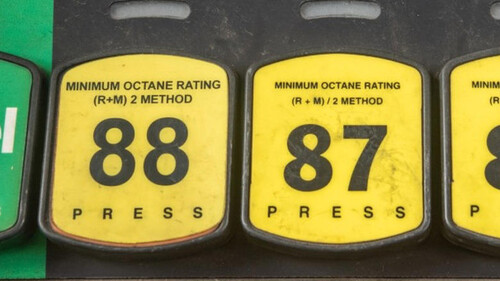
Gas station pump - Lajst/Getty ImagesIn an effort to drive down advertised fuel costs at the pump back in 2011, the EPA began allowing refineries to blend larger quantities of cheap ethanol into gasoline. Most of the gasoline you buy in the U.S. is E10 with a 10% ethanol blend, though an E15 blend, with 15% ethanol content, is typically seasonally (and regionally) available as well. We've covered all the reasonsE15 is terrible for your older vehicles in the past, but it's also not all that great for your modern vehicles either. Corn-based ethanol is a worse store of energy than fossil-based fuel, holding about one third less energy than pure gasoline. E15 sales have traditionally been banned between June and September under the federal Clean Air Act, but now, the Environmental Protection Agency, under Lee Zeldin, has approved a measure to allow E15, commonly known as Unleaded 88, on sale through the summer months of the year in a bid to help lower fuel prices. The upfront cost benefits of ethanol in gasoline are dubious at best, as it is less efficient than regular gasoline, and it's not readily available in every state. Let's take a closer look at the numbers to see just how much of a difference it makes, and if the juice is worth the squeeze. Read more: What Are The Rarest Cars Featured On Jay Leno's Garage?Here's where the math comes inCorn Field - Ds70/Getty ImagesThe vast majority of gasoline sold in the U.S. has 10% ethanol blended in, so that's where we'll set our baseline and what we'll use as a comparison. According to the Department of Energy, the average car on American roads in 2026 achieves about 24.4 miles per gallon. The Federal Highway Administration states that the average American drives 13,476 miles per year. With the average car, the average American would burn about 552.29 gallons in a year of gasoline to go that distance. The current national average for the price of a gallon of gas is about $4.50, which works out to $2,485.50 per year in gasoline.AdvertisementAdvertisementSwitching to E15 means you're buying more gas, and while it can be less expensive, that's not always the case. Ethanol prices are subject to a lot of variables, and E15 is pretty rare outside of the Midwest, but various reports indicate it could range from 10 cents per gallon less expensive than E10 gasoline, all the way up to about 50 cents per gallon. E15 isn't tracked as closely as the nationwide average, so it's a bit more variable, too. To make things simple, we'll be generous and say the retailers drop the price of E15 gasoline to $4.25 per gallon — $0.25 less per gallon than the current average. It's not a direct plug-in for the math, though, since efficiency drops. According to the Energy Information Administration, fuel economy drops by almost 2%, which works out to an average of about 23.9 mpg compared to the earlier average. Using the same yearly average miles, that's 563.84 gallons of fuel per year, which means at least one additional fill-up and a bit of wasted time. And at the end of the year, that's a cost of $2,396.32 — so less than $90 per year saved. If gas companies decide to drop the prices by a dollar per gallon, that difference in what you pay would obviously change, but what're the chances of that happening? It's not just worse for your carSmog in traffic - Kevin Carter/Getty ImagesEthanol has been a consistent part of the U.S. energy mix for over 100 years, but didn't really become mainstream until the 1973 oil embargo as a way to reduce reliance on foreign oil. It was initially used as an octane booster from 1975 onward as leaded fuels were phased out through 1986. The E10 standard was introduced in 1978. E15 was added to the mix in 2011, but only during the winter, spring, and autumn months. During the summer months, in the heat of the day, ethanol is much more susceptible to evaporation. Not only does this mean the liquid fuel you paid for is disappearing out into the atmosphere, but it's also an environmentally harmful ground-level ozone and visible pollution contributor. Putting these evaporative emissions into the air will increase airway muscle constriction, exacerbating lung diseases like asthma, emphysema, and chronic bronchitis. AdvertisementAdvertisementEthanol's benefits as a renewable fuel and its marketing as a greener "clean burning" fuel are currently disputed. While ethanol produces fewer tailpipe emissions than fossil fuels, the lifecycle of the fuel, and the massive land, fertilizer, and water commitment required to grow all of the corn, is simply too much to bear. As Professor of Applied Economics and Law, C. Ford Runge, put it in his Yale School of the Environment paper, "growing corn to run our cars was a bad idea 10 years ago. Increasing our reliance on corn ethanol in the coming decades is doubling down on a poor bet." Want more like this? Join the Jalopnik newsletter to get the latest auto news sent straight to your inbox, and add us as a preferred search source on Google.Read the original article on Jalopnik.