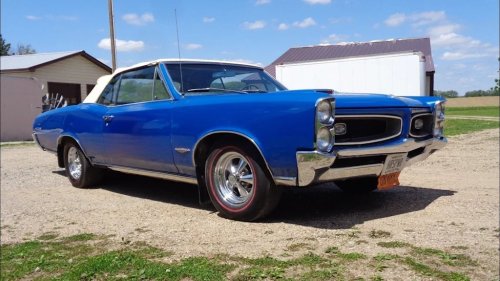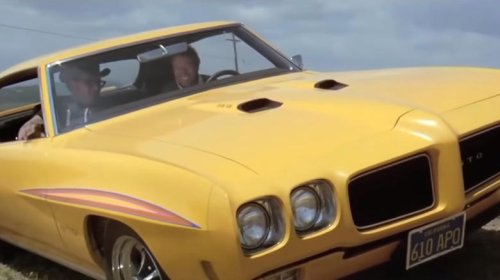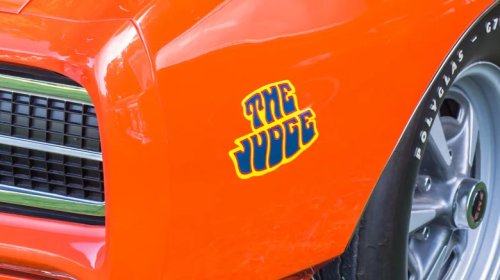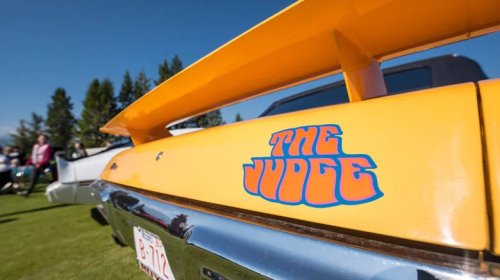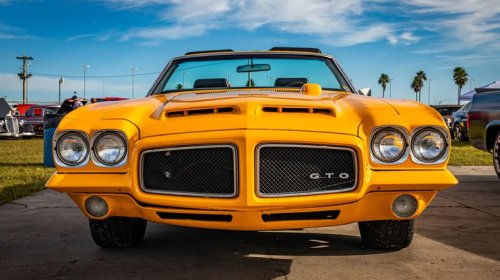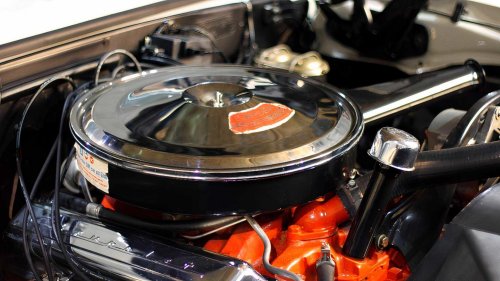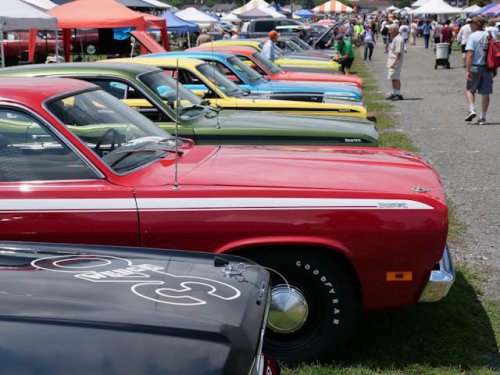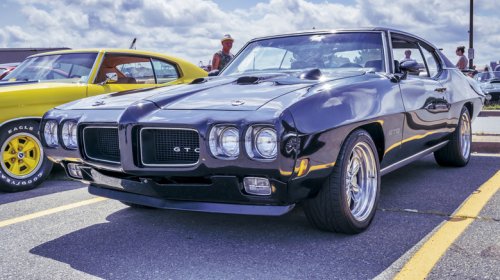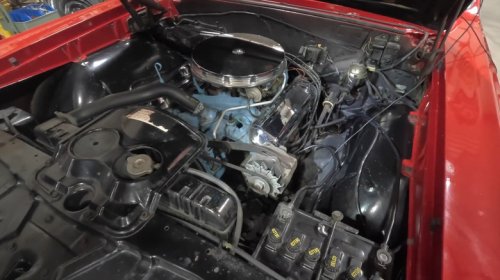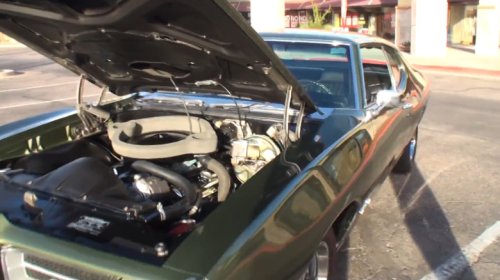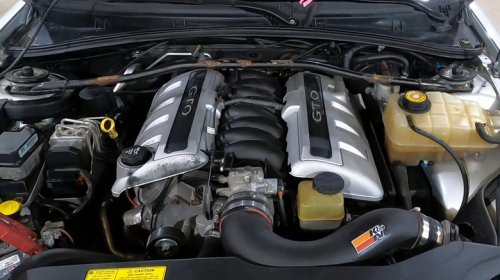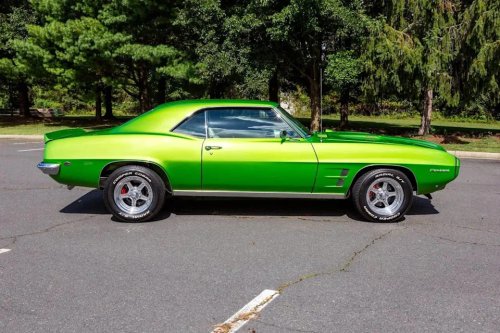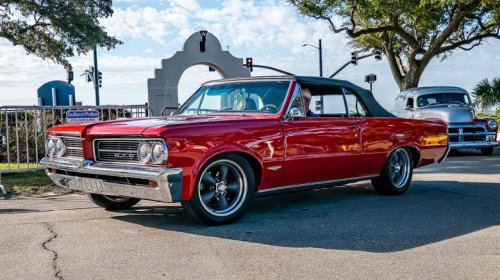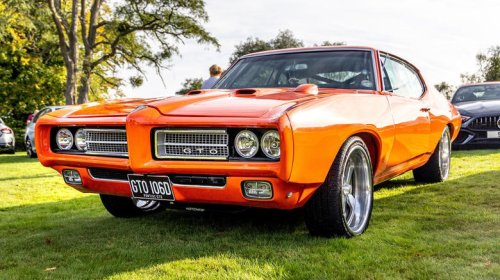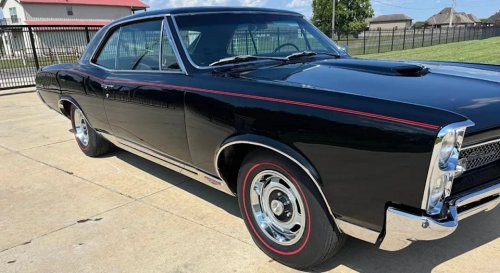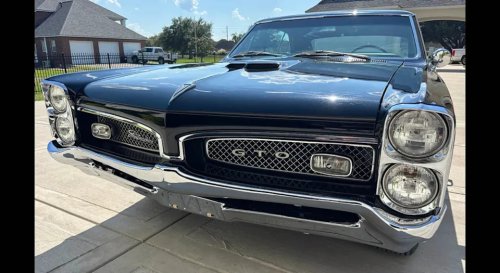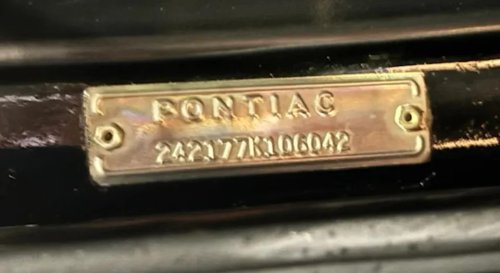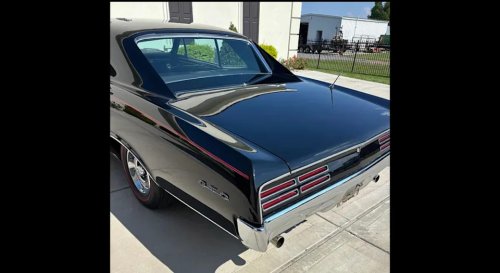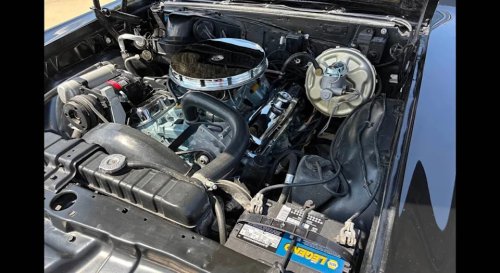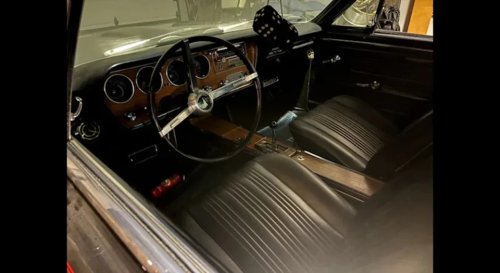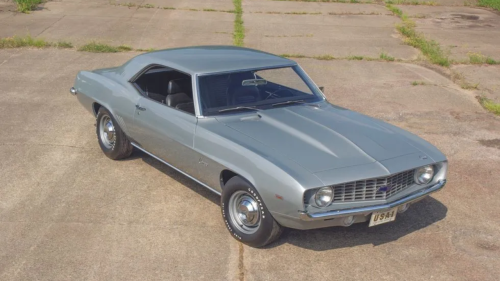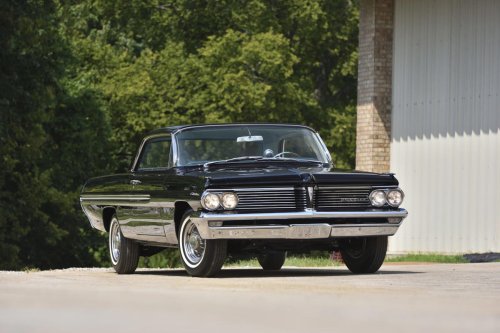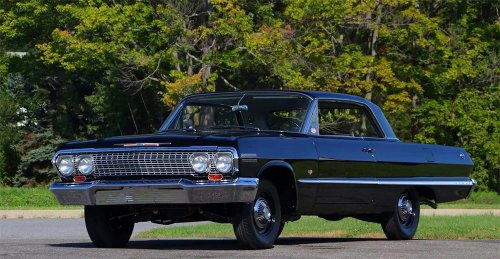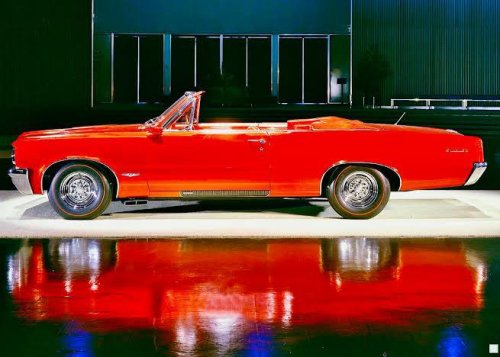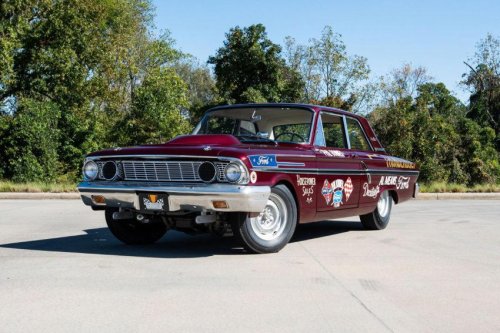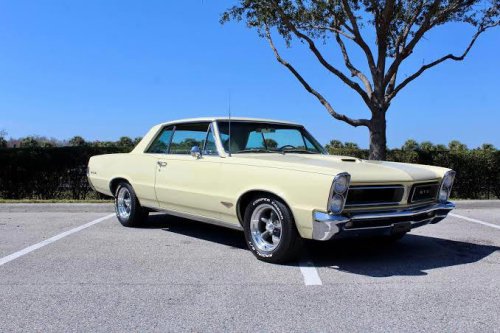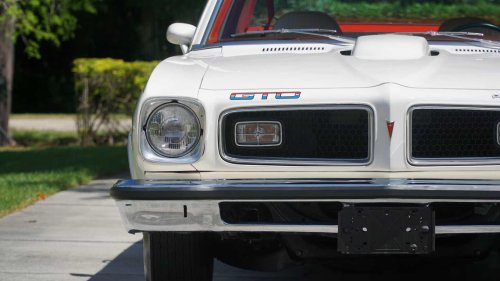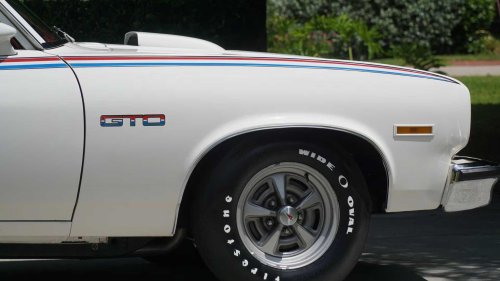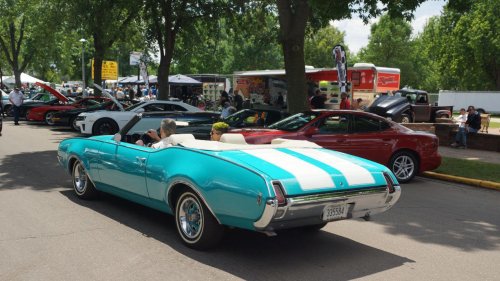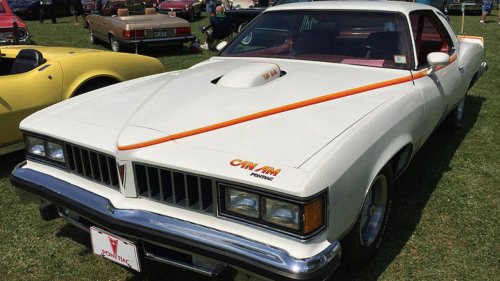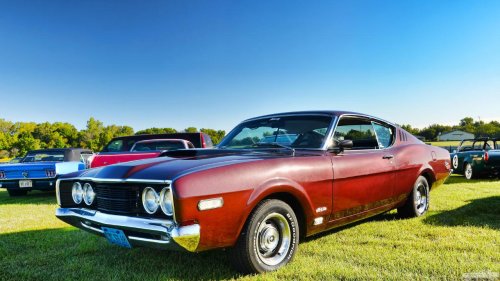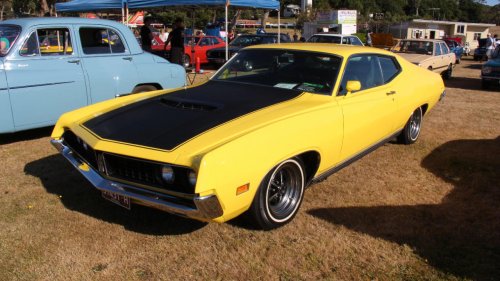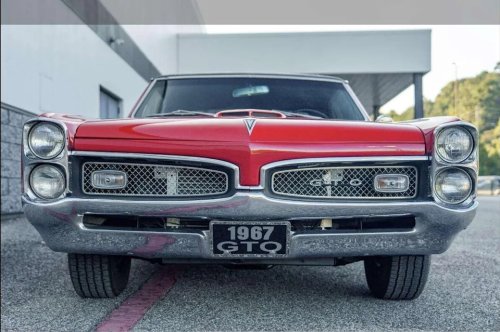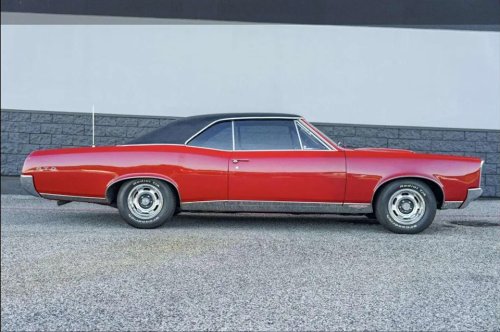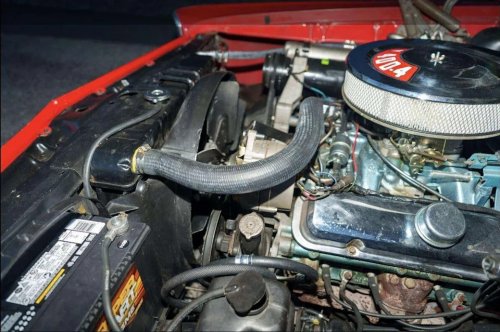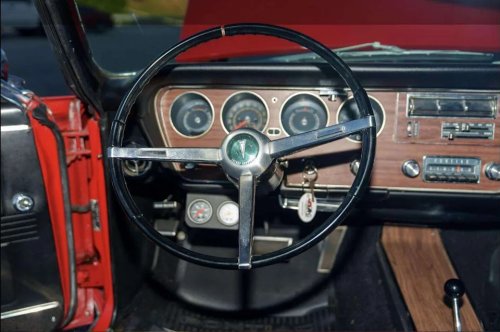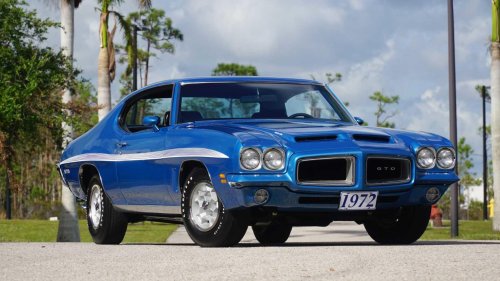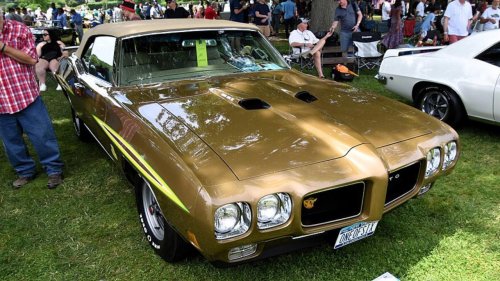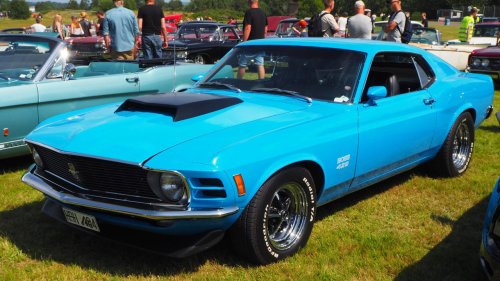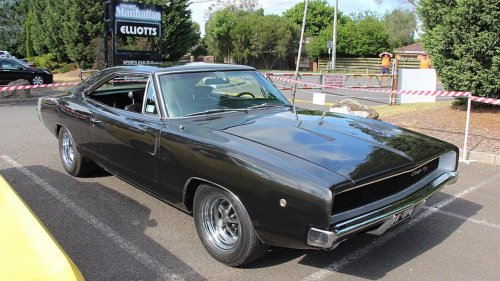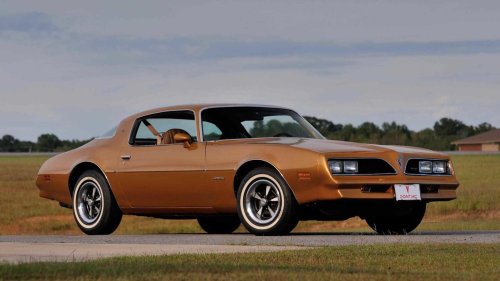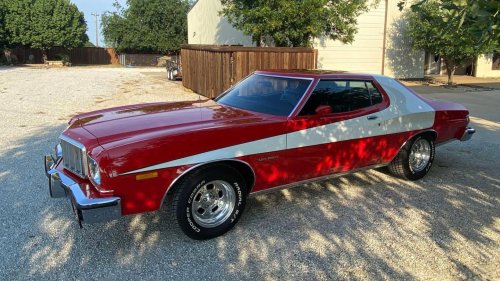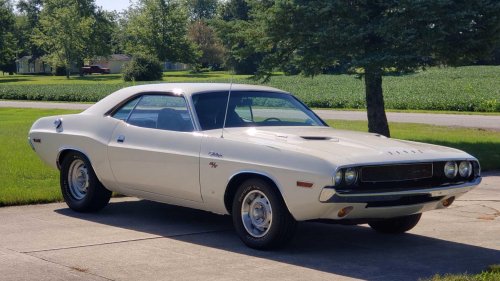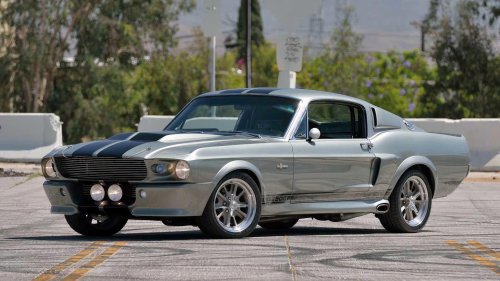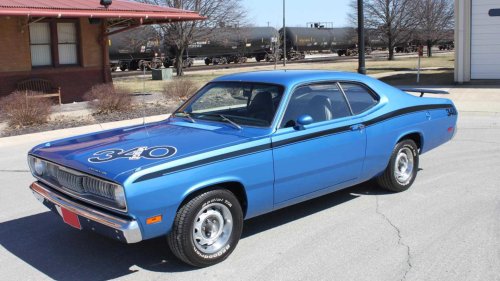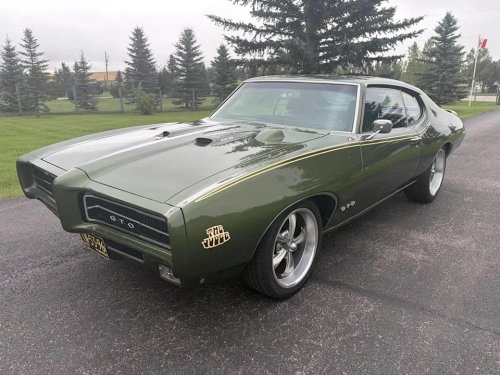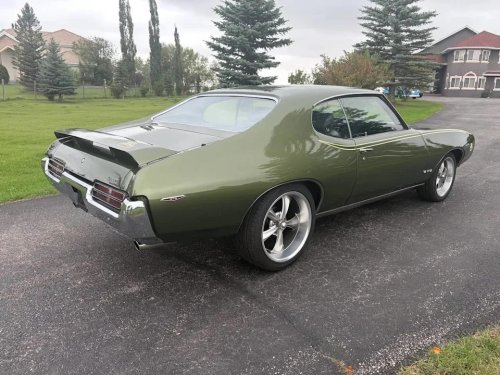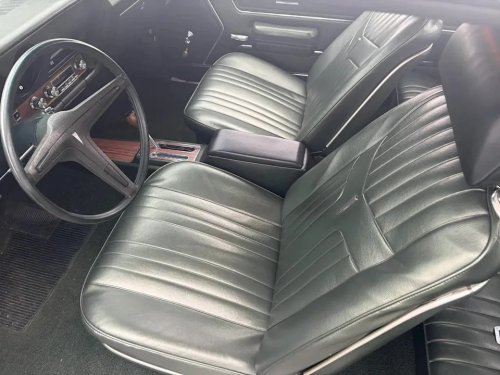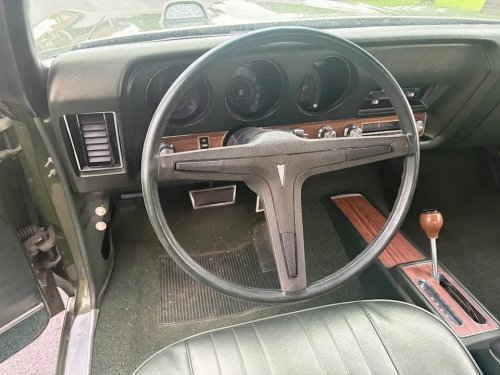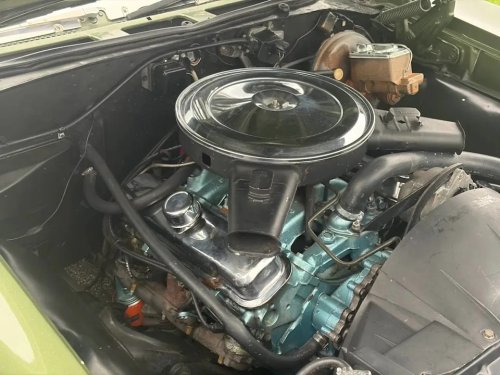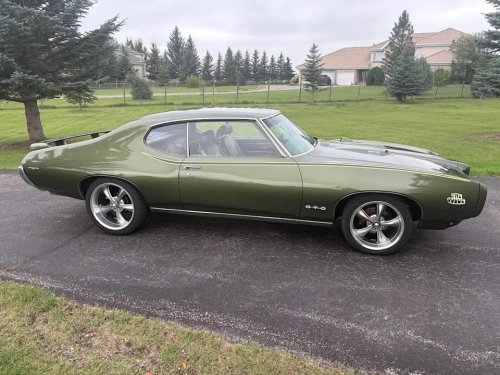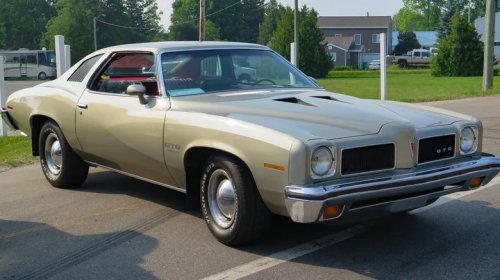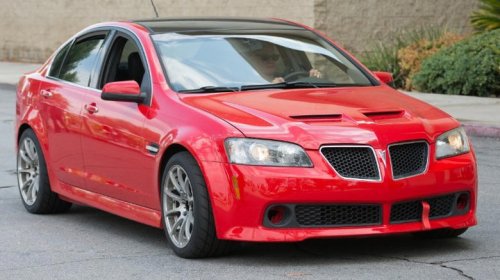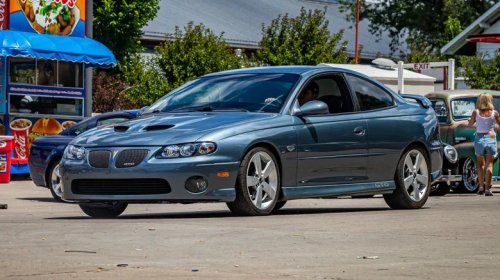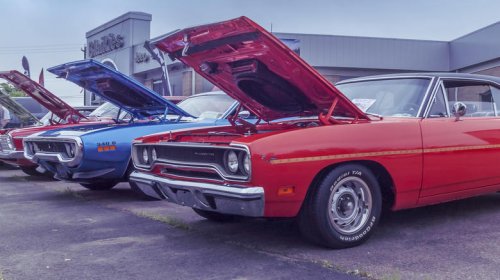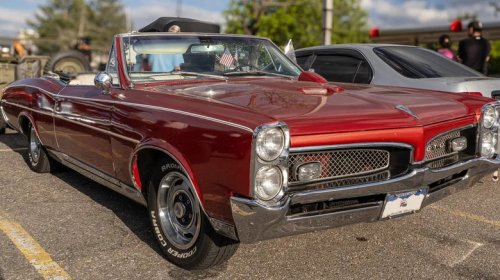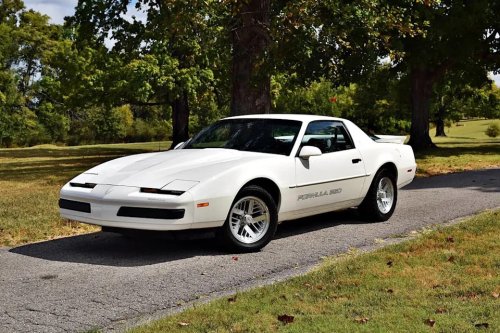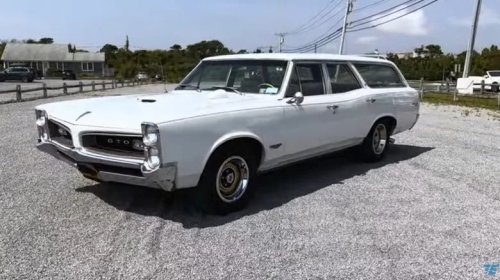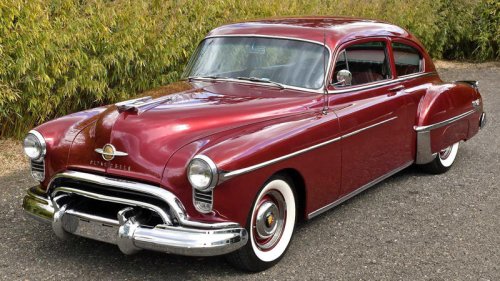
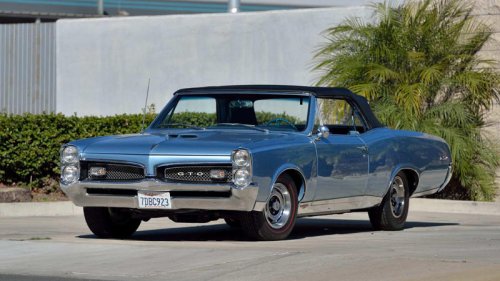
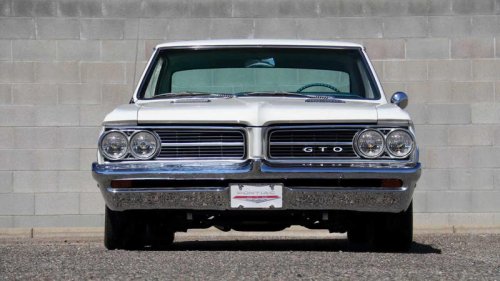
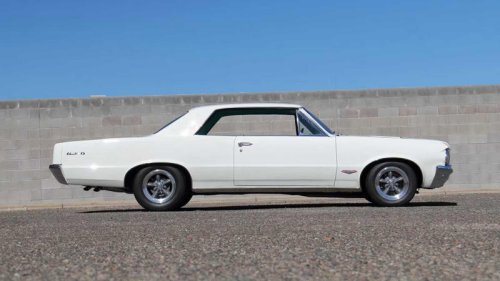
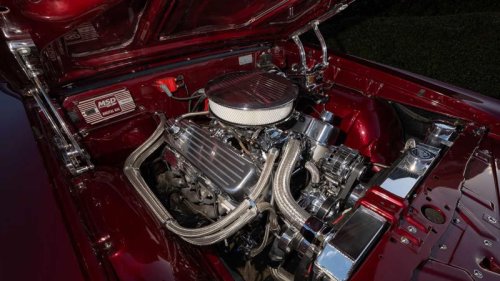
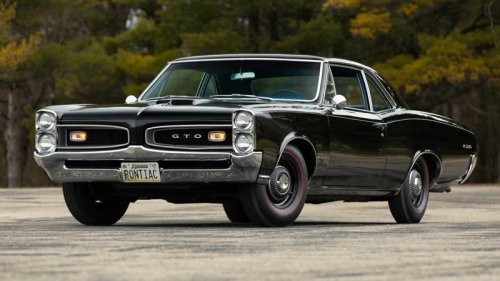
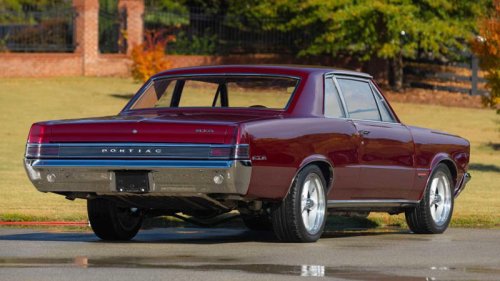


















Whether we like it or not, the American automotive scene is dominated by muscle cars. Sure, hot rods, the odd supercar, and plenty of pickup trucks all play a huge part in the country's four-wheeled history, but think of a US car and you'll probably think muscle. But, believe it or not, there was a time when muscle cars didn't exist — let's call it BM, or Before Muscle — and cars were cars, Mustangs were horses, and Chargers were used to power up newfangled cordless electric shavers. So how did the muscle car come to be? The World Before Muscle Cars Bring A Trailer It wasn't as if the American public was trundling around in two-cylinder horseless carriages before the muscle car rolled into town...but things did look a little different. In the '40s and '50s, the world was still reeling from the Second World War, and while Marlon Brando (in The Wild One) and Elvis Presley were liberating the young, America was still characterized by family-centric life, a booming population, and a rise in suburban living.Anyone with a need for speed was turning to the hot rod scene, which utilized cheap and plentiful prewar cars like the Ford Deuce and Model T, turning them into lightweight, V8-engined terrors. There were new muscle cars of sorts, including the Chevrolet Bel Air Sport Coupe, Rambler Rebel, and Oldsmobile Rocket 88, but the name hadn't been coined yet, so they are largely seen as the precursors to America's best-known automotive segment. The Muscle Car Couldn't Have Been More 60s If It Tried Mecum The '60s couldn't have been any more perfect for the muscle car to be born. This was the decade that emancipated young people, untying them from tradition and the constraints of family life. Or to put it more scientifically: the kids just wanted to party. Jobs were secure, the economy was booming, gas was cheap, highways were empty, and the new young demographic wanted stylish ways to spend their money. Just driving around in grandpa's hand-me-down Cadillac wouldn't cut it, and the youth were looking for cars that reflected them, not their parents. The muscle car was about to save the day. The Pontiac GTO Was The World's First Muscle Car Mecum Believe it or not, in the '50s Pontiac had a bit of an image problem. While the sadly missed brand these days is mostly associated with wild living, even going out in a blaze of glory after the slightly unhinged G8 GXP, with a Corvette-sourced engine and four doors, it wasn't always like that. To update Pontiac's image for the swinging sixties, young hotshot engineers John DeLorean, Russ Gee, and Bill Collins were enlisted, with the brief to make Pontiac down with the kids.The trio would famously meet on Saturday mornings at the Milford Proving Grounds to chat, drink coffee, and brainstorm ideas. During one of these chat-fests that the group put a 1964 LeMans coupe on a lift to look at the mechanicals, and the story goes that Collins turned to DeLorean and said: “You know, John, it would take about 20 minutes to stick a 389 in here.” DeLorean's response was “let’s try it” and with those three words the muscle car was born, even if they didn't realize it at the time. The Team Got To Work On The GTO Mecum Fitting the 389 tri-power and four-speed transmission into a LeMans coupe was pretty straightforward, and DeLorean loved the car. While getting the engine in the car was easy and the top brass who tried it seemed to love it, there was a snag. GM internal policy stated that vehicles must have 10 pounds of vehicle weight per cubic inch of engine displacement, with the GTO falling foul of the rules. But there was a way around it. As the limit applied to base engines only, the GTO would be offered as a package for the LeMans, carefully sidestepping company policy. Then There Was The Name... Mecum AuctionsThe car just needed a zingy name. Pontiac chief engineer DeLorean wanted to bring a Euro flavor to the car, and rumor has it the decision was made to cheekily borrow the last three letters from the hypercar of the day, the coveted Ferrari 250 GTO. The letters GTO stood for "Gran Turismo Omologato," Italian for "Grand Touring Homologated," which didn't really mean much in Detroit, but that didn't matter anyway. The motoring press quickly coined a new name for the new Pontiac: it was called a "muscle car." DeLorean tasked Jim Wangers, vice president at Pontiac’s advertising agency, with promoting the car to the new upwardly mobile young Americans who were being fed a diet of James Dean and the Beach Boys, but selling it wasn't difficult. The GTO Would Go Down In History — Then The Company Became History Mecum AuctionsDealers loved the GTO and placed 5,000 orders before many people at GM even knew the car existed. The GTO was launched in September 1963 and managed to kick off a segment that almost every other automaker then rushed to fill. Pontiac sold 32,450 GTOs in that first year, far exceeding an expected 5,000, and the car became an almost instant legend. All GTOs built from 1964 to 1966 have a 389-cubic-inch V-8 with 10.75:1 compression, with 325 horsepower with a four-barrel carburetor, or 348 horsepower from the desirable Tri-Power carburetor option, with power rising to 335 hp and 360 hp the following year. Acceleration was around 7.7 seconds to 60 mph and 15.8 seconds for the quarter mile.The GTO went through four generations, becoming a firm muscle car favorite, before it was shelved for 30 years after 1974. The nameplate returned for 2004 to 2006 based on the third-gen Holden Monaro, fitted with a 5.7-liter LS1, and later a 6.0-liter LS2. It wasn't enough to save the company which went out of business in 2010. The Iconic OG GTO Is Cheaper Than You Might Think Mecum Auctions Despite the fact that the GTO is muscle car royalty, it is a lot cheaper than you might expect. That's mostly due to the high number that the GTO sold in, with 75,352 GTOs delivered in 1965 and a whopping 96,946 units in 1966. You'll be looking at just $22,000 for a good-condition 325-horsepower sport coupe from 1964, although the more powerful option will cost almost double that at $41,800. Prices rise to $25,100 for a sport coupe GTO from 1965. For this kind of money, the GTO manages to be both a stone-cold classic, and a car pretty much all of us could aspire to getting on the driveway.Sources: Hagerty.com