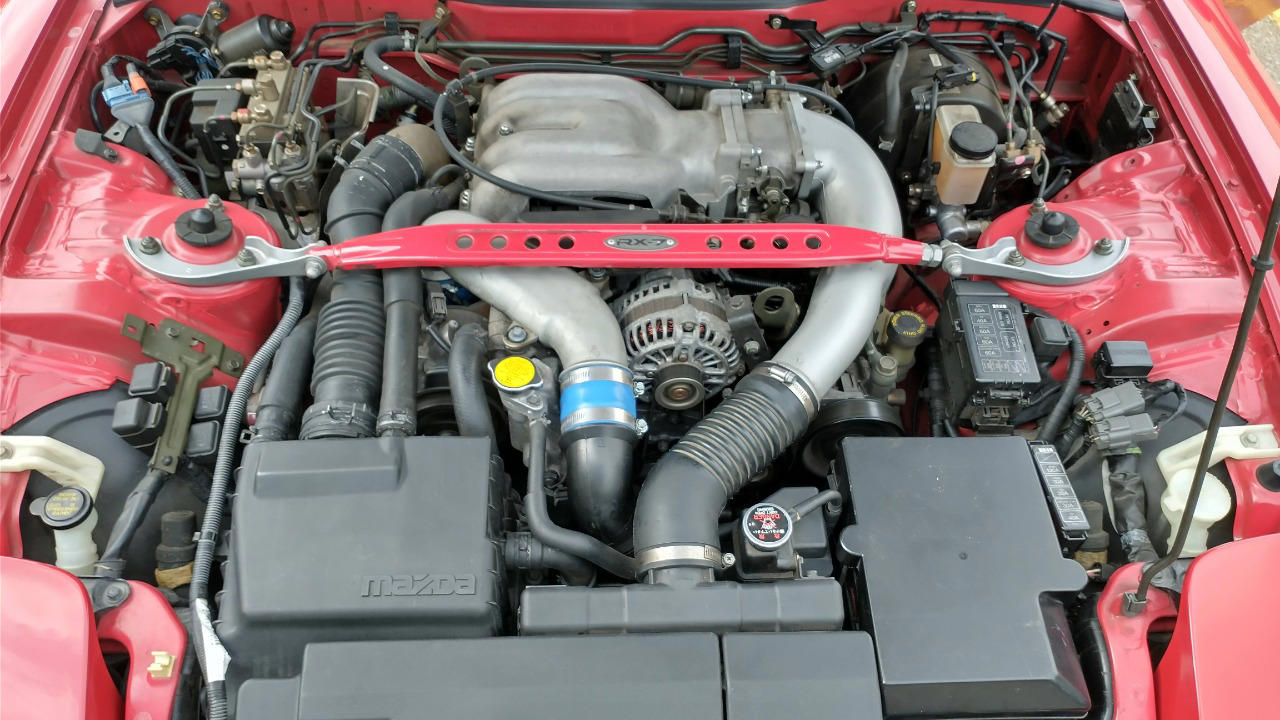



















The 13B rotary that made Mazda engineering feel completely differentMazda’s 13B rotary engine did more than power a string of sports cars. It forced an entire engineering department to think differently about combustion, packaging, and character, and it left a mark on how the company approached every enthusiast project that followed. From lightweight coupes to oddball pickups and luxury flagships, the compact twin-rotor unit became the lens through which Mazda tried to stand apart from the rest of the industry. That shift did not happen overnight. It grew out of a series of experiments, some successful and some commercial dead ends, that collectively taught Mazda how to build cars around an unconventional powerplant. At the center of that learning curve sat the 13B, which turned a niche technology into the company’s defining engineering language. What happened The 13B story begins as Mazda wrestled with how to turn Felix Wankel’s rotary concept into a viable production engine. Earlier single-rotor and small twin-rotor designs had already appeared in cars like the Cosmo Sport and the first RX models, but the 13B became the workhorse configuration that Mazda refined across decades of production. It used a two-rotor layout with a larger displacement than the 12A, giving engineers a more flexible base for both everyday drivability and high performance. One of the most revealing chapters in that evolution came from an unlikely place: a compact pickup. Mazda created the Rotary Engine Pickup, often shortened to REPU, by dropping a 13B into a small truck platform and selling it primarily in North America. The engine gave the truck a level of smoothness and rev-happy character that was unusual in a work vehicle, turning what could have been a basic hauler into a cult favorite among enthusiasts who appreciated the rotary’s unique feel. The REPU showed that Mazda was willing to treat the 13B as more than a sports car engine and to test how far the layout could stretch. According to detailed histories of Mazda’s rotary projects, the REPU was not a one-off curiosity inside the company. Engineers had already learned from earlier rotary sedans and coupes that the compact engine allowed lower hood lines and better weight distribution. By installing the 13B in a pickup, they could explore how that same compactness affected packaging in a utility vehicle. Reports on the truck’s development describe how the rotary’s small size freed up space in the engine bay and shifted weight closer to the center of the chassis, which in turn influenced suspension tuning and steering feel. Enthusiast retrospectives describe how Mazda “accidentally” created an icon when it leaned into these traits. The decision to keep evolving the 13B, instead of abandoning the rotary after early reliability and emissions challenges, produced cars that felt distinct from anything with a conventional piston engine. That persistence turned what might have been a short-lived experiment into a defining feature of the brand’s engineering identity, as chronicled in analyses of Mazda’s rotary heritage that highlight how the 13B became the core of several beloved RX models. The rotary pickup chapter is especially well documented. Accounts of the REPU’s design and reception explain how the truck’s 13B delivered strong power for its size, along with a smoothness that traditional four-cylinder trucks of the period could not match. Owners and reviewers noted that the engine encouraged revs, which felt at odds with the typical low-rpm, torque-focused character of small pickups. That contrast helped cement the REPU as a cult model and gave Mazda engineers direct feedback on how the 13B behaved outside a sports car context. While the REPU tested the rotary in a utility role, Mazda’s engineers kept pushing the architecture in the direction that most naturally suited it: high-revving performance and refinement. This trajectory eventually led to more complex rotary applications, including three-rotor engines used in luxury coupes. Those projects would not have been possible without the lessons learned from the 13B in both road and competition use, where engineers refined sealing, cooling, and fuel delivery to keep the compact engine reliable at high output. The 13B also served as a modular building block for more ambitious rotary designs. Technical features like its side-port and peripheral-port variations, and the way Mazda tuned intake and exhaust for different applications, gave the engineering team a flexible toolkit. Over time, the company created turbocharged and high-compression versions that shared the same basic twin-rotor layout but delivered very different personalities, from tractable street engines to high-strung racing units. Why it matters The impact of the 13B goes far beyond a parts catalog entry. It changed how Mazda thought about car design from the firewall forward. The engine’s compact dimensions let designers lower the hood and push the front axle closer to the cabin, improving weight distribution and giving sports cars like the RX-7 a distinctive long-hood, cab-back profile. Analyses of rotary-powered Mazdas often point to this packaging advantage as a key reason the cars felt so agile, since the lightweight engine could sit low and far back in the chassis compared with an inline-four or V6. That packaging freedom also influenced Mazda’s approach to luxury and technology. In the early 1990s, the company created the Eunos Cosmo, a high-end coupe that used a three-rotor engine derived from the same rotary family as the 13B. Detailed features on the 1993 Eunos Cosmo describe how the car paired its advanced rotary powerplant with then-cutting-edge electronics, including an early factory navigation system and a sophisticated infotainment interface. The Cosmo showed how Mazda saw the rotary not only as a performance tool but as a statement of technological ambition, especially in the Japanese domestic market. The 13B’s influence also appears in discussions of the most powerful rotary engines ever installed in production cars. Lists of those engines frequently highlight how Mazda evolved the basic twin-rotor layout into turbocharged and multi-rotor configurations that delivered serious output. In these comparisons, the 13B often appears as the foundation that made later high-power rotary variants possible, since it established key dimensions and design choices that Mazda reused and refined. Inside the company, that continuity mattered. Engineers had to solve recurring challenges like apex seal durability, oil consumption, and emissions compliance. The work they did on the 13B, especially in later fuel-injected and turbocharged forms, fed directly into the knowledge base that supported more exotic engines like the three-rotor units. Each iteration forced Mazda to think creatively about combustion chamber shape, cooling passages, and lubrication strategies that differed from piston engines, which in turn shaped the company’s broader engineering culture. Enthusiast coverage of Mazda’s rotary pickup underscores how this culture extended beyond the sports car department. Articles that revisit the REPU explain that the truck’s 13B gave it a personality that stood apart from competitors, helping build a small but passionate fan base. That fan base, and the feedback it generated, reinforced the idea inside Mazda that the rotary could attract buyers who valued character and uniqueness over conventional practicality. The company’s willingness to keep experimenting with rotary applications, even in segments like pickups, reflected a mindset that prized differentiation through engineering. At the same time, the 13B’s story is a reminder of the limits of that strategy. Reports on rotary-powered trucks and coupes point out that fuel economy and emissions compliance were constant headaches. As regulations tightened, Mazda had to invest heavily in refining combustion and aftertreatment systems for the rotary, while competitors could spread similar investments across much larger volumes of piston engines. The 13B’s charm did not always translate into sales or regulatory success, which eventually contributed to Mazda winding down rotary production in mainstream models. Yet the engine’s legacy remains powerful among tuners and builders. Features on high-output 13B projects, including twin-turbo builds that push the engine far beyond factory power levels, show how the basic rotary architecture still attracts experimentation. Builders praise the compact size and smoothness, along with the distinctive sound that sets a rotary apart at high rpm. These projects draw a direct line back to the engineering decisions Mazda made when it standardized the 13B layout, decisions that continue to shape what is possible for modern rotary enthusiasts. The 13B also helped define Mazda’s brand image. Histories of the RX-7, for example, often treat the engine and the car as inseparable, describing how the rotary’s light weight and rev-happy nature allowed Mazda to build a sports car that felt more delicate and responsive than many heavier, piston-powered rivals. That perception of agility and purity became a key part of how enthusiasts saw Mazda as a company willing to prioritize driving feel over outright numbers, a reputation that still influences how the brand is discussed today. What to watch next Interest in Mazda’s rotary engines has not faded, even though mass-market production ended years ago. Enthusiast coverage continues to revisit the company’s past experiments, including the rotary pickup and luxury coupes, keeping the 13B in the spotlight. Articles that profile the REPU, for instance, frame it as a reminder that Mazda once tried to bring rotary character to everyday utility vehicles, and they suggest that the industry could still learn from that willingness to take risks. Modern lists of the most powerful rotary-powered cars also keep the 13B and its derivatives in circulation for new audiences. These roundups highlight how Mazda extracted significant power from relatively small-displacement engines and often compare factory figures with what tuners have achieved on modified builds. That ongoing attention helps sustain a market for parts, expertise, and restoration projects centered on 13B-powered cars and trucks. Collectors and restorers have become key players in the 13B’s future. As surviving REPUs, RX-7s, and rotary luxury coupes age, specialists who understand the engine’s quirks are in higher demand. Detailed guides to rotary maintenance and rebuilds emphasize the importance of proper sealing, cooling, and lubrication, lessons that trace directly back to Mazda’s own development work. The more these cars appreciate in value, the more incentive there is to keep the 13B knowledge base alive. There is also growing interest in how rotary technology might intersect with new powertrain trends. While the sources here focus on historical and enthusiast perspectives, broader industry discussions have touched on the idea of using compact rotary engines as range extenders in hybrid or electric vehicles. The same packaging advantages that made the 13B attractive in sports cars and trucks could, in theory, apply to auxiliary power units that need to fit in tight spaces and run at steady speeds. Whether Mazda or another manufacturer pursues that path at scale remains uncertain. Unverified based on available sources. For now, the clearest path forward for the 13B legacy lies in preservation and performance tuning. Builders continue to push the engine’s limits with turbocharged setups, peripheral-port conversions, and standalone engine management systems, drawing on decades of accumulated knowledge. Each successful high-power build reinforces the idea that Mazda’s original engineering decisions created a platform with remarkable headroom, even if the company itself has largely moved on from rotary production. More from Fast Lane Only Unboxing the WWII Jeep in a Crate 15 rare Chevys collectors are quietly buying 10 underrated V8s still worth hunting down Police notice this before you even roll window down