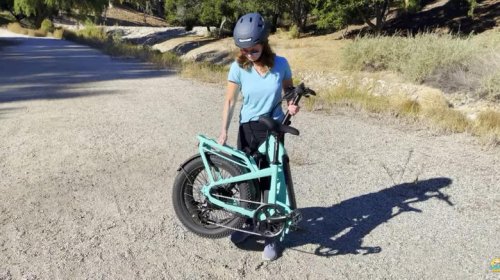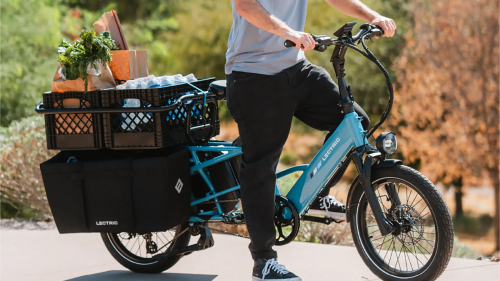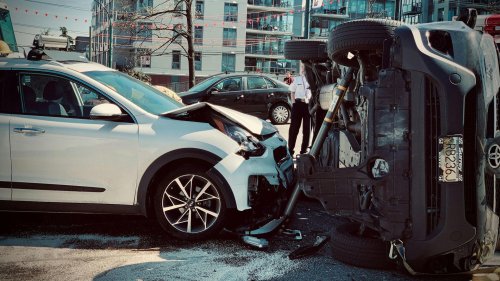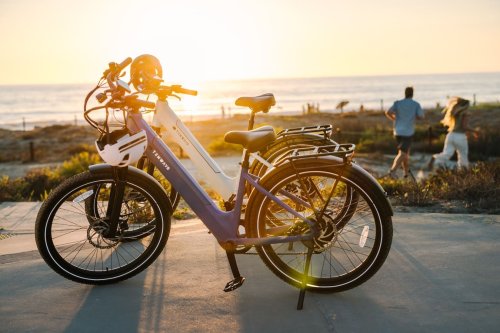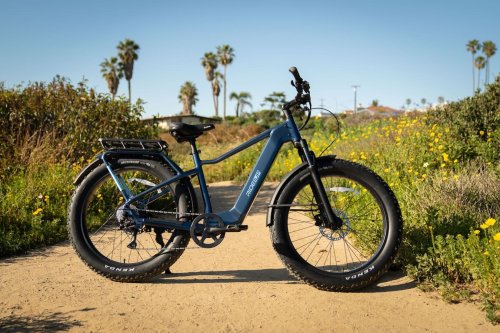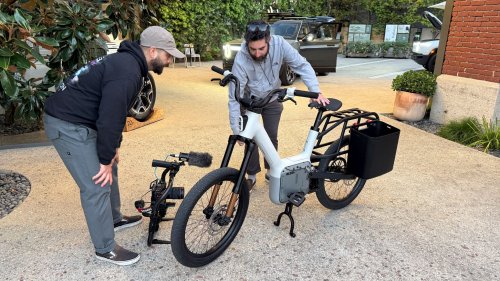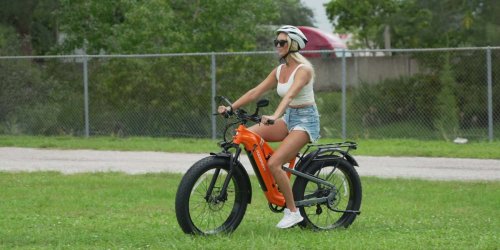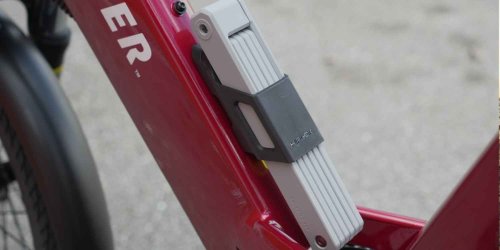
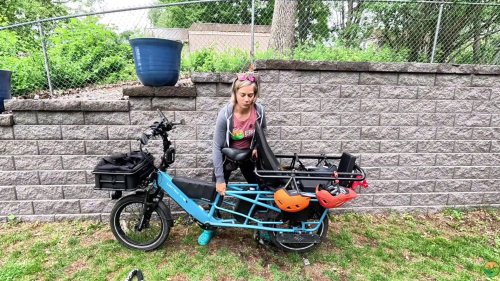
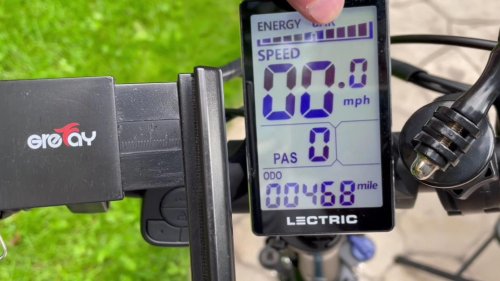
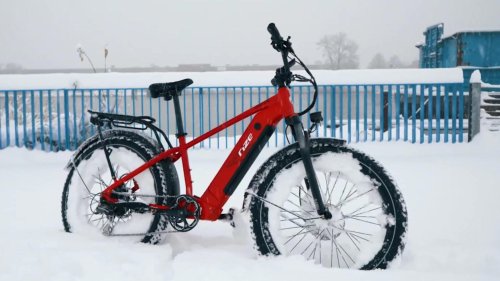



















Smart Riding Or Costly Hype?E-bikes are changing how people get around—fast, fun, and far less tiring than traditional bicycles. They offer a taste of freedom that fits right into busy modern life. But not everything about them is smooth sailing. As cities embrace e-bikes and riders multiply, the conversation grows louder: are they a green solution or a short-lived trend with hidden drawbacks? Let’s begin with the pros.1. Faster Commuting In Congested Urban AreasCity traffic might crawl, but riders on electric bikes move right past it. Using bike lanes and motor power, they maintain a steady speed even when cars stall. Additionally, short and medium routes often take less time on two charged wheels than behind the wheel.2. Reduced Physical Strain Compared To Regular BikesA steep hill doesn’t have to mean sore legs. Riders can choose the level of electric help they want, matching comfort to effort. That flexibility turns long, sweaty commutes into easy rides that feel more like a breeze than a workout.3. Lower Long-Term Transportation CostsOver time, the savings really stack up. Charging a battery costs pennies compared to filling a gas tank, and repairs are simple and cheap. Without big insurance bills or maintenance surprises, e-bike owners can find themselves miles ahead financially.4. Environmentally Friendly With Zero Direct EmissionsUnlike gas vehicles, electric bikes don’t cough out fumes or smog. Their quiet motors run on minimal energy, helping keep city air cleaner. Each ride may seem small, but across thousands of commuters, the environmental payoff becomes powerfully clear.5. Ideal For Last-Mile Connections With Public TransportEver step off a bus or train still miles from your destination? E-bikes fix that gap perfectly. Foldable models and electric assistance make the “last mile” effortless—just ride to the station, hop aboard, and keep rolling once you’re off.6. Expanded Commuting Range Beyond A Normal BicycleWhat used to feel too far suddenly becomes close. With motorized assistance, a morning ride can stretch across neighborhoods without slowing down. The ability to travel farther without fatigue opens up new routines and possibilities for everyday commuting.7. Quieter Operation Leading To Less Noise PollutionCities can be loud, but e-bikes keep things calm. Their near-silent motors reduce the constant roar of engines to create quieter streets. That simple change helps lower stress and make urban life just a bit more peaceful.8. Reduces Dependence On Public TransitElectric bikes free you from crowded buses and unpredictable train schedules. You control your timeline and avoid delays completely. Peak-hour congestion stops mattering when you choose your own route. The independence is real.9. Health Benefits From Light To Moderate ExerciseDon’t be fooled by the motor—riding still works your body. E-bike users enjoy improved heart health, less stress, and a mental boost, all without overdoing it. Light pedaling adds movement to your day while keeping fitness fun and manageable.10. Customization Options For Different LifestylesFrom cargo racks to child seats and off-road tires, e-bikes offer modular upgrades that suit commuting or adventure. Riders can tailor their setup to match daily needs, turning one bike into a versatile tool for work and play.E-bikes have plenty to offer, yet a few drawbacks can make ownership more complicated than it seems—read on to see if an e-bike is the right ride for you.1. High Upfront Purchase CostMany riders pause at the price tag. A quality e-bike can cost as much as a used car. The advanced motor, battery, and electronics push up the price, which turns affordability into one of the biggest hurdles for new buyers.2. Limited Battery Range On Long RidesBattery life remains a major limitation. Everything from wind to rider weight quickly drains power. Once the charge runs low, riders must rely on manual effort. Without careful route planning, a long trip can turn into an exhausting challenge.3. Heavy Weight Makes Manual Pedaling DifficultE-bikes often weigh nearly twice as much as regular bicycles. When the battery dies, that weight becomes a real burden. Climbing a hill or even coasting on flat ground suddenly feels like pushing a small motorcycle without help.4. Slow Charging And Costly ReplacementsPowering up an e-bike takes patience. Most batteries need hours to recharge and rarely support quick boosts. Over time, performance fades, and replacements aren’t cheap—especially for older models—turning a once-affordable ride into an ongoing expense for frequent riders.5. Poor Performance In Extreme Cold WeatherCold air slows the chemical reactions inside batteries, which cuts efficiency and distance. Winter rides can drain power faster and shorten range. Storing the bike indoors and keeping the battery warm can help, but freezing conditions still reduce reliability.6. Vulnerability To Theft Due To High Resale ValueThieves know the value of e-bikes. Many target them for their pricey parts or quick resale opportunities. Locking the frame or using GPS trackers reduces risk, yet complete protection remains difficult in crowded areas.7. Complex Maintenance Compared To Regular BikesElectrical systems demand specialized attention. Traditional repair shops may lack the right tools or training to handle these machines. Owners often pay more or travel farther to find technicians who can diagnose and fix electronic issues correctly.8. Legal Restrictions Vary By State Or CityLaws differ widely across regions. Some cities welcome e-bikes on public trails, while others limit them to specific lanes. Without understanding local rules, riders may face fines or restrictions that interrupt what should be a smooth journey.9. Limited Charging Infrastructure In Public AreasCharging stations for cars keep growing, but e-bike options remain scarce. Riders need to depend on home outlets or workplace plugs to recharge. Long trips become tricky without access points, limiting how far people can travel before running out of power.10. Higher Accident Risk Due To Increased SpeedMore speed means less reaction time. E-bikes can outpace regular bicycles easily, which makes braking and cornering harder for beginners. Without experience or proper caution, that extra power can lead to collisions or near misses on crowded streets.