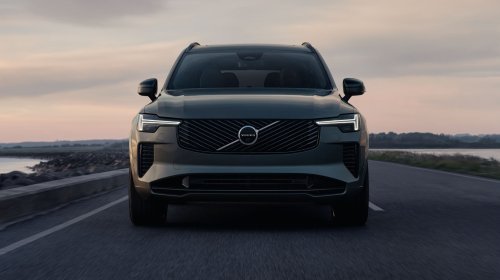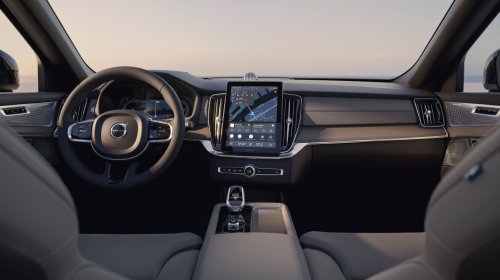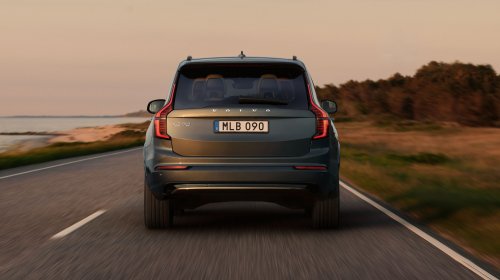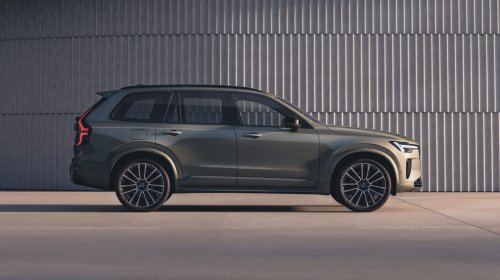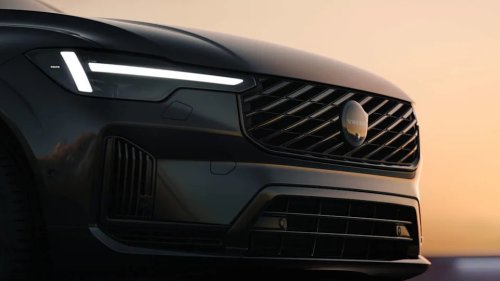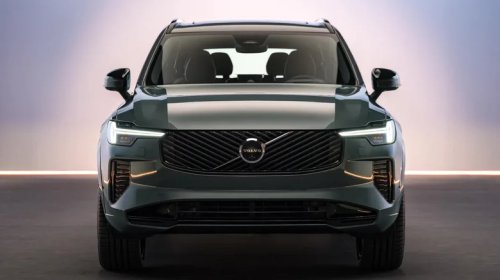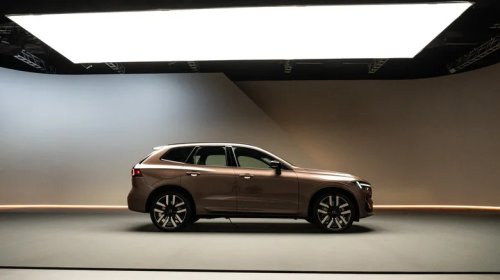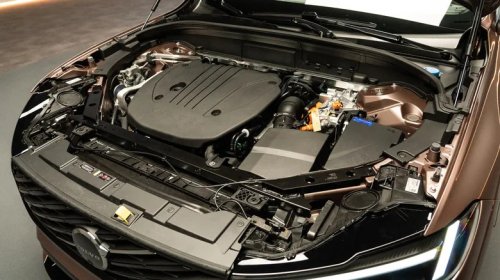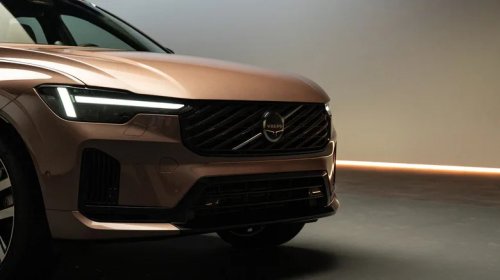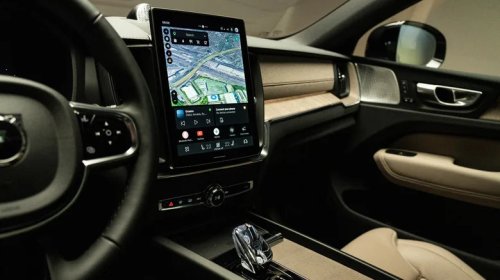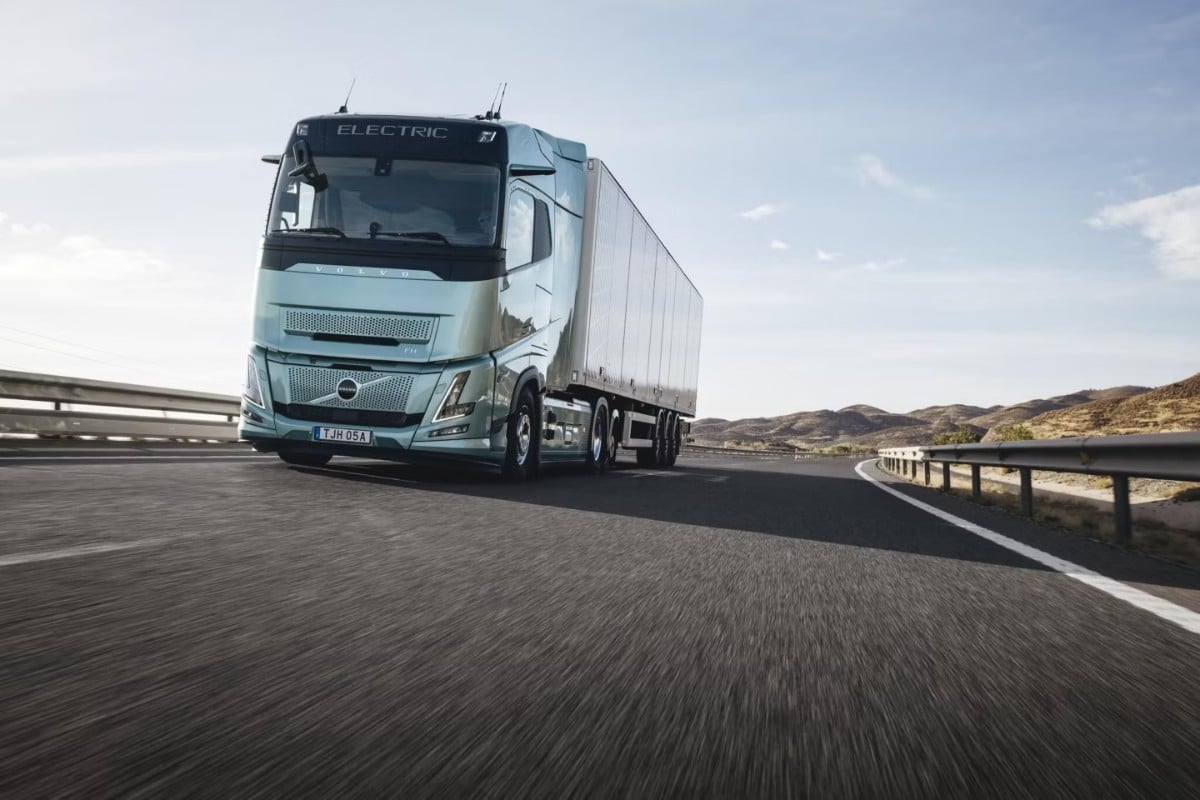



















Image: Volvo TrucksVolvo Trucks has provided another preview of its long-haul electric truck, which will celebrate its world premiere in early June and is scheduled to go on sale in summer 2026. The Swedish manufacturer has announced an additional 100 kilometres of range compared to its most recent figures for the new flagship model. However, the company has not specified how the increase to up to 700 kilometres has been achieved.What is notable, however, is that sister brand Renault Trucks took the lead in presenting a largely identical model. In November, the French manufacturer unveiled its E-Tech T 780 with a range of 600 kilometres at its home trade show, Solutrans in Lyon. Volvo, which typically takes precedence in model launches, is following around six months later—but now appears determined to surpass all competitors in terms of range, including its sister model from Renault Trucks.The wording is crucial: Volvo Trucks uses the term ‘up to’ when quoting the higher range figure—an optimistic value that may not be achieved under less favourable conditions. Other manufacturers take a more conservative approach, which makes direct comparisons more difficult.For example, Daimler Truck specifies a range of 500 kilometres for the Mercedes-Benz eActros 600, explicitly describing this as a conservatively calculated minimum. Volvo Trucks, meanwhile, also includes a qualification in the small print, noting that ‘range depends on external conditions such as the weather and wind resistance, as well as other factors such as total weight of the truck and the driver’s performance.’How efficient these electric heavy-duty trucks will be in practice is therefore likely to become clear only in real-world operation.Turning to the other key details now revealed by Volvo Trucks for the FH Aero Electric: the widely used I-Shift transmission in the Volvo Group is being replaced in the new model by an e-axle featuring two electric motors and a 6-speed gearbox. The total peak power output is listed as 460 kW, consistent with the already unveiled Renault sister model. The integration of the e-axle is intended to create space to accommodate significantly more battery capacity between the axles compared to the existing electric truck lineup— ‘ideal for hub-to-hub routes and two-shift operations,’ according to the manufacturer.Volvo Trucks has also confirmed that the new electric truck can achieve a maximum gross combination weight of 48 tonnes (where permitted) and—this is new—offers a payload of up to 28 tonnes. This figure likely refers to the payload before accounting for a standard trailer, whose tare weight typically ranges from 6 to 7.5 tonnes. In practice, this means goods weighing around 21 to 22 tonnes can be transported. Additionally, the company emphasises that the ‘electric power take-off for refrigerated units [eliminates] the need for a separate diesel generator.’Notably, Volvo Trucks has largely omitted details about the batteries in its latest announcement. It remains unclear whether any changes have been made to their specifications to explain the increased range. In earlier statements, the company mentioned a gross capacity of 780 kWh, distributed across eight battery packs. The sister model from Renault Trucks features the same energy content, with 780 kWh gross and 624 kWh net. The Renault flagship is equipped with eight packs containing NCA cells (nickel-cobalt-aluminium chemistry) from Samsung SDI.While the French manufacturer specifies charging times of around 40 minutes for MCS charging at up to 720 kW and one hour and ten minutes for CCS charging (both from 20 to 80 per cent state of charge), Volvo Trucks provides slightly different figures. For MCS charging at 700 kW, the company cites approximately 50 minutes for the same charging window. For CCS charging at 350 kW, the stated time is one hour and 25 minutes.On paper, the upcoming FH Aero Electric therefore charges more slowly than its sister model, but offers a greater range. The exact reasons for this are likely to become clear at the world premiere in June.Roger Alm, President of Volvo Trucks, remained rather vague in his statement: “This long-haul electric truck is the best in the industry. It offers an outstanding range in combination with high payload, fast charging and great riding comfort. With this truck, our customers can drive the really long distances and throughout an entire working day with the same productivity as diesel trucks.”volvotrucks.com