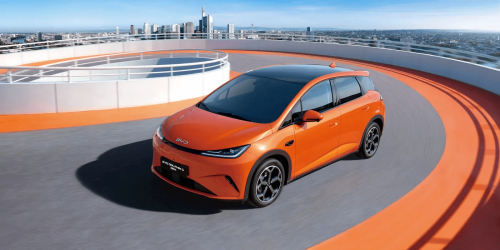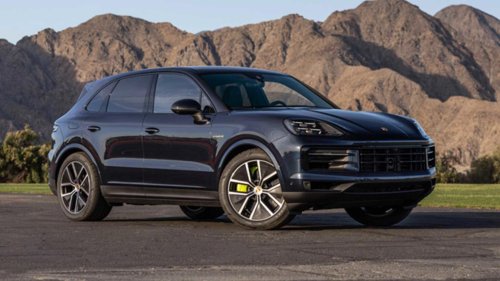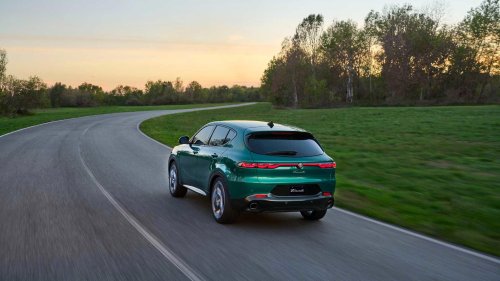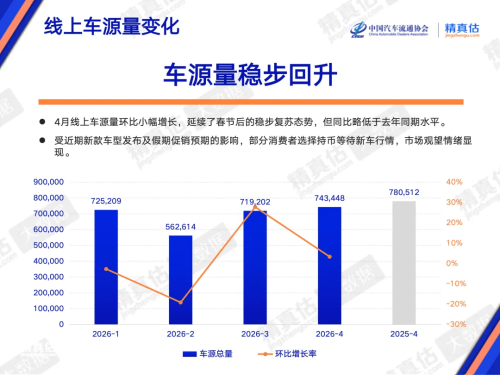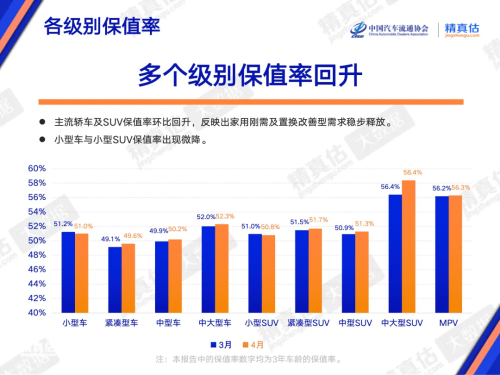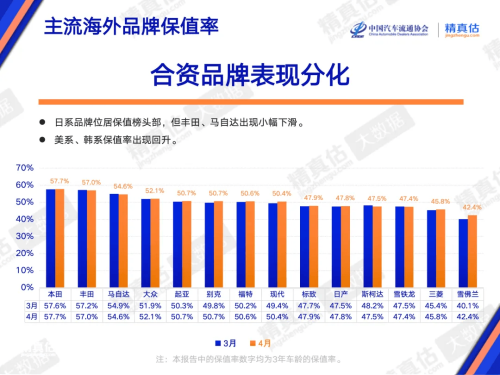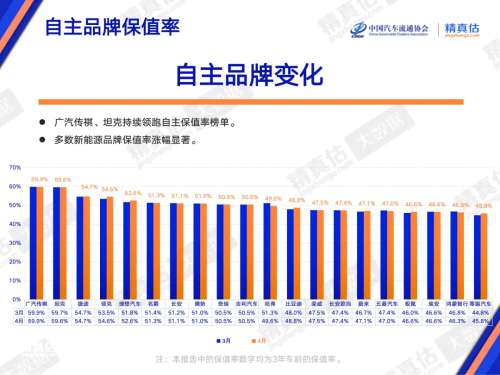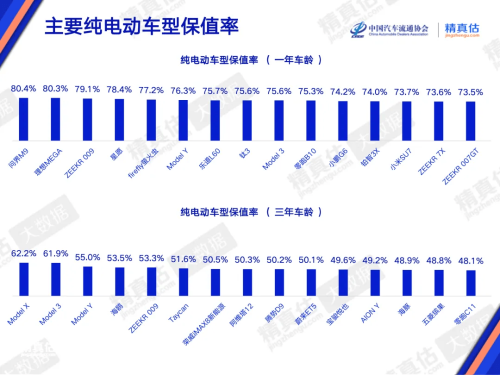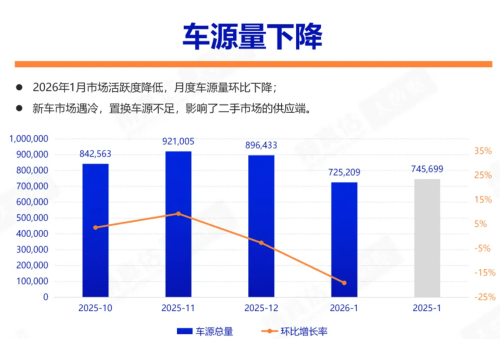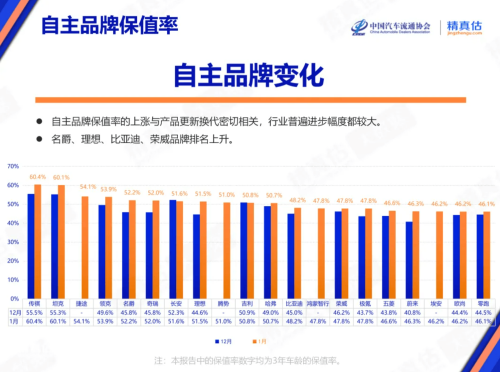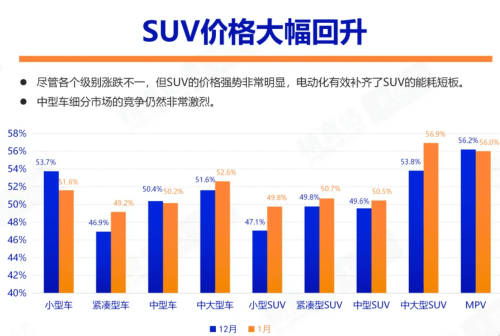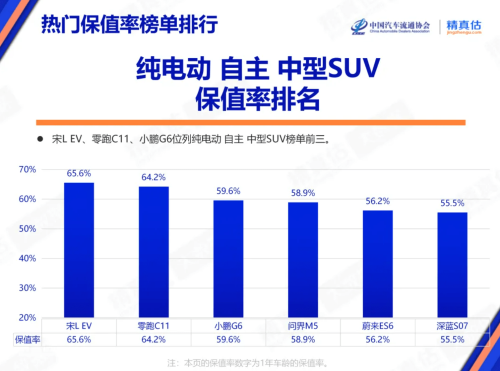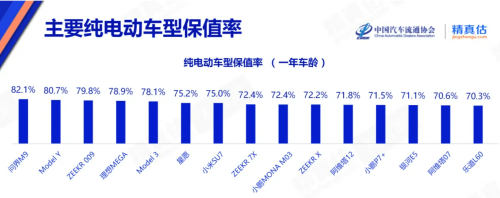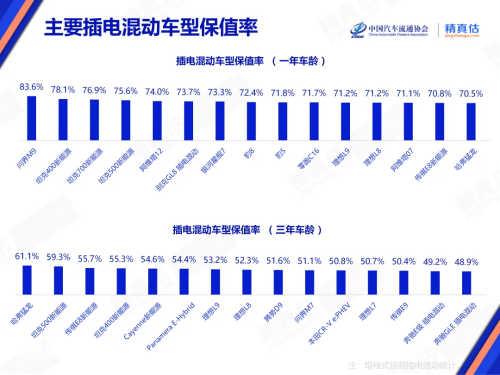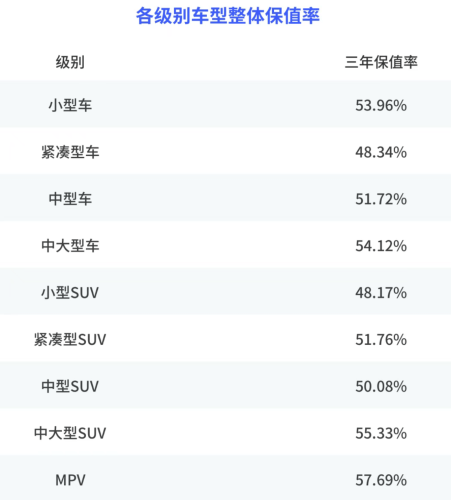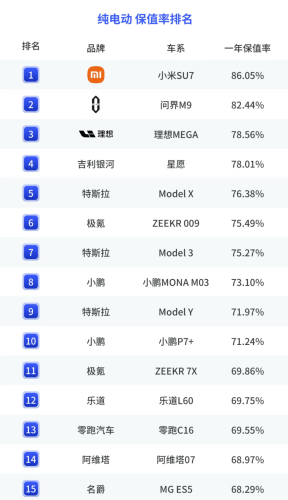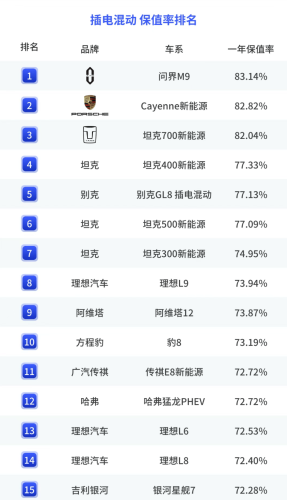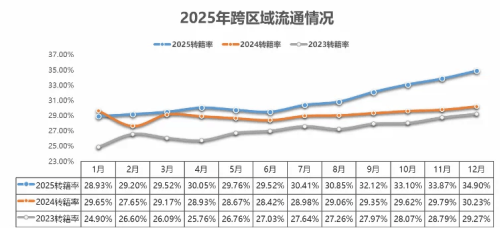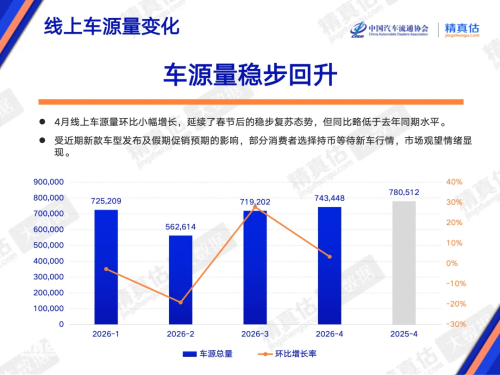



















Chinese NEV (BEV and PHEV) resale values are up 30%, with Chinese media noting specific rises for BYD, Nio and Denza brands. Sales volume is also up 29% as more EVs become available on the used market. Used car dealers report scrambling to buy NEVs to resell. Meanwhile used gasoline car prices have plummeted in China. Used car dealers are often selling for below what they paid. A car dealer noted a nearly 10% drop per month, losing 30,000 RMB ($4429 USD). Cars that recently sold for 300,000 RMB are now 200,000 RMB. Some are calling used ICE vehicles “unsellable.” As noted in a related article (Google translated): The advantages of new energy vehicles in terms of operating costs and intelligent experience are becoming increasingly prominent, and a large number of family users are accelerating their shift to the new energy vehicle market. Used NEV Values & Volumes Increase According to a release on June 5th from the China Association of Automobile Manufacturers (CAAM), from January to April 2026, the total number of used NEVs traded within China reached 547,900, up 29% compared to the same period last year. April alone was up 21.6% to 143,200. Meanwhile, the product mix has shifted away from minicars to subcompact and compact sedans, as well as SUVs. Part of this is due to the maturation and stabilization of pricing in the Chinese new car market. Some buyers were undoubtedly resistant to buy used while new EV prices continued to drop. However, there are other factors at play. According to Li Ming, a researcher Jingzhen Gu Data, a strategic partner of the China Automobile Dealers Association (Google translated): The increase in the residual value of pure electric vehicles is partly due to the fact that the prices of used pure electric vehicles had already fallen to relatively low levels, and there is currently limited room for further decline. On the other hand, used car consumers are paying more and more attention to the practicality and economy of vehicles, especially given the current high oil prices. Pure electric vehicles have very low operating costs, and the continuous improvement of the charging network provides a solid bottom support for the price of pure electric used cars. While EV penetration in the used market rose to 8.57%, this is a stark contrast to the 63% NEV market share recently seen in the new car market. For reference, Chinese NEV new car penetration was 5.5% in 2020 and 13.3% in 2021. There is a lot of room for used NEV volume to grow over the coming years. Broader Implications While this data may just be for the Chinese market, China produces and sells the majority of EVs globally. They lead large automobile markets in penetration and can provide a glimpse of the future for other markets that are in earlier stages of adoption. There are several notable implications to be made from the recent sales performance: More demand than supply for used NEVs: Consumer preferences are changing faster than the rise in new EV sales can trickle down to the used car market. Many used car buyers may also be motivated by economic factors. With the operating cost of EVs continuing to shrink versus the rising cost of petroleum, the economics will increasingly favor EVs. Outdated is not obsolete: The speed of technological progress is astounding in China. New cars are being updated at the speed of cell phones. Ranges are getting longer and charge times are getting faster. Amenities and features once only available on super-luxury cars are now mainstream. Performance and comfort seem almost unbelievable for someone who grew up with Malaise Era cars from Detroit. Intelligent driving capabilities are accelerating… And none of that makes used EVs any less capable than they were the day they were produced. With OTA updates, some are even better than they were originally. People may want the latest tech, but the used vehicle still works well for many buyers. Expanding infrastructure increases convenience: When many of the EVs being sold used now were originally introduced, China’s EV infrastructure was far less developed. Apartment dwellers experienced inconveniences. Rural areas were underserved. Now, there are far more EV chargers than gas stations. While older vehicles may not be able to charge as fast as the latest MW Flash Charging cars, the ability to charge quickly and conveniently is much better than when those used cars were sold new. EVs are durable: Recent batteries will outlast the vehicle chassis. There is little need for maintenance or mechanical repairs. The difference is particularly noticeable in markets like China that have strict emissions requirements for used cars. Many of us hypothesized this when the vehicles were initially hitting the market, but the data proves it to be the case. There may have been some exceptions, but recent EVs are proving to be more durable than ICE. New Chinese brands are proving themselves: The vast majority of NEVs sold in China are from Chinese brands. Beyond the unfamiliar powertrains, new brands added a layer of uncertainty. However, the cars have proven themselves, and companies are rapidly building brand reputations. Combined with typically superior technology, used car buyers are shifting their preference toward domestic brands. As other global markets mature, we could see similar patterns. Buyers could increasingly see the value and durability of used NEVs. New car owners could expect better resale value, further reducing total cost of ownership. Global customers could increasingly build acceptance and even preference for Chinese brands. Petroleum price instability amplifies this effect. However, much of the world relies heavily on used vehicles from China. As used NEV values rise in China, fewer vehicles are likely to be exported and used export prices could rise. Hopefully, that does not lead to an increase in exports of ICE vehicles that are “unsellable” within China. However, if trade policies stabilize and Chinese automakers add competitive pressure, new, affordable EV sales could rise to fill any gap left by reduced used EV exports. A shift in used exports could accelerate the overall vehicle fleet transition within China, even if the used ICE vehicles are going to other markets. Hopefully, policy adjustments (scrappage, etc.) will help prevent simply shifting petroleum consumption to other countries. Overall, the increase in both used NEV volume and values is a good thing. The increase in residual value could lead to lower lease prices, as well as lower ownership costs for new buyers. A smaller difference between used and new could stimulate sales of advanced new vehicles. Limited availability means more EVs are in use, rather than just sitting on dealer lots. Combined with existing supply constraints, EV sales and adoption could accelerate further once production ramps up to meet demand. That increased scale can further reduce costs/improve value. The largest car market in the world could shift away from fossil fuels even faster than expected, leading to an accelerating global transition.