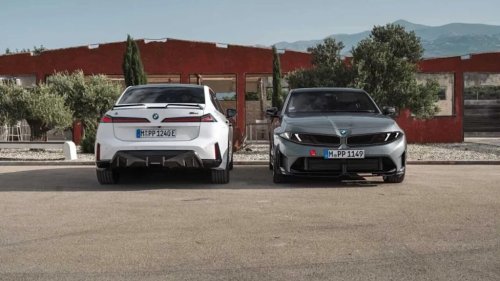
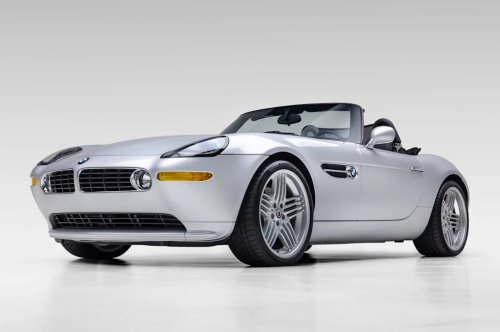
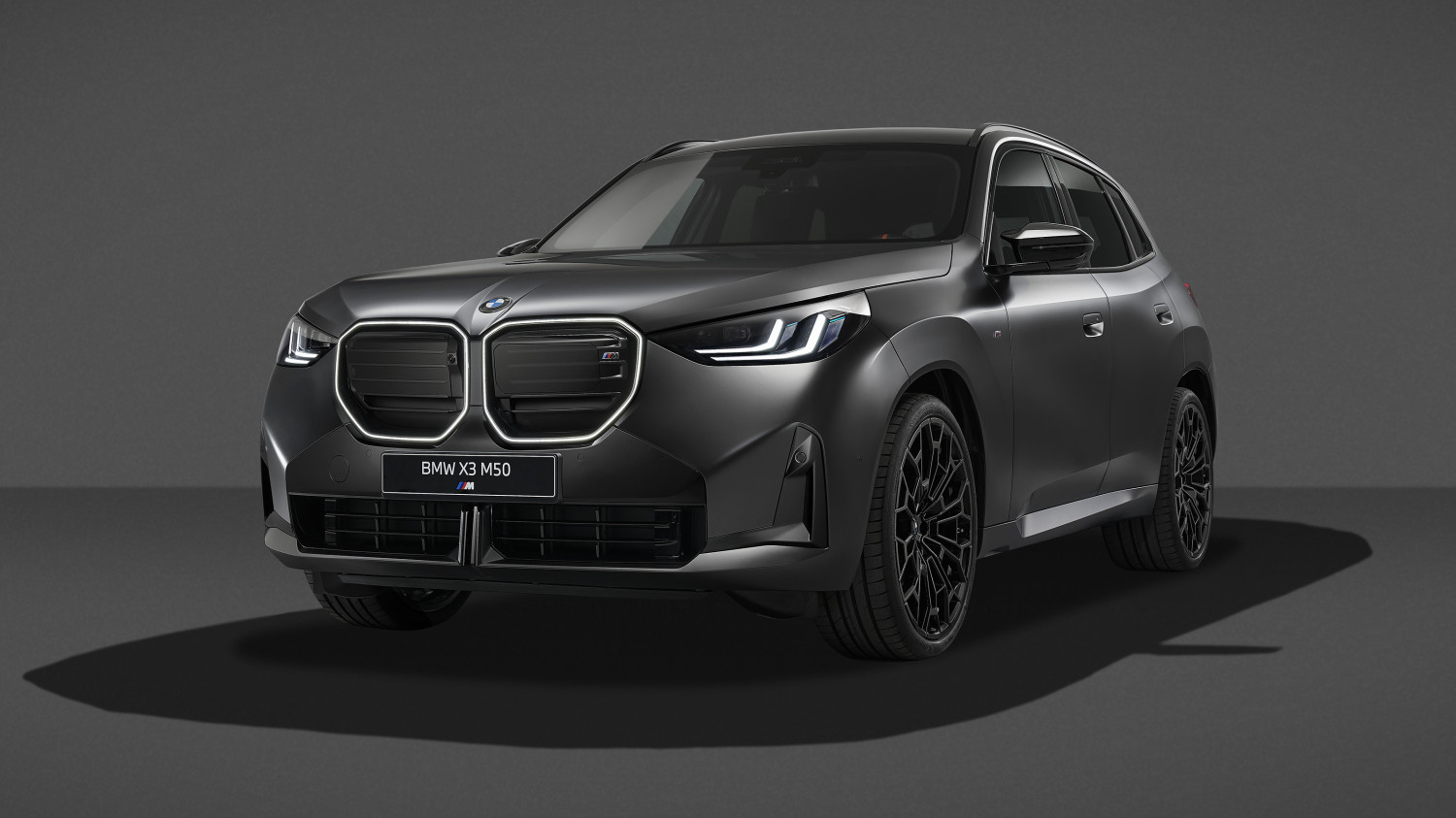
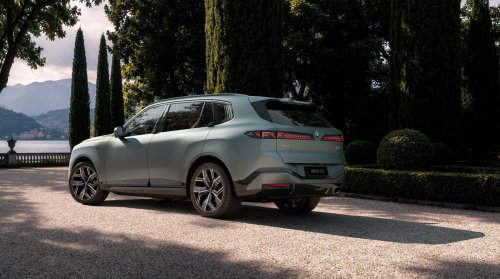
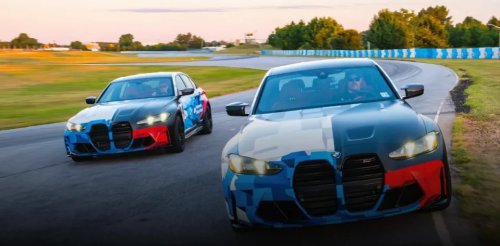
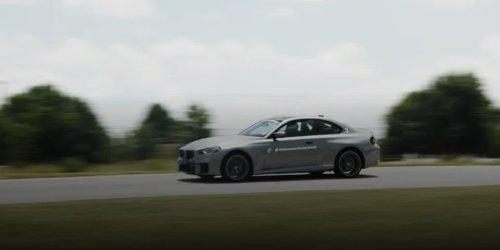
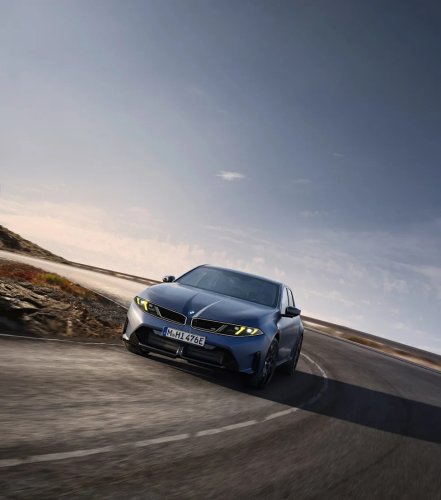
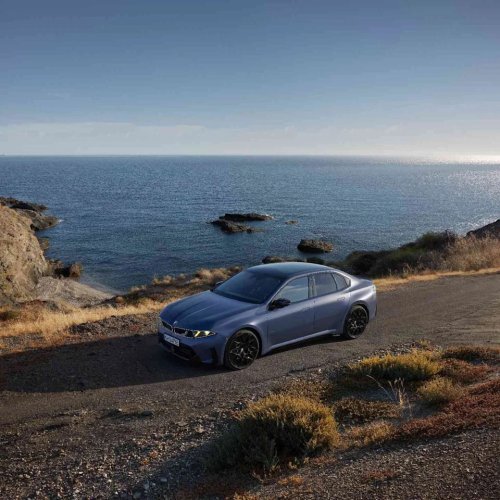
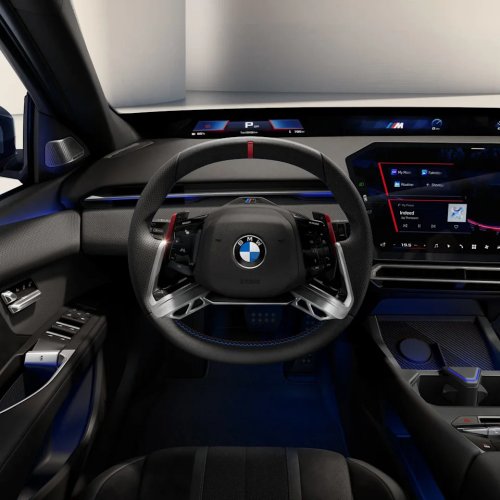
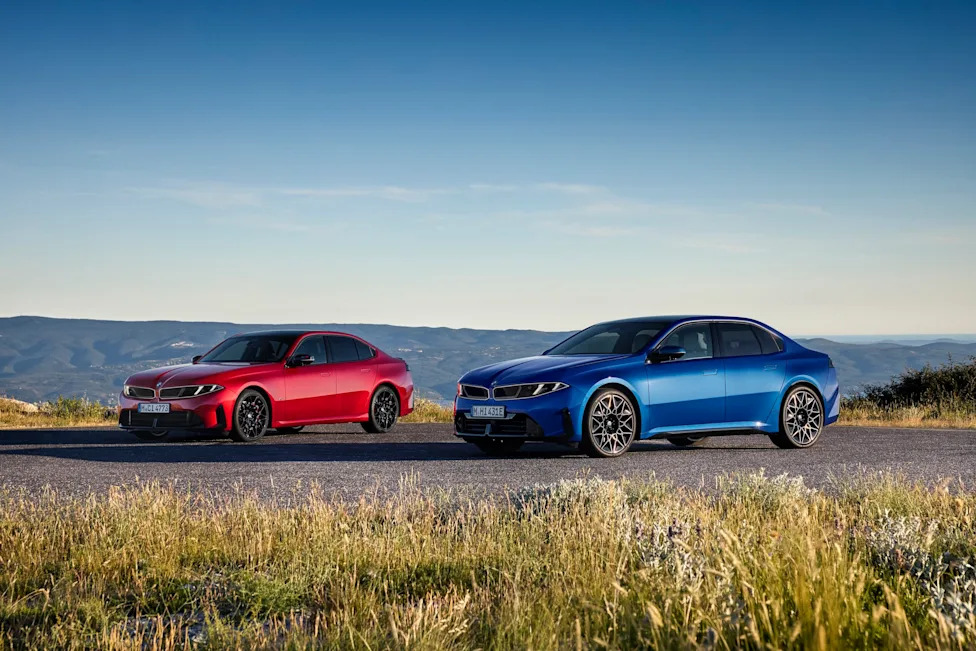
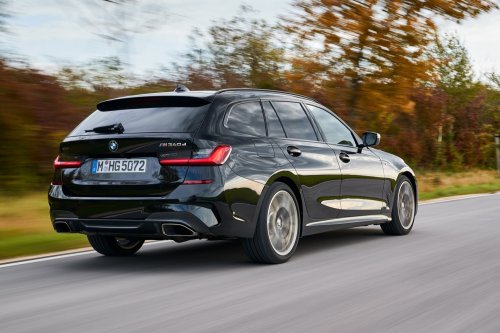
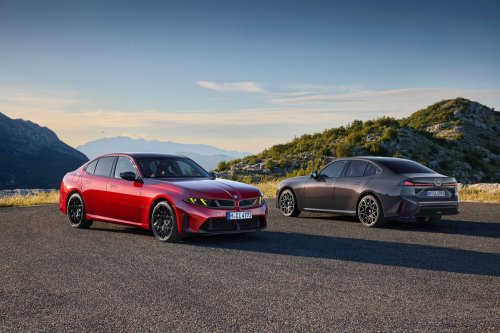
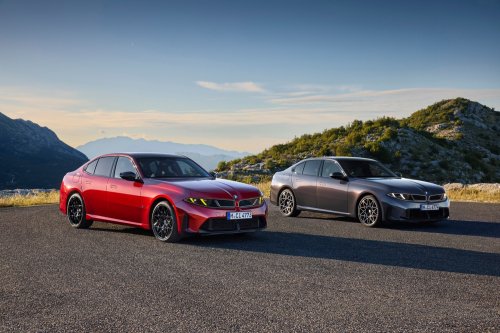
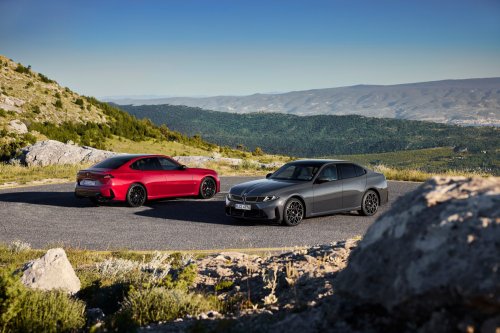
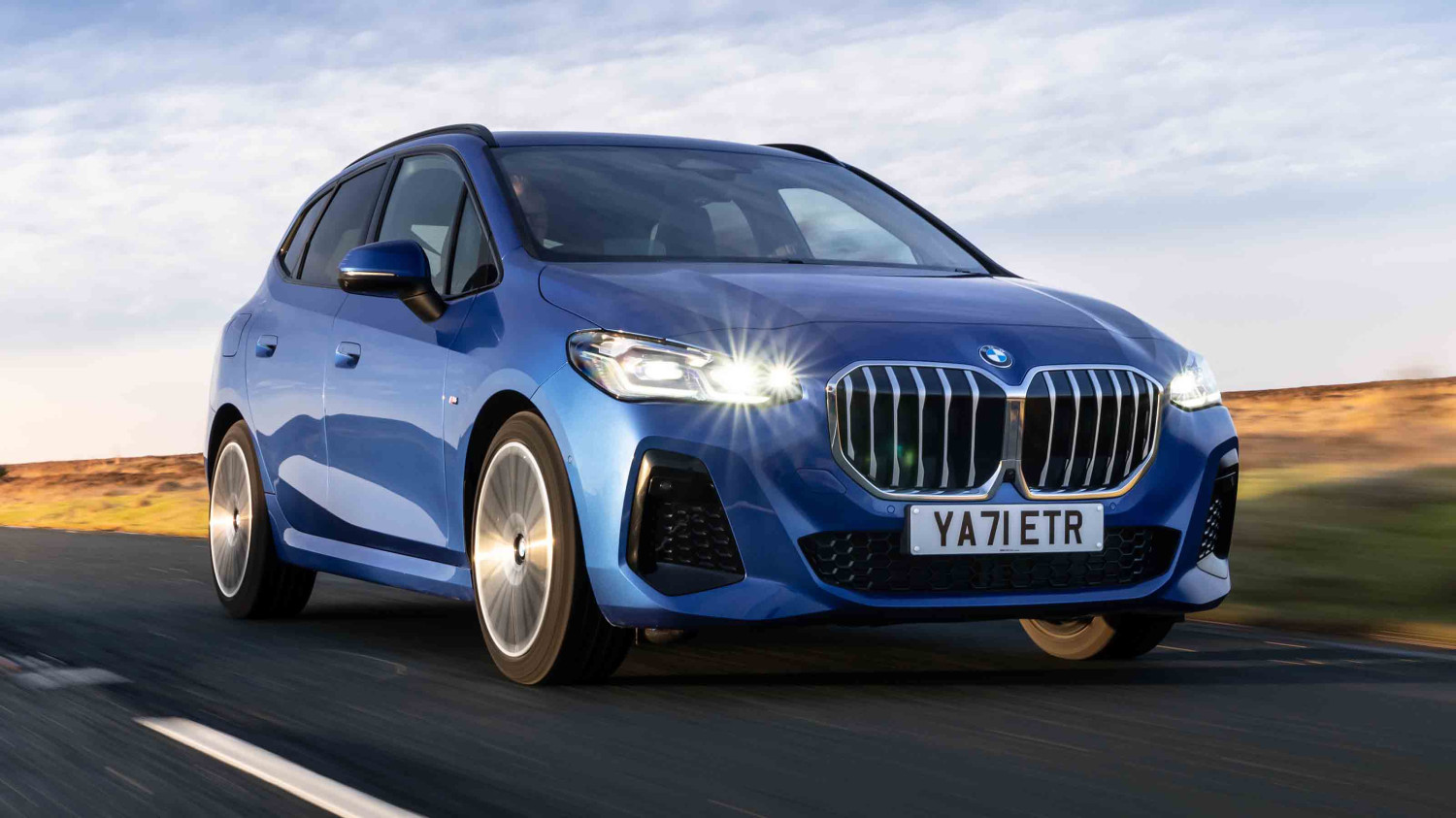
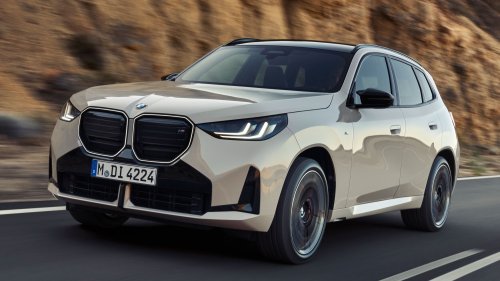
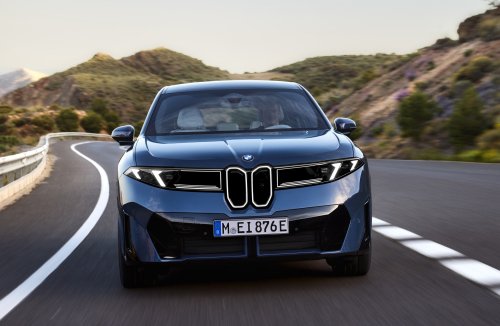
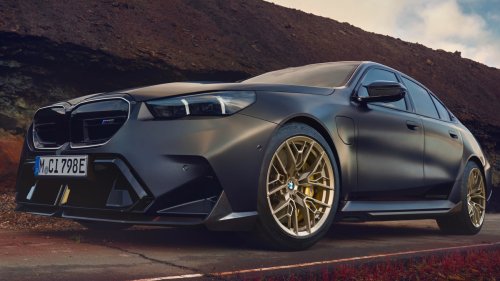
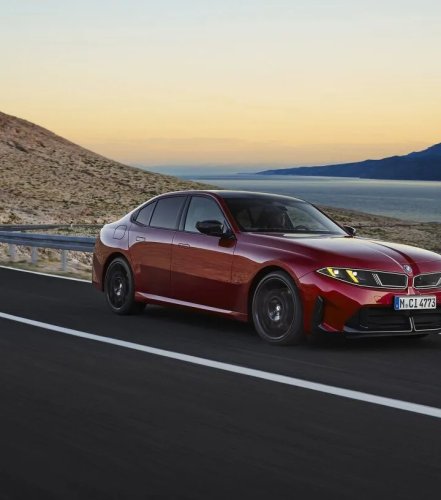
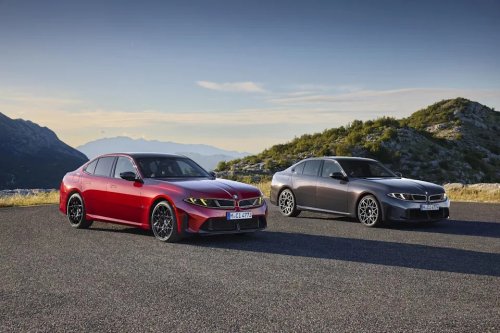
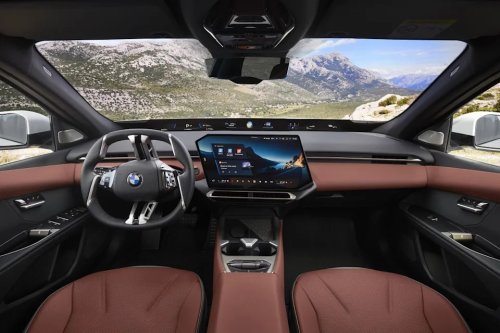
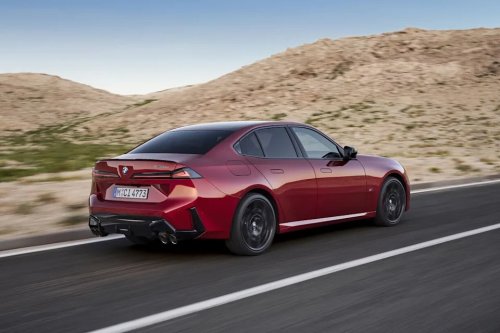
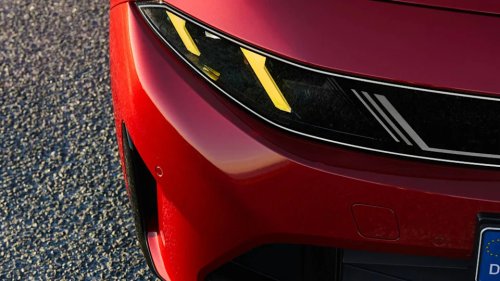
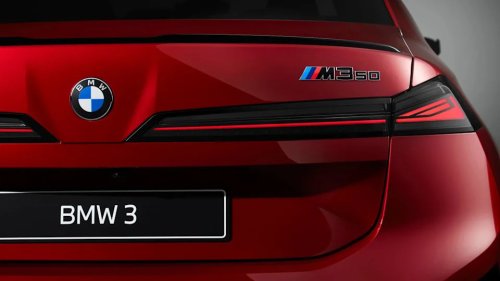
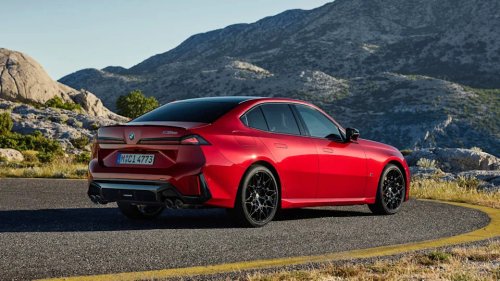
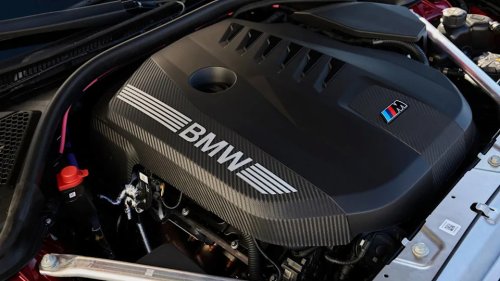
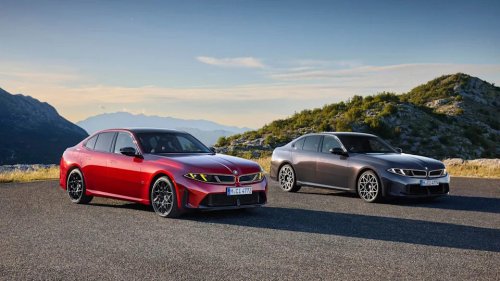
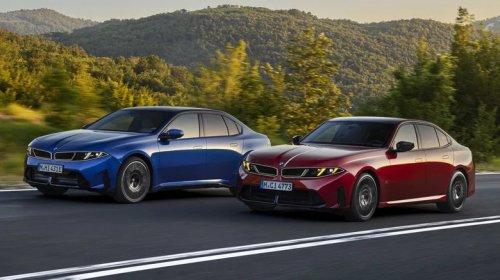
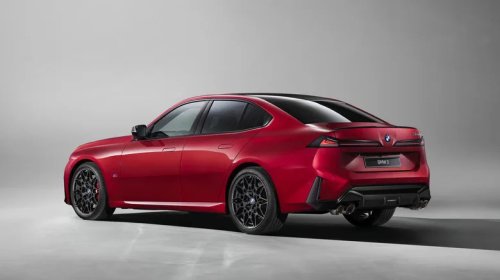
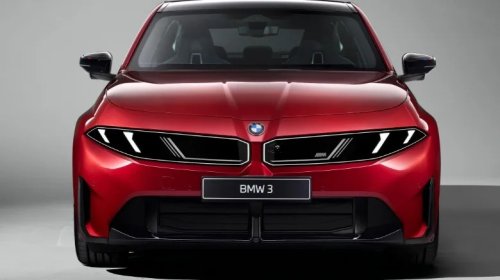
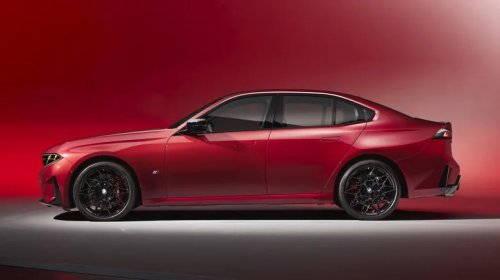
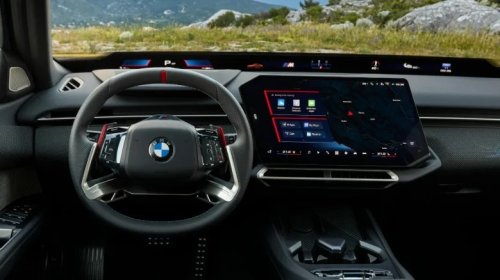
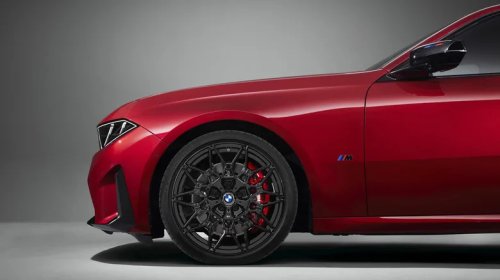
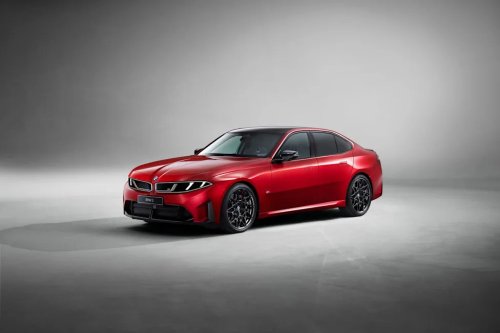
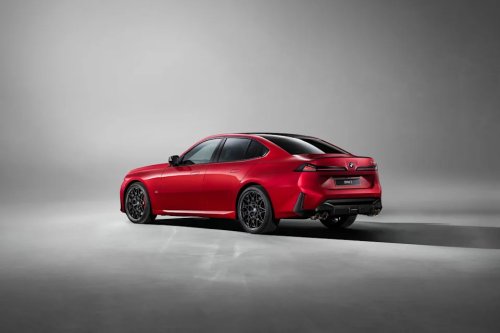
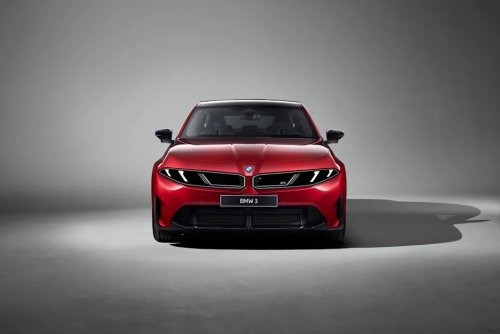
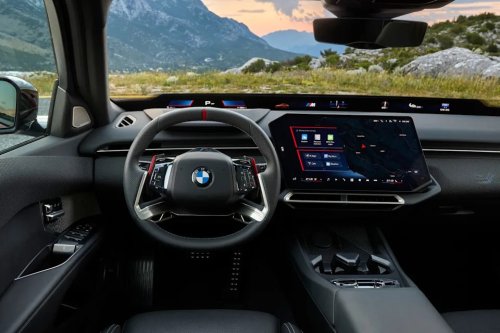
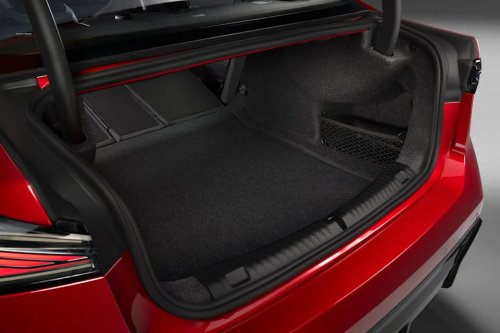
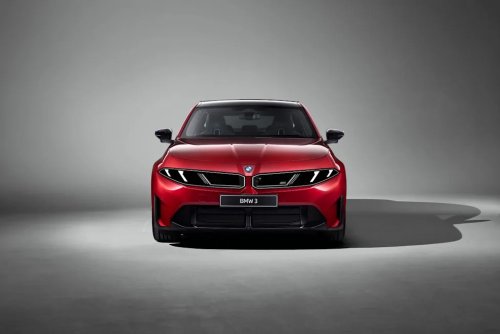
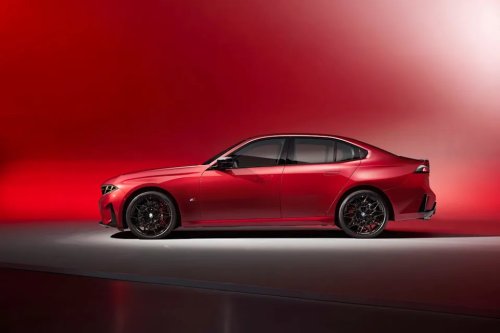
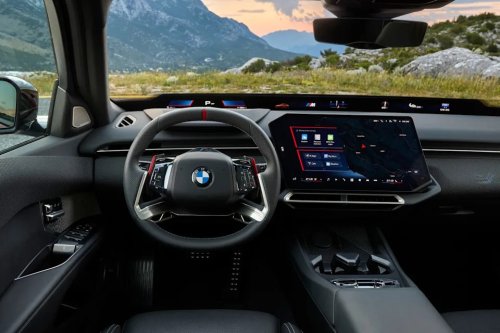
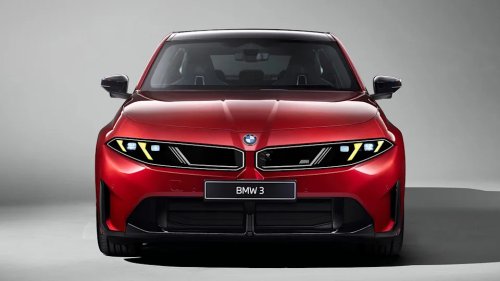
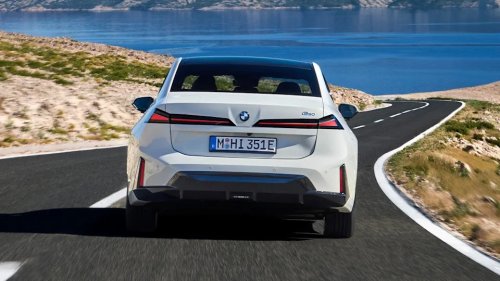
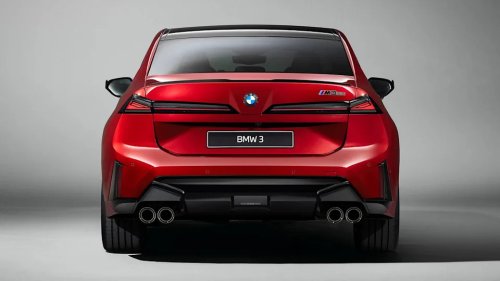
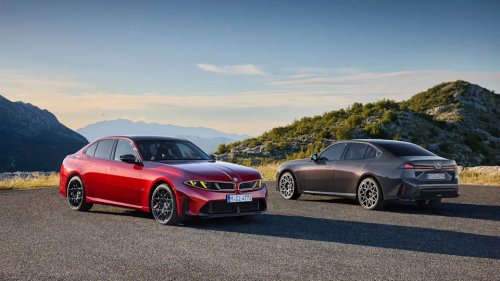
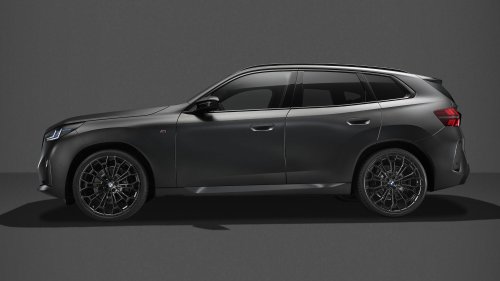
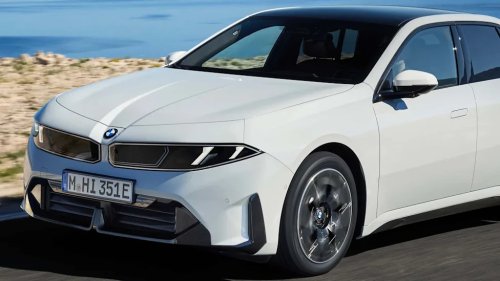
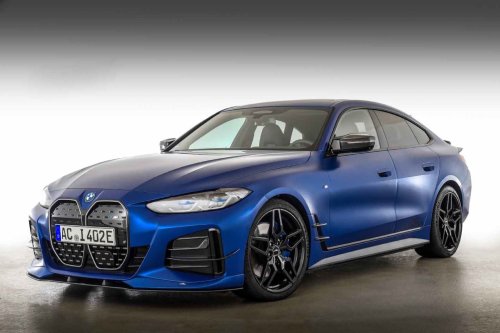
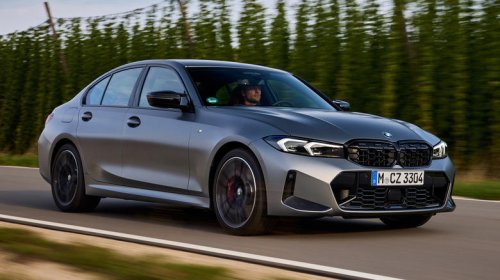
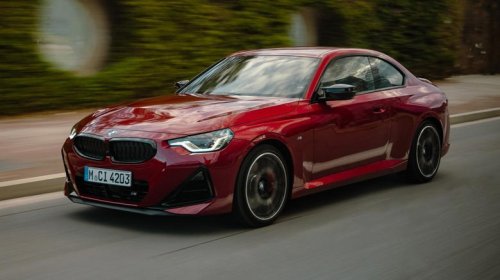
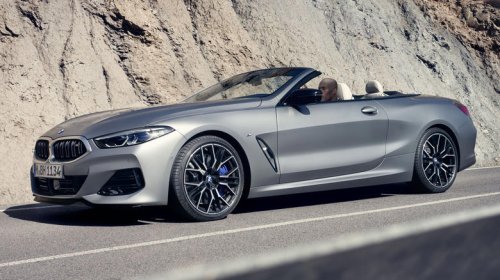
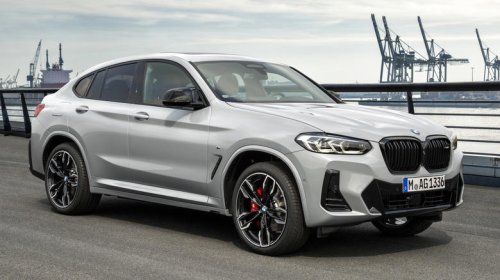
BMW 3-Series – 37.22%The 3-Series is one of BMW's best-known nameplates, leading the premium sedan segment for decades. The German automaker has introduced some tech and styling upgrades for the 2025 model year and axed the plug-in hybrid variant. Aside from that, the 3-series remains largely unchanged from previous years, with the 330i available as the base model and the M340i xDrive being the top of the mainline 3-Series range.Although the regular 3-Series is significantly cheaper to buy upfront, it is forecast to retain slightly less value over time than the M3. While the M3 retains only a fraction of a percentage point less than the market average, the 3-Series should keep 37.22% of its value over five years. It's still more than the Audi A4, which will retain an estimated 35.37% of its sticker price over the same period, but it's a little behind the Mercedes-Benz C-Class, which should keep 38.70%.BMW 2-Series – 36.96%The 2-Series is one of the more traditional offerings in BMW's current range, with no powertrain electrification and an old-school coupe design. It also sports smaller, less divisive kidney grilles, which will delight purists. However, there's no longer a manual transmission offered, with even the base-spec, rear-drive 230i equipped with an auto box. The 230i xDrive is available for buyers who prefer the added traction of all-wheel drive, with both variants sourcing their 255 horsepower from a 2.0L turbocharged four-cylinder engine.The M240i is also considered part of the main 2-Series range and provides a middle ground between the base variant and the top-tier M2, which is a separate model. Much like the 230i, the M240i is available in both rear-wheel drive and all-wheel drive guise. However, the more potent twin-turbocharged 3.0L inline-six engine adds significant poke, with 382 horsepower on tap. Despite its enthusiast-pleasing credentials, the 2-Series doesn't hold its value well, with only 36.96% retained over five years.BMW 8-Series – 34.17%High-end luxury cars almost always depreciate steeply during their first few years on the road, so it shouldn't be a surprise that the 8-Series will quickly shed value after it leaves the dealership. The 8-Series is available as a two-door coupe, a four-door "Gran Coupe," and a convertible, but they are grouped to estimate their used value. The new 8-Series is projected to retain just 34.17% of its sticker price after five years.All 8-Series variants can quickly reach six figures with options, but base-spec 840i Coupe and 840i Gran Coupe can be had for slightly less, at a starting price of $91,700 each, excluding fees. Adding all-wheel drive hikes the asking price by a further $3,000, with the M850i xDrive trims of both variants pushing the car past the $100,000 mark. The convertible is also available in 840i or 840i xDrive guise, with the former option being the cheaper, at $101,400. Moving up to the M850i xDrive brings the total to $117,000. That's a big investment, but it's still less than the M8, which is considered a separate model.BMW X4 – 32.78%The worst-performing BMW SUV for resale value isn't the most expensive or divisively styled model in the brand's lineup. Sure, the X4 is a coupe-style version of the X3, but coupe-SUV styling is hardly unusual today. It's certainly not as attention-grabbing as the larger X6 M or XM. However, it seems the focus on looks over practicality means that the X4 performs worse on the used market than its sibling, the X3 — which already scored poorly. The X4 should keep 32.78% of its value after five years. For the latest model year, the car starts from $55,300, with an X4 M40i variant also available for buyers looking for more power. It costs at least $66,700 and delivers 382 horsepower, while the base-spec X4 pushes out 248 horsepower. Like most BMW models, a chunky options list is available, and a fully loaded X4 M40i can exceed $75,000.



















 +13 others