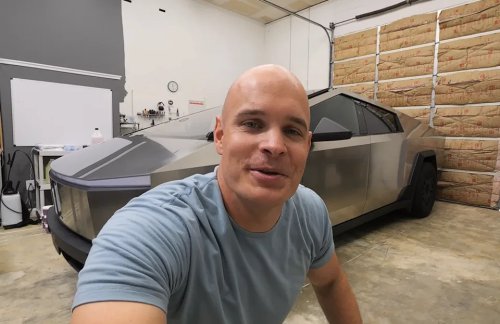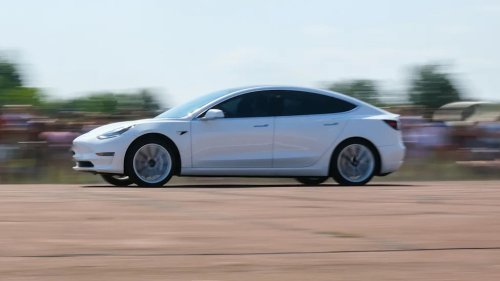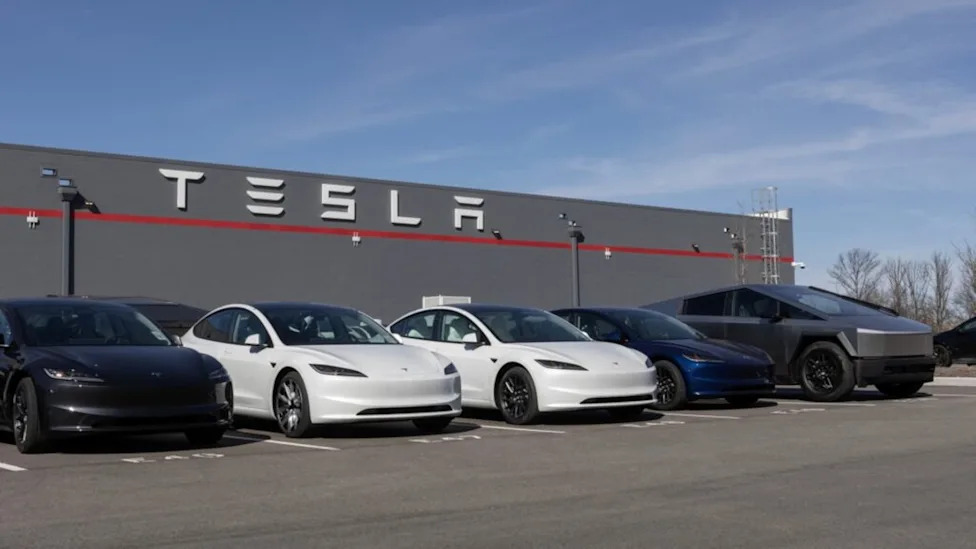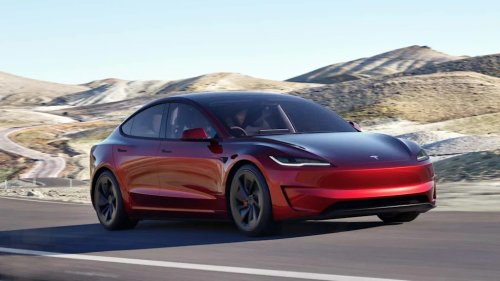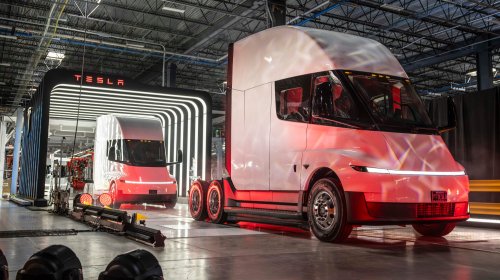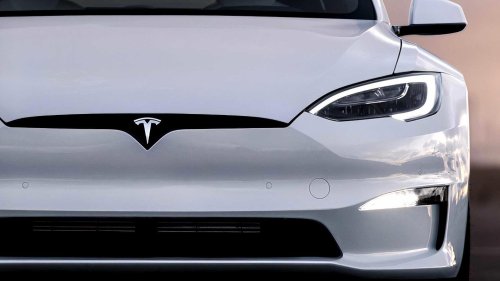
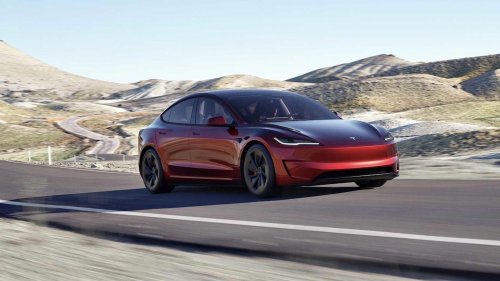
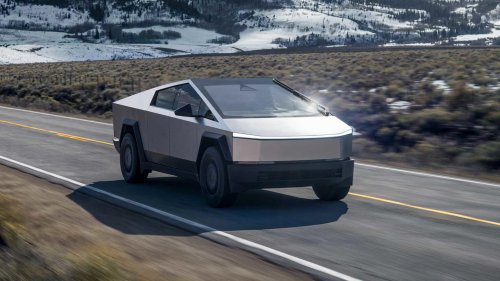
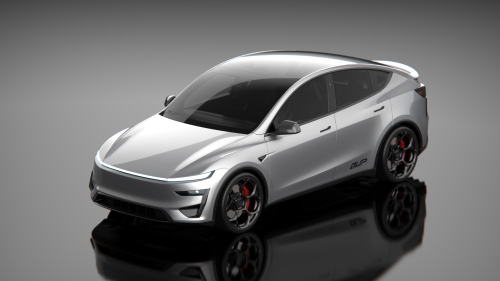
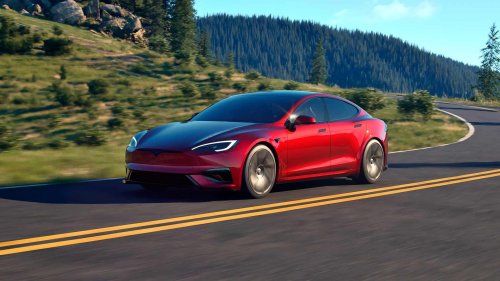
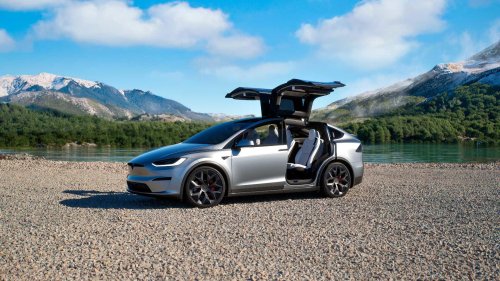
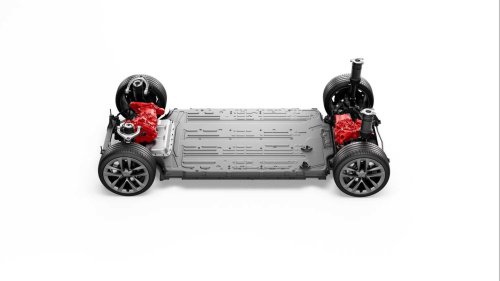

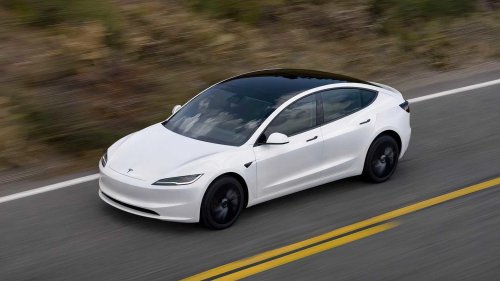



















Jump LinksA Stable Choice: Tesla Model 3Polarizing Heavyweight: Tesla CybertruckThe Global Best-Seller: Tesla Model YThe Stuff Of Dreams: Tesla Model SIntricate, But Experimental: Tesla Model XBattery & Overall Vehicle HealthIs It A High-Risk Move As The Car Nears Its Warranty Expiration?Do Teslas have a high resale value?Are Tesla resale values down?How much is a Tesla worth after 5 years?The era of the electric vehicle (EV) as an appreciating asset is dead. Rewind to 2022, and flipping a used EV for a profit felt like a solid side hustle. Fast-forward to 2026, and that illusion has completely shattered. These days, an EV is essentially a massive rolling tech appliance, meaning it ages like a smartphone, not a vintage sports car. What it means is that buyers must now confront the brutal reality of their vehicle's financial trajectory. If you are entering the secondary market, understanding true Tesla resale value is no longer optional—it is critical. And the main question isn't whether your vehicle will lose money, but how you can slow the bleeding down.We highlight the factors that influence Tesla vehicles' market value and what prospective buyers should know and look out for. This is not an outright buyer's guide, but a nudge in knowing what pitfalls to look out for. Tesla Resale Value: What Drives A Tesla’s Price Down? TeslaDepreciation in the EV sector is rarely driven by simple odometer readings or cosmetic wear-and-tear, because the catalysts are far more systemic. The most destructive force is the MSRP guillotine. When automakers aggressively slash the prices of brand-new vehicles to stimulate quarterly sales, the used market is instantly crushed. Additionally, the transition from constrained, waitlisted production to outright oversupply has fundamentally shifted pricing power from the seller to the buyer. Fleet-dumping by massive rental corporations has flooded the market with thousands of identical, high-mileage units, which depressed values across the board.Then there is the relentless upgrade treadmill. While traditional cars age gracefully (objectively speaking) over five-year cycles, EVs age brutally fast due to constant Over-The-Air (OTA) software updates and frequent hardware shifts. When a new processor allows the latest model to render infotainment screens twice as fast or process autonomous driving data more efficiently, the older model instantly feels obsolete. As with the latest smart devices, buyers simply refuse to pay a premium for yesterday's computing power, which drives prices further into the ground. 5-Year Depreciation: Tesla Resale Value In 2026 A Stable Choice: Tesla Model 3 Tesla As the definitive entry-level survivor, theModel 3boasts a 45.5% retained value over a 5-year span, according to iSeeCars. In the volatile world of EVs, that qualifies as industry-leading stability. This high retention is anchored by the vehicle's immense liquidity, because there is a constant, ravenous secondary market demand for affordable, functional EVs that don't look like compromised eco-boxes.While the Model 3 moves off used lots rapidly, it remains highly vulnerable to internal cannibalization. Every time Tesla introduces a refreshed design or pushes a major hardware update, older Model 3s instantly feel antiquated. Consequently, the 5-year Tesla depreciation hit of nearly 55% is heavily front-loaded in the first 36 months of ownership. If you buy a 3-year-old Model 3, you're stepping into the curve exactly when it starts to flatten, making it a sound purchase. Polarizing Heavyweight: Tesla Cybertruck Tesla The Cybertruck is the Tesla lineup's undisputed heavyweight, currently holding onto an estimated 43.2% of its value after five years. Unlike the rest of the range, the Cybertruck's depreciation curve is uniquely shaped by its polarizing, brutalist design and its initial hyper-scarcity. Early adopters paid massive premiums to secure the stainless-steel wedge, but as production scaled and the roads filled, the exclusivity premium evaporated. Now, the secondary market is assessing the truck as a utility vehicle and a status symbol.Sure, its robust structural integrity and 800-volt architecture help insulate its value, but the sheer size and niche appeal isolate it from the broader mainstream buyer pool. Though Cybertruck proves that a radical design can generate extreme initial hype, it cannot entirely defy the gravitational pull of aging battery technology and leveling market forces. The Global Best-Seller: Tesla Model Y Unplugged Performance The Model Y retains 41.9% of its original MSRP over five years. As the brand’s global best-seller, it is the benchmark for the modern EV family crossover. However, that is also its greatest financial liability on the secondary market, because the sheer volume of Model Ys produced means the used market is oversupplied. When supply vastly outstrips demand, prices compress. On the flip side, the Model Y has been the primary target of aggressive, repeated price slashing on new inventory. Because the Tesla depreciation rate on the secondary market is tethered to the brand's new-car pricing strategy, every MSRP reduction on a fresh Model Y instantly cuts thousands of dollars off the value of a used one. The Stuff Of Dreams: Tesla Model S 2025 Tesla Model S front 3/4 redThe Model S was the pioneer, the car that proved EVs could be objects of desire. Yet, after five years, it is a sinking ship, retaining 37.9% of its value. The luxury vehicle segment has historically suffered immense depreciation, and electrifying a luxury sedan only accelerates the timeline. Buyers in the premium bracket demand the bleeding edge of innovation, so when a flagship sedan's technology, interior screens, and processor speeds feel even half a generation old, the target demographic abandons it. Sadly for the Model S, it is punished by the market because it attempts to combine the inherent depreciation of a high-end luxury car with the rapid obsolescence of consumer electronics. Intricate, But Experimental: Tesla Model X Tesla Matching the bleak trajectory of its sedan sibling, the Model X manages to retain just 38.8% of its value over a 5-year period. The SUV is an amazing technological marvel burdened by extreme over-complexity. The very features that make the Model X iconic - specifically the intricate "Falcon Wing" rear doors, auto-presenting front doors, and panoramic windshield - are viewed as insane repair bills waiting to happen by the time the vehicle hits the secondary market. The resale market heavily discounts the Model X to offset the perceived risk of out-of-warranty mechanical failure. In a change of event and a sign of the times, Tesla will end production of the Model X and Model S in 2026. Owning A Tesla After 5 Years Battery & Overall Vehicle Health Tesla When evaluating a 5-year-old EV, traditional metrics like brake pad wear or oil change history are largely irrelevant, because the reality is that battery health is the ultimate arbiter of value. The high-voltage pack represents a massive percentage of the car’s total financial worth. And if it fails, the vehicle is often financially totaled. Savvy buyers no longer rely on the dashboard's estimated range. Instead, they demand comprehensive OBDII diagnostic reports to verify exact battery degradation. A battery showing sub-90% health under the 50,000-mile mark is a massive financial red flag. A 5-year-old vehicle is a mature asset, and its health is heavily dependent on how frequently the previous owner utilized Superchargers—which degrades the battery faster than Level 2 home charging.Beyond the battery, overall vehicle health is scrutinized by fine-combing through the hardware and asking certain questions: Has the suspension been updated? Are the control arms prone to squeaking in early models? Has the infotainment computer been retrofitted to support the latest software? Is It A High-Risk Move As The Car Nears Its Warranty Expiration? Tesla Purchasing an EV as it nears its warranty expiration dates is arguably the highest-risk maneuver a secondary buyer can make. The standard bumper-to-bumper warranty expires at 4 years or 50,000 miles. At this exact juncture, the financial burden of replacing faulty infotainment screens, failing heat pumps, or malfunctioning power seat motors transfers entirely to the new owner. These are not cheap, standardized parts you can buy at a local auto parts store. They are expensive OEM-original parts and require specialized labor.The true threat, however, lies in the 8-year/100,000 to 150,000-mile battery and drive unit warranty. At the 5-year mark, the car is squarely in the second half of its guaranteed life. If you buy a 5-year-old vehicle and plan to keep it for four years, you will inevitably cross the warranty threshold. Holding an EV outside of its high-voltage battery warranty carries a massive risk premium. However, the secondary market heavily discounts vehicles approaching these milestones. The "warranty premium" dictates that a car with 18 months of battery warranty left is worth exponentially more than one with three months left. But if you ask, do Teslas hold their value as they age past the 8-year mark, the answer is no. Which Tesla Is The Best Investment In 2026? TeslaIt’s hard to talk about investments when the topic is depreciating assets, so we must redefine "investment" in the context of our discussion. The best financial move isn't selecting the flashiest, most expensive model, but choosing the vehicle that minimizes your absolute dollar loss over your specific ownership period. By our estimation, the safest option in 2026 is a 2- to 3-year-old Model 3 or Model Y. At this age, the original owner has already absorbed the steepest part of the depreciation curve, and you are purchasing the vehicle as its value trajectory begins to flatten. If you hold a 3-year-old Model 3 for an additional three years and sell it just before the 8-year battery warranty expires, you maximize your usage while limiting the financial impact. FAQs Do Teslas have a high resale value? Teslas used to have high resale value, but its value retention spiraled in the last few years. Compared to standard luxury vehicles, their retention is average, but within the EV sector, they remain competitive. Are Tesla resale values down? Yes, Tesla resale values have plummeted significantly from their 2022 peaks. A combination of massive oversupply and the brand’s aggressive new-car price cuts has severely compressed the secondary market. How much is a Tesla worth after 5 years? On average, a 5-year-old model retains between 37% and 45% of its original MSRP. The Model 3 holds the most equity at roughly 45.5%.