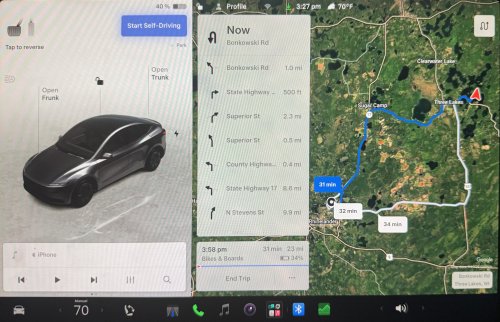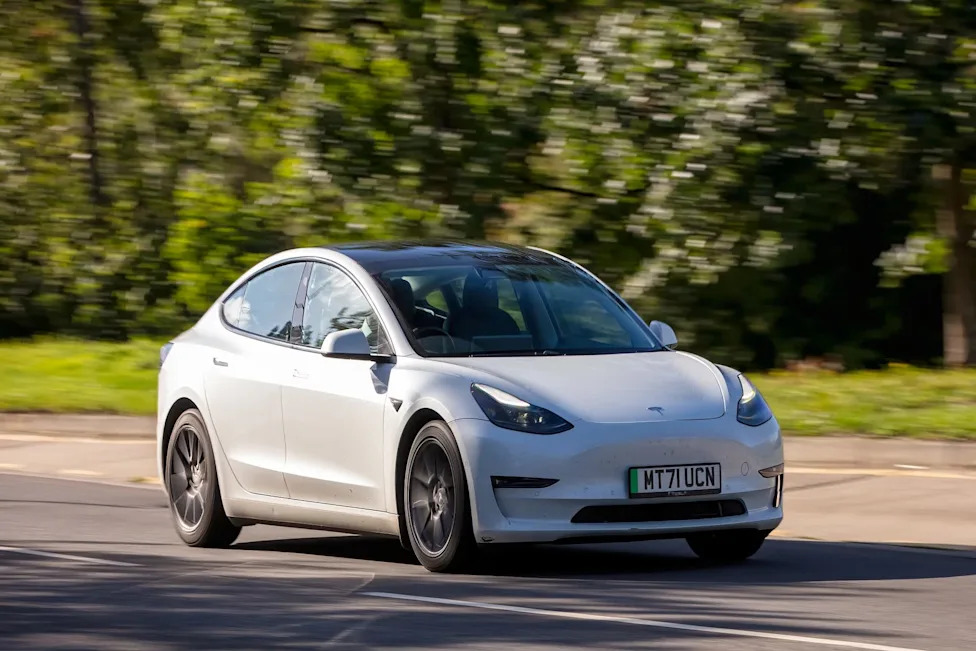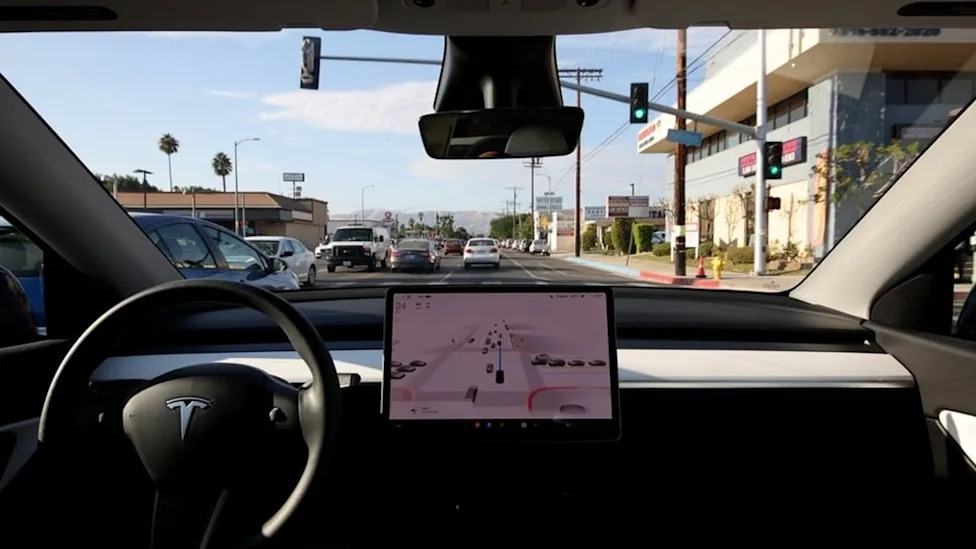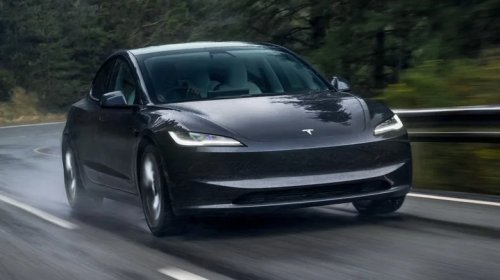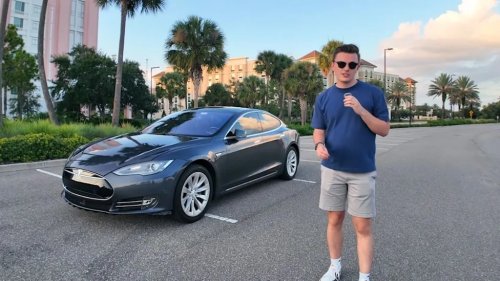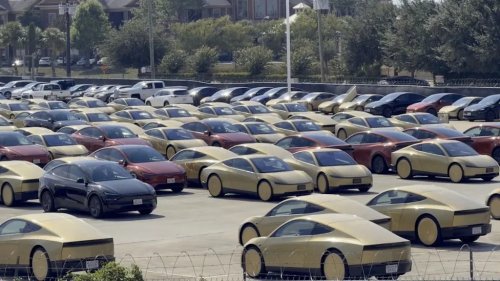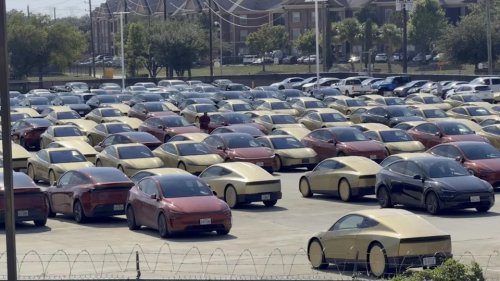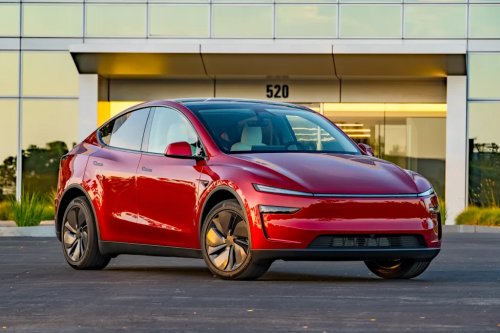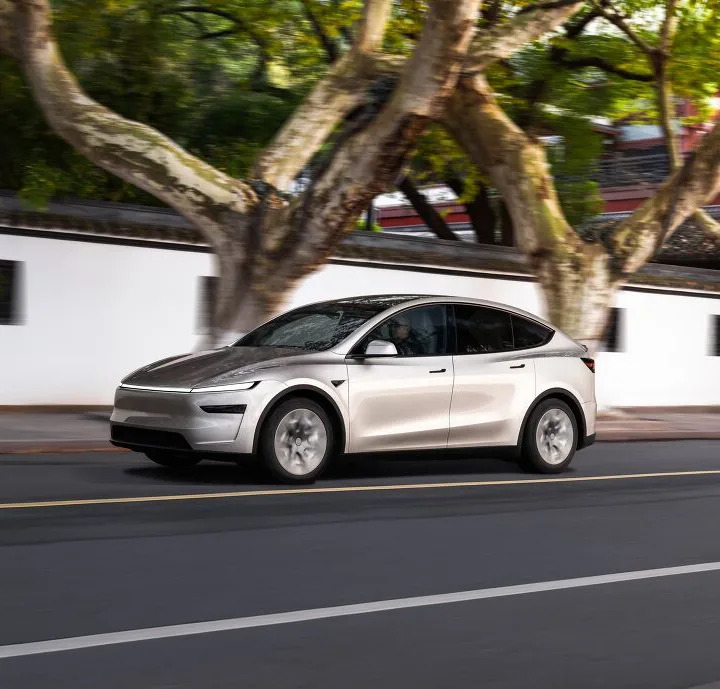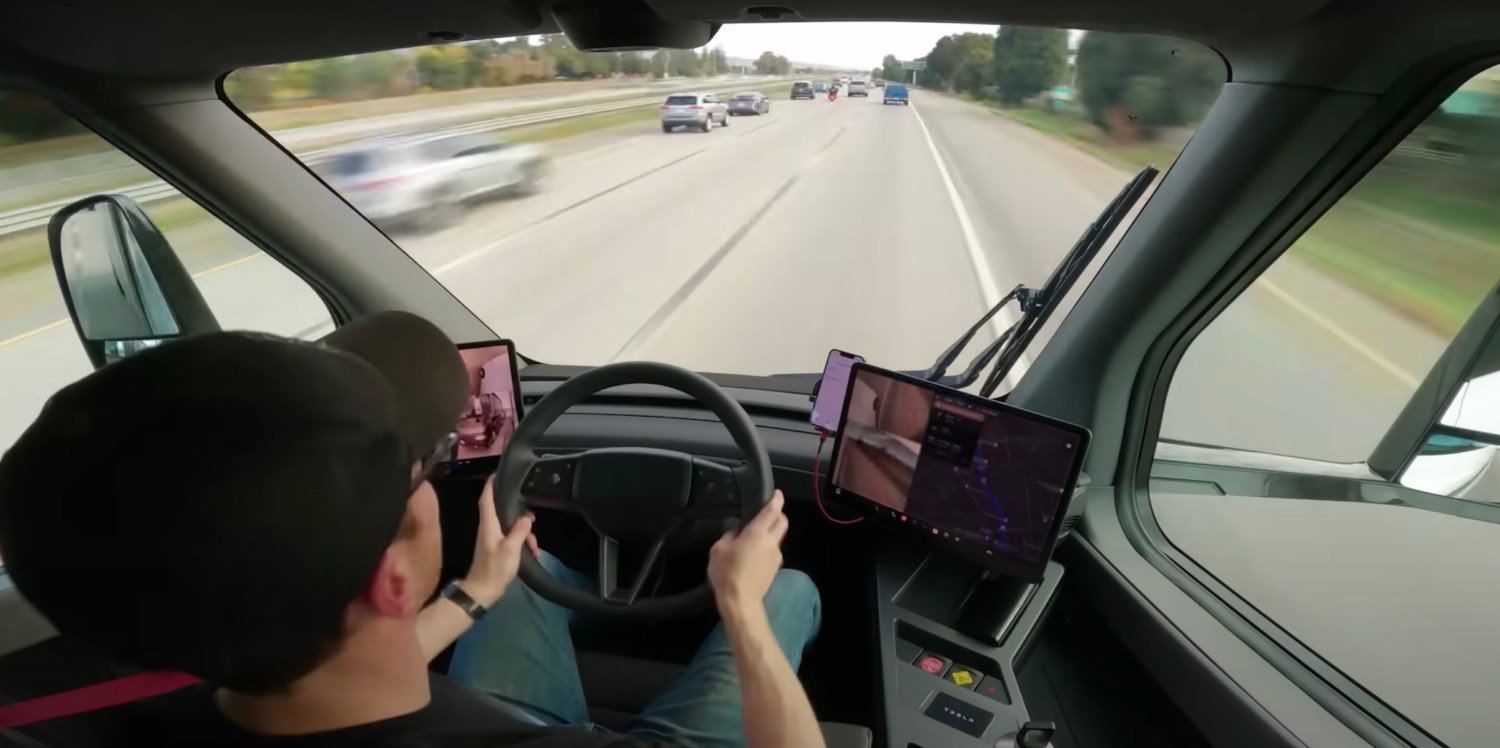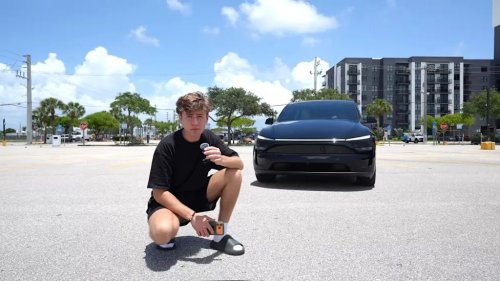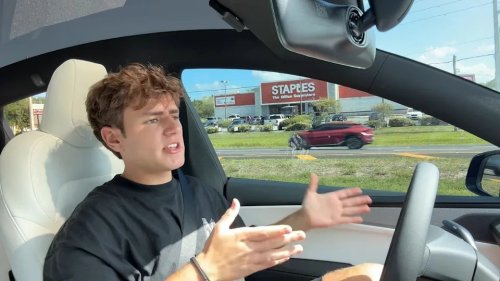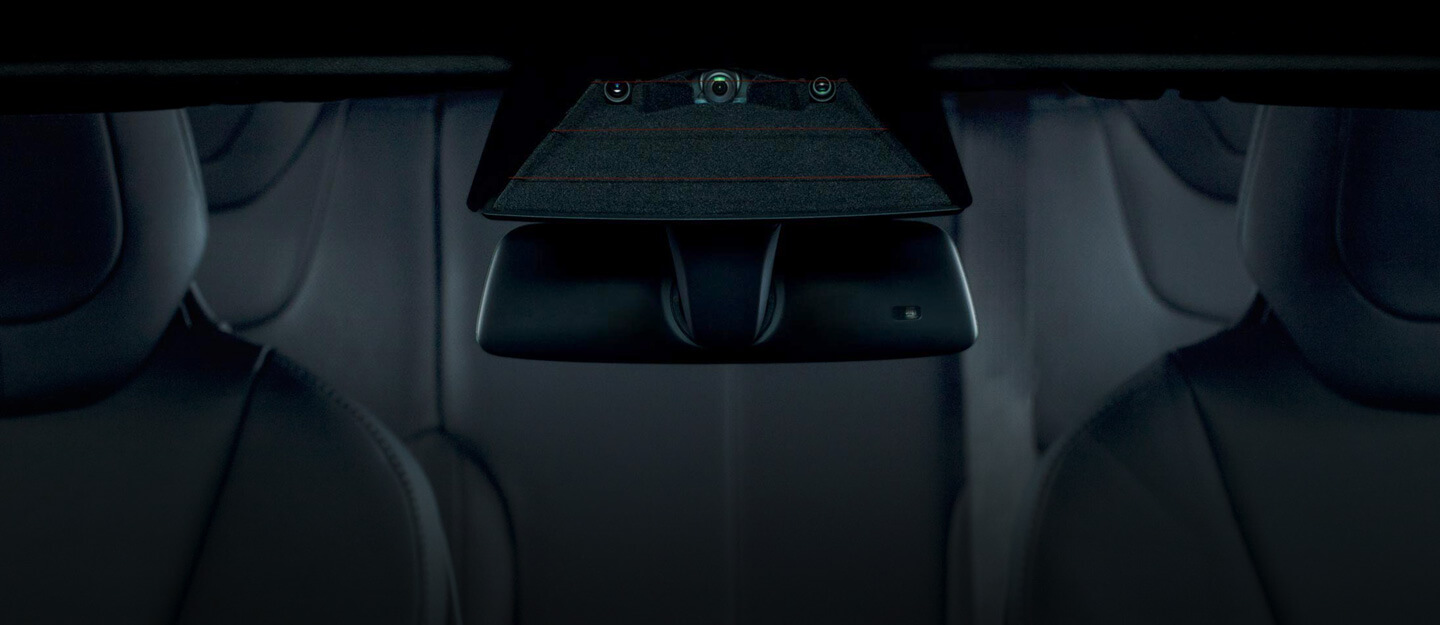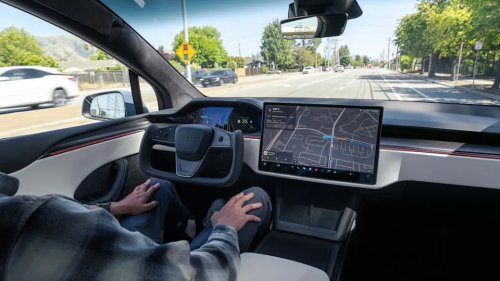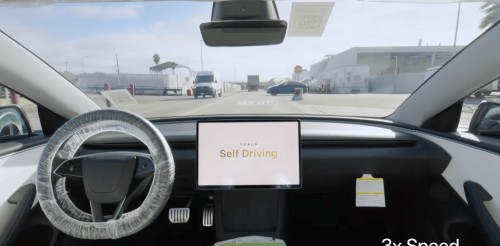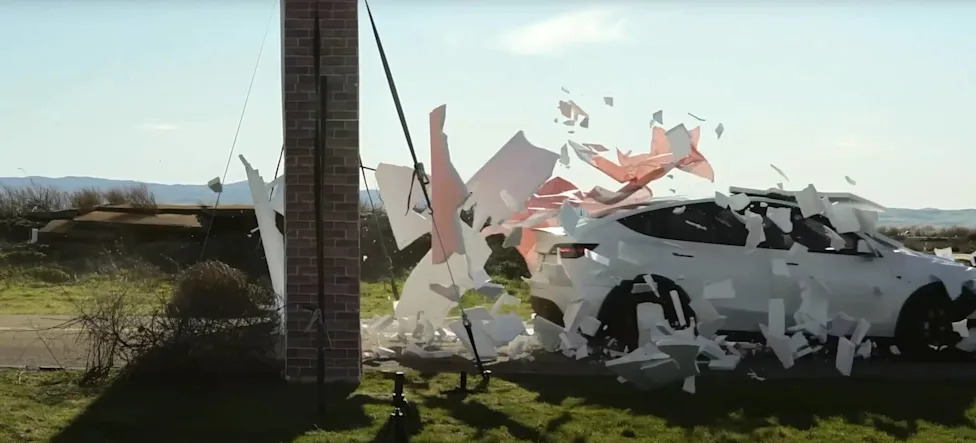





Famously, Tesla's Autopilot system tries to do more with less. Rather than using expensive LiDAR sensors combined with cameras to see the road ahead, as so many others do, Tesla ditches the sensors. Instead, its cars, like the Model Y, solely rely on cameras.Mark Rober tried to fool his Tesla, Wile E. Coyote style. To put his Model Y to the test, he built an elaborately constructed fake wall. Just like the cartoon coyote's traps, the goal is to fool the opponent; his Tesla in this case.This is probably a poor test of Autopilot's object-detection skills (when was the last time you drove into a fake wall?), but it sure is a fun one. The car plowed right through the fake wall, which at a glance even looks good enough to fool a person (or a roadrunner).Rober did do some more objective testing, like placing a kid-sized dummy in front of a LiDAR-equipped Lexus and his Tesla. The Lexus systems shut down the car before it hit, but the Tesla didn't, while Autopilot was off.AdvertisementAdvertisementWith it on, the Tesla also screeched to a halt. Rober points out that the problem there is that the system must be on, and more than that, it also results in a lot of false positives. In one clip, the car slows from 75 mph to 42 mph on a totally empty stretch of highway.Mark RoberTests and attempts to fool Tesla's systems ramped up from there, with the Lexus used as a competitor for a little contrast. Other tests included moving dummies, like the oft-used "kid chasing the ball" test. Both passed there, but further tests introduced environmental hazards intended to fool the Tesla's cameras. In the end, the Lexus' LiDAR-based systems proved to be more reliable across a wider range of scenarios.This story was originally published by Men's Journal on Jul 23, 2026, where it first appeared in the News section. Add Men's Journal as a Preferred Source by clicking here.