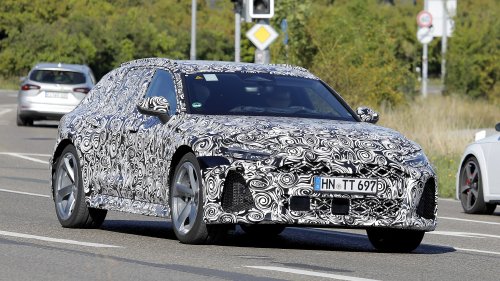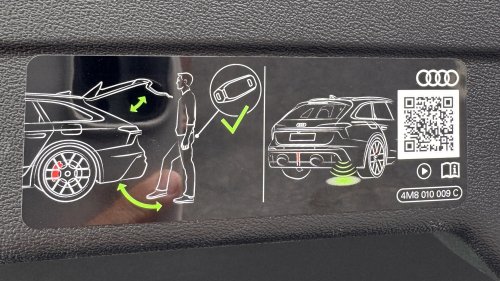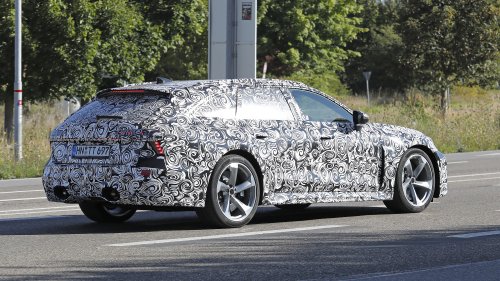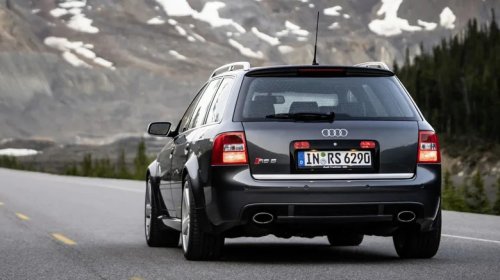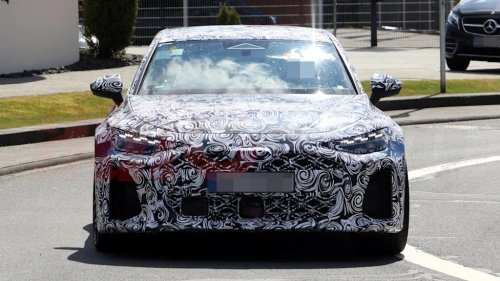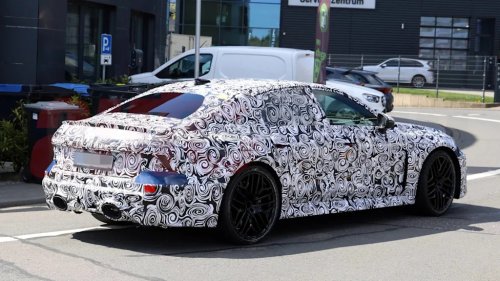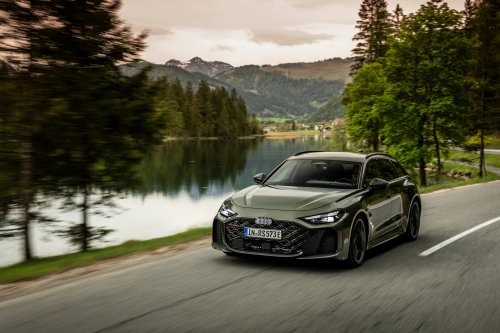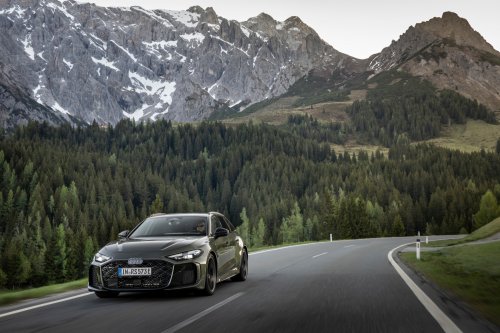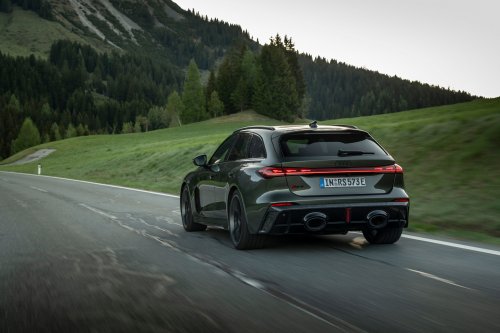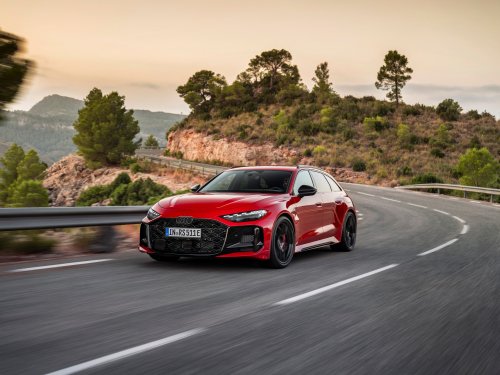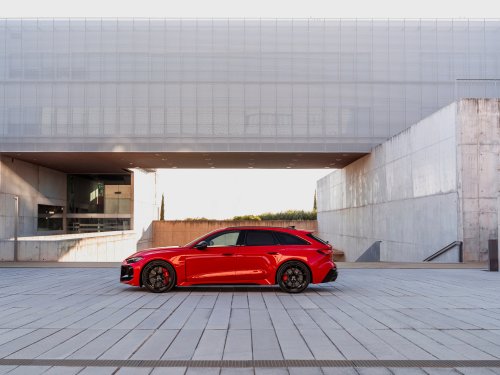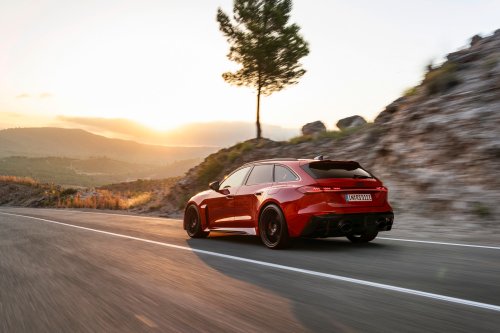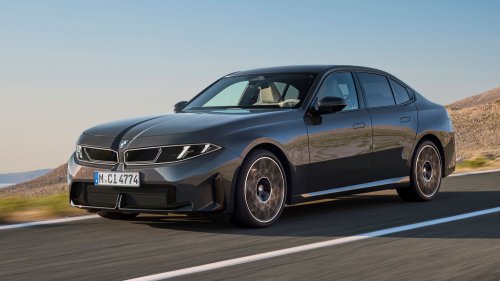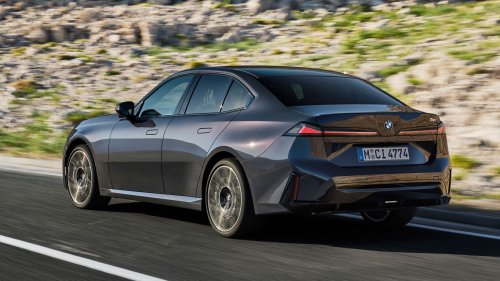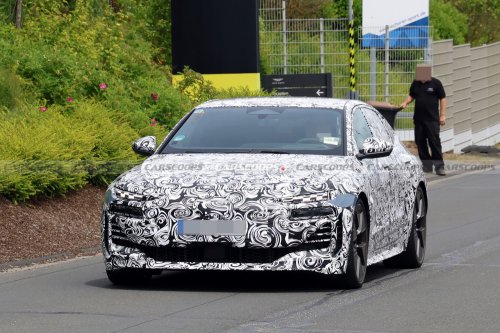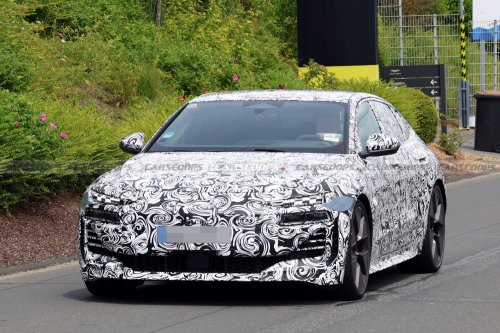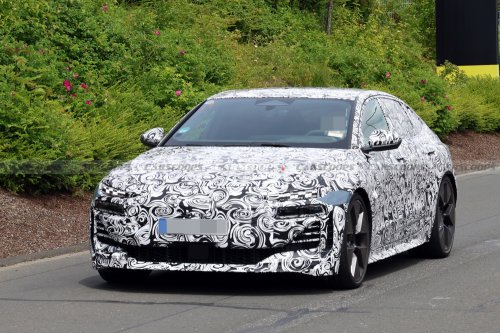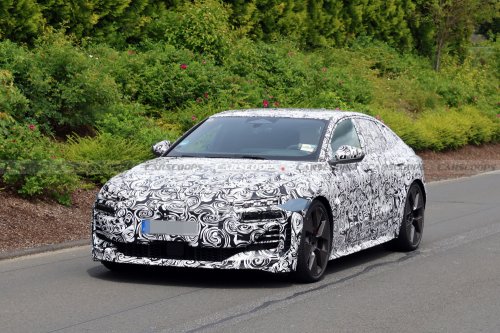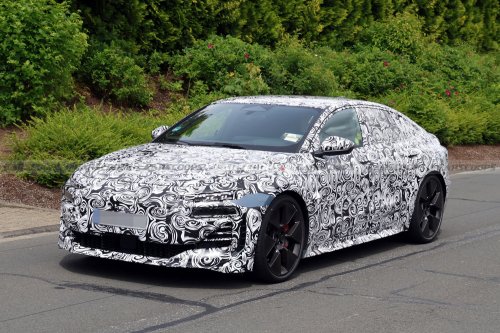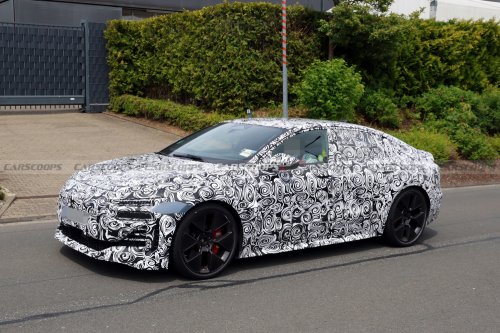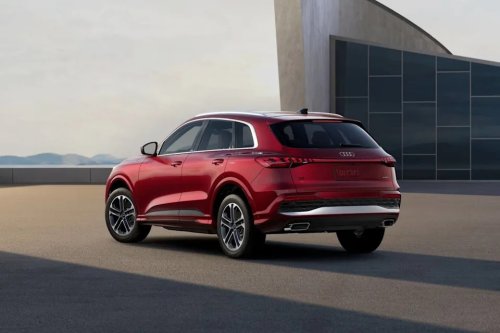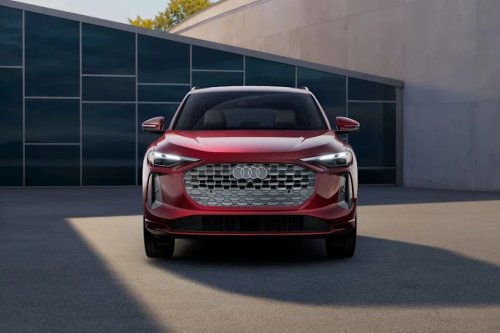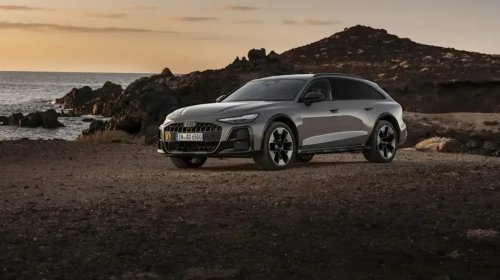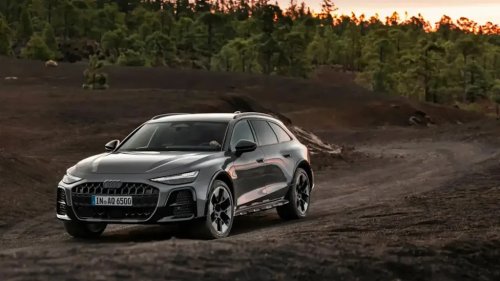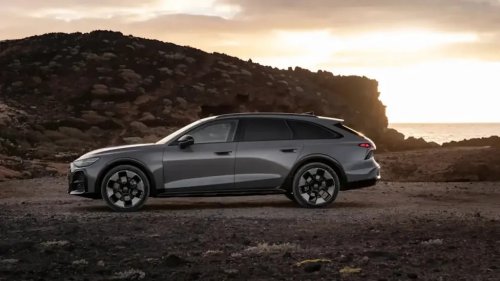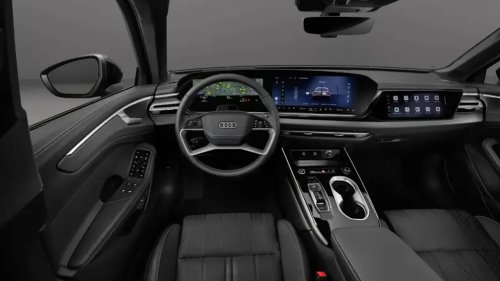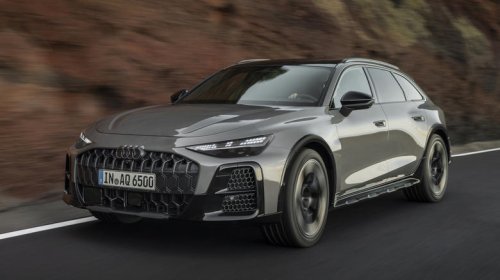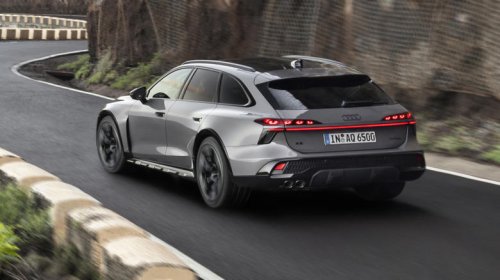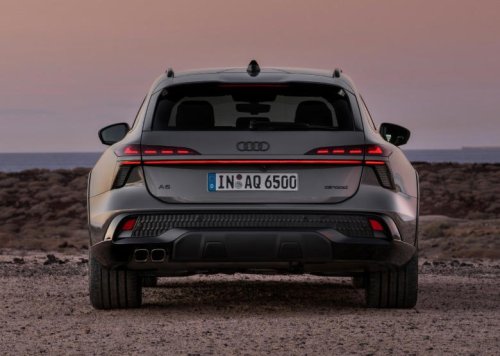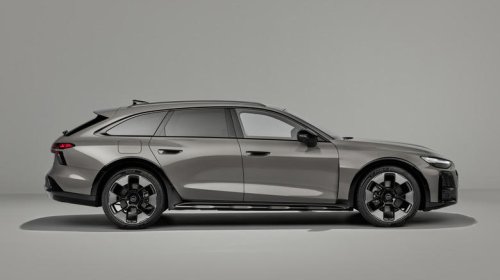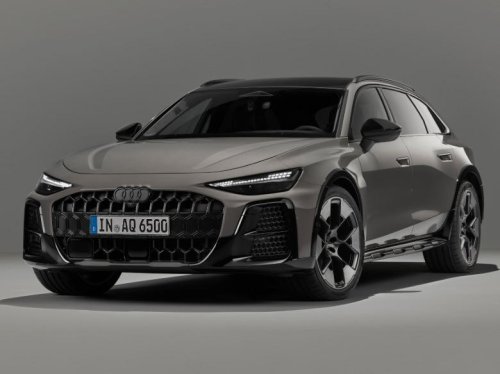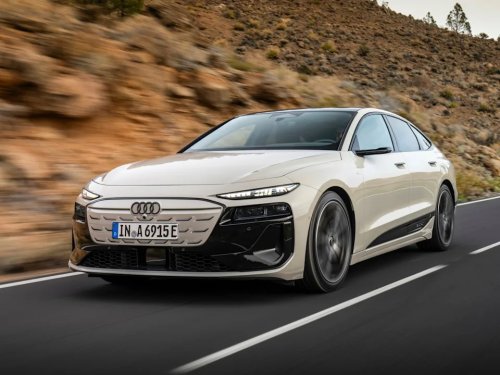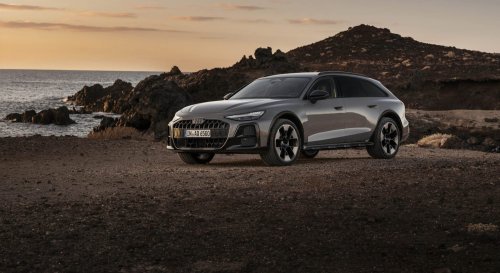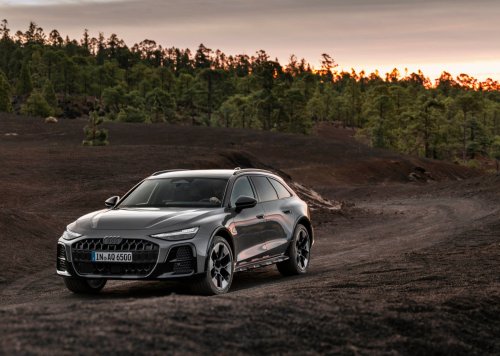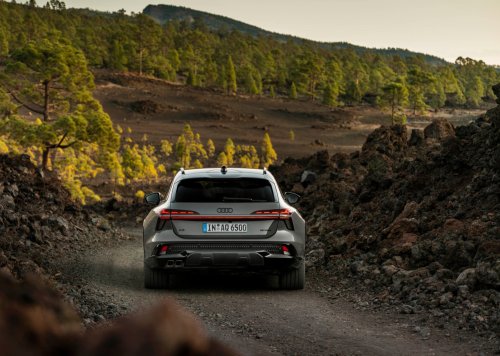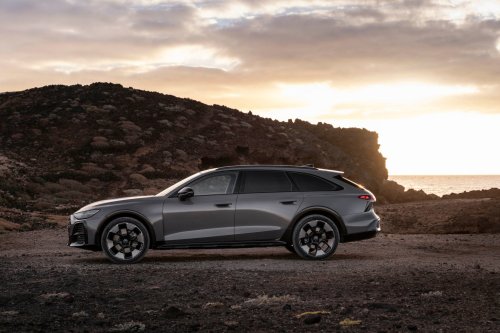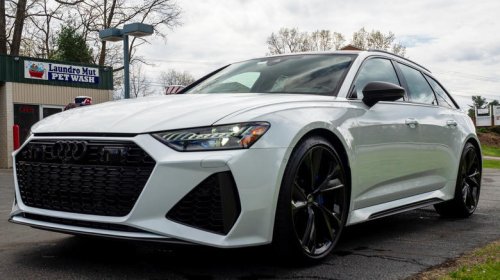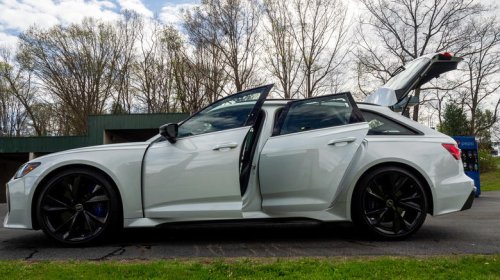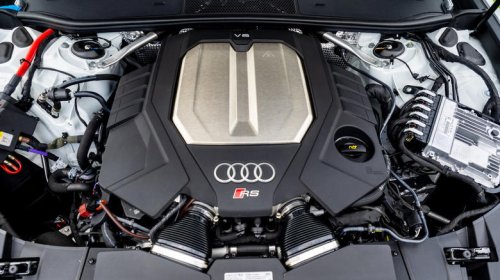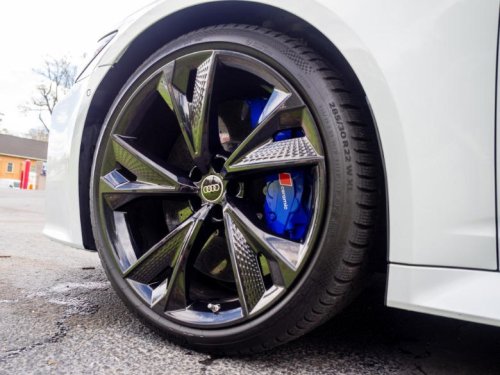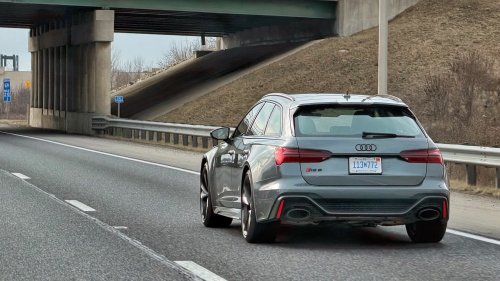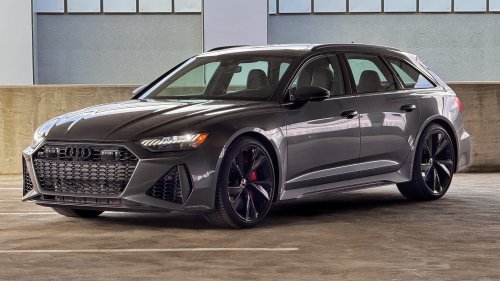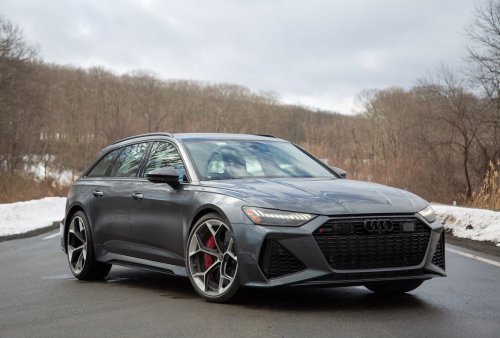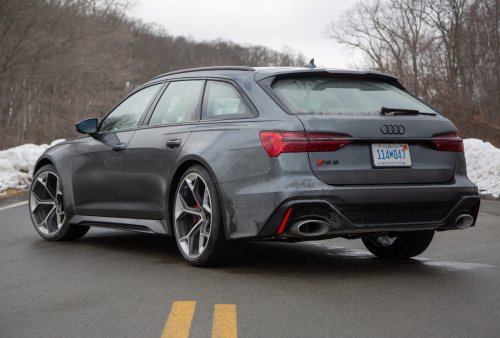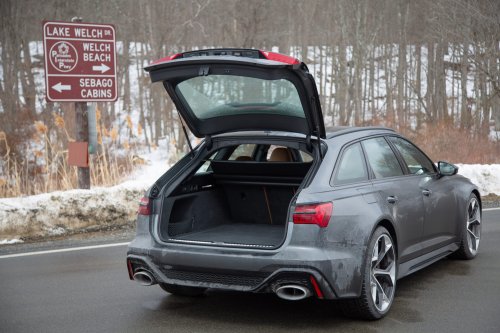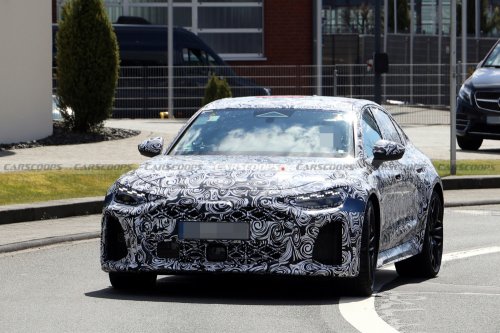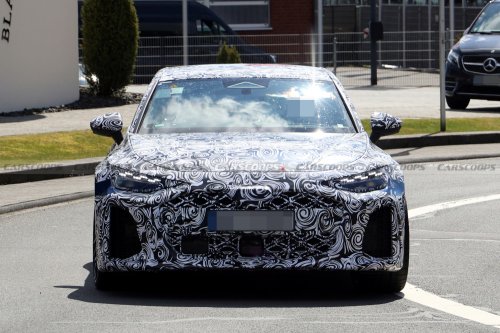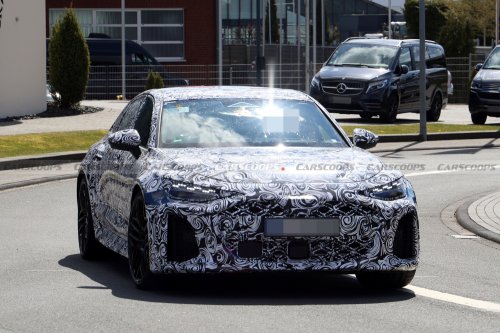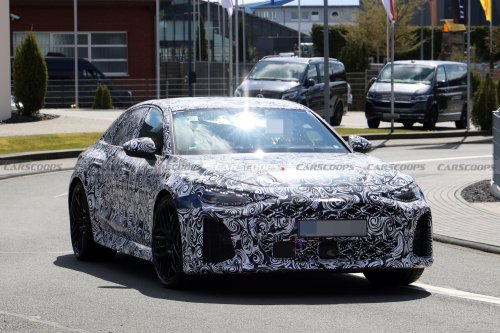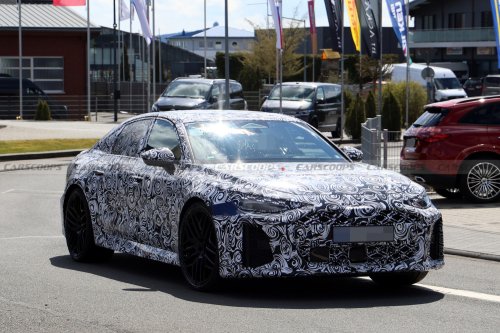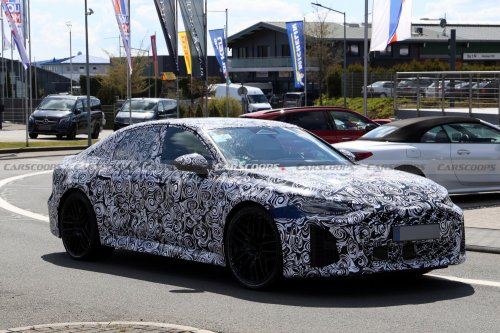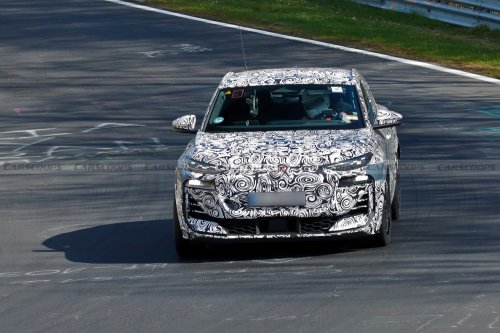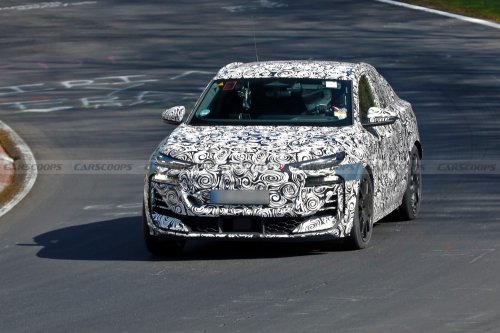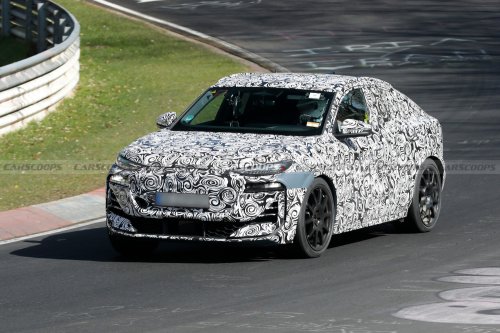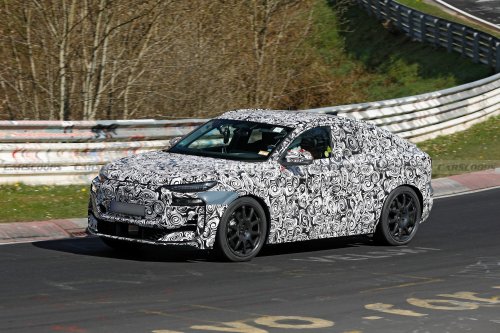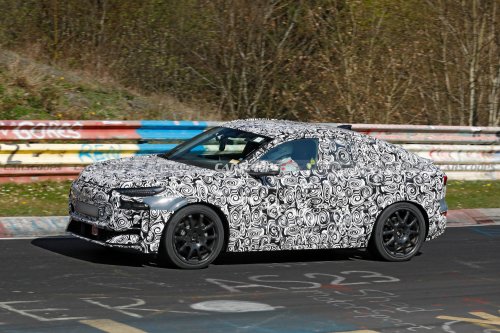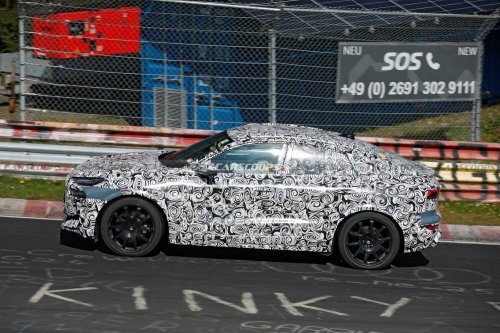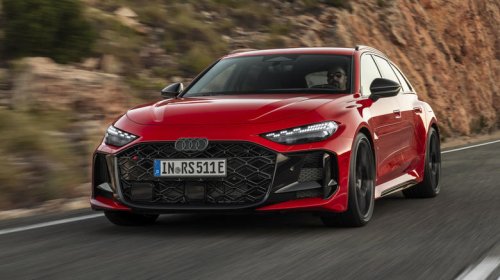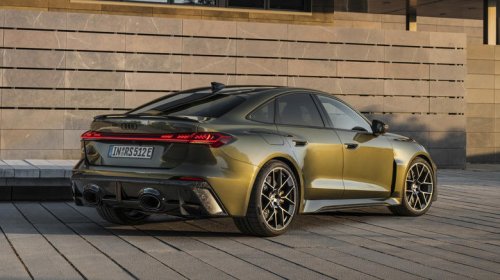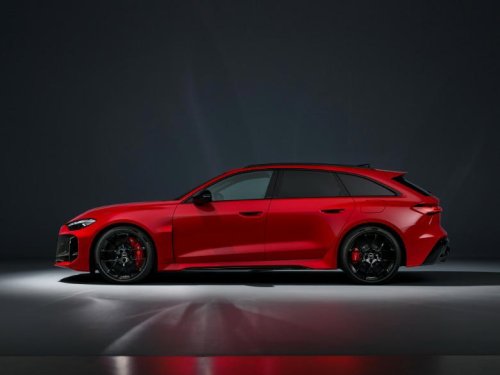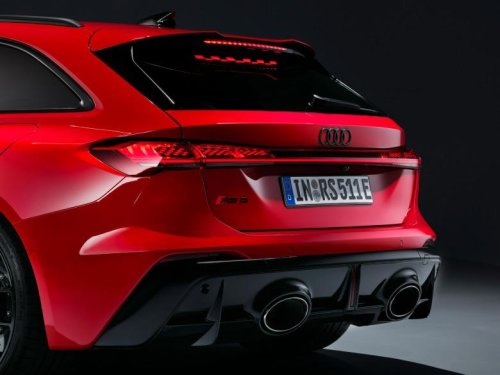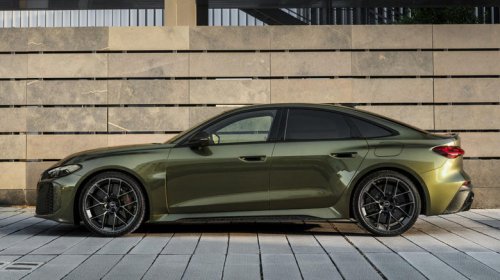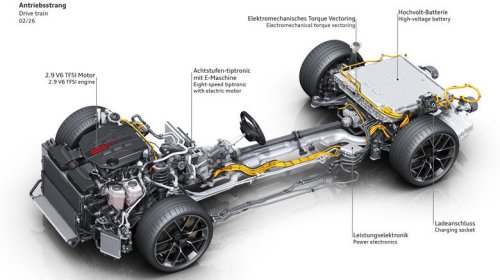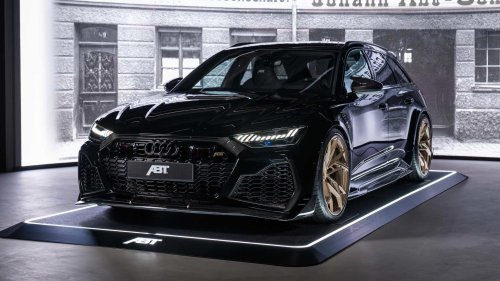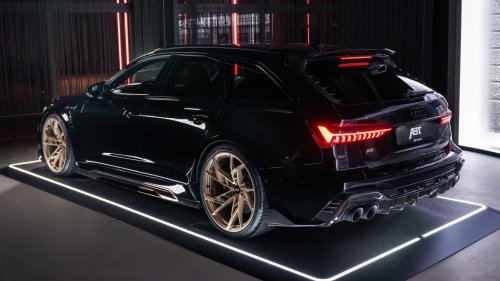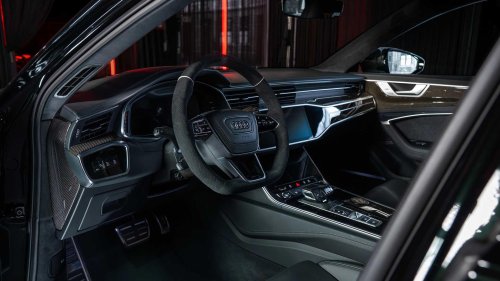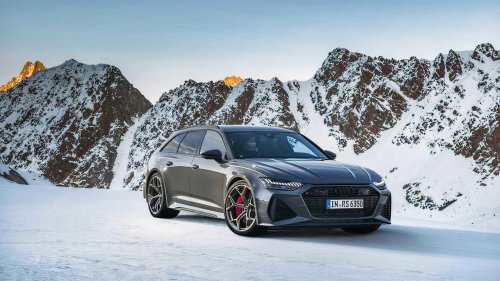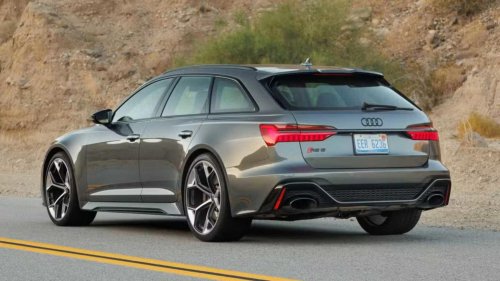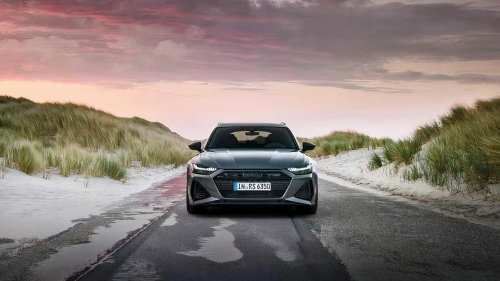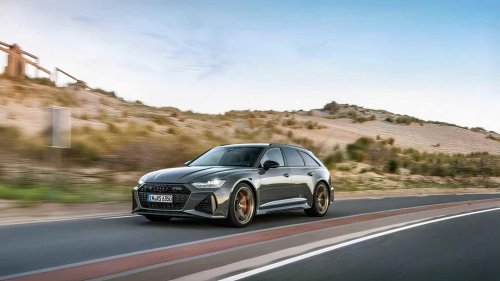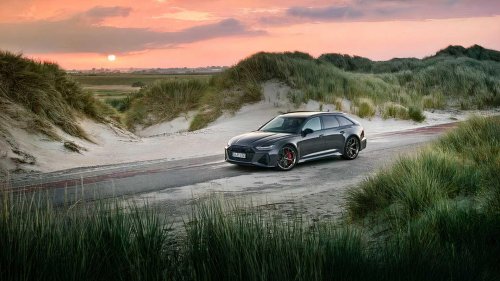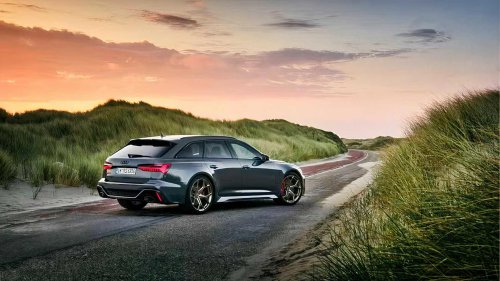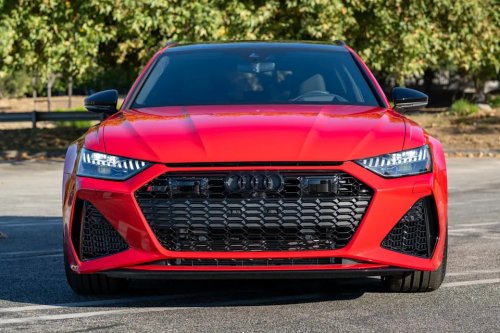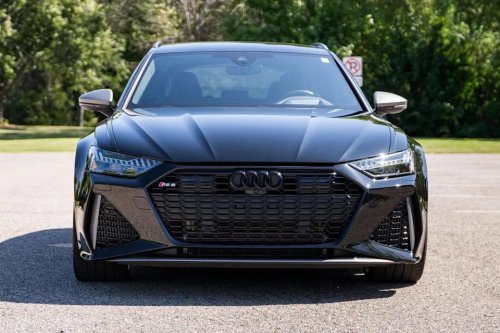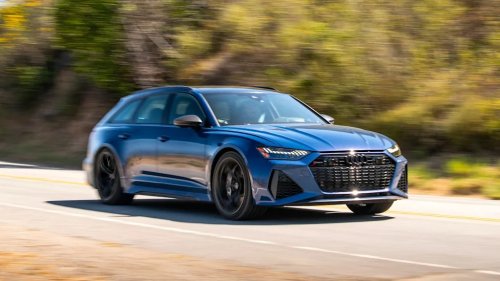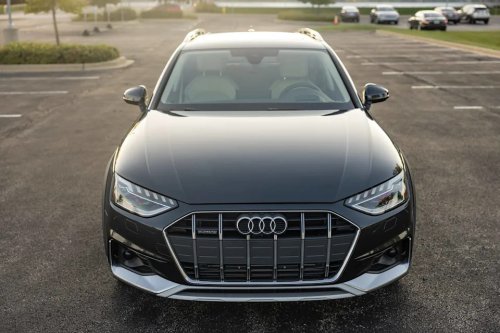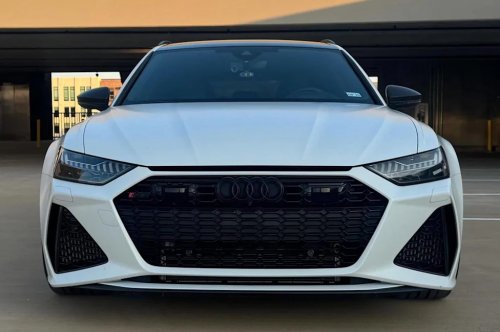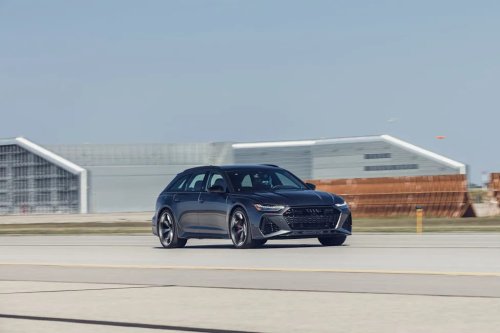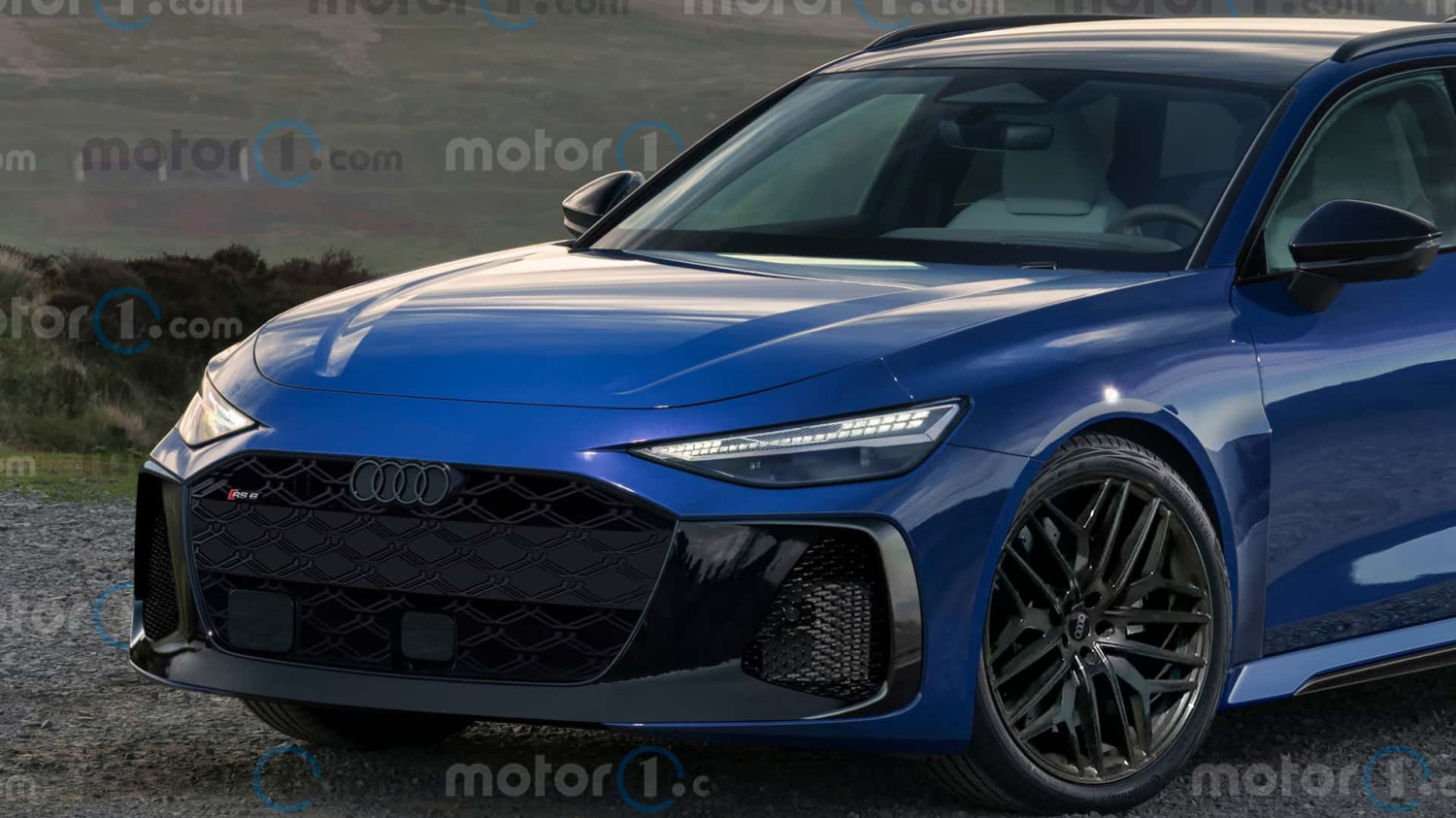
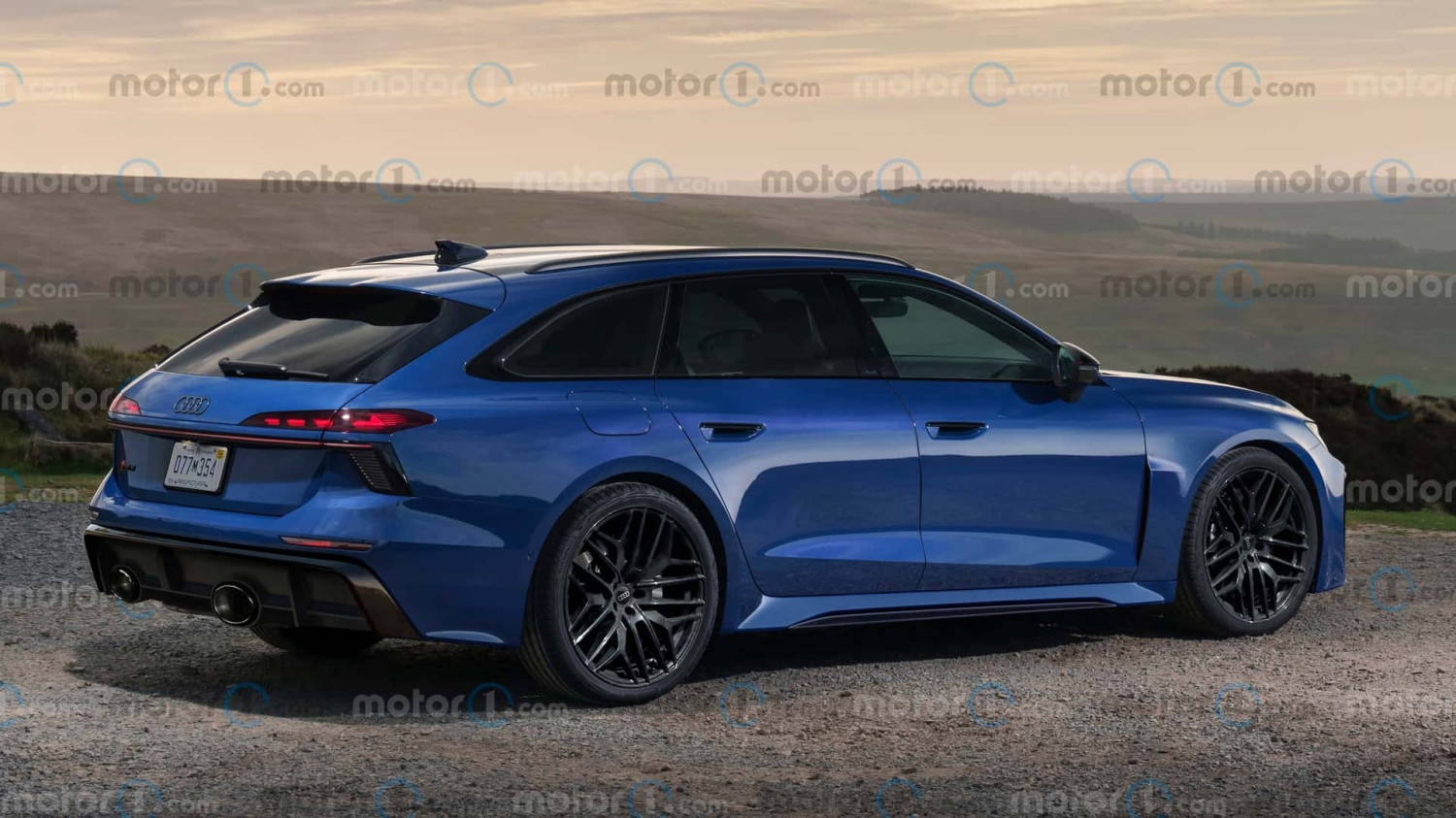



















The Breakdown The fuel cap on the driver's side confirms it's a PHEV. A high-voltage yellow sticker also denotes an electrified powertrain. Audi is likely to keep the V8 and bring back the RS6 Sedan Hot on the heels of the new RS5 Avant’s reveal, Audi has been spotted putting the finishing touches on its bigger brother. The RS6 wagon looks nearly ready to shed its disguise and reveal those bulging wheel arches, complete with front-fender vents inherited from the previous-generation RS6 GT. At the back, the oval exhaust tips appear larger than ever and sit closer together. But the most important change is hiding in plain sight. The fuel cap on the driver-side rear fender confirms the next-generation RS6 will adopt a plug-in hybrid powertrain. Audi’s regular A6 Avant E-Hybrid features a charging port in the same location, used to replenish a battery pack with a usable 20.7-kWh capacity. While it’s too soon to say whether the Audi Sport version will use the same battery, it’s worth noting that the RS5 Avant offers a 22-kWh net capacity. That’s despite the smaller RS-badged wagon sharing the same 25.9-kWh gross capacity as the A5 Avant hybrid. In the RS5, that electric energy delivers up to 52 miles (84 kilometers) of city driving. Aside from the charging port, the test car shows another telltale sign it’s a plug-in hybrid. The yellow high-voltage stickers are mandatory at the Nürburgring so safety workers know the vehicle has a high-voltage electrical system in case something goes wrong. The Toyota GR GT wore the same markings ahead of its official debut, confirming a hybrid powertrain built around a V8. Speaking of an eight-cylinder engine, the new RS6 is expected to retain the V8 in a twin-turbocharged 4.0-liter configuration. The VW Group already offers eight-cylinder PHEVs for Lamborghini, Bentley, and Porsche, and it appears Audi is next in line to pair a V8 with an electric motor. With the RS5 already producing a combined 630 hp, it’s reasonable to expect well over 700 hp, given the bigger gas engine. The RS6 Avant will go head-to-head with the BMW M5 Touring, another plug-in hybrid V8 performance wagon. Munich’s electrified all-rounder delivers a total system output of 717 hp, although its combustion engine was recently detuned in Europe to meet stricter emissions regulations. BMW offset the reduction in ICE output by upgrading the electric motor, maintaining the same combined figure as before. 2027 Audi RS6 Avant rendering by Motor1 The next-generation RS6 Avant will inevitably be heavy. The long-roof RS5 already tips the scales at 5,225 pounds (2,370 kilograms). With the RS6 being larger and packing a bigger engine, it will almost certainly outweigh its smaller sibling. It remains to be seen whether it will surpass the M5 Touring, which weighs 5,456 lbs (2,475 kg) in European specification. Much like the RS5, which is also sold as a sedan (technically a five-door liftback), Audi will offer an RS6 Sedan. It’s been more than 15 years since the Four Rings last sold a four-door RS6, and its return is welcome news. The new RS6 is expected to debut later this year, although it’s unclear whether the sedan will launch alongside the wagon. Motor1's Take: Even under full-body camouflage, the new RS6 already looks immensely desirable, with its flared fenders and massive exhaust tips. It should command even more presence than the RS5 Avant for buyers willing to pay what will undoubtedly be a steep premium. The smaller RS wagon already starts at €107,850 in Germany, before options. Whether deep-pocketed enthusiasts will embrace the complex V8 hybrid setup, and the added weight that comes with it, remains to be seen. The electrified powertrain is a necessity, with the Euro 7 standard fast approaching; sticking with a mild-hybrid V8 is no longer enough. We want your opinion! What would you like to see on Motor1.com? Take our 3 minute survey. - The Motor1.com Team