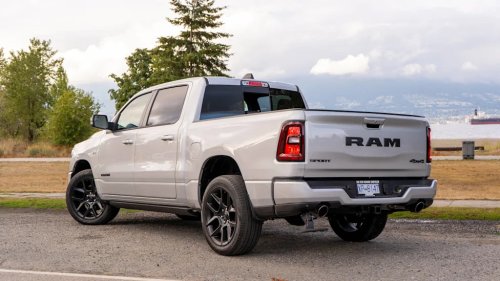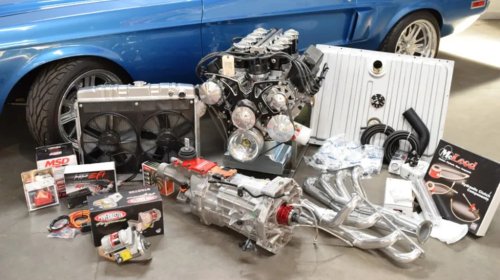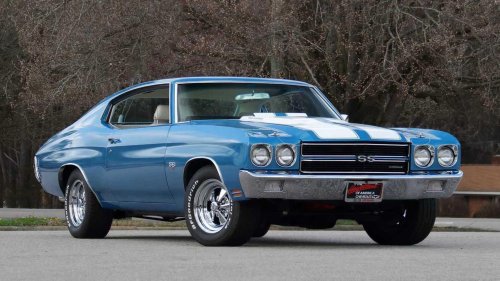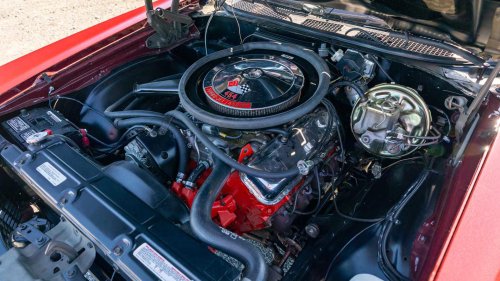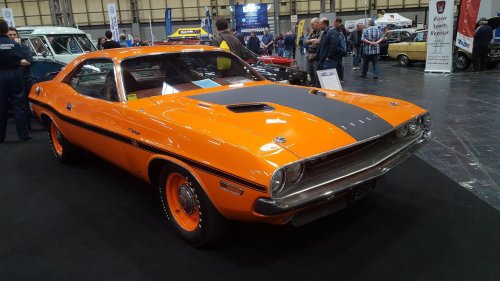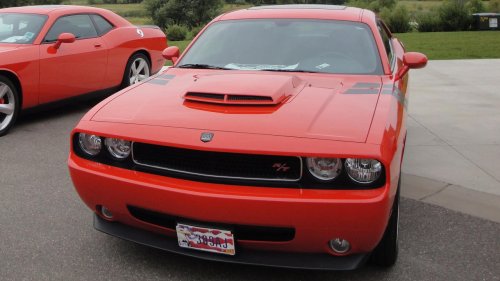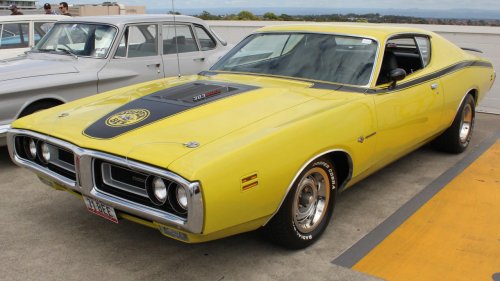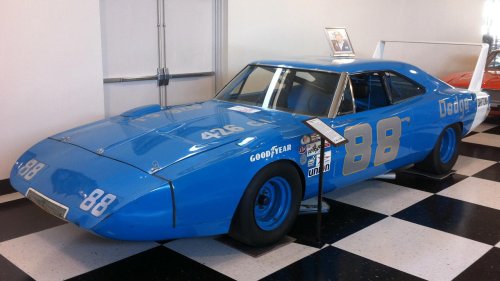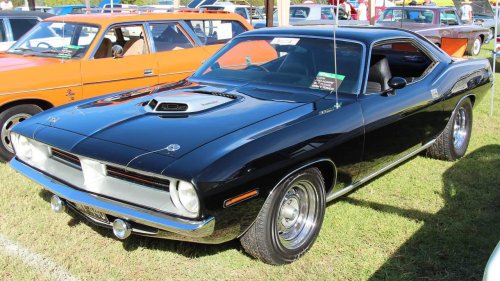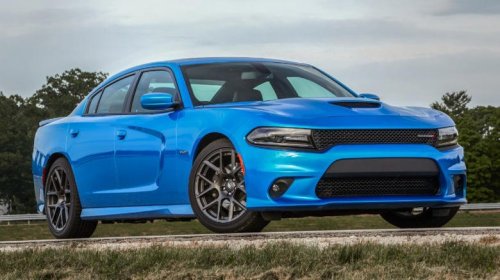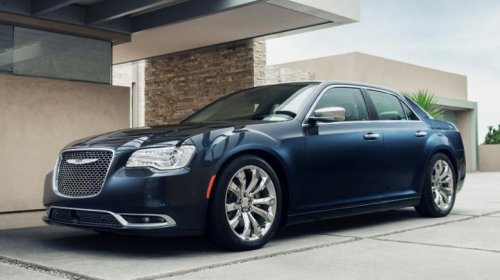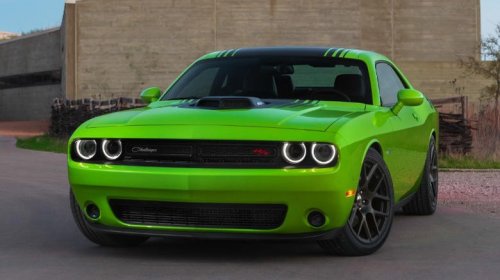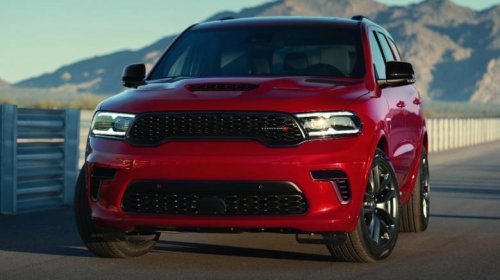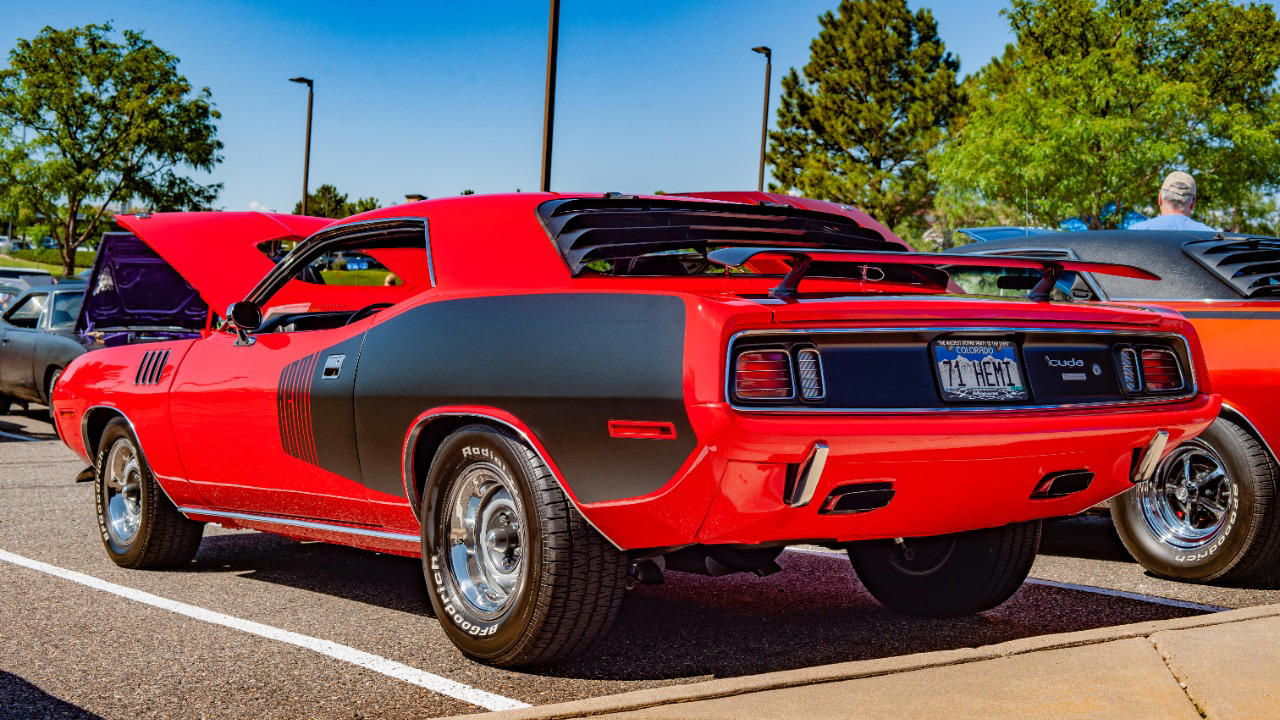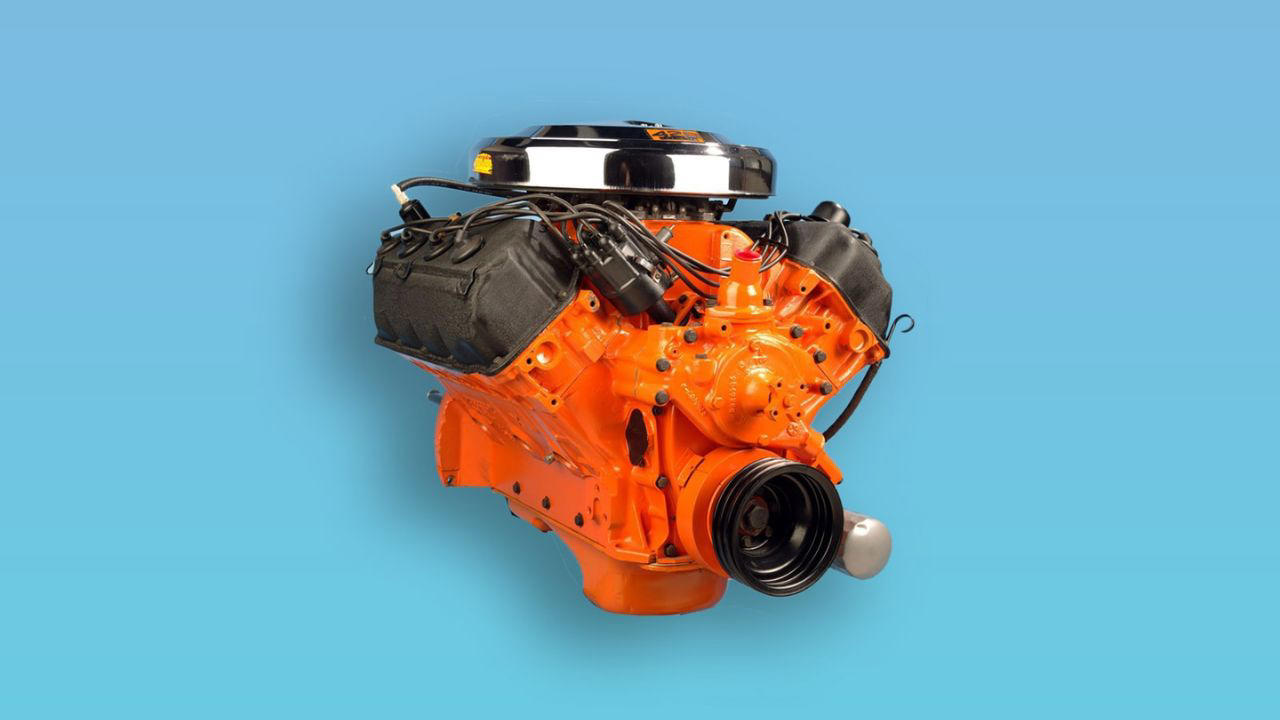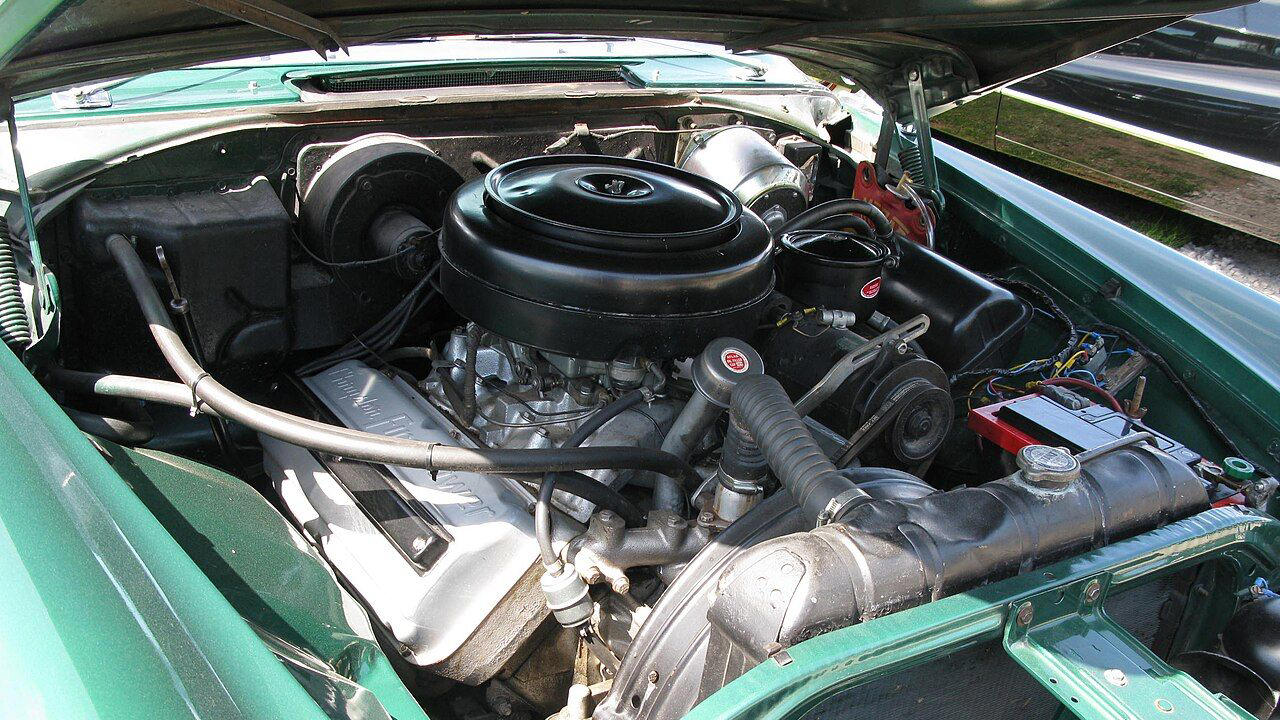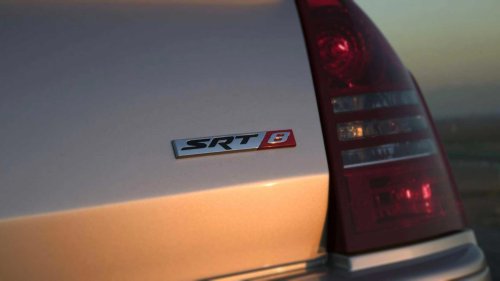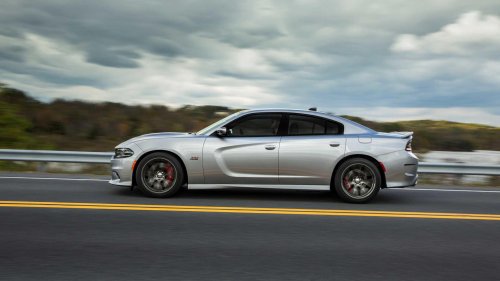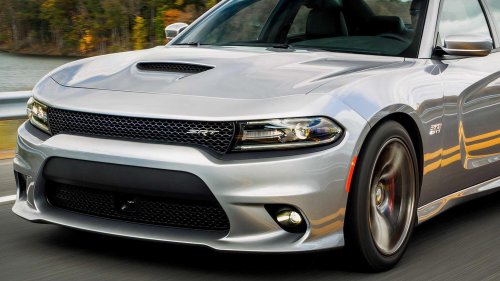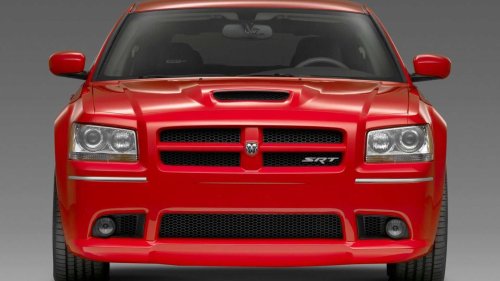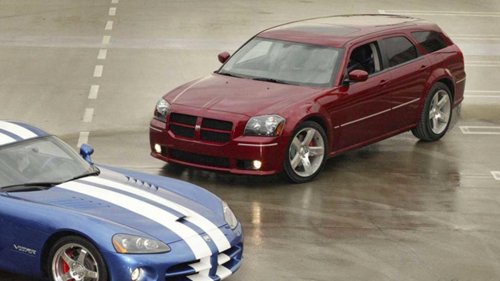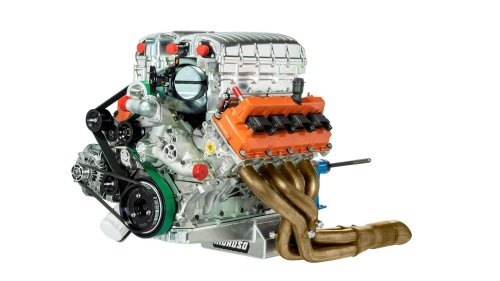
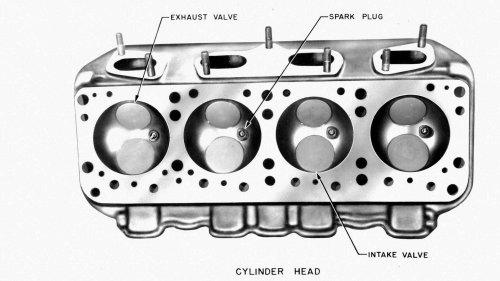

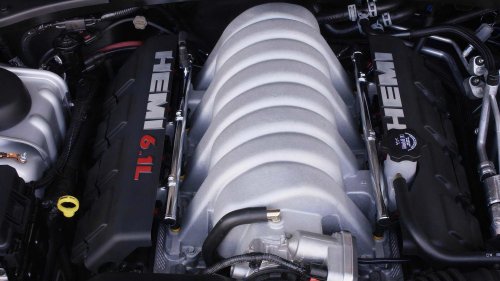
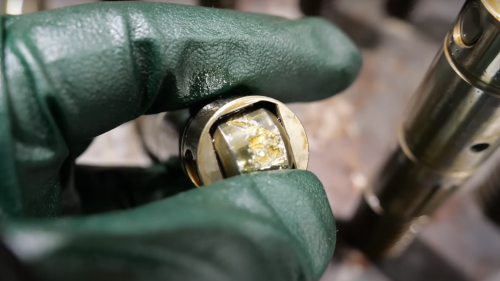
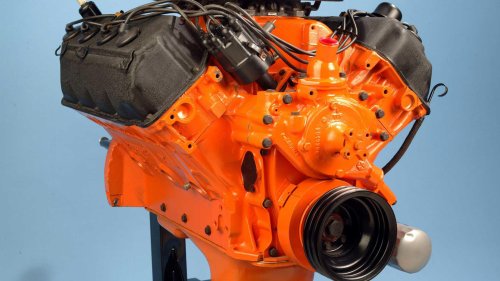
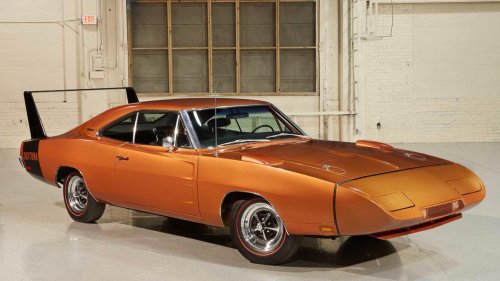



















Jump LinksA Wartime Effort Turns Into The Birth Of A LegendThe Hemi Engine ExplainedGreat For High Performance ApplicationsBuilt For AbuseEfficient CombustionBig Aftermarket SupportPoor Fuel EconomyHeavy WeightDreaded Hemi TickAn Engine Is Not Just An EngineThe Hemi engine, made popular by Chrysler, has been one of America's favorite engines for decades. Originally developed as a means of gaining more power during the Second World War, the Hemi morphed into a civilian-used engine with great success. Powering high-performance cars like the Dodge Charger, and meeting the brute force torque needs of heavy-duty trucks like the Ram 2500, the Hemi engine has seen it all. But what is a Hemi? Read on to discover some Hemi engine pros and cons and why it's so effective.This article is an overview of the Hemi and your mileage may vary. Not all Hemi engines will have developed camshaft or lifter failure. If your Hemi engine is experiencing symptoms of the camshaft or lifter failure, it is advisable to have it inspected and repaired by a qualified repair technician. Always adhere to manufacturer maintenance procedures. What Makes A Hemi, A Hemi? A Wartime Effort Turns Into The Birth Of A Legend Hellephant A30 426 and Drag Pak 354 Supercharged Crate HEMI Engine Blocks 2The roots of the Hemi engine can be traced as far back as the World War II era. Chysler was experimenting with hemispherical combustion chambers in the search for a way to create a more powerful engine for the P-47 Thunderbolt. The experimental engine never saw production. However, information gathered during this period was put to work in the American auto industry with the first generation 'Hemi' overhead valve 331-cubic-inch V8 engine, known as the Chrysler FirePower in 1951. These first-generation Hemi engines came in many different sizes and were not only used in Chrysler models, but could also be found in DeSoto and Dodge trucks as well. The Hemi Engine Explained The term Hemi is short for the word "hemispherical." This is a reference to the hemispherical cylinder head design of the Hemi engine. What makes this unique and powerful design so effective is the hemispherical shape of the combustion chamber in the cylinder head. The combustion chamber is the area cast in the head that, when bolted to an engine block, is directly above the piston. This is also where the air and fuel are ignited and burned.Combustion chamber size and shape have a profound impact on how effective the engine is at power production. The shape of this chamber affects the size of the valves and where the valves can be positioned in the combustion chamber.In a hemispherical head, the valves are canted or angled and placed on opposite sides of the chamber. This offers two great advantages over non-Hemi combustion chamber designs. Larger valves can be fit into a hemispherical head, and there is less "shrouding", or cylinder wall obstruction. This valve arrangement allows for superior airflow and overall engine breathing. Bigger valves let more air/fuel in and more exhaust gases out. However, due to the shape of the combustion chamber, hemispherical combustion chambers are limited to two valves.Stelantis The Hemi combustion chamber design also places the spark plug more centrally in the combustion chamber, typically at the top of the dome. Hemi-headed engines will often use domed pistons for compression, further enhancing horsepower and torque production. As a Hemi is designed to make large amounts of horsepower, the heads must flow a lot of air to make best use of the hemispherical head design. For this, hemispherical-headed engines commonly have larger and straighter intake and exhaust ports for optimal flow. Pros Of The Hemi Engine Great For High Performance Applications Dodge Because of the combustion chamber's shape, the Hemi engine can accept larger valves. These larger valves of a Hemi engine can flow lots of air which helps create large amounts of horsepower and torque. The shape of the combustion chamber focuses the expanding burn front and pressure waves toward the center of the piston, producing a rapid peak in cylinder pressure early in the power stroke. This dynamic produces optimal torque and horsepower from its air/fuel charge. Basically, pressure builds sooner and more effectively than a standard offset or wedge combustion chamber.Popular Hemi engines like the 426 (originally available from 1964 to 1972). These engines famously powered some of racing history's most significant circle track and quarter-mile cars. The later-model Hemis, like the 6.2-liter and the larger 6.4-liter, are known to be excellent performers. Further, the Gen III Hemi engines power some of the most popular late model muscle cars today, like the Dodge Challenger Demon 170 and the Dodge Charger Hellcat. Built For Abuse Most of the second- and third-generation Hemi engines were built to withstand a great deal of stress that comes from high horsepower and torque production. This includes deep skirt engine blocks, cross-bolted main bearing caps, stronger connecting rods, and forged cranks in some versions. Not every late model Hemi engine was built to this robust degree, but the engines that were performance tuned or came with a supercharger from the factory did receive fortified blocks and internals. Efficient Combustion Chrysler The combination of the centrally located spark plug paired with the hemispherical or dome design of the combustion chamber created a fast and balanced combustion event. The domed shape of the combustion chamber in a Hemi engine minimizes wasted energy and heat loss to the cylinder walls, essentially keeping more combustion heat inside the chamber. Big Aftermarket Support For those looking to build a Hemi engine for performance or towing, the aftermarket has you covered with parts readily available from most mainstream suppliers. Not only are hard parts available for the older 426-cubic-inch Hemi V8, but performance parts and custom tunes are widely available for the massively popular Gen III Hemi as well. Cons Of The Hemi Engine Poor Fuel Economy Dawn McDonald/Unsplash As a large V8 capable of serious horsepower and torque, its poor fuel efficiency should come at no surprise. The older 426 Hemi was known for big power, but also notorious for single-digit miles per gallon. For fuel supply, the Gen II 426 Hemi ran dual four-barrel carburetors to satisfy the massive engine fuel needs. Further, since the 426 had a high compression ratio, running anything but the more expensive, higher-octane gas was asking for trouble.The later 5.7-liter Gen III Hemi engines with the multiple displacement system (MDS) were able to achieve some decent numbers, due to periodically running on only four cylinders, with non-hybrid trucks seeing between 20–23 miles per gallon on the highway. The larger Gen III 6.2-liter and 6.4-liter Hemi V8s weren't so efficient, with fuel economy numbers typically between 15–25 miles per gallon on the highway, depending on application. Heavy Weight Another disadvantage of the hemi engine is that with big cubic inches comes more weight. The 426 Hemi was nicknamed the "Elephant" for this reason. Made up of a cast iron block, paired with its large cast iron heads, the 426 Hemi V8 shows conflicting reports of weight, published at either 765 or a stout 843 pounds. The Gen III Hemis are smaller and constructed with different materials, but still weigh in at 591 pounds for the 5.7-liter, 578 pounds for the 6.1-liter and 582 pounds for the 6.4-liter. Dreaded Hemi Tick I Do Cars/YouTube This problem is widely known in the Gen III Hemi V8s. The "Hemi tick" is a failure roller lifter. This failure is due to improper lubrication of the lifter as it rides the lobe of the camshaft. Inside the roller lifter are small needle bearings that are highly susceptible to failure when staved of oil. When the needle bearings seize from lack of lubrication, the roller tip of the rocker no longer rolls, ultimately flat-spotting and in time, destroying the camshaft lobe that it rides on. There are no oil passages through or around the lifter that might provide adequate lubrication. For lubrication, the lifter depends on the small amount of oil splashed up from the rotating assembly. However, the problem is exacerbated at idle or low rpm driving, and oil splash is minimal. The dreaded Hemi primarily affected 2009 and newer 5.7L and 6.4L Hemi engines that were equipped with MDS. Hemi Engine vs. Normal Engine An Engine Is Not Just An Engine StellantisSo, are Hemi engines good, or are regular engines better? The Hemi has earned itself a reputation for street supremacy and dominating performance since its circle track debut in 1964, driven by none other than "The King" himself, Richard Petty. During the 1964 Daytona 500, Petty drove his Hemi-powered Plymouth Belvedere to victory after leading 184 of 200 laps. That same race, Hemi-powered cars swept first, second, and third place. This winning trend continued after 1965, with the Hemi securing countless NASCAR victories during its tenure.Stellantis North America Born from racing necessity, the street Hemi was made available to the public in 1966. For the Hemi to compete in the NASCAR series, homologation rules dictated that it must be available to the public. De-tuned for the public, the Hemi quickly earned a reputation on the street as a brutal stop-light-to-stop-light performer, giving even the mighty LS6 454 Chevrolet Chevelle SS some serious competition. After 1971, the Hemi was canceled due to the Clean Air Act of 1970, the oil embargo/energy crisis and skyrocketing insurance premiums.For 2003, the Hemi made a triumphant return, albeit for fewer cubic inches.The Gen III Hemi has a different combustion chamber design than the iconic Gen II. A shallower chamber with "quench" areas, which helped with efficiency and emissions compliance. Nevertheless, the Gen III Hemi has amassed a loyal following and built a legacy of its own with models like the Chrysler 300C SRT8, Dodge Challenger, Dodge Charger, and the gone but never forgotten Dodge Magnum wagon. These cars pushed the horsepower boundaries and re-stoked the flames of excitement and enthusiasm for the muscle car. These late model Hemi powered icons are sure to be highly collectible as time goes on.