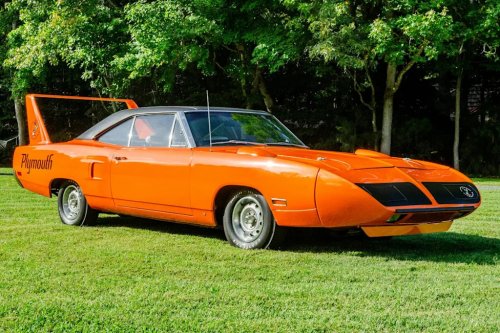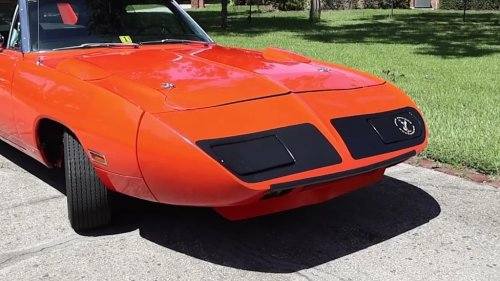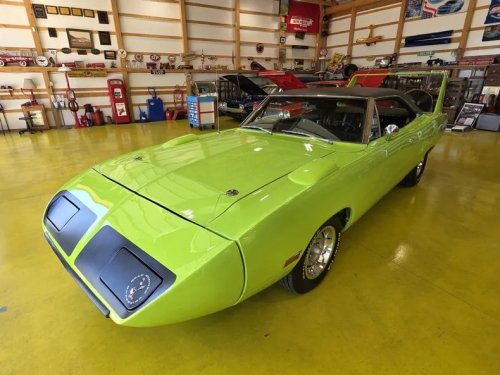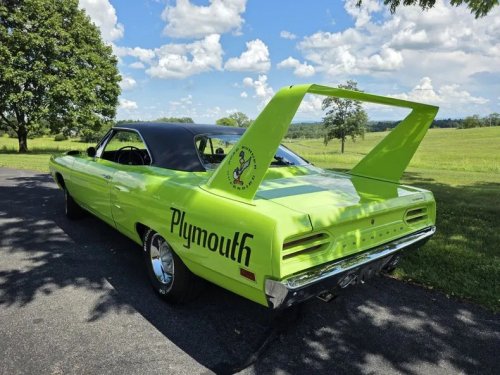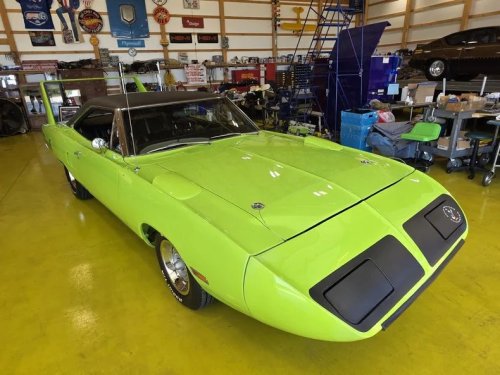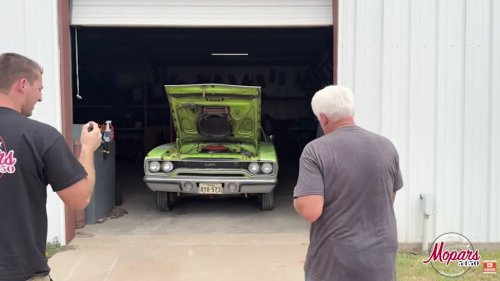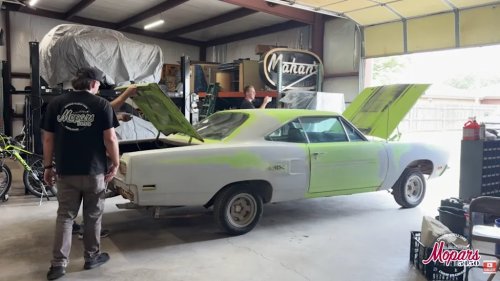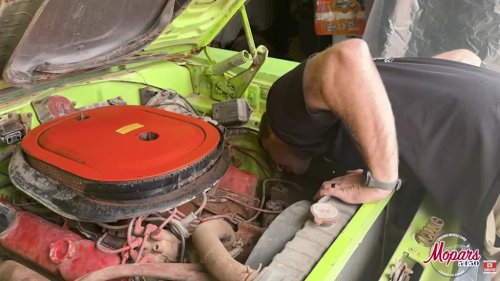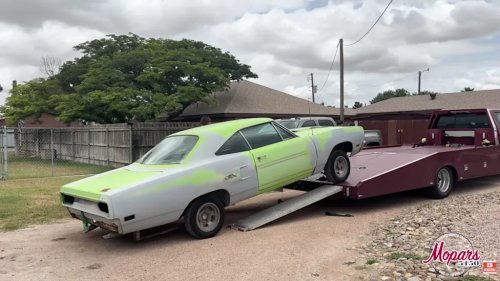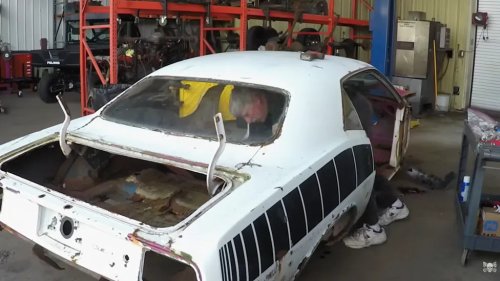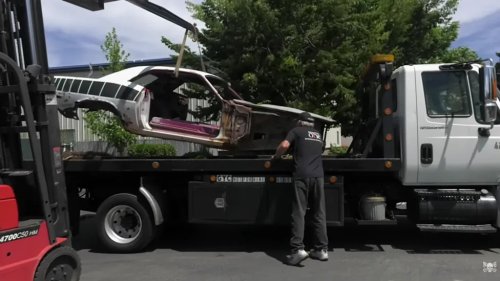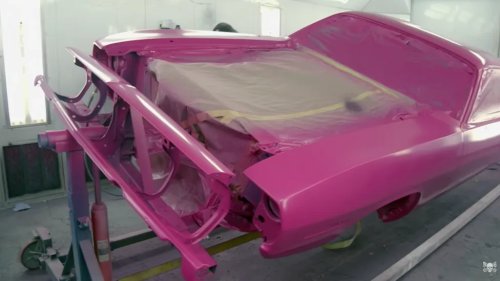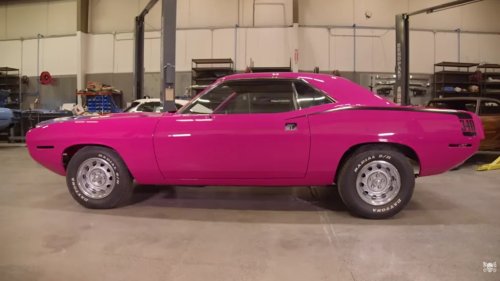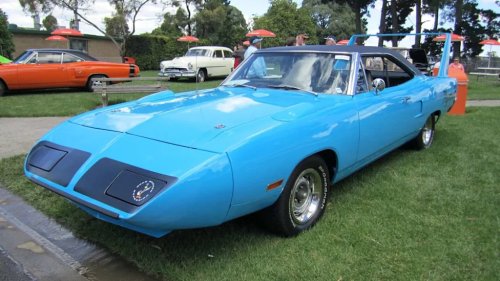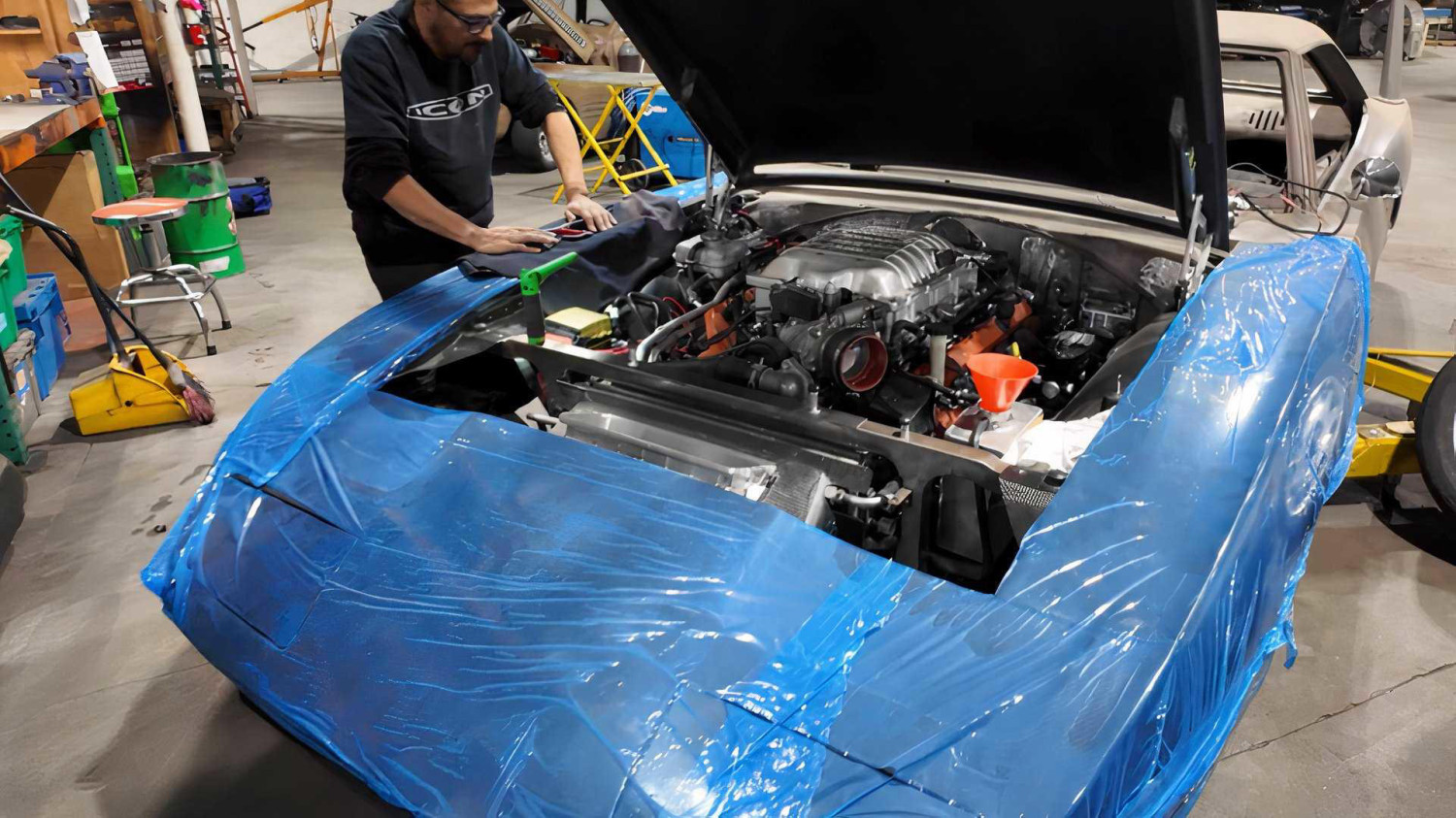



















I’m not the only Mopar fan who will preach the greatness of Chrysler’s winged warriors. These aerodynamic monsters truly transcended the muscle car world, tickling supercar status with the capabilities to surpass the 200mph barrier with ease. They worked so well that NASCAR rules were pitted against them, effectively barring them from racing as originally designed. As amazing as those cars are, they’re still far from perfect—especially by today’s standards. That’s why it’s always so exciting to see one that’s being brought up to date like the Hellcat-swapped 1970 Plymouth Superbird that Larry Chen just gave a sneak peek at. The Hellcat-Swapped Superbird Hagerty, YouTubeOn the latest upload to Hagerty’s Capturing Car Culture series, we’re given a tour of ICON 4x4’s shop. Now, don’t let the name fool you. ICON 4x4 does have a heavy focus on off-road vehicles, with its owner Jonathan Ward playing a role in the forging of the Toyota FJ Cruiser, but it doesn’t limit its scope to that world. The crew there truly specializes in bringing classic vehicles of all segments to the modern world. Partway through the shop tour, we’re given a look at a 1970 Plymouth Superbird that’s getting some serious hardware updates.Our host, Larry Chen, walks up to the bare-metal Superbird with its hood popped open. In place of a 440 Six-Barrel or 426 Hemi is a supercharged 6.2-liter Hellcat Hemi V8. While a NASCAR-Spec elephant would belt out north of 600 horsepower with potential to make much, much more, a starting point of 707 horsepower and 650 lb-ft of torque is a nice upgrade. However, it’s already been worked over to make more power.That’s not the only update the Superbird has been given, though. ICON has teamed up with the legendary crew over at Speedkore to reshape this missile. The nose cone has been crafted out of carbon fiber and is essentially acting as a massive intake funnel to feed the Hemi. It’s also working with a revised wing, smoothed-over sheet metal, a totally custom interior, and one-off wheels. Or at least, those are the plans for it, as, again, it’s still in the early stages of the build process when we’re shown the car. It’s A Real 1970 Superbird Hagerty, YouTubeThis is shaping up to be a really tricky build, but not everyone is going to be happy about it. As mentioned by Ward and Chen, this is actually a legitimate Superbird. It’s not a clone, it’s the real deal, and the folks at ICON are making major changes to the original sheet metal.Plymouth built and sold Superbirds to the general public to satisfy homologation rules in order for it to legally compete in NASCAR races. Then, the rules stated that 500 road-going versions of a car needed to be built if it wanted to partake in the action. Dodge built just enough Daytona Chargers to race, with only around 503 being produced for dealers. Plymouth took things a bit further by building somewhere in the neighborhood of 1,900.While not as scarce as the Daytona Charger, Plymouth Superbirds are still very rare. Almost as rare as1969-1/2 A12 Road Runners and even more so than 1970 AAR ‘Cudas. Because their historical significance is so high, Mopar purists and collectors are wincing at the idea of cutting one up. But, as Ward points out, this is a much better fate than the barn-find cars that are left to rot and the concourse cars that are never driven. This Superbird will be enjoyed and driven hard, which is exactly what the engineers would have wanted. Improving On Plymouth’s Winning Formula Hagerty, YouTubeAnother controversial point of the video is when Ward makes mention of these cars not being fully thought out, which has irritated some commenters. While some people are taking that as a shot below the belt, he has a point. Superbirds weren’t super-well-thought-out. At least not in comparison to the Charger.It’s important to remember that the Charger Daytona was built first, and the engineers behind it cared only about winning races. Not how it looked. When Plymouth decided to build its own version, the marketing team made some revisions to make it prettier. Namely, the wing and nose cone were altered to improve the looks at the cost of some top-end performance. Whether or not this is what he was referring to is unclear, but critics should be reminded that there were design flaws that held the Superbird back a bit, even if it did win more races than the faster Daytona.All of that being said, this build is very interesting and bound to generate plenty of attention. While there is still a long way to go for this Superbird, the potential is there for it to be a total stunner and true performer. Regardless, we’re eagerly awaiting the final reveal.