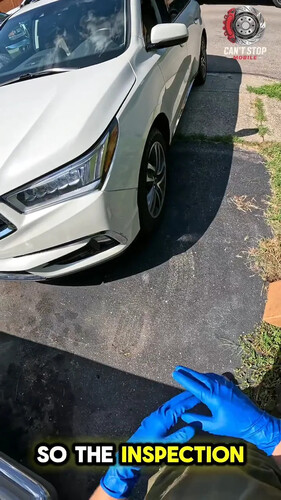
I paid for a pre-purchase inspection, but the biggest issue showed up a week laterThe plan was simple: find a solid used car, pay for a pre-purchase inspection (PPI), and drive off feeling smugly responsible. The inspection came back pretty clean—some minor wear, nothing dramatic, the kind of report that makes you think, “Nice, I did the grown-up thing.” A week later, the dashboard lit up like a holiday display, and the car started acting like it had been keeping secrets. That’s the part nobody tells you with enough emphasis: a PPI is incredibly useful, but it’s not a crystal ball. It’s a snapshot of what a mechanic can see, test, and reasonably predict in a limited window of time. And sometimes, the biggest problem is the one that waits politely until you’ve stopped refreshing the listing and started buying floor mats. The inspection was thorough… just not psychic The mechanic did what most good shops do: checked fluids, tires, brakes, suspension, lights, looked for leaks, scanned for trouble codes, and took it on a quick drive. The report noted a few “keep an eye on this” items, but nothing that screamed “run.” The seller even seemed relieved, like the car had passed a character test. But a week later, the issue that surfaced wasn’t something that always shows itself on a short test drive. Think intermittent electrical gremlins, a fuel pump that fails only when it’s hot, a transmission that slips only after a longer highway run, or a cooling system that behaves until it’s under real pressure. Cars can be very polite for 30 minutes. So what actually happened a week later? The most common “surprise” problems show up in patterns: warning lights that appear only after several drive cycles, overheating after a longer commute, or a rough idle that starts once the weather changes. Some failures are progressive, meaning they’re technically “fine” until they aren’t. And some are intermittent, which is the automotive version of “It only happens when nobody’s watching.” A classic example is an EVAP leak code. It might not trigger during an inspection, then pop up later when the system runs its self-check overnight. Another is a battery or alternator that’s weak but not dead—until you’ve done a few starts, a few short trips, and suddenly the car decides it’s tired of pretending. Why a PPI can miss big issues (even with a good mechanic) First, time is limited. A PPI isn’t usually a multi-day stress test with heat-soak cycles, cold starts, long highway pulls, and the kind of driving that makes marginal parts reveal themselves. It’s a practical inspection, not a full forensic investigation. Second, access is limited. Some components can’t be fully evaluated without deeper disassembly, and that’s not what most buyers want to pay for—or what sellers will agree to. If a shop has to remove undertrays, pull spark plugs, or open up a transmission pan, you’re no longer in standard PPI territory. Third, modern cars can hide problems surprisingly well. A seller can clear codes right before a sale, and the car may drive fine until the monitors reset and the computer re-checks everything. That doesn’t always mean anyone was being shady, but it’s a real reason issues can “appear” days later. The awkward question: was the inspection useless? No—just incomplete in a very normal way. A solid PPI can still save you from the obvious disasters: frame damage, serious leaks, worn-out brakes, bald tires, questionable repairs, or a car that clearly hasn’t been maintained. It can also give you negotiation power, even if the car isn’t perfect. But it can’t guarantee that a component with one foot on the banana peel won’t slip next Tuesday. Cars are systems of wear items, and sometimes you buy the car right at the moment a part decides it’s done with this whole “working” thing. What to do the moment the “week-later” problem shows up Start by documenting everything while it’s fresh. Take photos of warning lights, record short videos of noises, write down when it happens (cold start, after fueling, at highway speed), and note any patterns. That information makes a mechanic’s job easier and keeps you from sounding like you’re describing a ghost story. Next, get the car scanned—preferably with a shop-grade scanner, not just a generic code reader. The stored codes, pending codes, and freeze-frame data can tell the story of what the computer saw and when it saw it. If the issue is drivability-related or feels unsafe, don’t keep commuting and “see if it goes away.” Can you go back to the inspection shop? Yes, and it’s worth doing in a calm, practical way. A PPI is typically not a warranty, but many shops will at least talk through what happened, look at the car again, and explain whether this was likely developing at the time. If you’re polite and organized, you’re more likely to get a helpful response instead of a defensive one. If the new problem is related to something they flagged—like a “seeping” leak that turned into a real leak—there’s a clear line between the report and the current issue. If it’s unrelated, they may still help diagnose it, but it’s not the same as “they missed it.” Two things can be true: the inspection was competent, and you still got unlucky. What about the seller—do you have any options? That depends heavily on where you live and how the car was sold. Private-party sales are often “as-is,” meaning once money changes hands, you own the problems too. Dealer sales may come with implied protections, short warranties, or required disclosures, but the details vary a lot by region. If you suspect the issue was intentionally hidden—like codes cleared right before the sale, or a problem that was actively masked—it’s worth gathering evidence. Ask the diagnosing shop for notes, keep receipts, and save screenshots of codes. If you’re considering a dispute, you’ll want facts, not just a feeling that the car “seems cursed.” How to reduce the odds of this happening again If you’re shopping for another car (or trying to be better prepared next time), ask for a cold-start inspection. A lot of issues show up only when the engine is cold, and a warmed-up car can be a surprisingly effective disguise. Also ask for a longer test drive—highway speeds, stop-and-go, and a few minutes of idling can reveal different problems. Request a scan for readiness monitors and pending codes, not just active codes. If the monitors are “not ready,” it may mean the battery was recently disconnected or codes were cleared, and the car hasn’t completed its self-tests yet. That’s not an automatic deal-breaker, but it’s a reason to slow down and ask why. And if you can, pay for an inspection that includes a lift, a proper road test, and a written report with photos. The best PPIs don’t just say “looks good”—they show you what “good” means. It still won’t be perfect, but it shifts the odds in your favor. The real takeaway buyers don’t hear enough A PPI isn’t there to promise you a problem-free year. It’s there to catch what can be reasonably caught and to help you make a smarter bet. Sometimes you still lose the coin toss a week later, and it feels unfair because you did everything right. If that’s where you’re sitting right now—staring at a warning light and wondering what you paid for—know this: you didn’t waste your money, and you’re not the only one. The goal now is to diagnose quickly, document clearly, and decide whether you’re dealing with a normal repair, a negotiation moment, or a bigger situation that needs consumer-protection backup. The car may have surprised you, but you don’t have to let it stay mysterious. More from Fast Lane Only Unboxing the WWII Jeep in a Crate 15 rare Chevys collectors are quietly buying 10 underrated V8s still worth hunting down Police notice this before you even roll window down The post I paid for a pre-purchase inspection, but the biggest issue showed up a week later appeared first on FAST LANE ONLY.