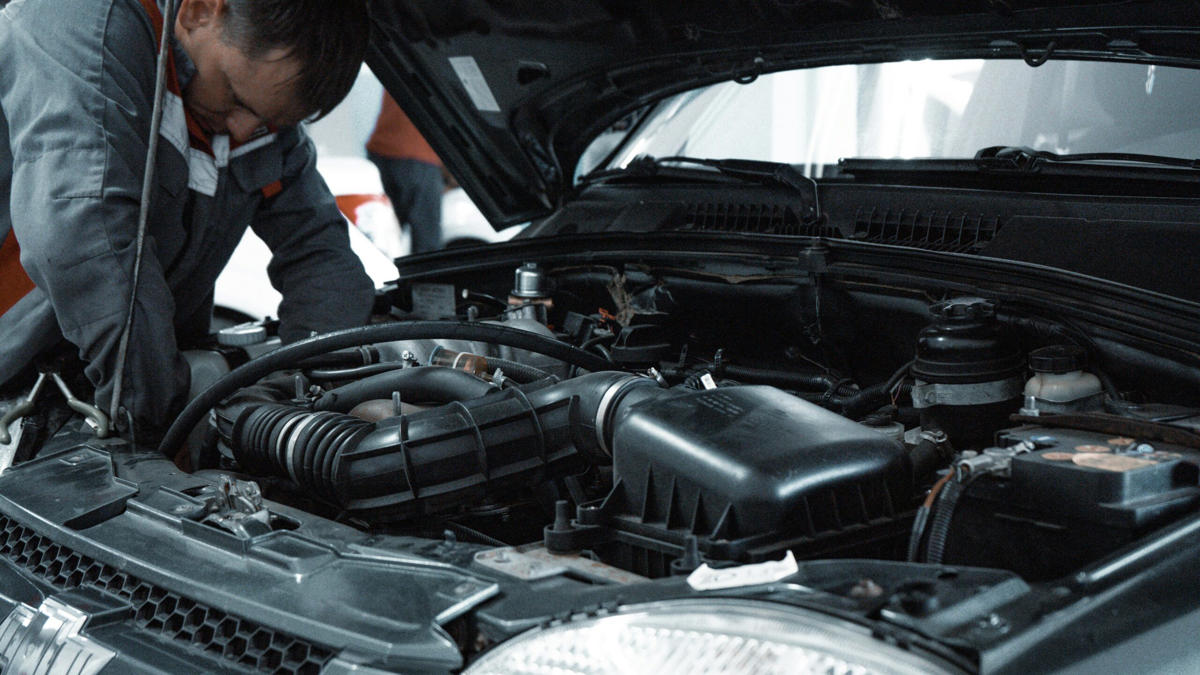



















I paid for an engine diagnostic, but the answer I got didn’t explain the actual problemIt’s a familiar scene: the check-engine light pops on, the car starts acting a little “off,” and you do the responsible thing. You pay for an engine diagnostic because you want clarity, not vibes. Then you get a printout (or a quick summary) that says something like “misfire detected” or “system too lean,” and somehow you’re left with fewer answers than when you started. This isn’t just one person’s bad luck. It’s becoming a common frustration across repair counters and service bays, especially as modern cars generate more data than ever. The tricky part is that the data doesn’t automatically translate into an actual explanation of what’s wrong—or what to do next. What an “engine diagnostic” usually means in real life Most of the time, what you’re paying for is a code scan: someone plugs a scan tool into the car’s OBD-II port and pulls trouble codes. Those codes are standardized clues, not full diagnoses, and they’re often written in a way that sounds definitive even when they aren’t. “Cylinder 2 misfire” feels like a solved case, but it’s more like a headline without the story. A true diagnostic process is different. It involves verifying the symptom, looking at live data, checking fuel trims, doing targeted tests, and confirming the root cause before recommending parts. The problem is that many shops (and many customers) use “diagnostic” to mean “scan,” and that mismatch sets everyone up for disappointment. Why the code doesn’t tell you the actual culprit Trouble codes describe what the computer noticed, not why it happened. If the system reports a misfire, that could be spark-related (plugs, coils), fuel-related (injector, pressure), air-related (vacuum leak), mechanical (compression), or even sensor-related (bad readings leading to wrong fueling). The computer can detect the misfire pattern, but it can’t always identify which underlying failure caused it. Think of it like a smoke alarm. It can tell you there’s smoke, but it can’t tell you if you burned toast, forgot a candle, or had an electrical short behind the wall. The alarm isn’t useless—it’s just not the whole investigation. The “parts cannon” problem (and why it happens) When the explanation is thin, the next step can turn into guessing with expensive parts. You’ll hear recommendations like “start with plugs and coils” or “try an oxygen sensor,” sometimes without supporting test results. That’s not always malicious; sometimes it’s an attempt to take a reasonable first shot based on common failure patterns. But guessing adds up fast when you’re paying for parts, labor, and rechecks. And when the first guess doesn’t work, it can feel like you’ve funded a science experiment you never agreed to join. Nobody loves being told, “Well, we’ll see if that fixes it,” when the bill is real money. How shops and customers end up talking past each other From the shop side, time is the pressure point. A thorough diagnostic can take an hour, two hours, or more—especially with intermittent issues. If the quoted diagnostic fee is low, the tech may only have enough time to pull codes, do a quick visual check, and offer a likely direction rather than a confirmed answer. From the customer side, “I paid for a diagnostic” sounds like “I paid to find out exactly what’s wrong.” That’s a fair expectation in plain English. But in shop language, that fee might be closer to an initial assessment, not a full root-cause investigation, unless the shop explicitly sells it that way. The most common “non-answers” people are getting One of the big ones is “It’s running lean.” Lean codes can come from a vacuum leak, low fuel pressure, a dirty mass airflow sensor, an exhaust leak, or bad data from sensors that aren’t actually broken. Without follow-up tests—smoke test, fuel pressure test, scan data analysis—that phrase is basically a weather report. Another is “Random misfire.” That can point to ignition, fuel, timing, carbon buildup, or even a failing PCV system. If the explanation stops at the code description, you’re stuck holding a label, not a diagnosis. What a real explanation should sound like A solid diagnostic summary doesn’t have to be fancy, but it should connect the dots. It should say what was observed, what was tested, and why the recommendation makes sense. Even if the issue isn’t 100% confirmed yet, you should hear the reasoning and the plan to confirm it. For example: “The code shows a misfire on one cylinder. We swapped the coil to another cylinder and the misfire moved, so the coil is failing.” That’s a clean chain of logic. Or: “Fuel trims are high at idle and improve with RPM; smoke test found a leak at the intake boot.” Same idea, different problem. Questions that quickly reveal whether anyone actually diagnosed it If you’re standing at the counter wondering whether you got an answer or just a code, a few questions can clarify things fast. Ask: “What test confirmed that part is bad?” and then, “What data or symptom pointed you there?” If the response is specific and measurable, you’re probably in good hands. It also helps to ask what was ruled out. “Did you check fuel pressure?” “Did you smoke test for vacuum leaks?” “Did you look at live data or just pull codes?” These aren’t “gotcha” questions; they’re the difference between a diagnosis and a hunch with a receipt. Why “can’t replicate” isn’t always a brush-off Intermittent problems are the worst—especially when the car behaves perfectly the moment it’s in a bay. Some issues only happen under specific conditions: cold starts, long highway drives, heat soak, rain, or a certain fuel level. If the shop can’t reproduce it, they may not be able to justify deeper testing without guessing. That said, “can’t replicate” should come with guidance. A good next step might be asking for photos of warning lights, noting freeze-frame data, or suggesting you return when the issue is actively happening. It’s not satisfying, but it’s more honest than throwing parts at a ghost. What consumers are doing differently now More drivers are showing up with their own code readers and screenshots from apps. That can be helpful, but it can also reinforce the idea that the code is the diagnosis. The upside is that it pushes the conversation toward data; the downside is that it can turn repairs into internet debates instead of methodical troubleshooting. Some people are also asking for diagnostics to be itemized: scan fee versus testing time. That clarity can prevent the “I paid for an answer” disappointment. When the scope is spelled out, expectations stop fighting reality. What to ask for before approving a repair If a recommended fix follows a diagnostic that felt vague, it’s reasonable to ask for one more layer of explanation. “If we replace this and it doesn’t fix it, what’s next?” is a surprisingly powerful question. It forces a roadmap instead of a shrug. You can also ask whether the shop will apply diagnostic time toward the repair, and whether they’ll recheck at no charge if the same symptom returns immediately. Policies vary, but transparent shops won’t act offended by normal, practical questions. You’re not being difficult—you’re being a person who likes keeping money. The frustrating part about paying for a diagnostic and getting a non-answer is that it feels like paying for certainty and receiving a description. But once you know the difference between a code scan and a real diagnosis, it’s easier to ask for what you actually need: proof, reasoning, and a plan. And ideally, fewer surprises—unless it’s the good kind, like the check-engine light turning off and staying off. More from Fast Lane Only Unboxing the WWII Jeep in a Crate 15 rare Chevys collectors are quietly buying 10 underrated V8s still worth hunting down Police notice this before you even roll window down The post I paid for an engine diagnostic, but the answer I got didn’t explain the actual problem appeared first on FAST LANE ONLY.