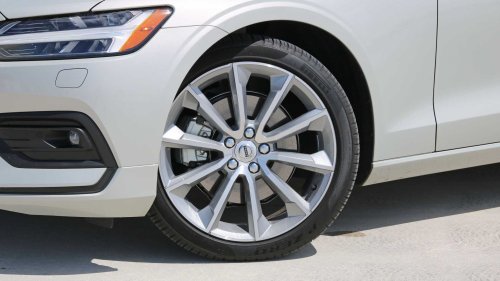
I paid for a wheel balance, but the highway vibration never went awayIt starts the same way every time: you merge onto the highway, settle in at about 60–75 mph, and then the steering wheel starts doing that faint-but-annoying shimmy. Not enough to feel dangerous, just enough to make you wonder if your car’s trying to communicate in Morse code. So you do the responsible thing and pay for a wheel balance, expecting sweet silence. And then… nothing changes. That’s the frustrating reality a lot of drivers run into: wheel balancing is a real fix for a real problem, but it’s not the only cause of a highway-speed vibration. Shops know this, but the quick default is often “balance the tires” because it’s common, it’s affordable, and sometimes it works instantly. When it doesn’t, you’re left feeling like you paid for a haircut and walked out with the same split ends. Why balancing sometimes doesn’t touch the vibration Wheel balance is about weight distribution. If a tire/wheel assembly has heavy spots, it can wobble as it spins, and that wobble shows up most noticeably at highway speeds. Adding small weights is supposed to cancel it out, kind of like putting a counterweight on a ceiling fan blade so it stops shaking the room. But if the vibration is coming from something that isn’t “a heavy spot,” balancing can be perfectly done and still not solve the issue. You can balance a wheel that’s slightly bent, a tire that’s out-of-round, or a wheel that isn’t centered correctly on the machine. The printout might look great, and your hands will still buzz at 70 mph. The biggest repeat offender: tires that aren’t round (even if they’re “balanced”) Here’s the sneaky one: a tire can be balanced and still be shaped a little wrong. That’s called radial force variation or simply “out-of-round,” and it creates a rhythmic thump or vibration that balancing weights can’t erase. It’s like rolling a basketball that’s slightly egg-shaped—no amount of tape on one side makes it roll perfectly smooth. This often shows up after a pothole hit, a curb kiss, or even from sitting too long in one spot (flat spotting). Sometimes it’s a tire quality issue, sometimes it’s wear, sometimes it’s just bad luck. The key clue is that the vibration feels more like a repeating pulse than a random shake, and it may change as the tires warm up. Bent wheels and “it looks fine to me” damage All it takes is one rough pothole to put a subtle bend in a rim. You won’t always see it while the wheel’s on the car, and you might not notice it on a quick glance when it’s off, either. But at speed, that small wobble can feel like your whole front end is arguing with the pavement. Balancing can sometimes “hide” a bend by compensating for it, but it can’t make the wheel spin truly straight. A shop that checks wheel runout—basically how much the wheel wobbles side-to-side or up-and-down—can spot this quickly. If you’ve got a vibration that refuses to quit, asking for a runout check is a smart next step. Loose, worn, or unhappy suspension parts Not all vibrations are tire-and-wheel problems. Worn tie rods, ball joints, control arm bushings, and even struts can let a wheel shimmy under load. You might feel it mainly on the highway, but it can also show up when braking or hitting small bumps. A good hint is whether the steering feels “tight” or a bit floaty. If the car wanders, needs constant correction, or clunks over rough roads, that’s not a balancing issue. That’s your suspension politely requesting attention, preferably before it escalates into a louder conversation. Alignment isn’t just about tire wear People think alignment only matters when tires wear funny, but alignment can absolutely influence vibration feel. If toe or camber is off, tires can develop uneven wear patterns—like cupping or scalloping—that create a droning vibration. Once that wear pattern exists, balancing may reduce it a little, but it can’t un-wear a tire. Sometimes the fix is alignment plus replacing (or rotating) the tires if the wear is already baked in. If you run your hand along the tread and it feels like little hills and valleys, that’s a clue. Smooth tires tend to roll quietly; lumpy tires tend to make themselves known. Brake rotors: the “only when braking” clue that people ignore If the vibration gets noticeably worse when braking from highway speeds, don’t blame the wheel balance first. That’s classic warped rotor or uneven rotor thickness territory, often felt as a pulsing brake pedal and a shimmy through the steering wheel. It can feel similar to a tire vibration, but the timing gives it away: it shows up when you’re on the brakes. Rotors don’t always warp from dramatic overheating, either. Sometimes it’s pad material transferring unevenly, sometimes it’s a stuck caliper, sometimes it’s just miles and heat cycles doing their thing. Either way, balancing won’t touch it, because the shake is being generated at the brakes. The balancing job itself can be the problem This is awkward, but it happens: a wheel balance can be done “technically” and still be wrong in the real world. If the wheel wasn’t mounted correctly on the balancer, or the wrong centering cone/adapter was used, the machine might balance it in a way that doesn’t match how it sits on your car. You drive away with a perfect balance… for a wheel that exists only on that machine. There’s also the matter of missing weights, dirty mounting surfaces, or incorrect weight placement. And if you have certain aftermarket wheels, they sometimes need a specific adapter (like a flange plate) to simulate the hub fit properly. A shop that does road-force balancing tends to catch these issues faster, because it measures how the assembly behaves under load, not just where it’s heavy. What to ask for when the vibration won’t quit If you’re going back to the shop, it helps to describe the vibration like you’re reviewing a movie. Tell them the speed range where it’s worst, whether it’s in the seat or the steering wheel, and whether braking changes it. Mention if it started after a pothole or tire swap—those details are gold. Then ask for a road-force balance (if available), a runout check for wheels and tires, and a quick inspection of suspension and steering components. If they find a tire with high road-force numbers or visible out-of-round, that tire may be the real culprit. If they find play in a tie rod or a bent rim, you’ve got your answer without buying three more “just in case” services. How to tell if it’s front, rear, or something else Steering wheel shake usually points to the front wheels, while a vibration you feel more in the seat or floor often points to the rear. That’s not a rule carved in stone, but it’s a helpful starting point. Another trick: rotate front and rear tires and see if the vibration changes location or intensity—if it does, the tires/wheels are strongly implicated. If the vibration is present at a specific engine RPM even when you’re not accelerating much, it could be drivetrain-related instead. Think CV axles, driveshaft issues, or mounts (especially in rear-wheel-drive or all-wheel-drive setups). That’s less common than tire and wheel causes, but it’s worth considering if the usual suspects check out. The frustrating part: you didn’t waste money, you just didn’t finish the story Paying for a wheel balance and still having a highway vibration feels like getting charged for an umbrella and still getting rained on. But balancing is often a legitimate first step, especially if the shop confirmed the wheels were out of balance. The problem is that vibrations can be layered: you can have a slightly unbalanced tire and a slightly bent wheel, and the balance only removes one layer of the shake. The good news is that persistent vibrations are usually diagnosable with the right checks. Road-force balancing, runout measurement, and a careful look at suspension and brakes solve the mystery more often than not. And once it’s fixed, that quiet highway cruise feels almost suspicious—like your car’s finally stopped trying to teach you percussion. More from Fast Lane Only Unboxing the WWII Jeep in a Crate 15 rare Chevys collectors are quietly buying 10 underrated V8s still worth hunting down Police notice this before you even roll window down The post I paid for a wheel balance, but the highway vibration never went away appeared first on FAST LANE ONLY.




















 +34 others