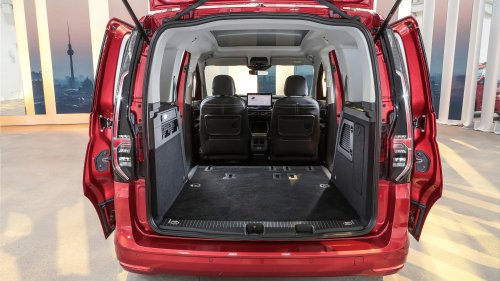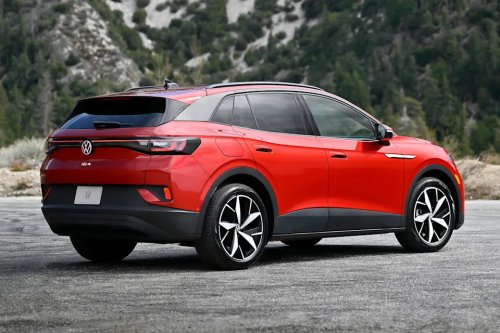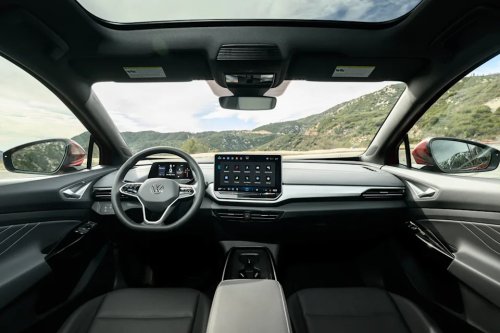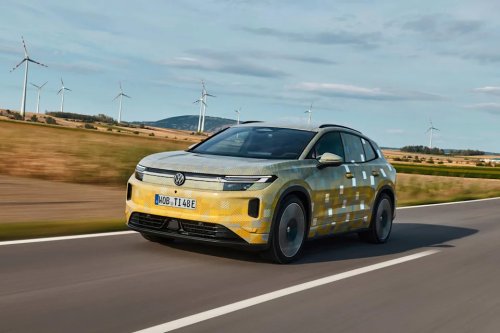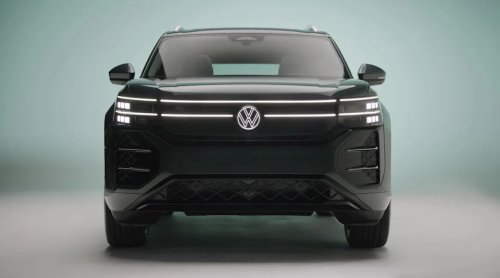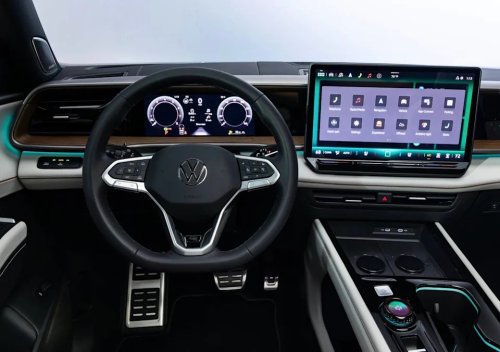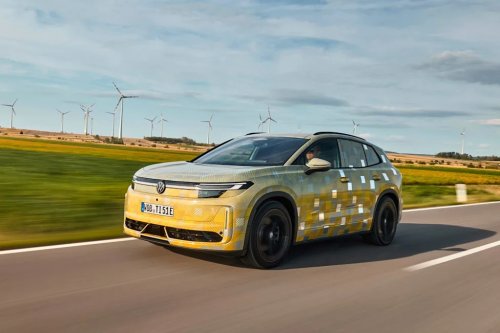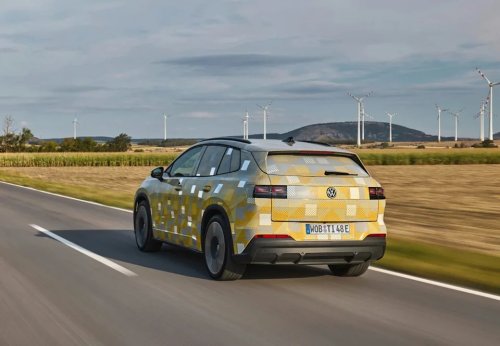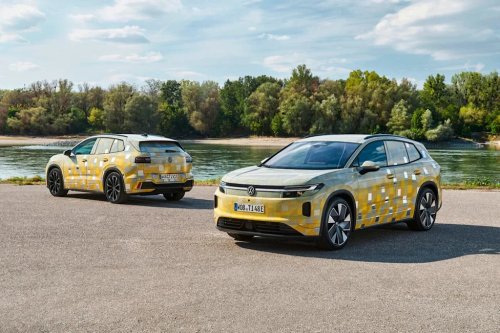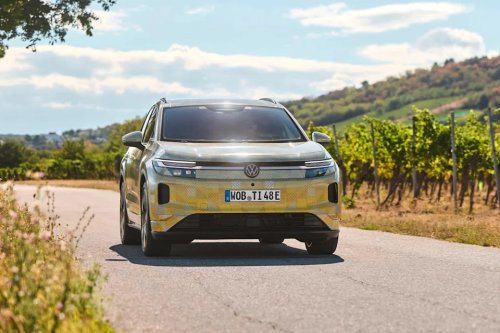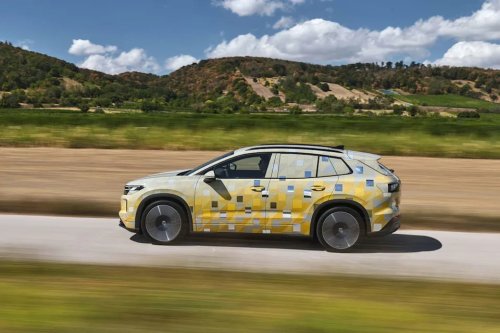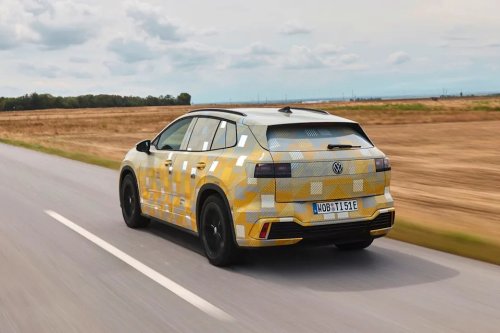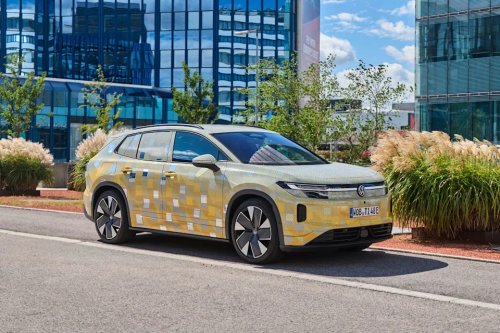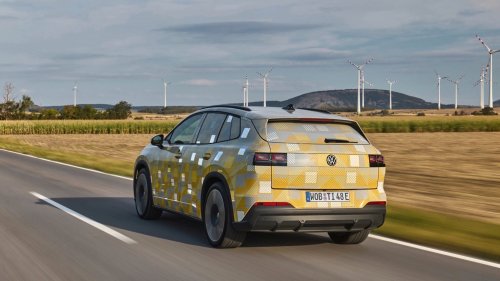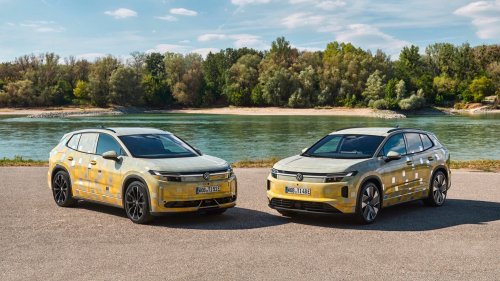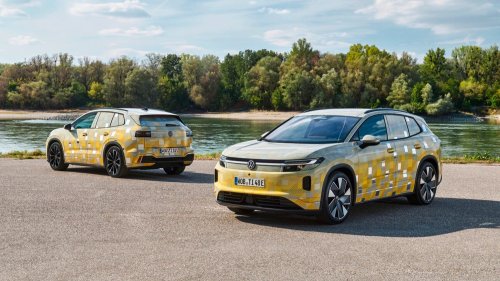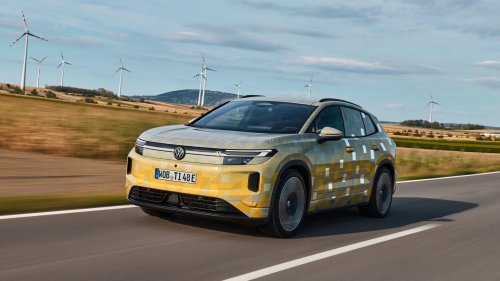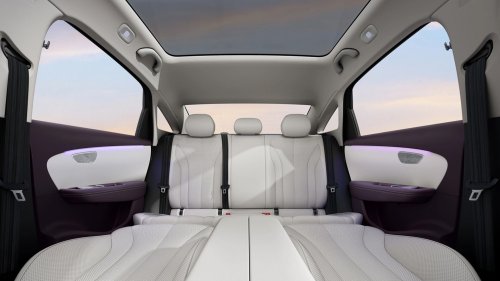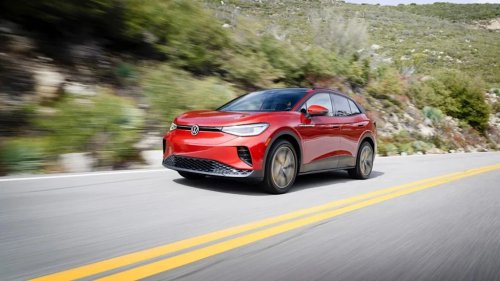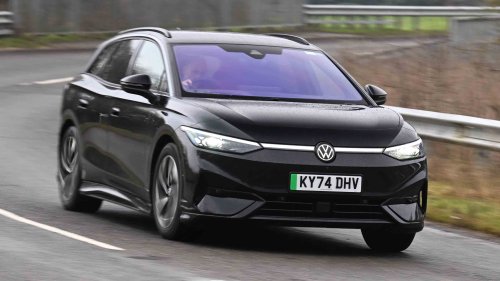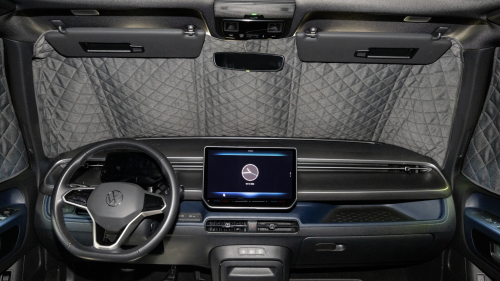
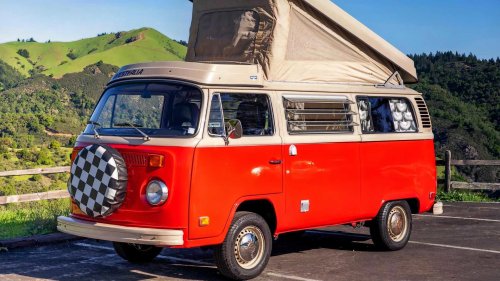
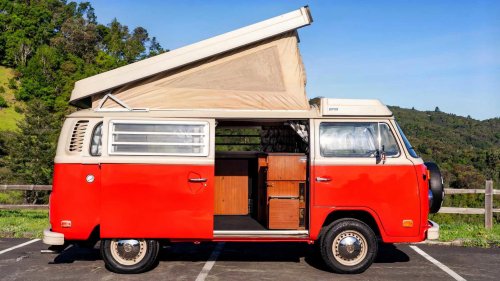
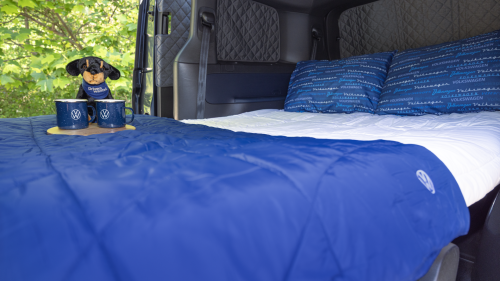
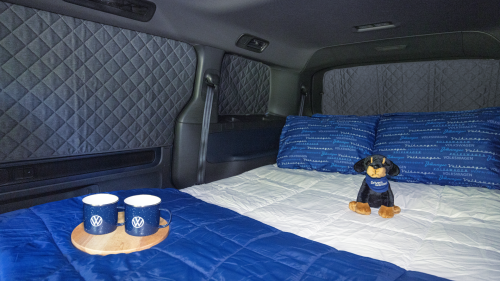


















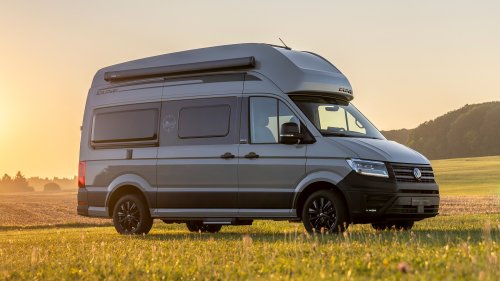
Volkswagen confirmed yesterday that a factory camper variant of the 2027 ID.Buzz is coming — a pop-top roof, sleeping platform, integrated kitchenette, and dedicated electrical system baked in from the factory rather than bolted on by a third-party converter. It is the most direct callback to the Westfalia-converted Type 2 that VW has attempted since the original camper program ended in the early 1990s, and it arrives at a moment when clean examples of those vintage vans are regularly clearing $80,000 at auction.The question the announcement immediately raises isn't about range or charging speeds. It's whether a modern, electrified, safety-certified factory product can carry the same cultural weight as a 1975 Bay Window Westy that smells faintly of propane and took two hours to set up camp. For collectors and van-lifers who have kept the Westfalia flame burning for decades, that's the only comparison that matters. What The 2027 ID.Buzz Camper Spec Actually Includes VolkswagenVW's announcement positions the ID.Buzz camper as a fully integrated package rather than a dealer-fitted accessory. The setup centers on a pop-top elevating roof—the single most iconic visual element of any Westfalia conversion—along with a rear sleeping platform, a compact kitchenette module with a small sink and cooking surface, and a dedicated auxiliary battery system to run the camper electrics independently of the main drive battery. Storage is built into the cabinetry rather than relying on the cargo floor, which is a meaningful departure from most modern camper conversions that treat a van's load area as an afterthought.VolkswagenThe ID.Buzz's underlying platform gives the camper version a meaningful practical advantage over any vintage Westy: the long-wheelbase five-door body, which VW introduced for the U.S. market, provides substantially more interior volume than the original Type 2's compact footprint. Pricing for the camper spec has not been confirmed at the time of writing, but the standard long-wheelbase ID.Buzz in the U.S. has been positioned above $60,000, which puts the camper variant in direct conversation—financially—with what a presentable original Westfalia now costs. What the Original Westfalia Type 2 Actually Was And Why It Still Commands $80K Bring a TrailerFrom the mid-1950s through 1991, Westfalia Werke in Rheda-Wiedenbrück, Germany, converted VW's Type 2 Transporter into camping-ready vehicles under an official arrangement with Volkswagen. The conversions evolved across three distinct body generations—the split-window (through 1967), the Bay Window (1968–1979), and the Vanagon (1980–1991)—and each era developed its own devoted following. The pop-top, the fold-out rock-and-roll bed, the two-burner propane stove, the small icebox, and the fold-away table became the template that every camper van has since been measured against.Bring a TrailerWhat drives the current auction market isn't nostalgia alone. A well-preserved late-1970s Bay Window Westfalia represents a genuinely usable piece of automotive history—one you can drive to a campsite, sleep in, and cook breakfast in, without requiring specialized knowledge or a restoration budget. Bring a Trailer and similar platforms have seen tidy examples in the $75,000–$90,000 range become routine, with exceptional low-mileage survivors occasionally pushing past $100,000. The simplicity is part of the appeal: a 2.0-liter air-cooled flat-four, mechanical fuel delivery, and a camper fit-out that any competent owner can repair with hand tools. Charm vs. Capability What The Electric Version Gains And Loses VolkswagenThe ID.Buzz camper wins on nearly every objective metric. It is quieter, faster, more powerful, dramatically safer, and — assuming VW's auxiliary battery integration is well-executed — more capable of running modern appliances without draining the drive battery. The pop-top is almost certainly more weathertight than a 50-year-old canvas lift. The kitchenette will be better insulated and easier to clean. None of that is in dispute.VolkswagenWhat the original Westfalia offered that no factory product can fully replicate is a specific kind of mechanical intimacy. Owners of vintage Type 2 campers tend to know their vans deeply—not because they wanted to, but because the vans demanded it. That relationship, inconvenient as it was, became part of the identity. The ID.Buzz, by contrast, is a sealed system: software-managed, dealer-serviced, and built to a standard that prioritizes reliability over repairability. For van-lifers who want to spend their weekends camping rather than adjusting valve clearances, that's an unambiguous improvement. For the collector who sees the Westfalia as a self-sufficient object, it's a fundamental shift in what the vehicle asks of its owner—and that gap is precisely why the originals keep appreciating.VW has clearly thought carefully about the visual and functional language of the Westfalia—the pop-top alone signals that the company understands what made the original iconic. Whether the 2027 ID.Buzz camper earns a place in van culture the way a 1978 Bay Window did will take years to know. What's certain is that the vintage market won't soften because of it. If anything, the announcement is likely to remind a new generation that the original exists—and send a few more buyers toward Bring a Trailer.