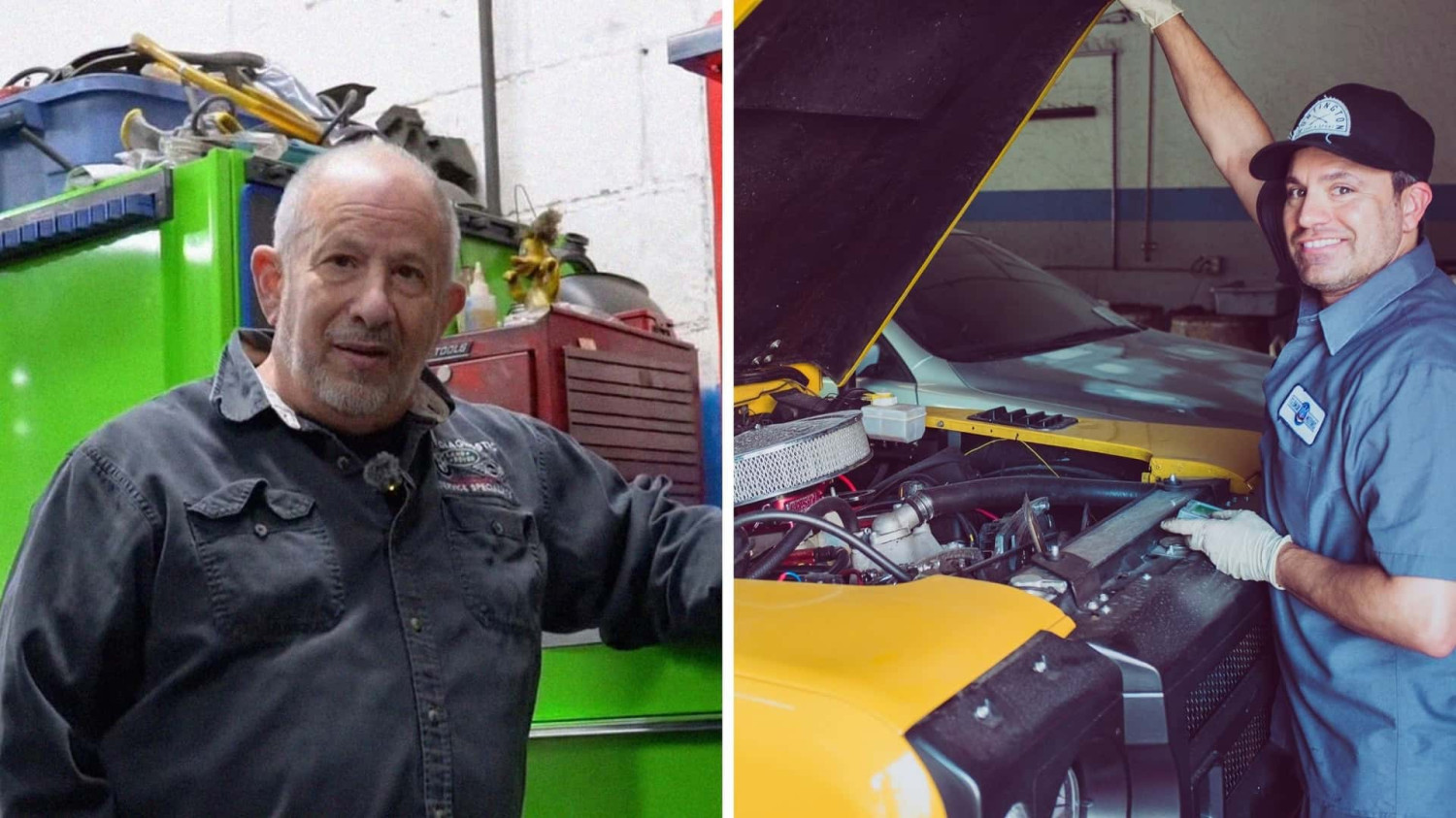
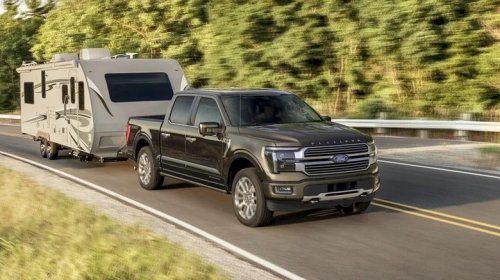
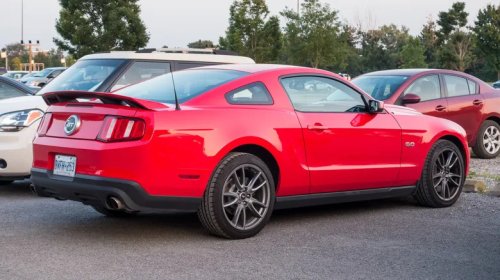
Potential EcoBoost engine swap optionsThere are several options when considering an EcoBoost swap. One potential route is the 2.3-liter EcoBoost engine, which you can find in cars like the Mustang and the Focus RS. The 2.3-liter is a powerful engine that can crank out up to 310 horsepower. It also has better fuel delivery than the 2.0-liter making it more suitable if you're looking to significantly improve your power output. It's a pretty versatile engine that would work well with a lot of car models, from compact cars to small trucks.If you're looking for something with a lot more power, another enticing option is the larger 3.5-liter EcoBoost V6 engine. The "Cyclone" is commonly found in cars like the F-150 and the Explorer. With six cylinders, it pushes out up to 400 horsepower stock, and can be modified to output close to 600 horsepower. This is a great option if you're looking for all the performance you can get.An EcoBoost swap is a pretty involved project to embark on, but if you're an enthusiast, it's worth considering. There is a wide range of options to choose from, so it shouldn't be hard to find the right engine for your swap. An added bonus that comes with it is the fact that aftermarket support and the availability of parts is virtually endless.Skills and tools requiredAn engine swap requires a pretty high level of mechanical expertise. This is especially so if you're swapping in a different variant of the EcoBoost than what is in your car or if your car didn't originally come with an EcoBoost engine.Whether you choose to do it yourself or hand it over to a professional, whoever is tackling the swap will need to be familiar with the ins and outs of engine removal, installation, and motor engine modification. If you're fitting in an engine that wasn't designed for your vehicle, you'll need to make changes to the existing hardware like harnesses and mounts, so being proficient in fabrication, welding, cutting, and metal modification is important. It also helps to be great at problem-solving. During a swap like this, a lot of unexpected issues will pop up that will require you to be patient and resourceful enough to address themAs for the tools you'll need, outside the run-of-the-mill mechanical tools, you'll need some specialized equipment that may include an engine stand, an engine hoist, and tuning and diagnostic software. The exact tools that you'll need will depend on the exact swap you're undertaking.DIY versus professional installationThe decision to tackle this swap yourself or hire a professional will depend on your skill level and what tools, parts, or other resources are available to you. To handle the swap yourself, you should have really good mechanic skills. You should also have a good understanding of how engine swaps work and it would help to have some experience with EcoBoost engines in particular. Do some research and gauge the complexity of the potential swap. Doing it yourself means you could save a lot of money, letting you focus on the costs of parts, tools, and equipment. However, if it's something that you're not confident you'll be able to handle, it might be best to let a professional handle it.Labor costs will definitely take up the majority of your budget if you choose to go down the professional installation route. However, the upside is that you can be rest assured that the swap will be done properly, as long as you go with a skilled and reputable mechanic. Additionally, if something goes wrong during or after the installation, the mechanic will likely bear the cost of repair or reinstallation. If you happen to make mistakes when doing it yourself, you would probably end up spending even more to rectify them, and you run the risk of damaging the car or the engine.






















 +25 others