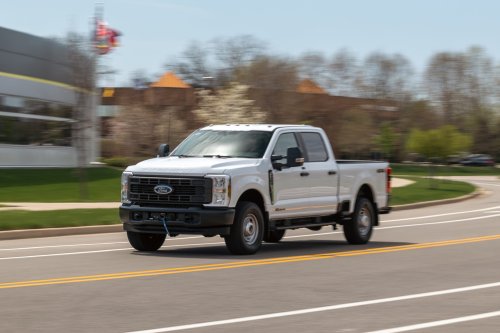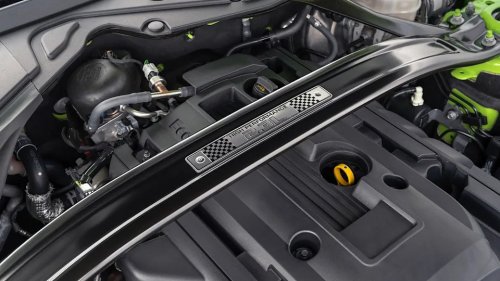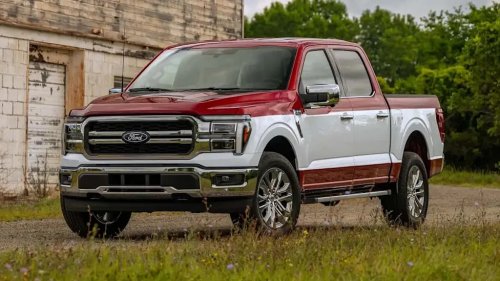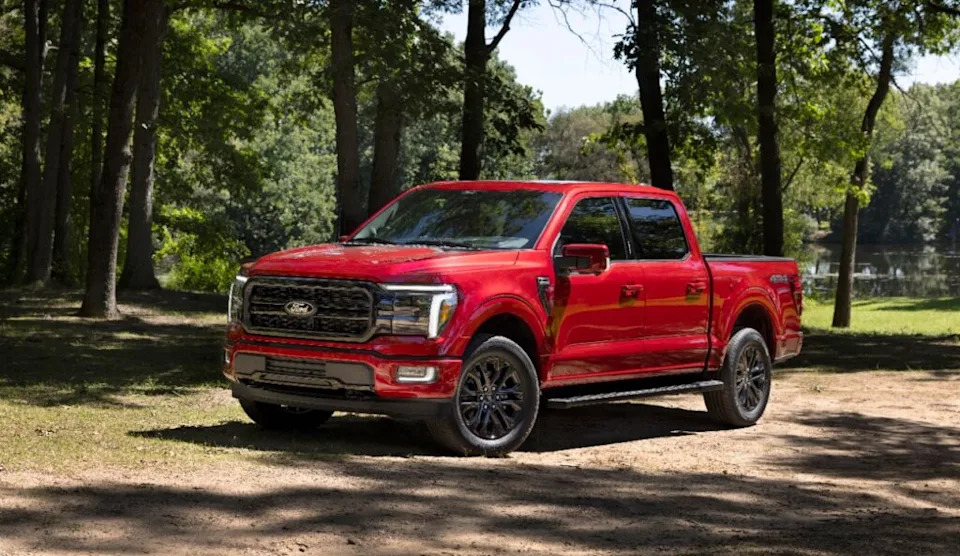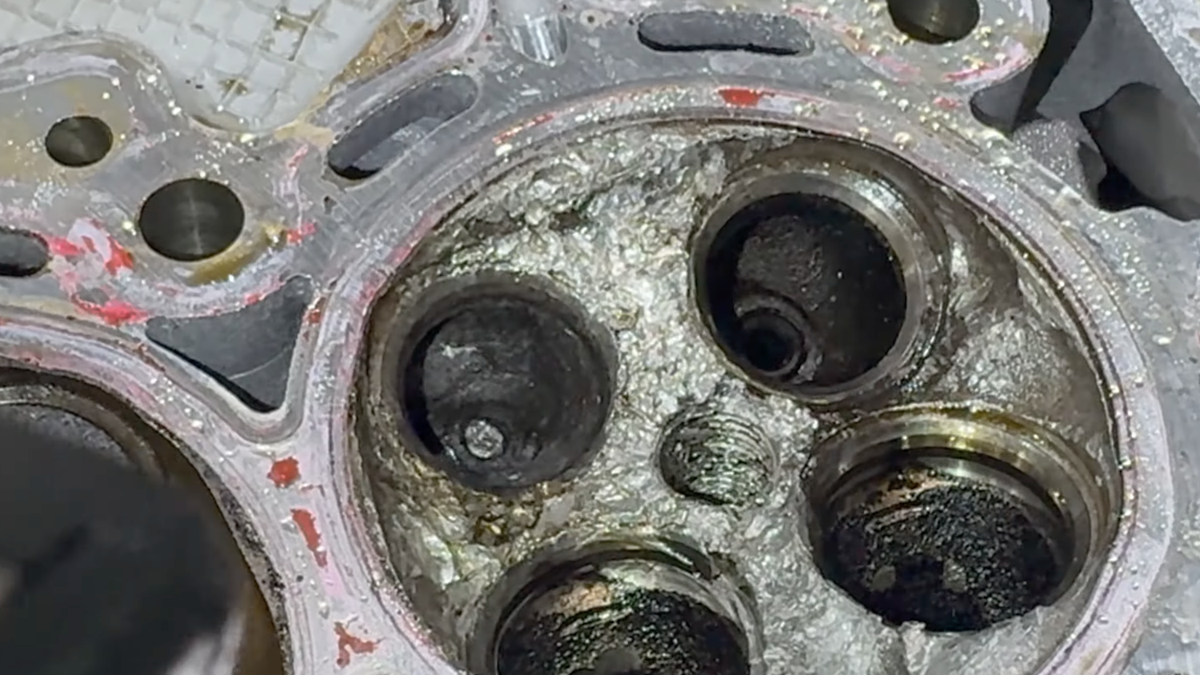




















When Maintenance Isn’t the ProblemThe 2.7-liter EcoBoost V6 doesn’t have a flawless track record. It’s seen as one of Ford’s sturdier modern turbo engines, but, like most small-displacement turbos, it brings its own set of quirks.The standard advice still stands: keep up with maintenance, and you’ll probably steer clear of major problems. Regular oil changes and proper servicing usually pay off. But what if you follow the book and the engine still fails?That’s exactly what happened with this 2022 Ford F-150 running the 2.7-liter EcoBoost, recently torn down by I Do Cars. The owner changed the oil every 6,500 to 7,500 miles – well ahead of Ford’s 10,000-mile interval. Dealer records confirmed the routine, and the engine’s internals reflected that level of care.Even so, the engine catastrophically failed at just 110,000 miles.Clean on Top, Catastrophe BelowInitial inspection didn’t reveal anything out of the ordinary. The valvetrain was clean, with little varnish and no evidence of oil starvation. Timing components looked good, and overall, it matched what you’d expect from an engine that’s been given a proper TLC.That first impression changed quickly. Once the spark plugs were removed, it was clear that one cylinder was essentially gone, with metal fragments stuck to the plugs. The rest were wet and fouled, pointing to a tough final run before the engine gave out.Digging deeper, one turbocharger was loaded with metal debris, and the oil filter was packed with shavings. The oil system had been moving fragments around, but that looked more like a result than the root cause.The real trouble was further inside. One piston was completely destroyed, leaving fragments scattered in the oil pan. Pieces of connecting rod, piston rings, and bits of the aluminum block turned the bottom end into a collection of broken parts. The block itself had serious internal damage, with cracks and punctures throughout.The cylinder head told the rest of the story. One bank had a burnt exhaust valve with heavy seat damage, while the other was missing an exhaust valve altogether. The Likely CauseThe evidence points to a combustion issue, not a lubrication problem. Bearings and journals were still in good shape, so oil starvation wasn’t to blame.Instead, the evidence suggests that the exhaust valve overheated, weakened, and finally failed. Once it broke apart and entered the combustion chamber, the rest of the damage happened fast.Interestingly, Ford has issued a recall for certain EcoBoost engines due to brittle intake valves, including some models equipped with the 2.7-liter unit (which led to a weird lawsuit). However, this particular failure involved exhaust valves, which fall outside the scope of that recall.That doesn’t mean the two issues are connected, but it does raise questions about valve durability in these engines. Add in known concerns with fueling, injectors, and combustion, and the long-term reliability picture gets more complicated.There’s no single answer here. Bad fuel, a weak injector, or a one-off part failure could all be to blame. The main takeaway: even with careful maintenance, some engines can still fail.