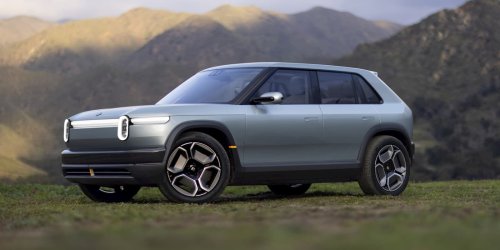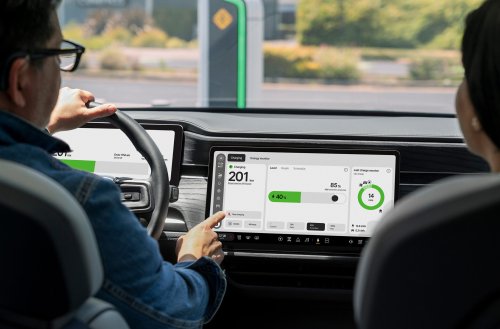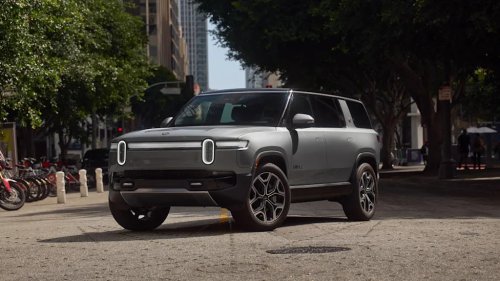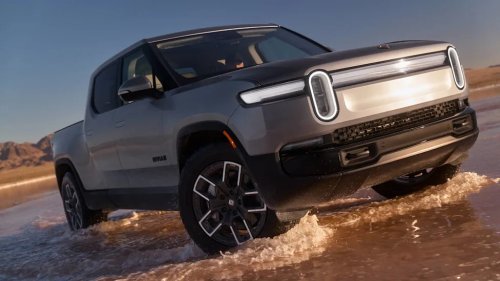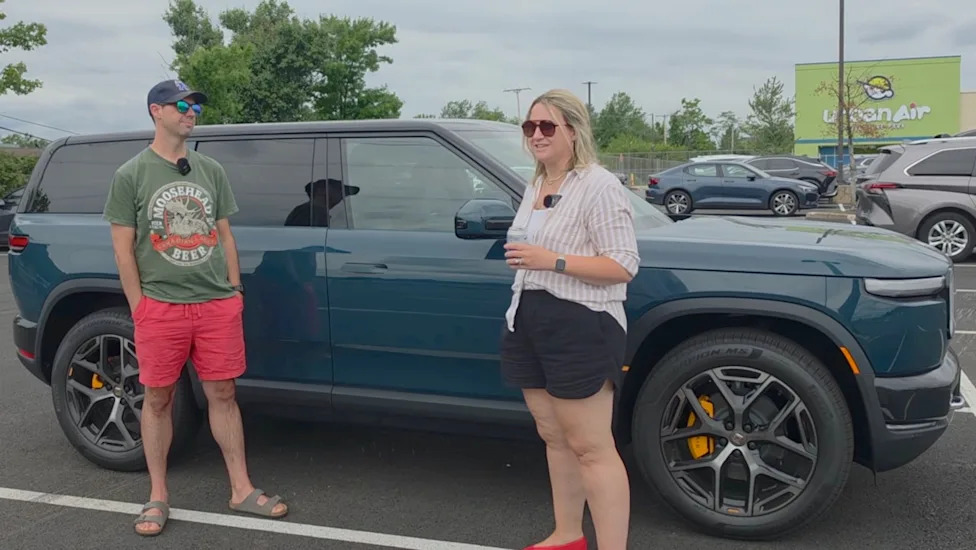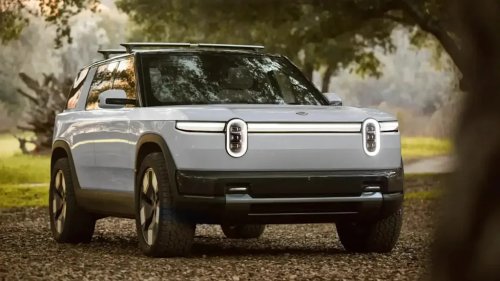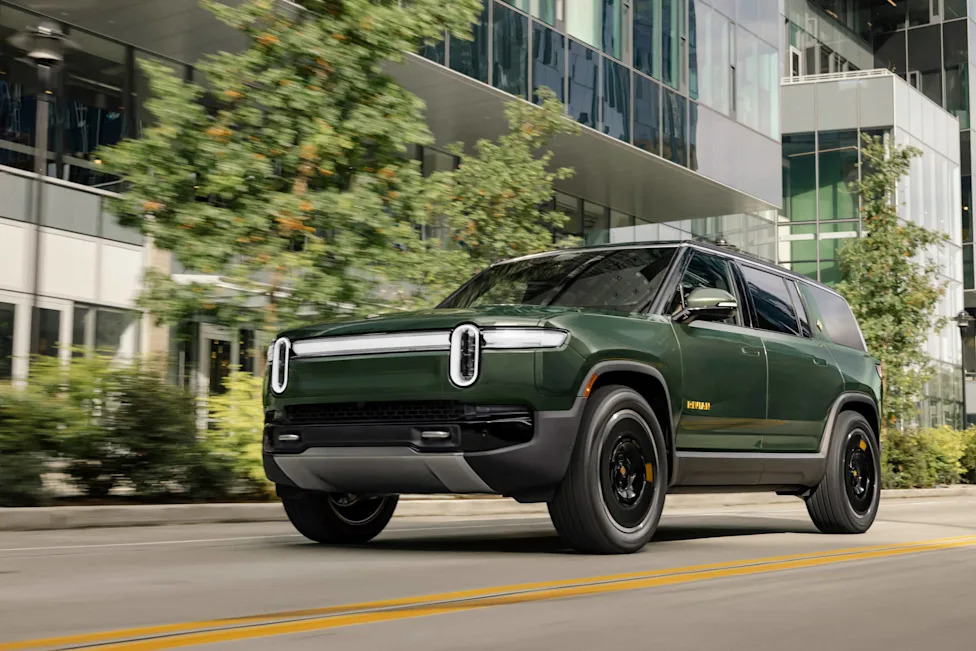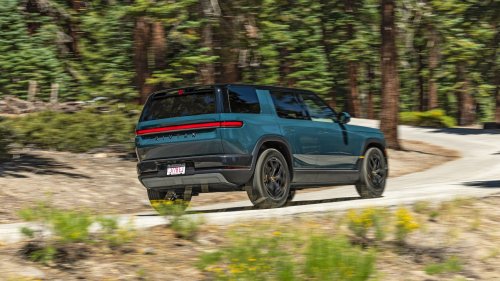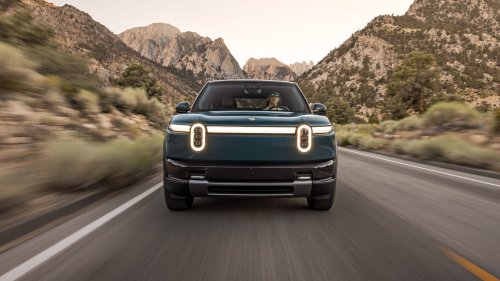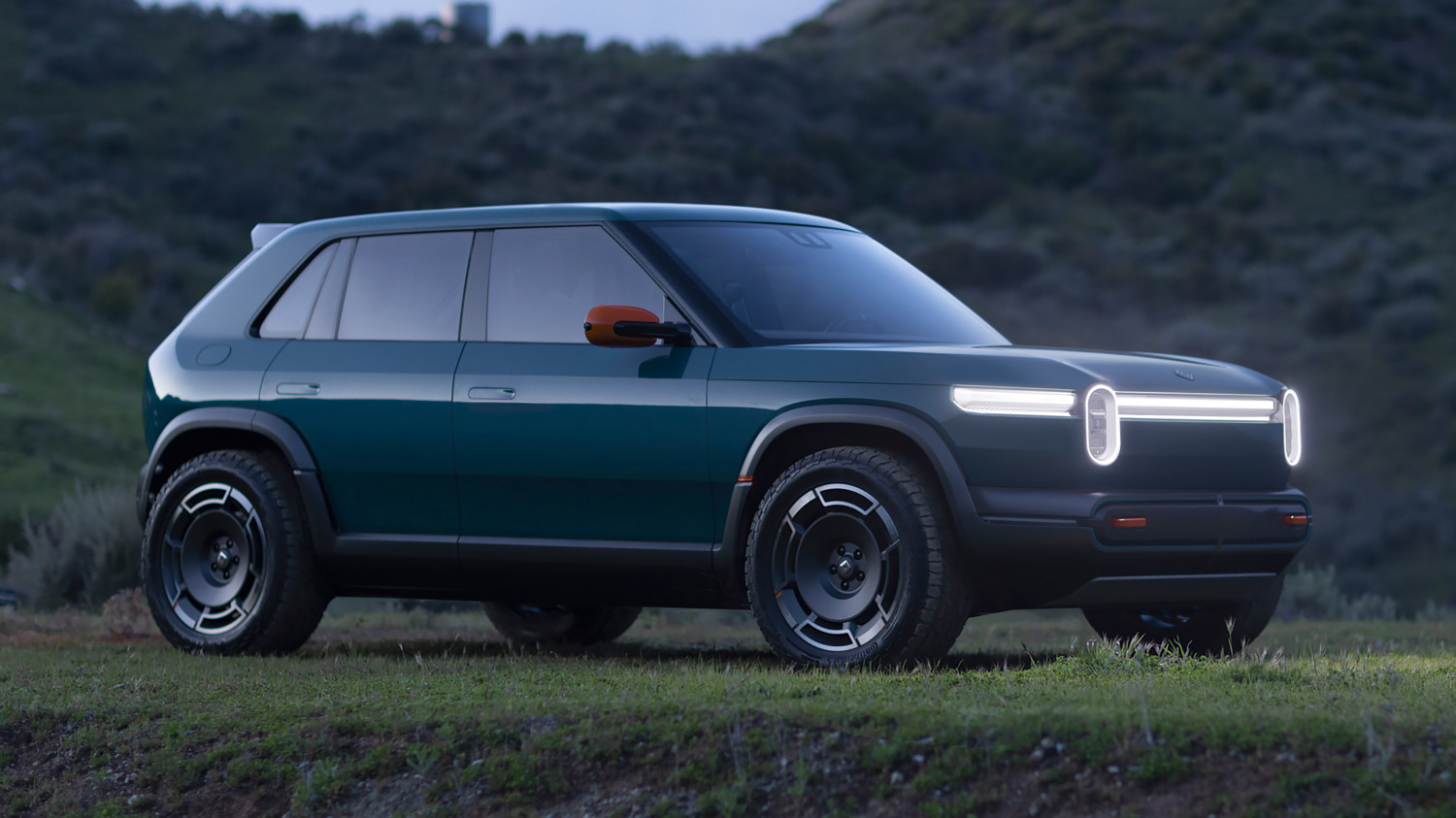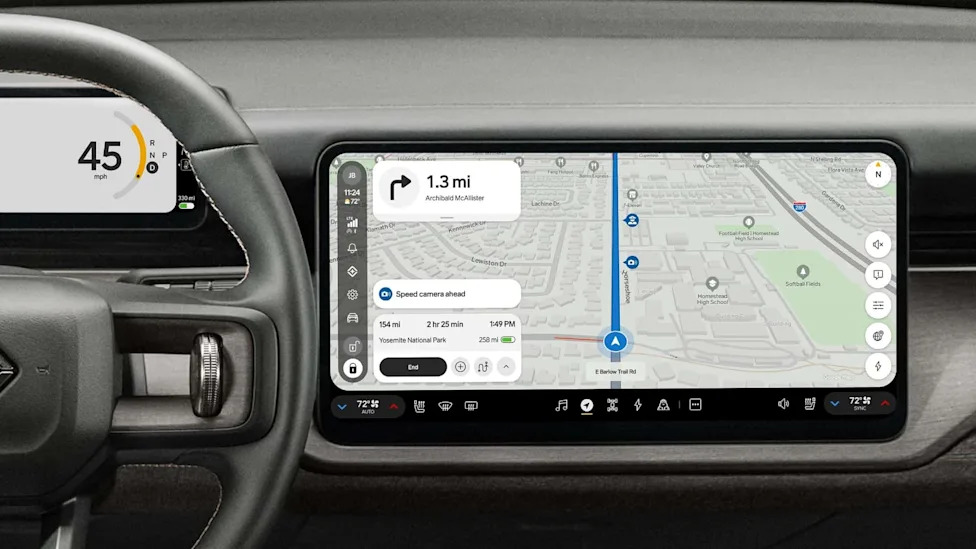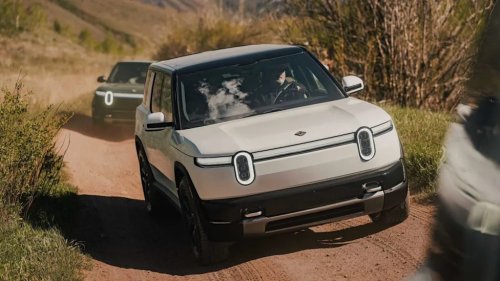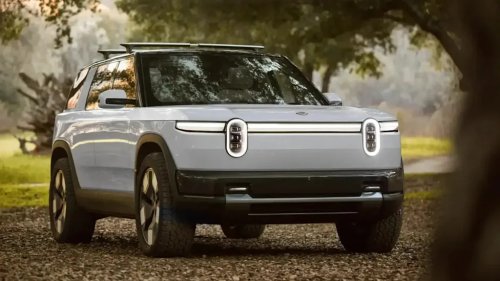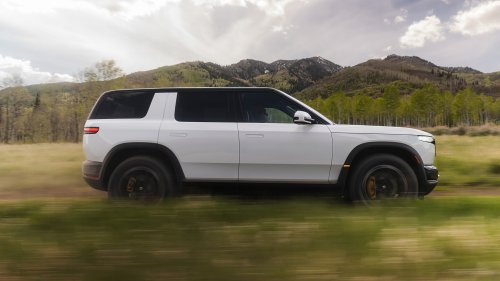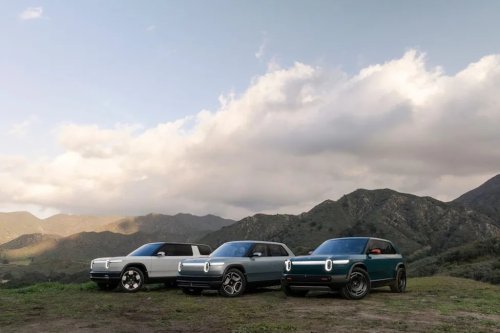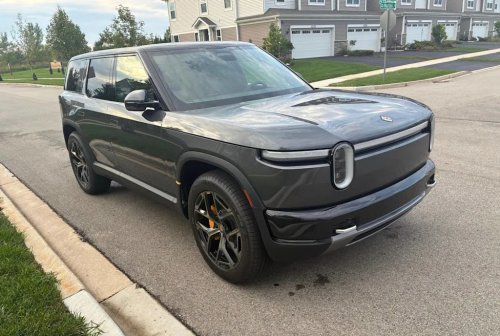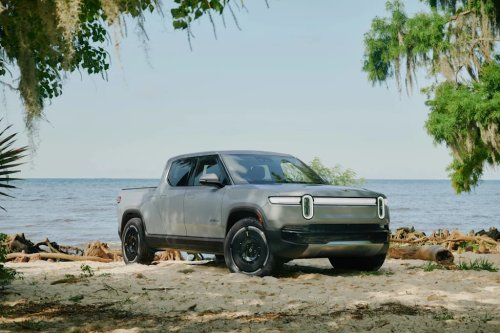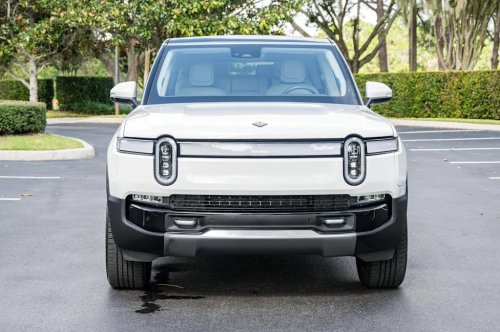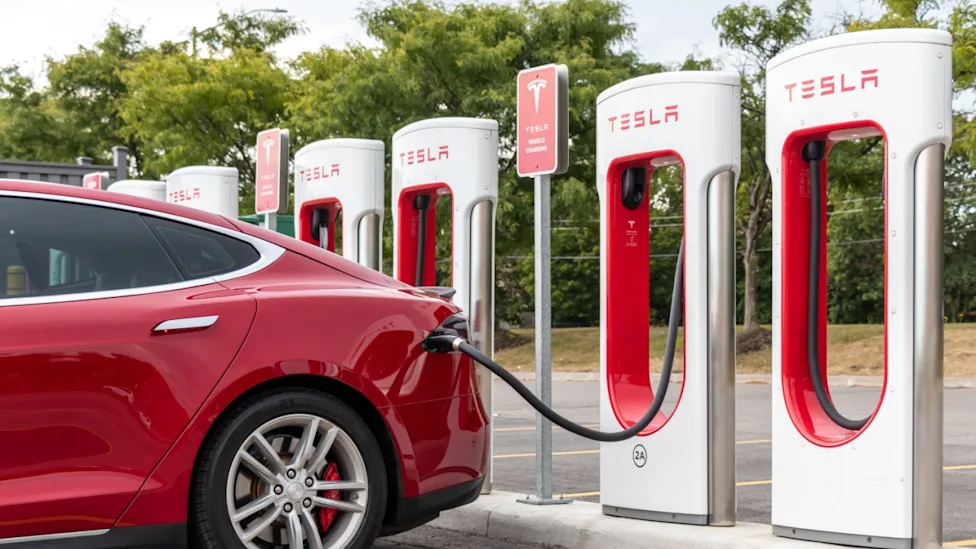



















Image Credit: The Bold Bureau at Shutterstock.Tesla’s Supercharger network has spent years shaping the public perception of EV road trips in America. This week, a viral post from a Rivian owner on the Florida Turnpike showed why many drivers still believe no other charging ecosystem comes close.The incident involved several stranded EV owners, multiple dead CCS chargers, and one Rivian driver carrying spare NACS adapters to help complete strangers continue their journeys. For many EV advocates, the clip captured the current state of America’s charging divide in under 40 seconds.The video was posted Saturday by Isaiah, the creator behind the Rivian enthusiast account X handle “RivianUpdates.” He was traveling through Florida on his way to a viewing event for the upcoming Rivian R2 crossover when he stopped to charge along the Turnpike corridor.AdvertisementAdvertisementInstead of plugging in and continuing south toward Miami, he encountered a problem that many non-Tesla EV drivers know all too well. Every EVConnect CCS1 charger at the site appeared to be down.Dead CCS Chargers Leave Drivers ScramblingImage Credit: Summit Art Creations / ShutterstockAccording to the post, the charging stop had Tesla Superchargers operating normally nearby, but the non-Tesla public charging hardware was effectively unusable. That became a serious issue because several vehicles at the station relied on CCS1 charging access.Isaiah said there were “zero reliable CCS1 options” within more than 40 miles of the location. On a busy highway corridor carrying enormous traffic volumes through Florida, that turned a standard charging stop into a logistical headache for multiple drivers.The video shows him standing near the chargers while pointing out the failed EVConnect units. In the background are functioning Tesla Superchargers, which ultimately became the only workable solution for several stranded EV owners.AdvertisementAdvertisementOne nearby Hyundai Ioniq 5 driver could not access a functioning CCS charger. Isaiah loaned the driver his spare NACS adapter so the Hyundai could charge using Tesla’s network instead.He also assisted the owner of a Mercedes-Benz EQE who needed Supercharger access. An additional Kia EV9 in the area reportedly abandoned the CCS chargers and moved over to Tesla hardware as well.The Adapter Era Is Changing EV TravelThe story highlights one of the biggest shifts currently happening in the American EV market. Automakers that once relied exclusively on CCS charging are increasingly adopting Tesla’s NACS standard because of the Supercharger network’s reliability and reach.For years, Tesla owners enjoyed a charging experience that many competing EV drivers viewed with envy. While third-party charging providers expanded aggressively across the country, many stations developed reputations for broken hardware, failed payment systems, inconsistent charging speeds, or chargers that simply would not initiate a session.AdvertisementAdvertisementThat gap has pushed automakers toward partnerships with Tesla. Rivian, Hyundai Motor Company, Kia, and Mercedes-Benz are among the brands transitioning toward NACS compatibility.For drivers already carrying adapters, Tesla’s network can now function as a safety net when CCS infrastructure fails. Isaiah’s post showed exactly how valuable that backup option has become during real-world travel.Ironically, the Rivian owner helping others continue their trips was himself delayed getting to Rivian’s own R2 event because he spent time assisting stranded drivers. The reaction online was immediate because the scenario felt familiar to many EV owners. Replies to the post were filled with stories from drivers who encountered unreliable CCS stations during road trips.Why This Video Struck a NervePublic charging is still a joke.I’m off the Florida Turnpike where millions of cars pass through, and every single @EVConnect charger here is broken. Zero options for CCS1 cars for more than 40 miles.Ended up lending my spare NACS adapter to a seemingly stranded Ioniq 5… pic.twitter.com/kNcVDFMZyU— Isaiah’s Rivian Updates (@RivianUpdates) May 16, 2026Many commenters argued that Tesla’s charging infrastructure remains the benchmark for dependability in the United States. Others said the clip demonstrated why public confidence in non-Tesla EV travel still has hurdles to overcome despite rapid EV adoption growth.AdvertisementAdvertisementThe discussion also underscored a larger industry concern. EV sales continue rising, but charger uptime remains one of the most important factors affecting mainstream acceptance.A broken gas pump at a highway station is usually an inconvenience because several others are available nearby. A failed EV charging site in a low-density corridor can potentially strand drivers for hours or force major detours.In this case, the solution came from interoperability, adapters, and one Rivian owner willing to help strangers charge their vehicles. For many viewers, that combination summed up both the promise and the growing pains of America’s EV transition in 2026.If you want more stories like this, follow Guessing Headlights on Yahoo so you don’t miss what’s coming next.