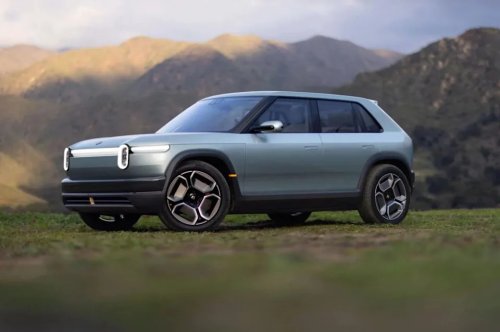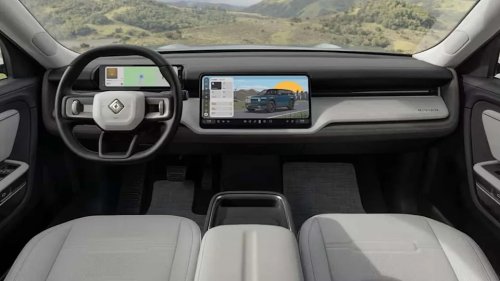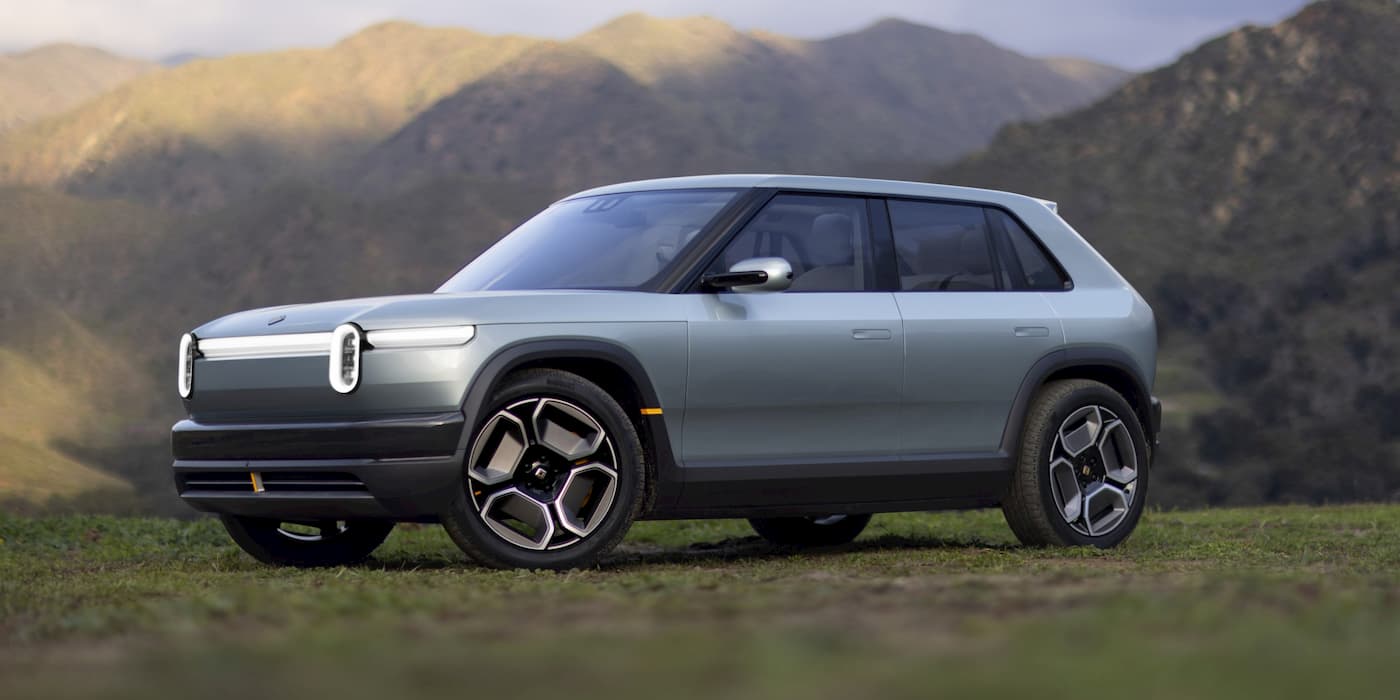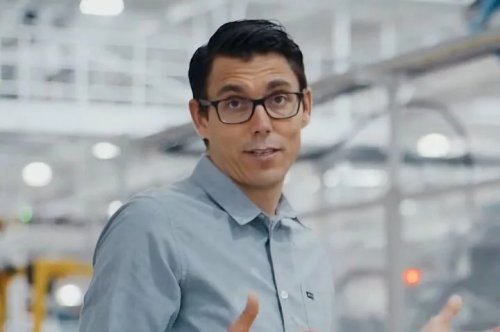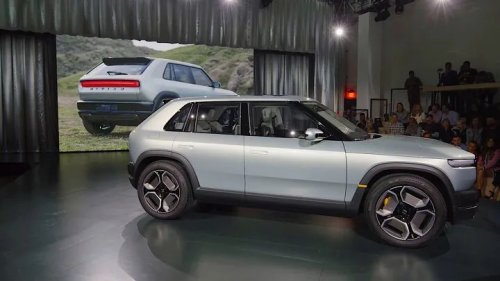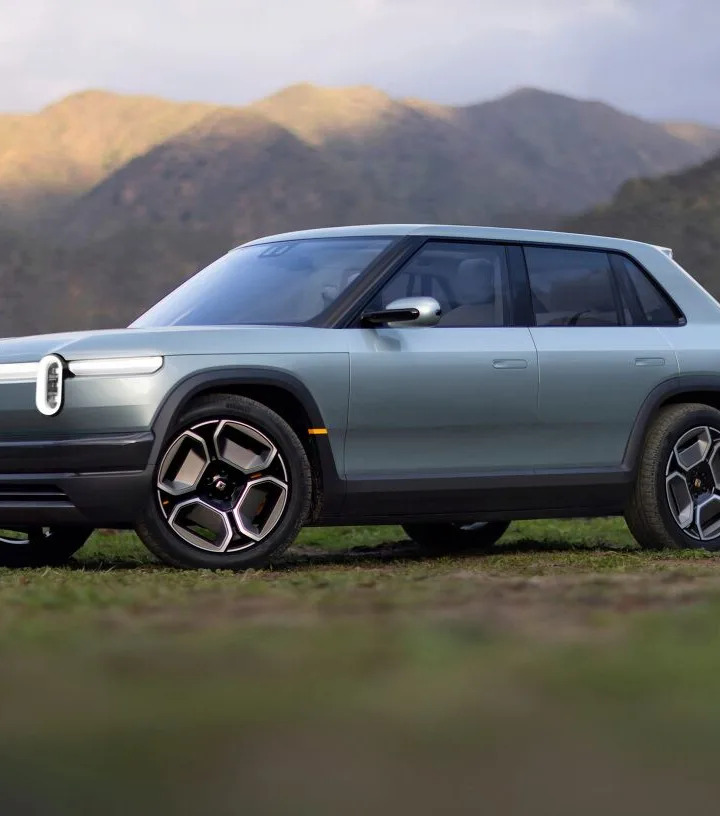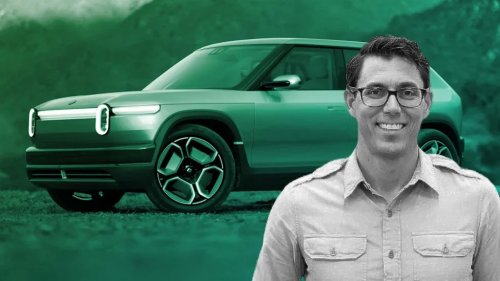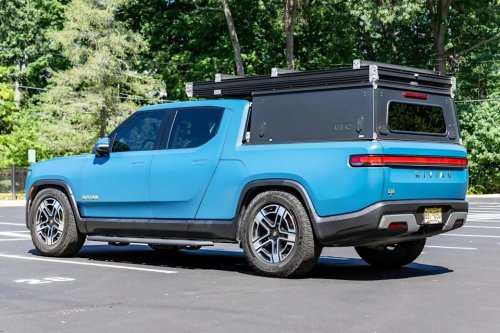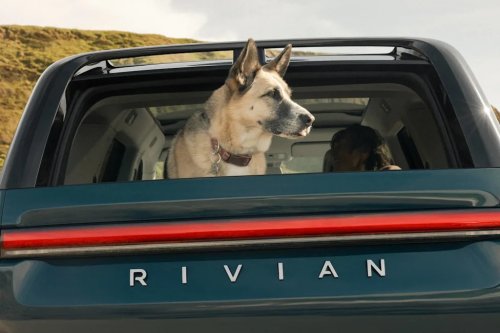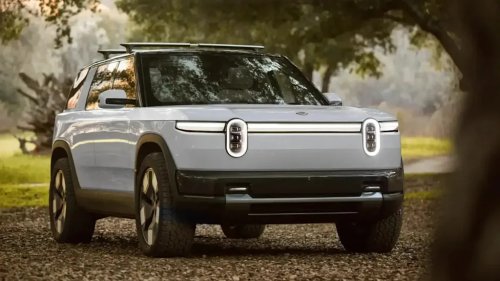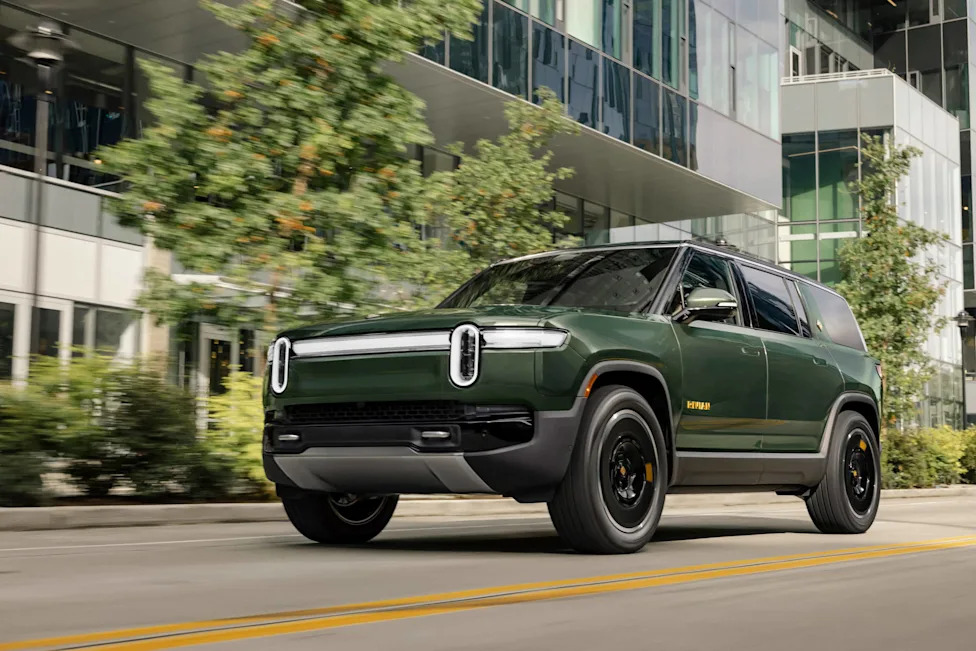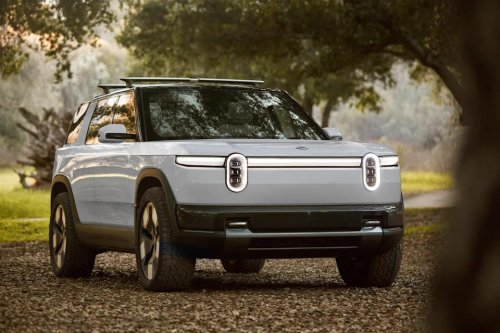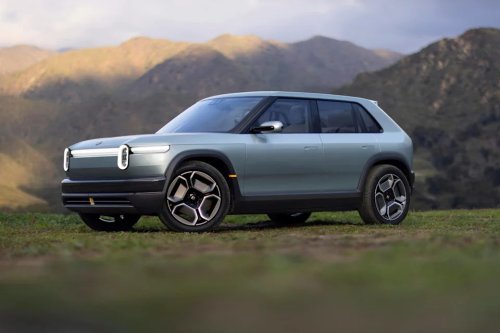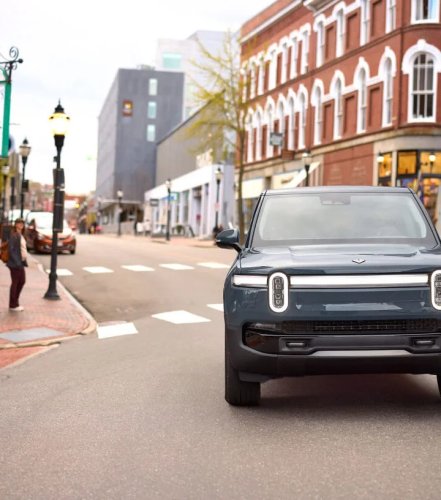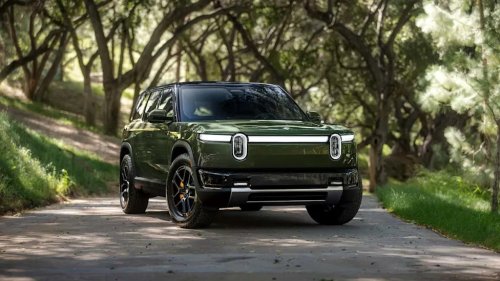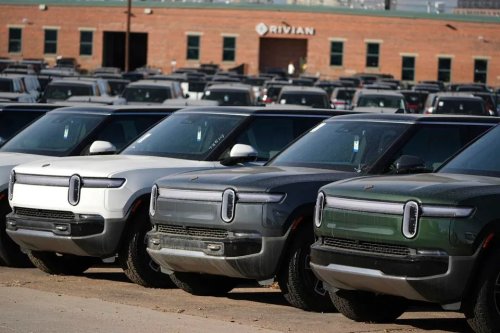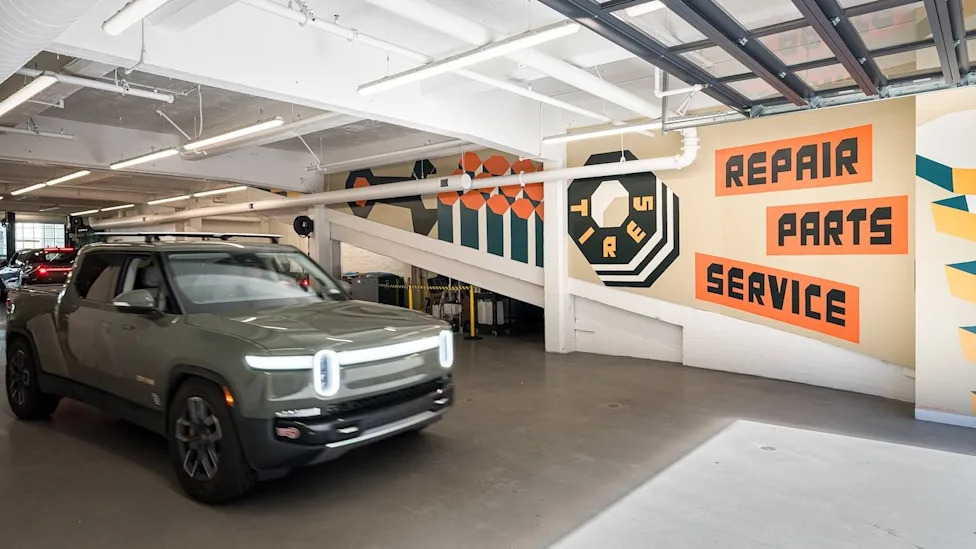


















Rivian Service HeroKey TakeawaysRivian slashes service wait times. CEO RJ Scaringe confirms service times are now hours for critical issues and days for non-critical ones. Past service challenges acknowledged. Scaringe admits initial delays were due to underdeveloped infrastructure. Mass-market R2 launch demands readiness. The R2's lower price targets a broader audience, necessitating efficient service. Community feedback shows improvement. Online forums reflect better service experiences as Rivian scales up. Bottom line: Rivian has revamped its service operations to drastically reduce wait times, preparing for the mass-market launch of the R2. ✦AI assisted, editor reviewedAdvertisementAdvertisementRivian believes it's ready for the masses, and not just because it has a less expensive offering in the lineup now. The automaker's overhauled its entire operations from service to production to get R2 off the ground and into the mass-market arena without a hitch, according to the automaker's CEO.In Park City, Utah, Rivian Founder and CEO RJ Scaringe in an exclusive interview on The Drivecast said with the launch of the mass-market R2 the team has worked service times down to hours for critical items, like if a car is inoperable, and to a couple of days for non-critical items.Listen to the entire conversation starting at the moment Scaringe addresses service, wait times, and how the team's handling things now below.Scaringe was up front that service was an issue in the early days of Rivian. "Yeah, the service challenges are—this is a really important topic. And Rivian, when we first launched in '21, we didn't have a lot of our service infrastructure built. And so we were building it as we were scaling, and we absolutely fell behind in a number of key markets, and a number of markets just had more volume than we had anticipated. And so that it overwhelmed the service infrastructure," Scaringe said.AdvertisementAdvertisementPopping up a service center isn't as easy, or as quick, as armchair critics might think. "Building service infrastructure, it's not as if you sort of say, 'Oh, I want to add another service station in Seattle, let's add it next week.' It's it's a pretty long process. You have to identify a site, you have to build the site, you have to get permitting. You know, so it can take anywhere from 9 to 18 months depending on the location, depending on the permitting process," Scaringe said.Early on it was a problem. Scaringe said, "We got to a point where in a few of our markets, there were lead times for non-critical items. Let's say, like something that was broken but the vehicle was still fully operable, or something that was rattling, or something along those lines, where it would be, 40, in some cases, 50 days. So you'd say I'd like my car serviced, and they'd say, 'Yeah, we'll get it in a month and a half.' That was really critical for us just as a brand to work that down, get that from tens of days down to at most a couple of days."Now, today? Scaringe said the team's ready. "We've done that across all of our locations today, but it's taken us some time. But a key goal for launching R2 is to have our service network ready where we have wait times for non-critical, critical items, like if a vehicle is inoperable, it's within hours. That's just how we built the system. But non-critical items we want to have within a couple of days."History is fresh and easy to find across the Internet. Scaringe knows this truth and said, "If you go scour Reddit or you go scour social media, there's a lot of hysteresis of past experiences, like, not surprisingly, because we're such a young company. You know, that would have, if you think of other companies, if you were to imagine like what Toyota's service looked like in the 1960s, you probably had some similar dynamics. It's just that wasn't captured, and it was such a—it was like, you know— It was a long time ago. So you don't see those growing pains because they've already happened. So I think what I'm happy to see though is you are starting to see on a lot of those forums folks say, 'Boy, my service was terrible in 2023. I had a wait for a month and a half. It was this, this, and this went wrong.' And then you'll see somebody come back on and say, 'Well, I went to that same service location. It worked out much, much better.' And so you're starting to see even the community recognize that we're improving in service. But it's a huge focus for us."AdvertisementAdvertisementThe R2, being a mass-market vehicle at a lower price point of $45,000 to $60,000, will be bought by a different demographic than the more expensive R1S and R1T. Scaringe said, "With the R2, it's a mass-market vehicle. So, unlike R1 where in many cases, it's a second or third or maybe fourth vehicle, R2 could be your primary vehicle or it may be one of two vehicles. And so your willingness to have the vehicle out for service or to have an issue like that for extended periods of time is much lower."Whether Rivian's service network will be able to withstand the sudden influx of vehicles and keep wait times to within hours or days is about to be put to the test.Got a tip about an experience with an automaker? Send us a line at tips@thedrive.com