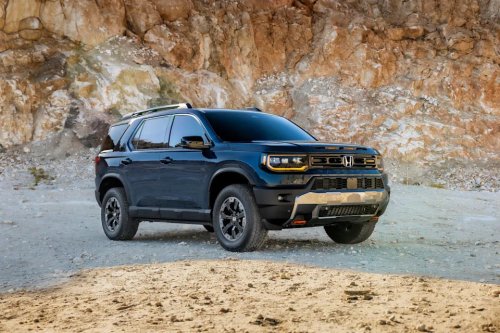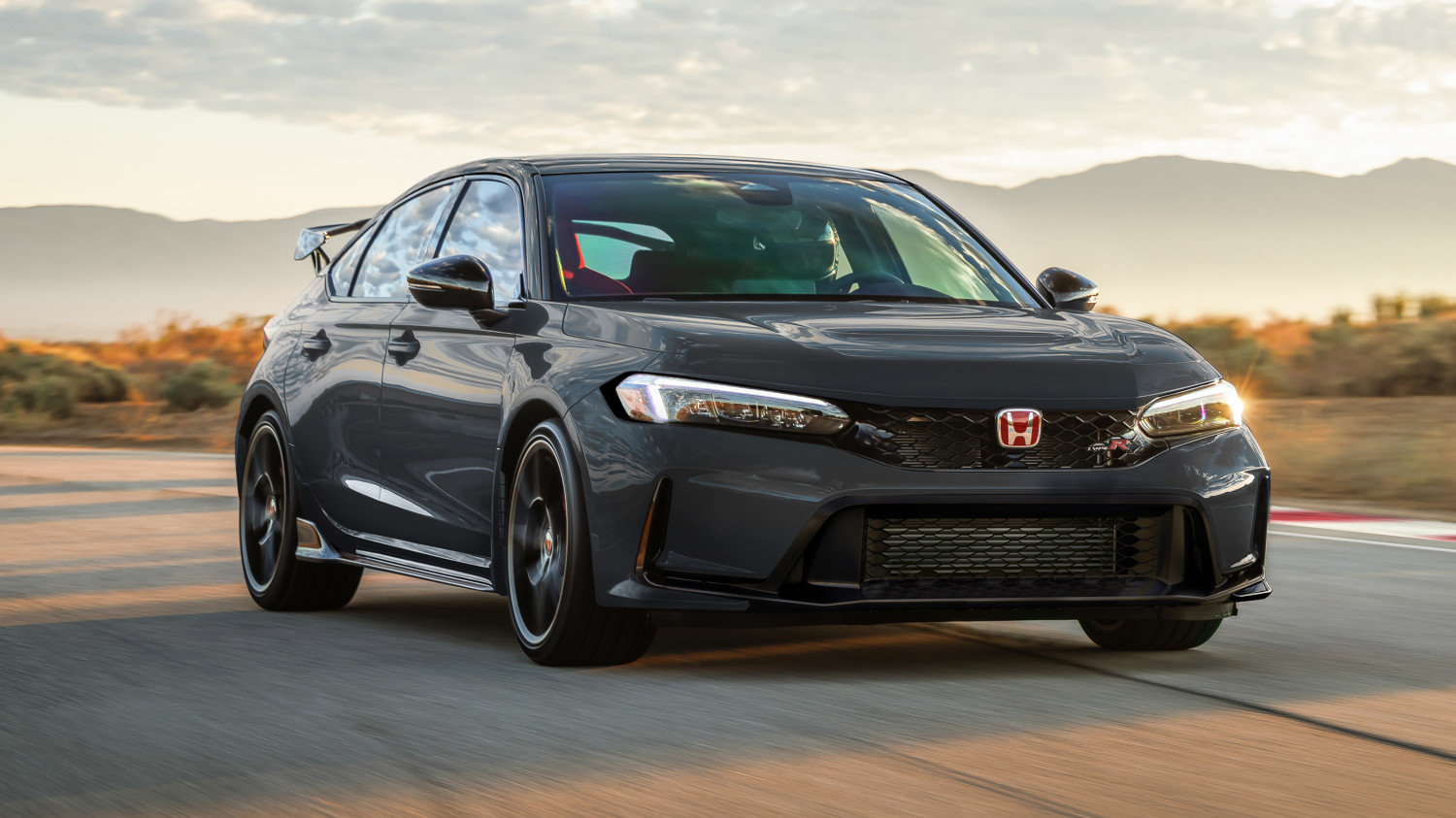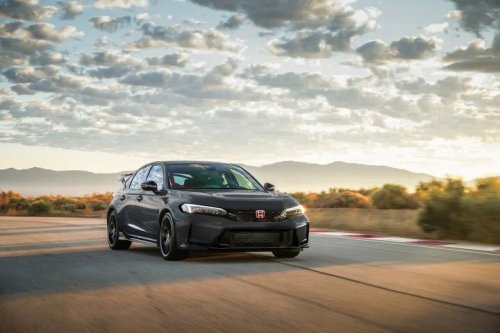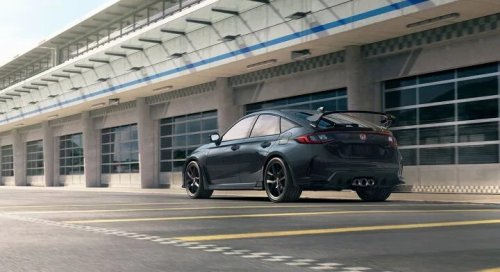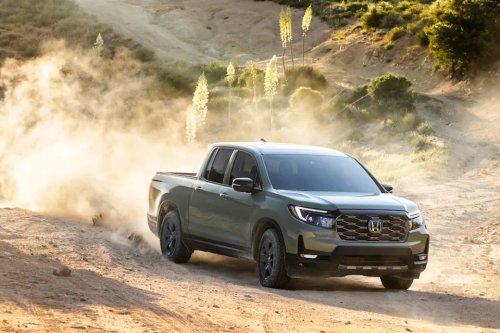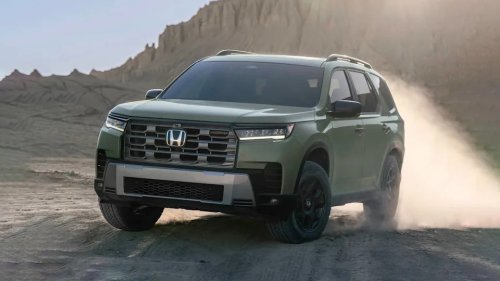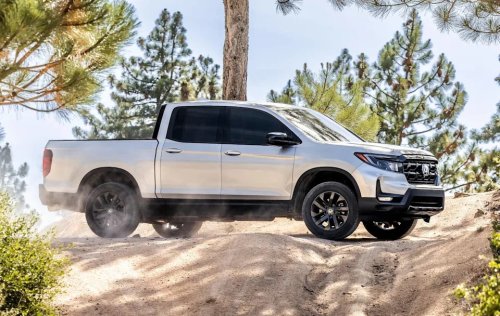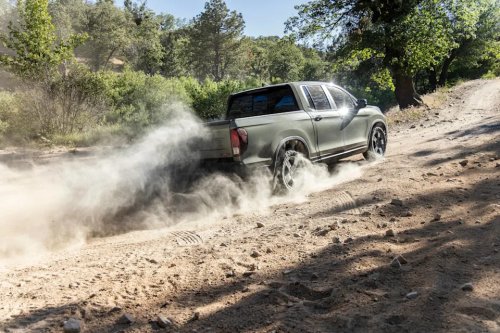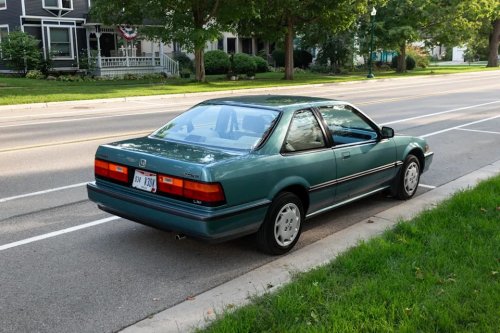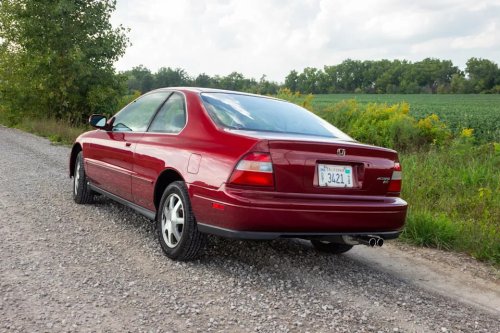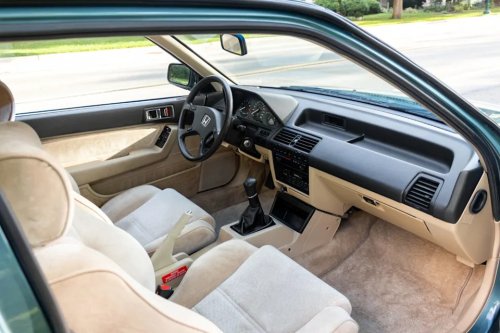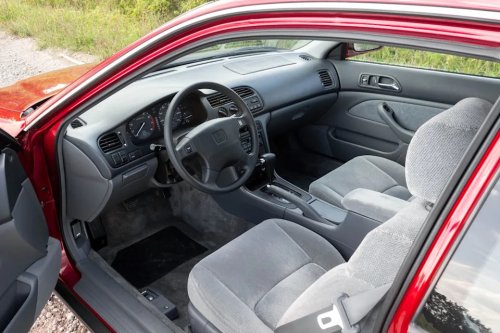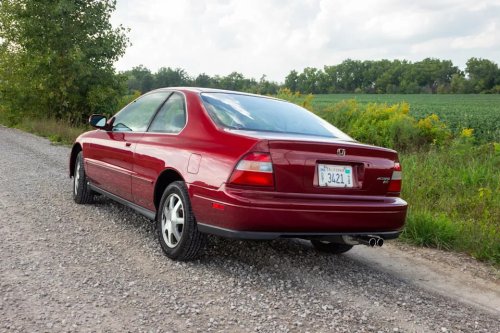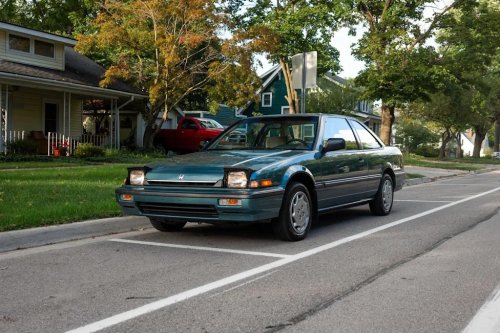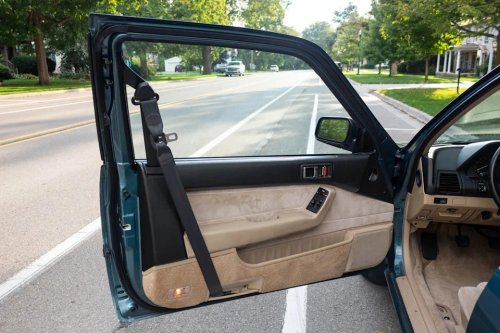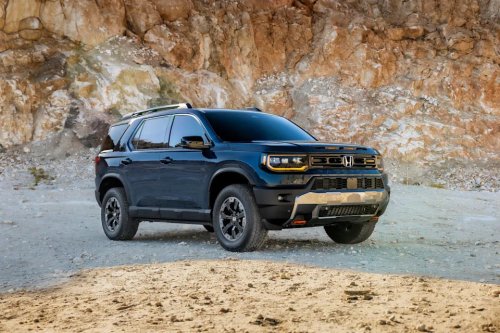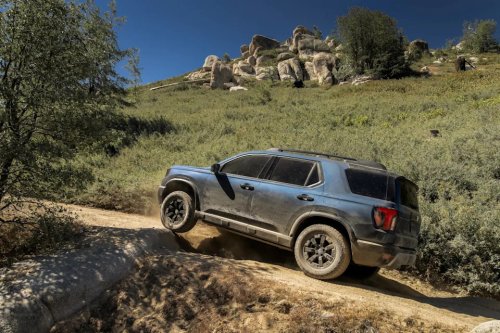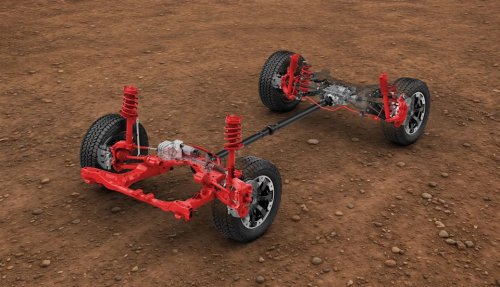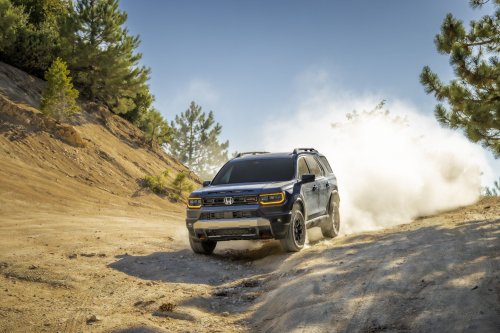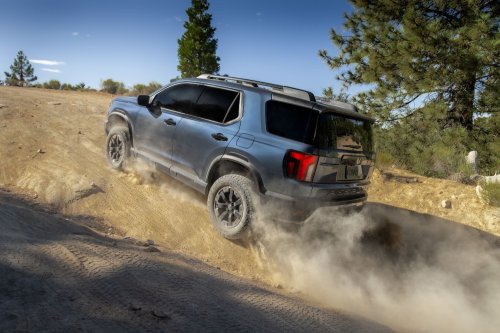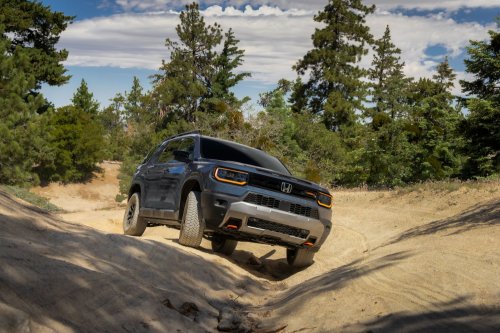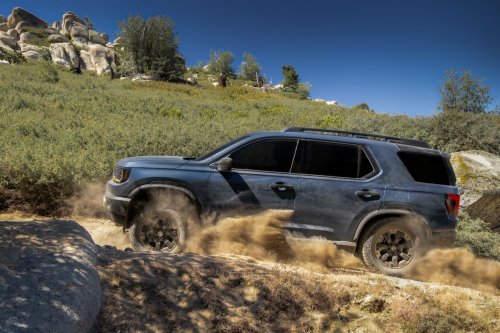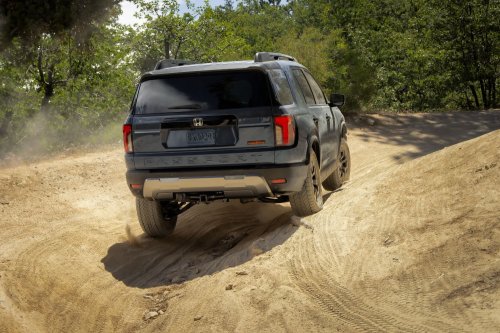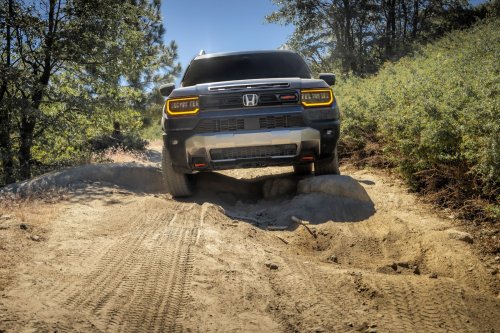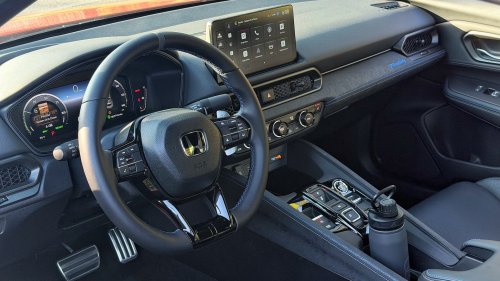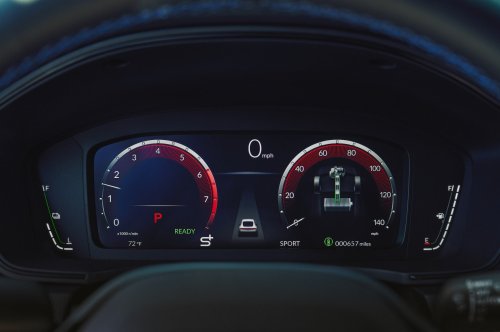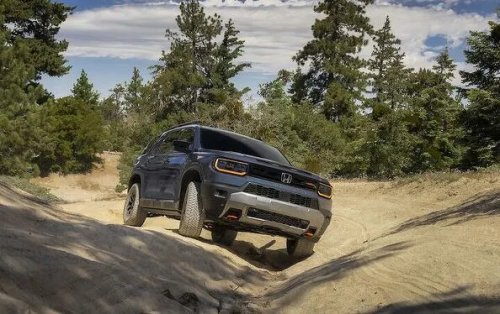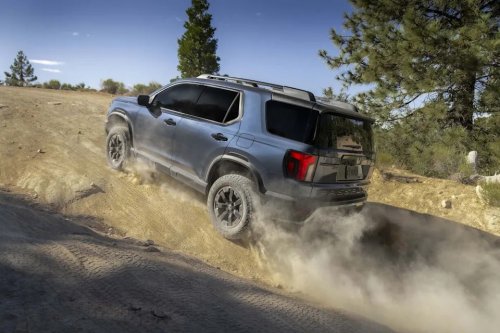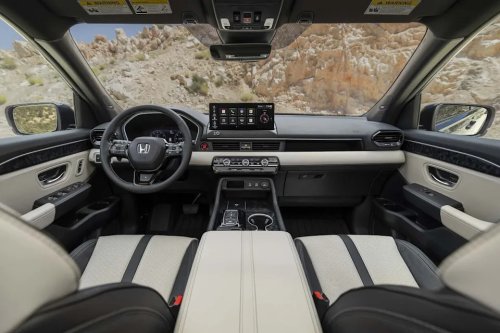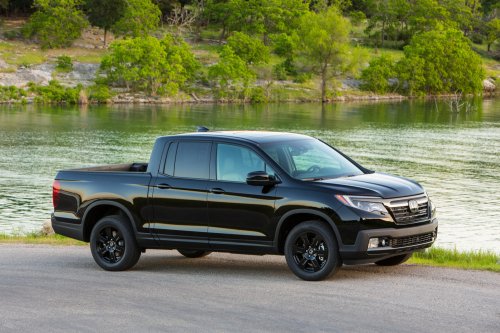
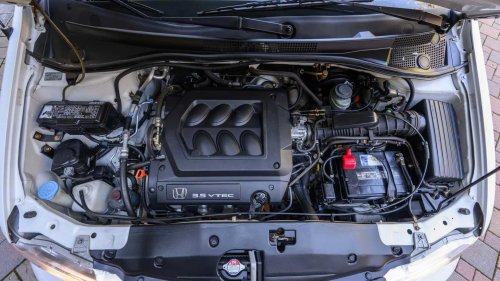
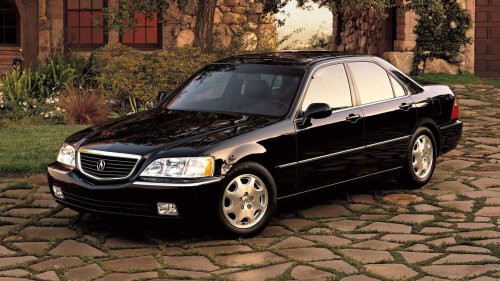
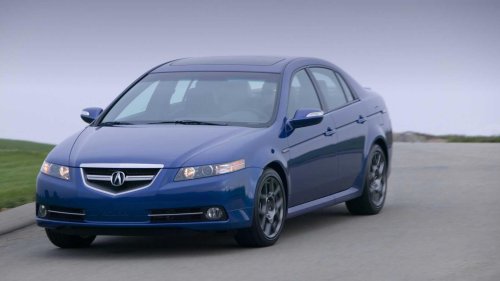
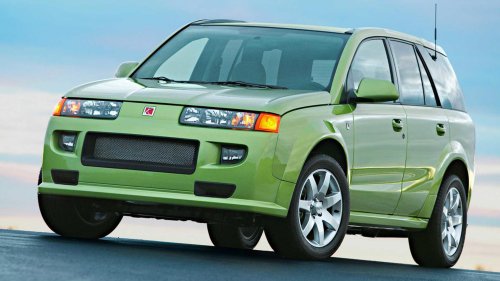
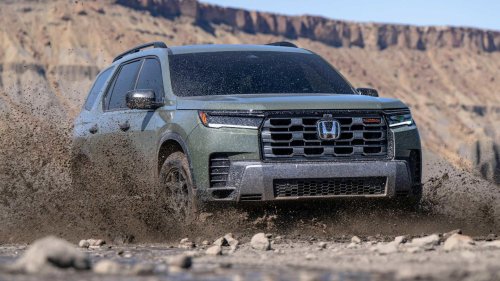
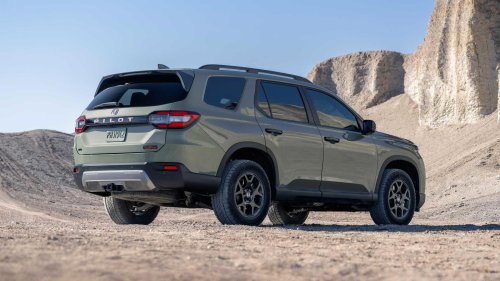
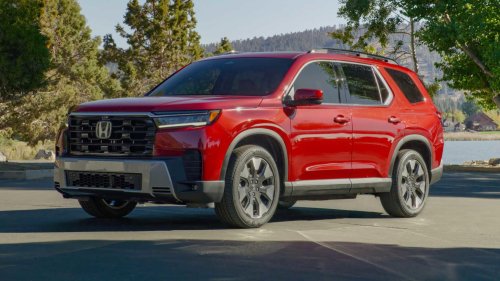
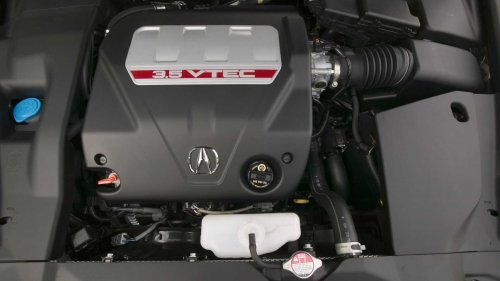



















While there's an obvious benefit to auto manufacturers pushing the boundaries of technology, it's usually not a good idea to change things for the sake of change. Especially when it comes to something as complex and integral to the experience of a vehicle as its engine. If you intend to replace a tried-and-trusted power unit, it had better be up to the task.Toyota has recently experienced some unfortunate reliability issues with its new twin-turbo 3.4-liter V6 engines, made all the worse because the 5.7-liter V8 it replaced was legendary for its durability.Jared Rosenholtz/CarBuzz/ValnetHonda has also had issues with some of its engines, most notably the 1.5-liter turbo unit used in Civics and CR-Vs. But it has also made some extremely hardy motors that refuse to die. One of the most long-lived is Honda's 3.5-liter V6, which was introduced back in the 1990s. While it can't match the latest designs in terms of fuel efficiency and power, there is a lot to be said for an engine that goes about its business with the minimum of fuss and maintenance requirements. The J35 V6 Bring a TrailerIntroduced in 1998, the Honda J35A was designed to be transversely mounted in the marque's larger front-wheel drive and all-wheel drive offerings. The 60-degree V and single overhead cam layout allowed for a very compact engine, as well as one that was particularly smooth-running. Producing 210-hp and 229 lb-ft, it was competitive with rival offerings, and every J35 had VTEC variable valve timing, with these early engines using the system solely for the intake cams.Acura While the engine has remained at 3.5 liters throughout production, several updates over the years have improved both power and fuel economy figures. The latest J35Y8 is the most radical shift in design philosophy, having ditched the Variable Valve Timing (VTEC) system of the older models for a Variable Timing Control (VTC) system that changes the cam phasing on both the exhaust and intake cams.This has resulted in an engine that now meets stricter emissions standards and is slightly more powerful than before; however, the peak power and torque curves have shifted further up the rev range.Acura Aside from this latest change, which was implemented in 2023, Honda has regularly carried out technical updates to the J35 platform. Below are some of the most notable:The basic SOHC layout and VTEC system proved to be as reliable as any other Honda engine from that era, and while the introduction of the direct injection system and variable cylinder cut-off improved performance and economy, the added complexity caused some teething issues that marred the otherwise bulletproof reputation of this engine.GM Thanks to its versatility and platform sharing across several body styles, the J35 has seen duty in everything from minivans to sedans and SUVs. It was also the powerplant of choice in the Acura TL, TLX, and RL. One of the more interesting vehicles it was fitted to was the Saturn Vue, a compact SUV built by GM under the Saturn brand.While it had enough power to give the heavier SUVs a healthy turn of speed, it turned the Honda Accord Coupe into an impressive performer, especially when fitted with a six-speed manual transmission. The Acura V6 Coupe was available with the same engine and transmission option, and good ones are both pricey and hard to find these days. What Does The J35 Power Today? HondaThe latest J35Y8 version of this venerable 3.5-liter V6 is currently used in four of Honda's SUV and utility models. These are the Pilot and Passport SUVs, as well as the Ridgeline truck and Odyssey minivan. Fitted with either a nine or 10-speed automatic transmission and front or all-wheel drive, power outputs range between 280-285 hp. While this variant has had some major mechanical changes, it should prove to be as solid and reliable as its predecessors.Honda Judging by the huge number of owners of older J35-equipped vehicles who have surpassed well over 200,000 miles, as well as the overall positive feedback on Honda forums, this engine has proven itself to be a very solid and reliable performer. Many have achieved big mileages with not much more than regular servicing and maintenance.However, even Superman has a weakness, and the J35 has suffered from a few issues over the years. Early models fitted with the VCM cylinder deactivation system were known to cause spark plug fouling and heavy oil consumption; some owners have disabled this system as a result.In terms of maintenance, the timing belt needs to be changed every 100,000 miles, and direct injection models can suffer from carbon build-up, although this is common on several modern engines fitted with this type of fueling system.Honda When gauging overall vehicle reliability, sources like Consumer Reports show that vehicles like the Honda Odyssey and Honda Pilot can exhibit issues with their transmissions and electronic systems, but aside from that VCM issue, the engine is rarely the cause of the problem.JD Power reliability scores paint a similar picture, with the J35 V6 vehicles delivering average or above-average scores in general, but engine-related issues are generally limited to that pesky VCM system.Some owners have complained about poor fuel economy, but they appreciate the linear power delivery and smooth, vibration-free engine. Newer turbocharged engines can deliver better fuel economy figures, and more power and torque, but they can't match the old V6 for its smoothness. The Future Of The J35 AcuraHonda is certainly not sitting on the sidelines as rivals introduce more efficient and similarly powerful hybrid and turbocharged engines, but it also realizes the value of developing a proven powerplant over the potential reliability concerns and investment costs of a completely new engine. Its own turbocharged 1.5-liter engines have proven that point painfully clearly.Honda It is likely that as long as the 3.5-liter V6 can keep meeting emissions regulations, it will continue to be used in Honda's SUVs, minivans, and trucks. While nothing official has been announced, it could become hybridized in future iterations, and Honda has extensive experience in both turbocharging and hybrid powertrains, so existing tech could be modified to fit the J35 engine.A 2.0-liter four-cylinder hybrid engine is already used in the CR-V SUV as well as smaller models like the Accord and Civic. The Type R still makes use of a traditional turbo setup, and these solutions could all be adapted to give the J35 another lease on life.Honda But while a Honda V6 is always a good thing, the current move to downsizing and EV powertrains makes these hypotheses unlikely to materialize. These are quite likely to be the last Honda models to be fitted with a V6 engine, and the move to smaller hybridized and turbocharged powertrains is almost inevitable.The good news is that the reliability and dependability of this old V6 design is so good that we should see these vehicles on the roads for decades to come. It will be interesting to see how many highly-strung turbocharged four-cylinder and complex hybrid engines are around by then.