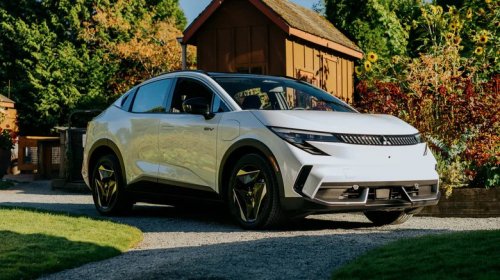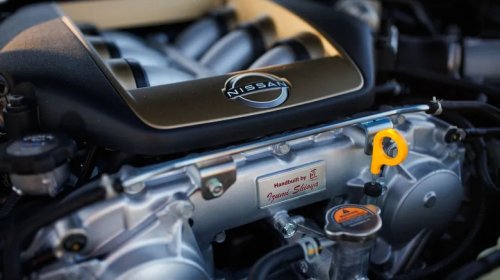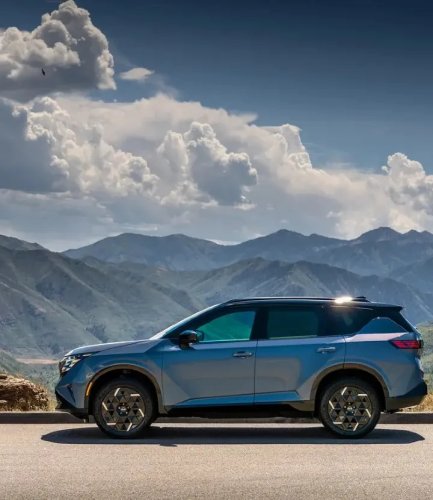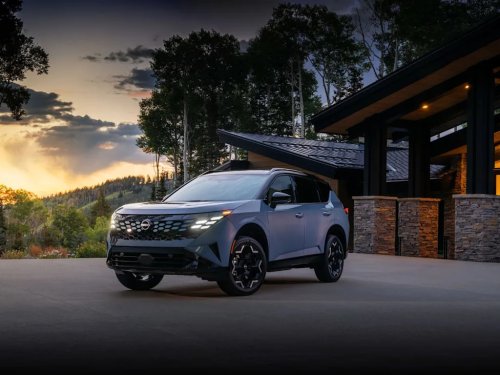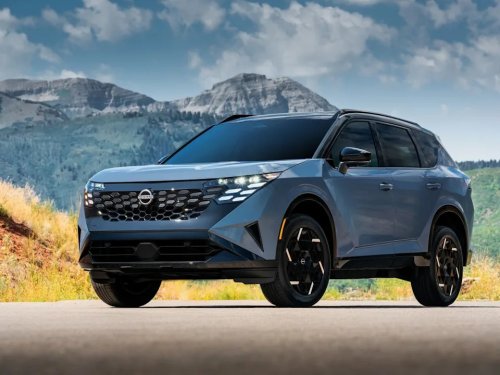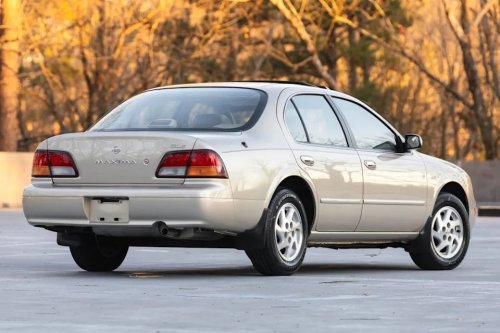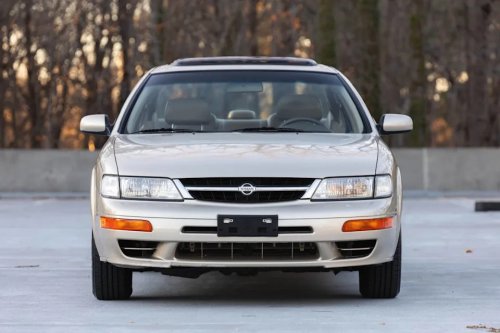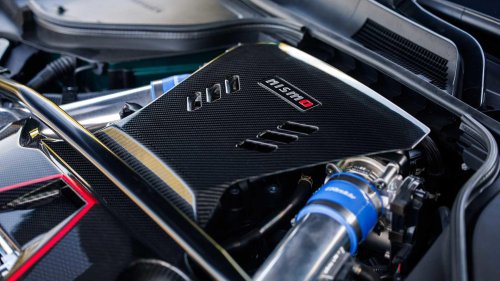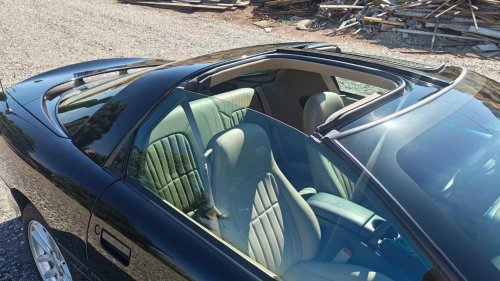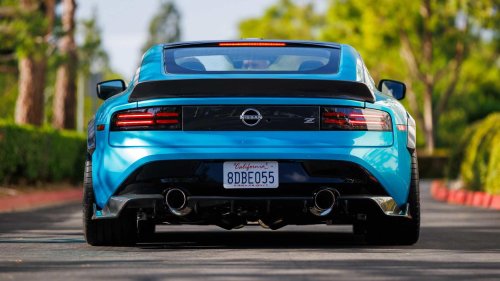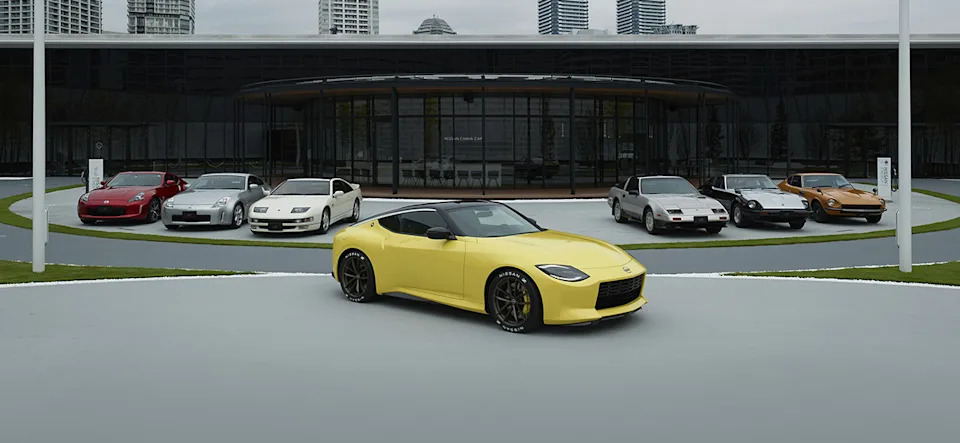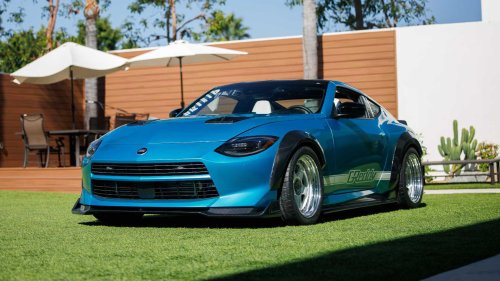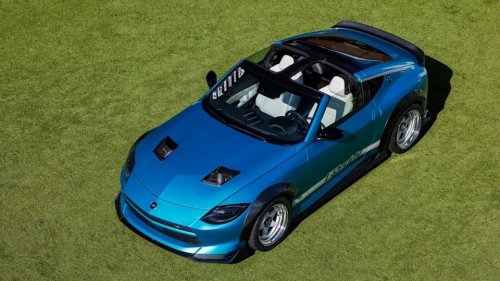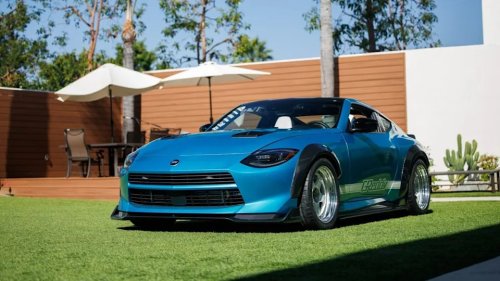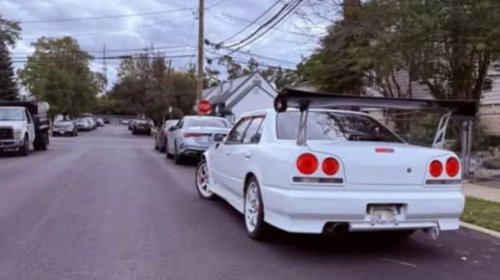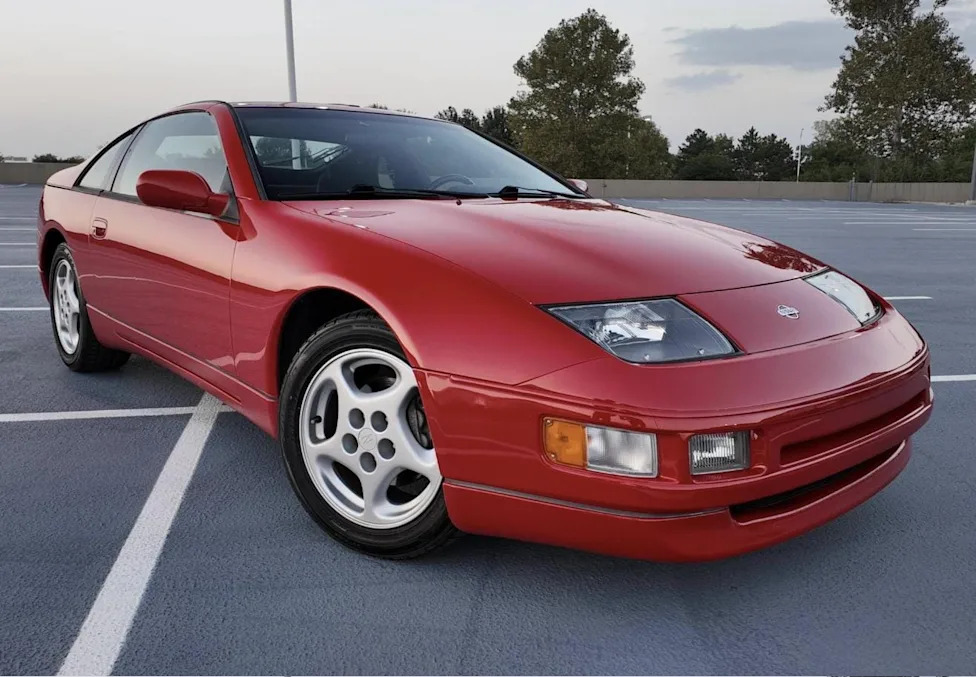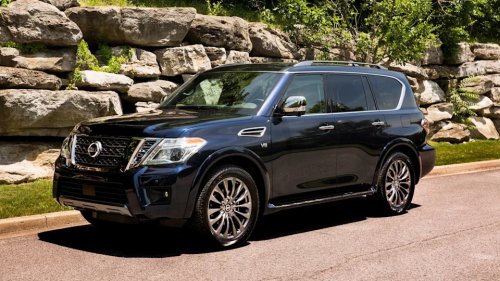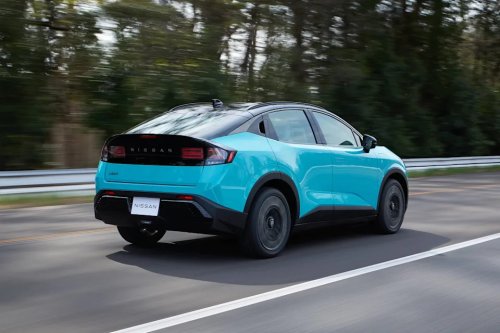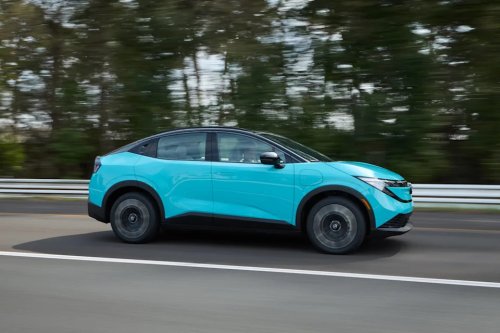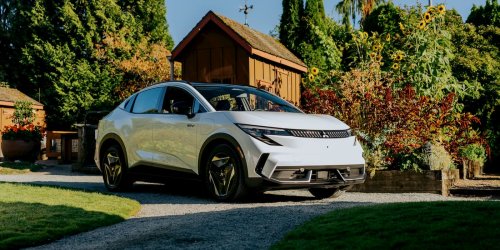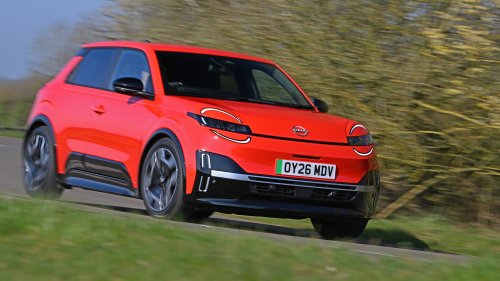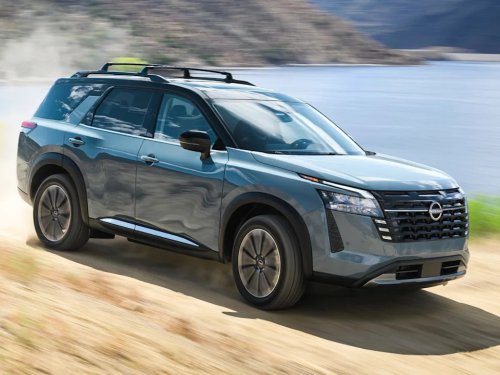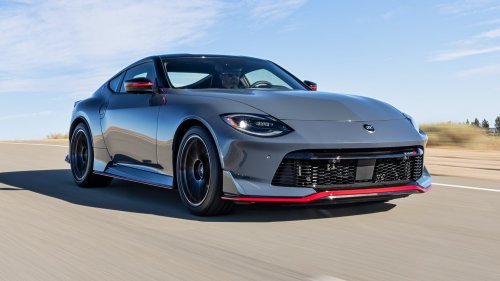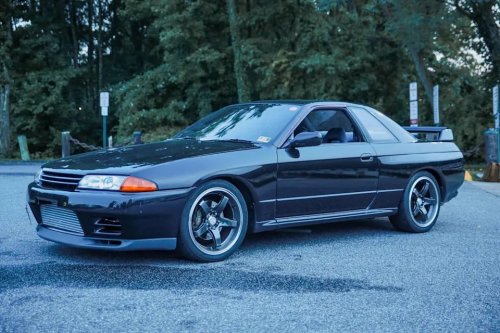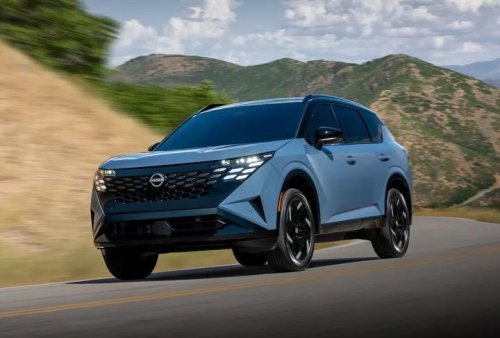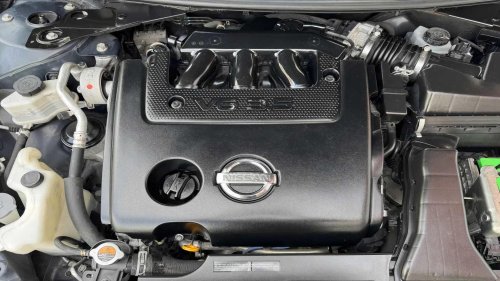
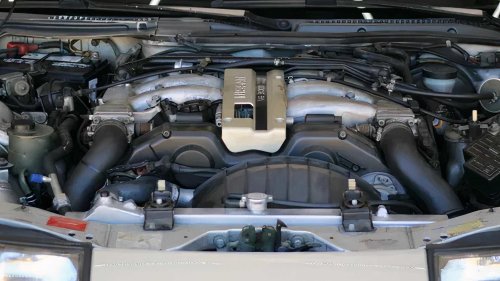
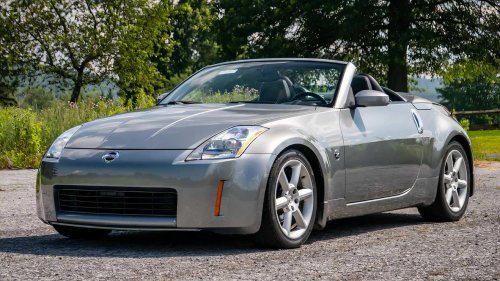
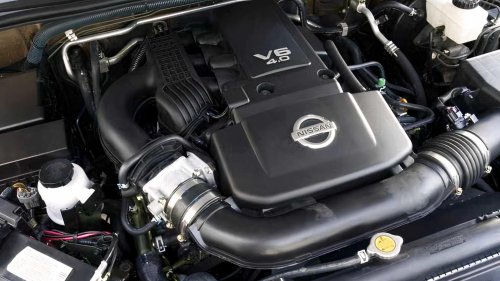
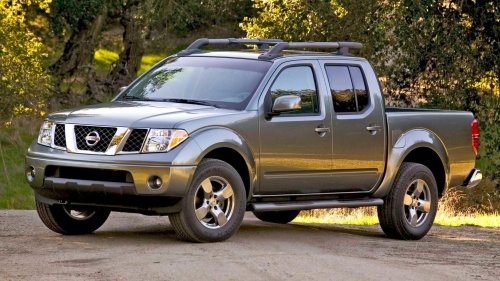
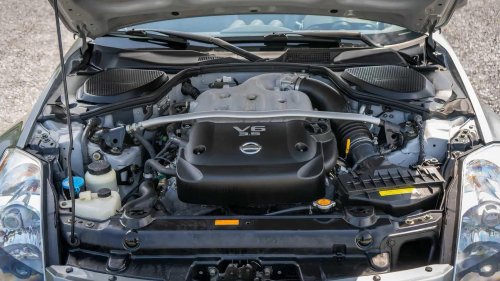
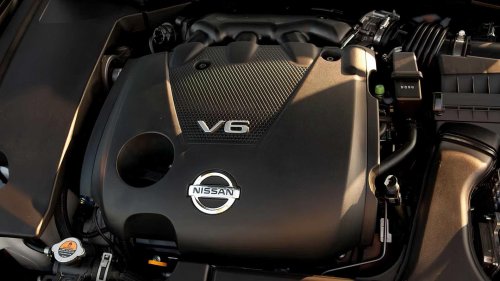
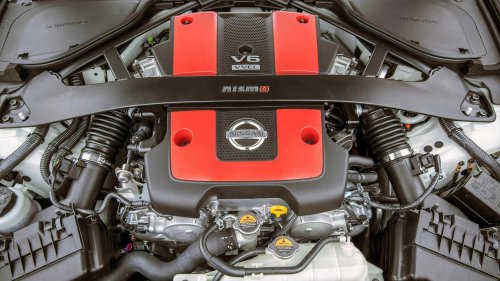
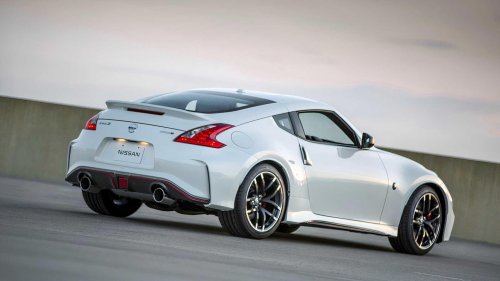
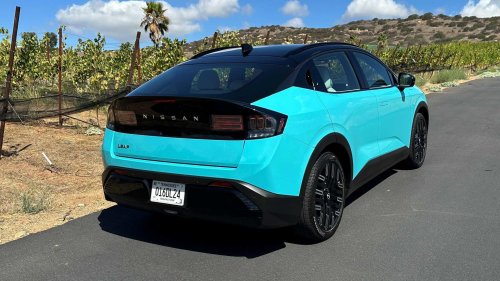
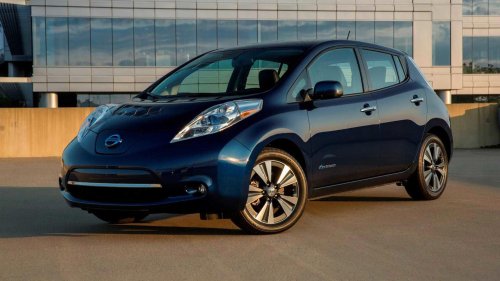
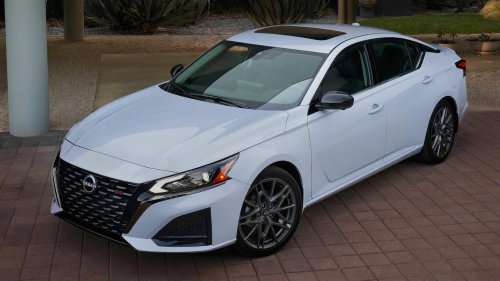
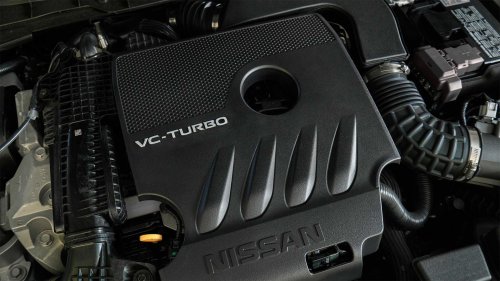



















Since 1994, the Nissan VQ V-6 engine has been one of the key differentiating factors in Nissan's global success, powering everything from SUVs to sedans. Now in production for over 30 years, the Nissan VQ has proved its longevity with an unshakable architectural foundation and brilliant iterative engineering.This longevity was no accident. When Nissan introduced the VQ, their plan from the start was to make this engine the most refined and durable engine in the company's history. Let's break down why the Nissan VQ is so reliable, how it evolved, and what the future of Nissan engine building has in store. The Nissan VQ Was Built To Last A Lifetime Bring A TrailerThe Nissan VQ did not become an immediate smash hit. Nissan's first production V-6 engine was the VQ's predecessor, dubbed the Nissan VG, which saw production for nearly 20 years before its discontinuation in 2004. By the time Nissan was ramping up to put the VQ into production, they were working with two decades' worth of experience in refining the foundation of its V-6 engine. Here are the key design elements that made their way to the VQ and built its now-famed durability standards. Battle-Tested Engine Architecture Bring A TrailerThough the Nissan VG served as a comprehensive knowledge base in V-6 engine design, Nissan decided to start almost entirely from scratch when building the VQ engine family. One of the shared architectures of both these Nissan V-6 engines is the 60-degree V-angle, designed for optimal smoothness and balance. Where the VQ improved compared to its predecessor was in introducing an all-aluminum block design with a DOHC four-valve per cylinder aluminum head.Bring A Trailer In terms of reliability, a significant upgrade was the shift from using a timing belt to a timing chain. Timing belts, commonly used before the 2000s, were notorious for their catastrophic failures and short lifespans. Over time, timing chains have proven to be longer-lasting and more reliable and have become the modern standard as a result. This change also increased the reliability of the water pump, which was relocated inside the engine and driven by the timing chain. Yet, the Nissan VQ's foundations weren't just about durability; it was also about feeling. Nissan itself has stated that the VQ is the company's reflection of "high performance and high quality." A Solid Foundation Makes Iterating Easier NissanAnother one of the VQ's key strengths was its intentional modular design. The first Nissan VQ, 1994's VQ20DE, started as a 2.0-liter V-6. Only a decade later, in 2005, that same VQ engine was transformed into the VQ40DE, a 4.0-liter unit with twice the displacement of the original VQ V-6. Nissan had designed the VQ V-6 to be scalable to a larger range of relevant displacement sizes.Nissan This meant that Nissan didn't have to build an entirely new V-6 just to get to work on a larger application like the Nissan Frontier. Instead, they simply beefed up the already solid VQ with stronger internal components and increased its displacement to match the use case. This kept Nissan's manufacturing process as efficient and flexible as possible. However, it was only made possible because of how good the foundation of the VQ engine family was. By the mid-2000s, Nissan had updated the VQ significantly with revised cooling passages, oil galleries, and refined rotating assembly components. The Evolution Of The Nissan VQ: From 1994 To Present Day Bring A TrailerAlthough the Nissan VQ has proven to be one of the longest-lasting engine platforms ever produced, it has had its fair share of notable updates during its impressive lifespan. One of the most important updates to the Nissan VQ was the introduction of the 3.5-liter VQ35DE in 2000. The Turning Point: VQ20DE to VQ35DE NissanWhile 1994's VQ20DE was a solid engine, its greater purpose was to serve as the foundation for future improvements like the VQ35DE. In terms of V-6 engines, 3.5 liters is just about the perfect displacement size that works for the majority of platforms. That is why when Nissan finally built the 3.5-liter VQ35DE, they knew they had finally found their Goldilocks size. Further improvements with the VQ35DE included CVTC (continuously variable valve timing), forged steel rods, a one-piece forged crankshaft, and molybdenum-coated pistons, among other strength upgrades. This 3.5-liter variant's sheer longevity tells you everything you need to know about its quality. The 3.5-liter VQ35DE remains in production more than 25 years later, andwas a certified hit for the Japanese company, earning the VQ engine family 14 appearances on Ward's '10 Best Engine' list from 2002 to 2016, more than any other engine family in history. Performance Refinements And Emissions Improvements: The HR And VVEL Era NissanAlthough the Nissan VQ had already had a strong basis as a performance engine with its smooth character and broad torque band, the 3.5-liter VQ35HR introduced with the 2007 Infiniti G35 Sedan took this raw capability to new heights. The HR (High Revolution) variant unlocked a new redline capability of 7,600 RPM, figures not previously seen on a production Nissan engine. According to Nissan, over 80 percent of the engine internals were upgraded to enable the increased RPM range, along with updated intake and exhaust manifolds. Though these changes didn't have a significant change in overall performance figures, the engine's character was entirely different and more evocative, perfectly suited for sports cars like the Nissan 350Z.Nissan Later, the updated 3.7-liter VQ37VHR would succeed the VQ35HR as the first Nissan engine offering VVEL (variable valve event and lift). This technology, designed to eliminate the need for a conventional throttle body, significantly improves emissions. These constant iterations and innovations have allowed the Nissan VQ to maintain a production lifecycle that is essentially unheard of for a naturally aspirated gasoline engine. Nissan's Plan For The Future Nicole Wakelin/TopSpeedA legitimate question is whether it's even possible for Nissan to build something as solid and strong as the Nissan VQ in our current automotive environment. The short answer is no. Simply put, the reality that allowed the Nissan VQ to be relevant and successful is now long gone. Instead, the future of Nissan will rely on alternative solutions that will force the company to adapt to the constantly shifting modern landscape. Regulations And Financial Viability NissanIt is a fact that modern emissions standards have killed most, if not all, larger displacement naturally aspirated engines. The Nissan VQ, despite its tremendous quality, is no exception. Building a modern VQ successor has little financial merit, as the cost of development outweighs the potential growth such a platform could produce. Nissan is entirely aware of this problem, and it has stated in its own words that its plan is to pivot toward electrification as its future. Nissan has prided itself on being one of the earliest adopters of electric vehicles, with the first-generation Nissan Leaf being one of the first mass-market electric vehicles. Nissan has made another big splash with the introduction of the much-improved third-generation 2026 Nissan Leaf, one of the few new EV models available under $30,000. The Obstacles Of Building A Modern VQ Successor NissanWhile a modern VQ successor is nothing more than a fantasy, Nissan still has the opportunity to construct a new engine that builds on the exceptional philosophy the VQ mastered. The Nissan VQ was a success because it was overengineered, overbuilt, and prioritized smoothness and balance over anything else. Its rock-solid architectural foundation enabled constant improvement potential, which Nissan executed flawlessly. Do we think Nissan could use this same method for a newer and more efficient engine? Without a doubt. However, the reality is a little bit different.Nissan